
Shopping Center Roofing in Brownsville, TX
Coordinate roofing across tenant spaces
A drip reported by one tenant needs a suite, a time and the roof area above it. We compare the report with drains, seams, curbs and wall transitions, then record which areas were inspected. Brownsville retail properties range from downtown storefronts to shopping near Sunrise Mall and the North Expressway. Tenant mix and roof layout vary by property. The field record identifies the actual building before the repair scope is set.
Send the Brownsville address, affected suites, roof plans, tenant hours and access contact. We will record the finding and define the work area for approval. Call 555-555-5555 or use the form.
Inspect: Tie tenant reports to roof sections
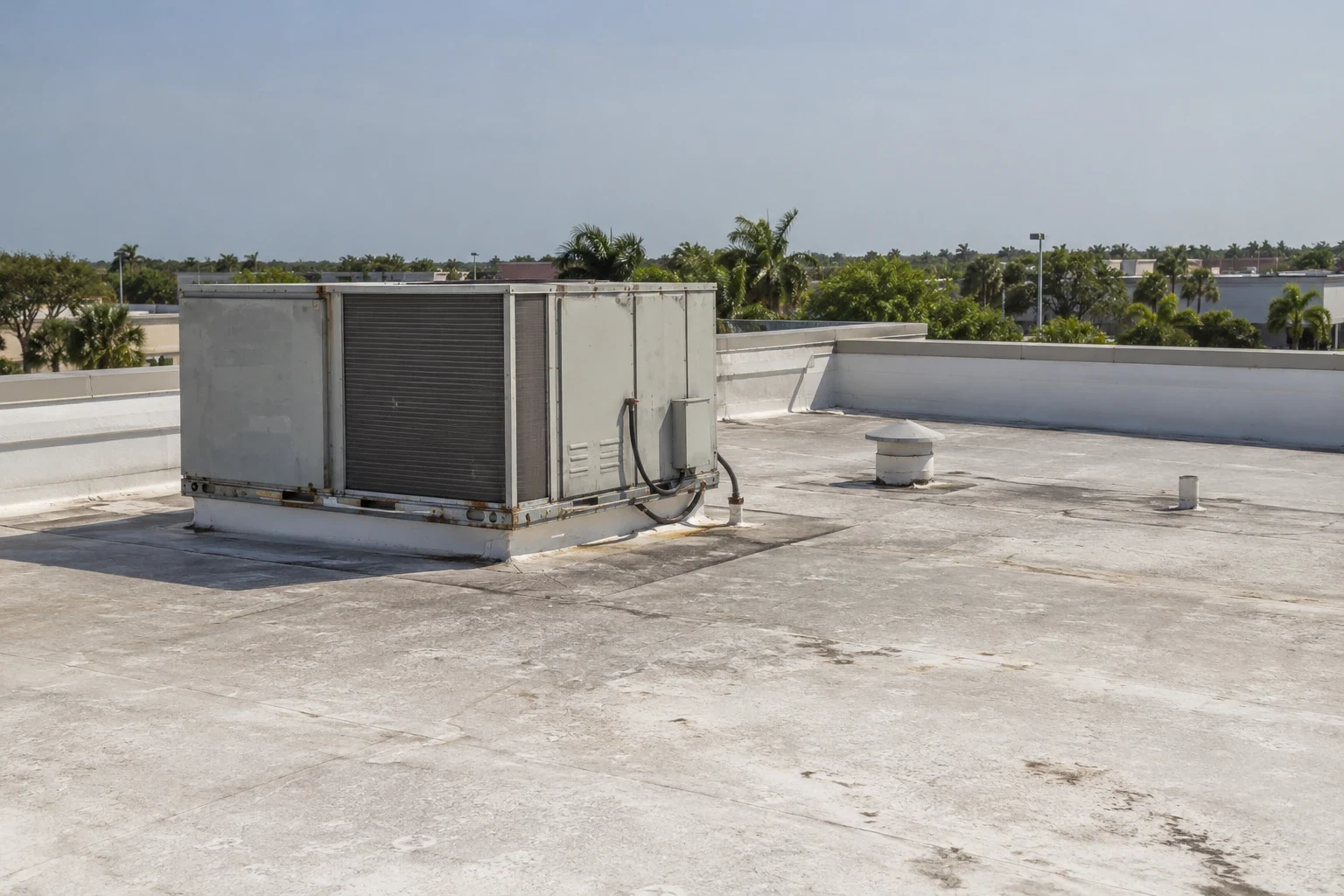
Water can travel across a deck before it reaches a ceiling tile, so the visible stain is a starting point rather than a confirmed entry detail. We record the tenant's location and timing, then check nearby seams, penetrations, drains, scuppers, parapets and equipment curbs. If multiple suites report moisture, each location is mapped separately. Photos and section references help the owner distinguish one repair from a broader roof condition.
Shopping centers have public walkways, service corridors, signs and rooftop equipment that can limit access. We note those constraints during inspection and confirm who can authorize a test opening. A moisture survey may help prioritize concealed areas, but unusual temperature patterns need appropriate confirmation. A commercial roof inspection returns findings by section, with open questions identified rather than folded into an assumed repair.
Brownsville reaches normal summer highs above 90 degrees for about 140 days each year. Heat affects safe roof access and can influence material handling and the daily work window. We plan inspection or repair around forecast and surface conditions. Heat data helps set a safe work window; the center's membrane, flashing and drainage still need a building-level inspection.
Coordinate: Keep storefront access in service
Before mobilization, property management identifies delivery hours, customer entrances, tenant business hours, loading areas, sign access and routes that must stay open. We confirm lift setup, debris removal and temporary barriers so customers are not directed beneath active roof work. If odor or noise affects a tenant, the sequence can move to another roof section while the facility contact manages notice.
Downtown Brownsville is a historic commercial district, while Sunrise Mall sits on the North Expressway corridor. That difference matters for access planning: a downtown roof may sit over constrained street frontage, while a shopping center may have large parking areas and multiple tenant entrances. The actual property determines lift placement and staging. A downtown Brownsville project needs its own street, delivery and pedestrian route plan.
Tenant hours, food service and storefront access determine the daily boundary; each roof section is scheduled to close before the center's next operating period. The site contact identifies the person who can authorize access above each tenant and receive schedule changes. If a storefront needs temporary interior protection, that task is stated separately. A phased occupied-building reroof can sequence work away from active entrances when the roof layout permits.
Repair: Control the exposed area
A roof repair scope names the failing seam, curb, drain or transition and explains how the new material will tie into sound roofing. Surface preparation, removal depth and limits are stated before work begins. A test cut is logged with location, layer depth and photographs. Any added removal waits for written approval against the revised quantity. Additional removal requires a property decision before the work area grows.
NWS records a tornado near Brownsville during Hanna in 2020; after an event, we inspect the center's roof edges, seams and penetrations and link any temporary cover to the affected tenant bay. A center owner can use a current roof map to assign post-storm checks to separate buildings, edges and tenant areas. We tie the repair boundary and temporary cover to roof conditions recorded at the specific center and tenant bay. A storm-damage roof review separates immediate protection from permanent work.
Active water entry can receive emergency response at night, on weekends and holidays. Temporary protection limits exposure until a permanent detail can be prepared under suitable conditions. The record lists the protected roof area, what remains open and who checks it. Tenant ceiling repair, merchandise handling and electrical inspection remain separate from roofing unless assigned. A leak repair plan should tie every task to a location that property management can verify.
Scope: Compare one bay with the full roof
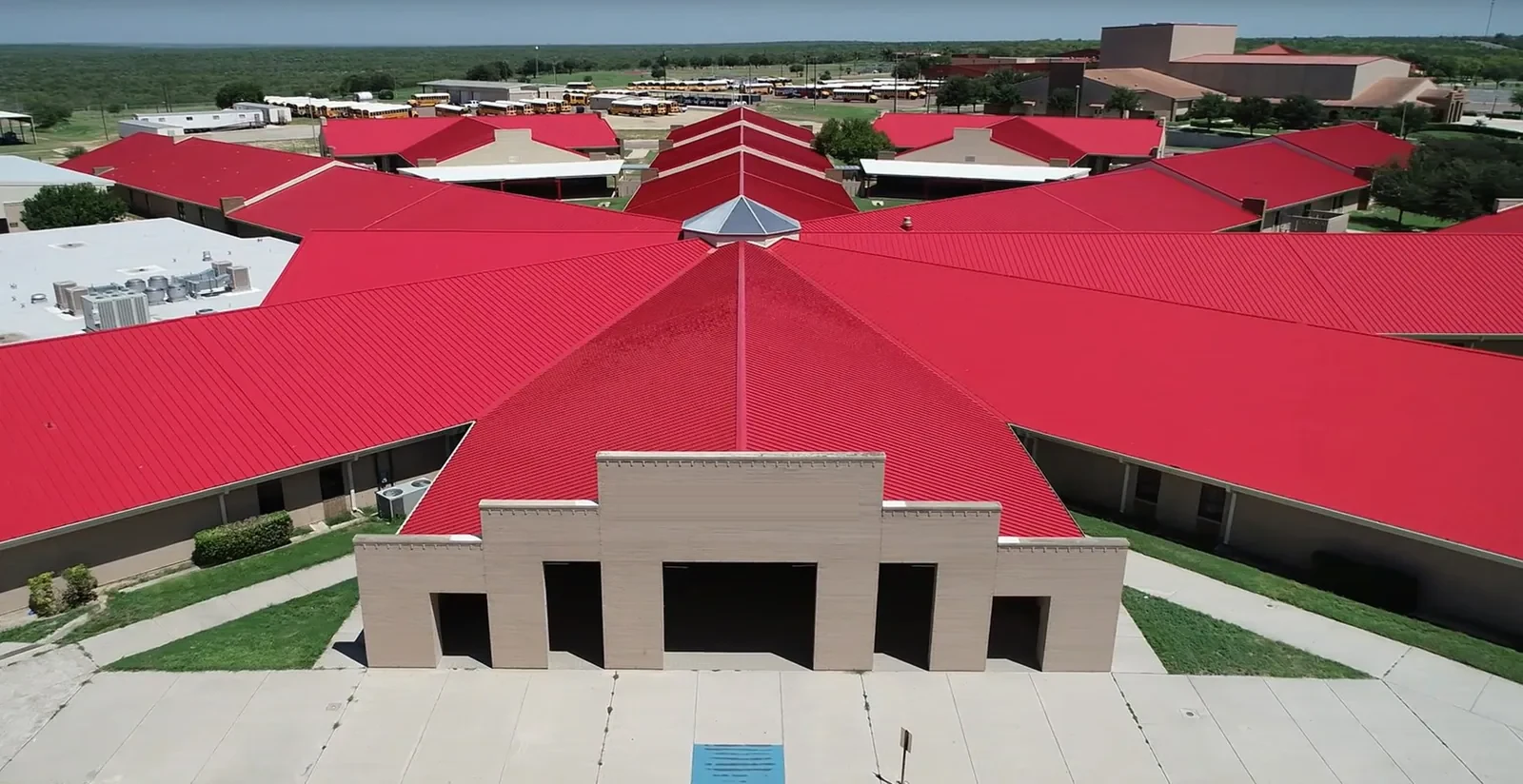
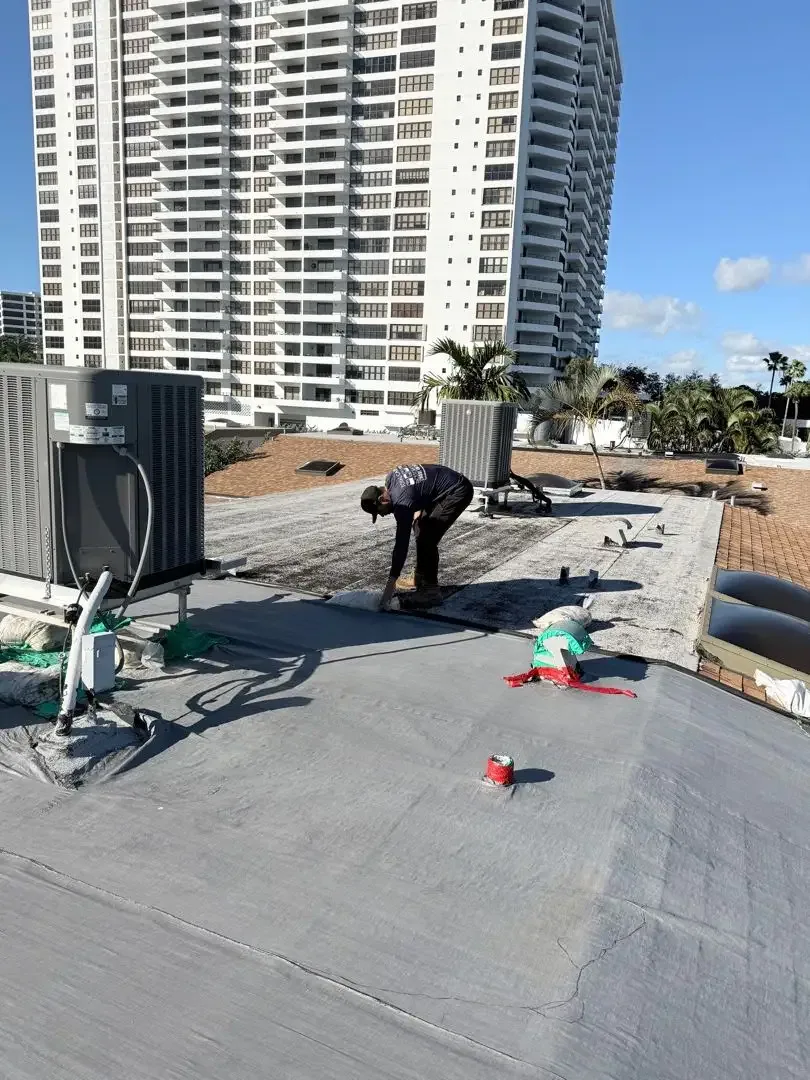
A single failed penetration or flashing may need a localized repair. Repeated reports, standing water, broad moisture or loose membrane attachment can indicate a wider issue. The owner can compare a localized repair with an overlay study when retained layers qualify, or a phased replacement when they do not. We map each choice to tenant access and drainage by roof zone. A recover depends on existing assembly and moisture conditions, not only the visible top surface.
Brownsville uses the 2018 IBC adoption as its code base. Confirm the current permit checklist before choosing the center's alteration scope. The project designer confirms roof assembly, wind design, energy requirements and permit steps for the address. Tenant signage, rooftop units, exhaust and lighting can involve separate trades. Our scope identifies those interfaces and lists the work assigned to roofing so property management can coordinate responsibilities.
Cost and timing depend on access, building height, tenant coordination, lift positions, staging, wet layers, product availability and the amount of occupied space. A roof spanning several suites may require separate work notices and closeout records. A big-box building may need a different access plan from grocery space with refrigeration curbs. We show assumed quantities and exclusions. If field evidence changes the repair boundary, the owner receives a written change request before work proceeds beyond the approved limit.
Closeout: File by building and tenant
Closeout records each completed roof area, repair detail, photograph, material and remaining open item. It notes tenant areas not accessed and any temporary protection left in place. Property management can file the record by building and suite, then connect a future service call with the same roof section. That makes repeat leak reports easier to compare with prior work.
Send the Brownsville address, tenant or suite, report timing, roof plans, business hours, access rules and approval contact. Include delivery windows, sign or equipment conflicts and any customer route that cannot close. We will define the inspection boundary and state where another trade or test is needed. The proposed scope will identify how each tenant area is protected while roofing is active.
A later roof walk can check the repaired flashing or drainage path without assuming that unrelated areas were renewed. We state what was visible on the return visit and record remaining concerns. For multi-tenant ownership, that history supports work planning by roof section instead of blending separate leak reports into one general condition. Each new repair receives its own approved quantity and closeout entry.
Related Roofing Work
Other roofing services and buildings we handle across Brownsville.
Questions About Shopping Center Roofing
Can roofing work leave the stores open?
Property management identifies entrances, tenant hours, customer routes and delivery windows. We plan barriers and roof phases around those conditions. The scope states which access points remain open and who approves a temporary closure if conditions change.
How do you identify which tenant space is below a leak?
We record the suite, ceiling location and time of the report, then inspect roof details above and around it. Water may move before it enters a tenant space. The report links observations to roof sections and notes any test that needs approval.
Who tells tenants about roof work?
Tenant notices and operating schedules come from property management. We provide the affected area, planned work window, access needs and expected noise or odor so the manager can issue accurate instructions.
What if opening the roof finds damage beyond the proposal?
We photograph the exposed layer, describe added material and stop at the authorized limit. The owner reviews a change request before removal continues. Interior finishes or tenant contents are addressed separately unless the agreement includes them.
Can you respond after a store closes?
For a leak during trading hours or after closing, the response visit records the affected tenant bay and installs only the temporary protection the roof condition supports. After-hours access must be arranged with the property contact. We document any temporary cover and define the permanent repair for approval once the detail can be inspected.