
Commercial Roof Replacement in Brownsville, TX
Set the replacement boundary
A saturated insulation layer changes the replacement record before removal begins. In Brownsville, TX, the first decision is what inspection confirms, what needs an opening and who approves the next step. We document roof areas, drainage, penetrations and visible distress. The written scope separates removal, deck review, insulation, membrane and edge work. The owner sees what is included before the old assembly comes apart.
This record matters on a warehouse, medical building or retail property with different access limits. The Port of Brownsville connects industrial property with freight operations. Sunrise Mall combines retail and entertainment. Each property needs a sequence built for its occupants and equipment. Our commercial roof inspection records conditions before the replacement boundary is set.
Send the Brownsville address, building contact and known roof condition. We will document the areas, compare removal options and return a scope for approval. Call 555-555-5555 or use the form.
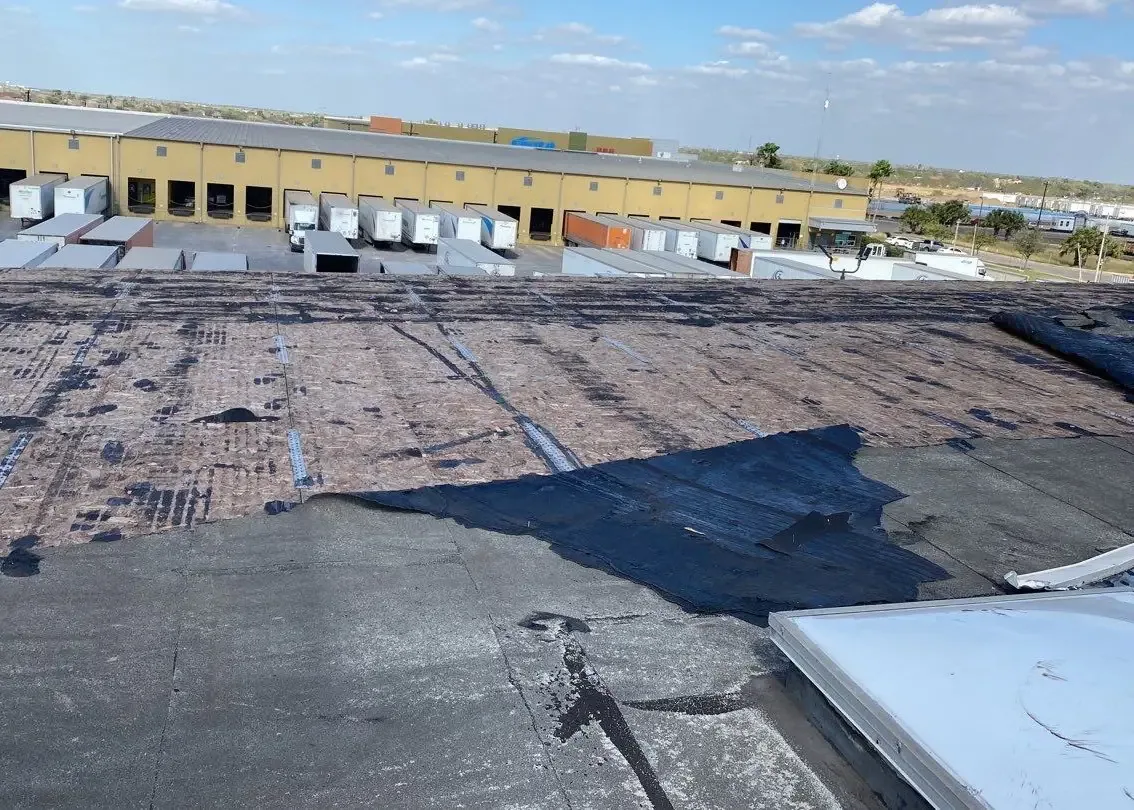
Inspect: Define the removal boundary
Blisters, open seams, repeated patches and soft areas are clues, not a complete scope. We walk accessible sections, photograph transitions and note where water remains after rain. Interior staining can locate an area for review, but it does not show how far moisture extends above the deck. A core sample confirms the layers at one point. We record its location and result so the owner can compare it with nearby sections.
Brownsville averages about 140 days a year at or above 90 degrees. Heat can accelerate material aging, but age alone does not mean every section needs removal. A condition report with tagged photographs separates observed wear from areas requiring more testing. The Port of Brownsville Business Park serves industrial uses, but its district profile does not establish a tenant roof's assembly or condition. We identify each roof zone and operating constraint at the actual address.
We check parapets, curbs, drains, skylights and access points. These transitions can determine how much material must come out. Metal roofs need a separate record of fasteners, sidelaps, ridge details and panel condition. Photographs tied to a marked roof plan help a manager understand the proposed boundary.
Record: Compare replacement paths
A full tear-off removes the existing assembly to the deck or another approved stopping point. It exposes concealed materials and deck areas for review. A recover can preserve sound layers only when code, roof count, drainage and moisture allow it. These are different scopes. One proposal may include more removal, insulation correction or edge work than another.
We describe each path by roof area and task. The scope names selected membrane, insulation, cover board, flashing, perimeter metal, drains and penetrations. It lists allowances and conditions requiring approval. If the exposed deck differs from the assumption, we photograph it, stop at the approved boundary and request direction. Concealed deck repair is included only when stated.
System choice follows the building. TPO, PVC, EPDM, modified bitumen, built-up roofing and metal each use different seams and attachment. A TPO assembly uses heat-welded seams; other systems need their compatible methods. We compare fit with existing components, traffic, drainage and equipment. A port-area facility may need loading-aware scheduling, but that does not reveal its roof design.
Protect: Plan around occupied operations
Replacement can affect entrances, loading areas, tenants and equipment. Before mobilization, we confirm material staging, routes that must stay clear and work-zone limits. A phased sequence can keep selected operations open while roof sections are removed and closed. The plan identifies deliveries, hoisting, noisy work and temporary access limits for the owner to coordinate.
Hurricane Hanna brought damaging wind, heavy rain and roof damage across the Rio Grande Valley in 2020, with a small tornado near Brownsville. This regional history supports attention to temporary dry-in and secure materials. It does not establish damage at a named property. We check current conditions during active work and protect opened areas before leaving. The contract states how temporary cover is handled and who approves added protection.
Brownsville heat affects safe work periods and product handling. We follow the selected system instructions and limit exposed work to the approved phase. For sensitive operations, the facility contact can identify restricted areas and critical hours before scheduling.
Scope: Close the details in the field
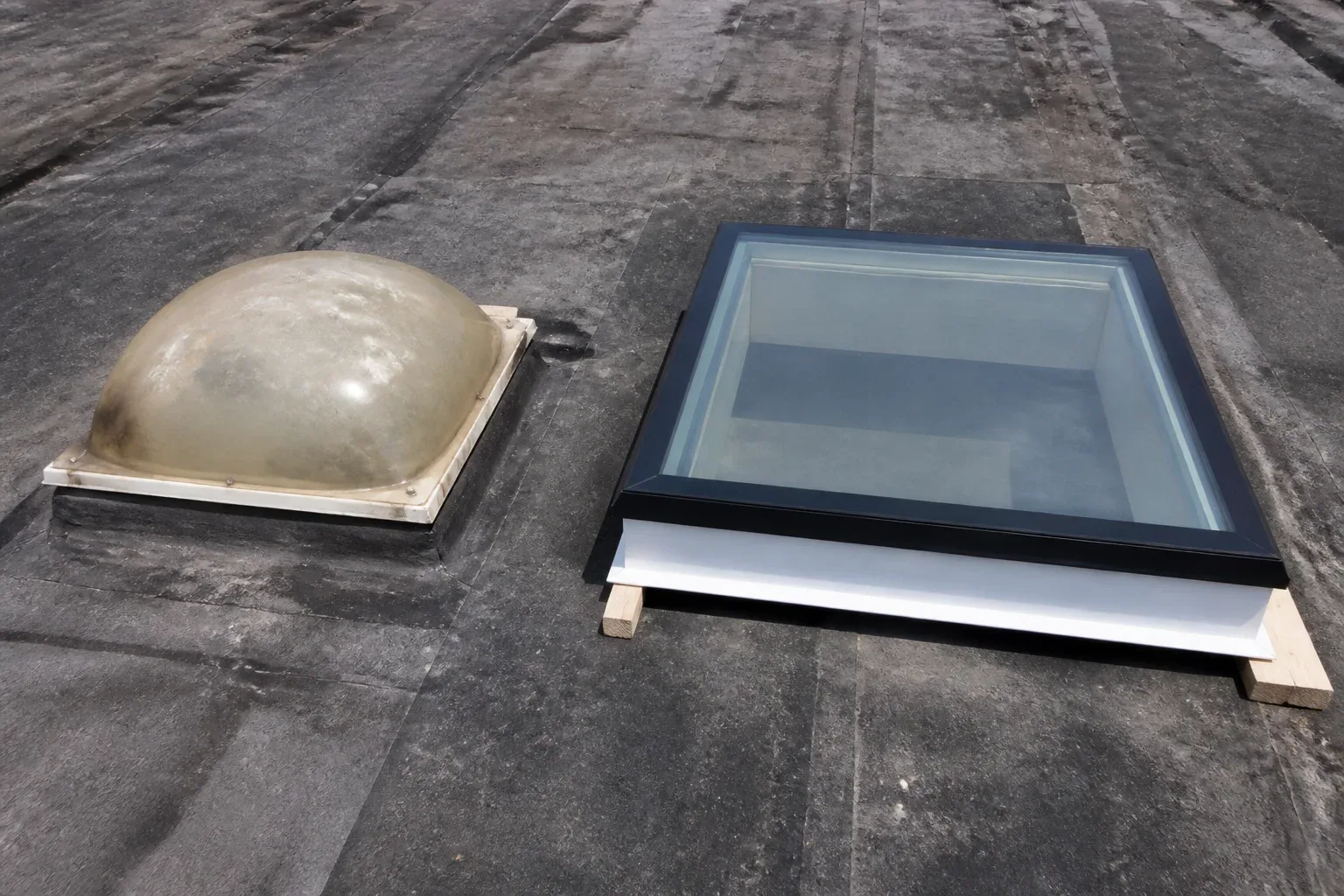
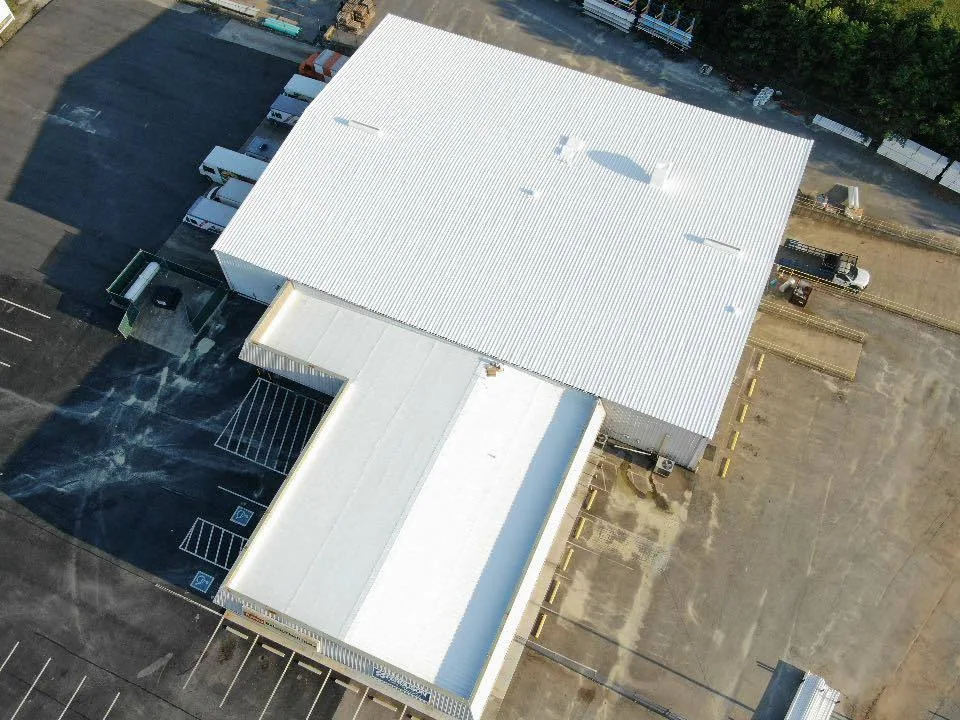
The roof field is only part of a replacement. Drains must remain open as work advances. Curbs, pipes and conduits need compatible flashing. Parapet transitions and perimeter edges require terminations suited to the assembly. We list these components separately. If another trade maintains equipment at a curb, the scope marks where roofing work ends and coordination begins.
Brownsville adopted the 2018 International Building Code. The City reviews permits and plans for commercial remodeling and new construction. The project still needs a requirements check with the permitting authority; the adopted edition alone does not settle every design question. Project documents and actual conditions govern.
A roof recover assessment can test whether existing layers are suitable to remain. If the deck is sound and damage is limited, a repair scope may fit. Wet insulation, compromised drainage or failures across the field can support replacement. We tie the recommendation to observed evidence and keep unresolved areas visible.
Compare: Review what the proposal includes
A useful proposal lets an owner compare tasks, not just totals. It identifies roof areas, removal depth, disposal, deck-review assumptions, insulation, membrane attachment, flashing, metal, drains, protection and closeout records. It also lists exclusions. The manager can tell whether proposals cover the same assembly and boundary.
Timing depends on access, removal, material availability, weather and concealed conditions. The schedule should show work phases, inspection holds and owner approvals. A warehouse roof with active loading doors needs a different delivery plan from an office. At a healthcare facility, entrances, emergency routes and equipment may govern the sequence.
Closeout returns dated photographs, completed areas, approved changes and remaining maintenance items. We record the installed system and finished details. A manager can use that file to plan future inspections. A maintenance visit tracks drains, edges and penetrations after replacement.
Closeout: Confirm the finished assembly
At the final walk, we compare completed work with the approved scope. We check seams, flashings, transitions and drainage in accessible areas. Photographs show finished details and any condition outside the contract. The record identifies roof areas left in place so later inspections distinguish them from the new system.
A written field record gives the owner a basis for choosing tear-off, recover or targeted repair, then confirms what was installed. It keeps the repair boundary specific to the address and gives the next manager a usable handoff.
Related Roofing Work
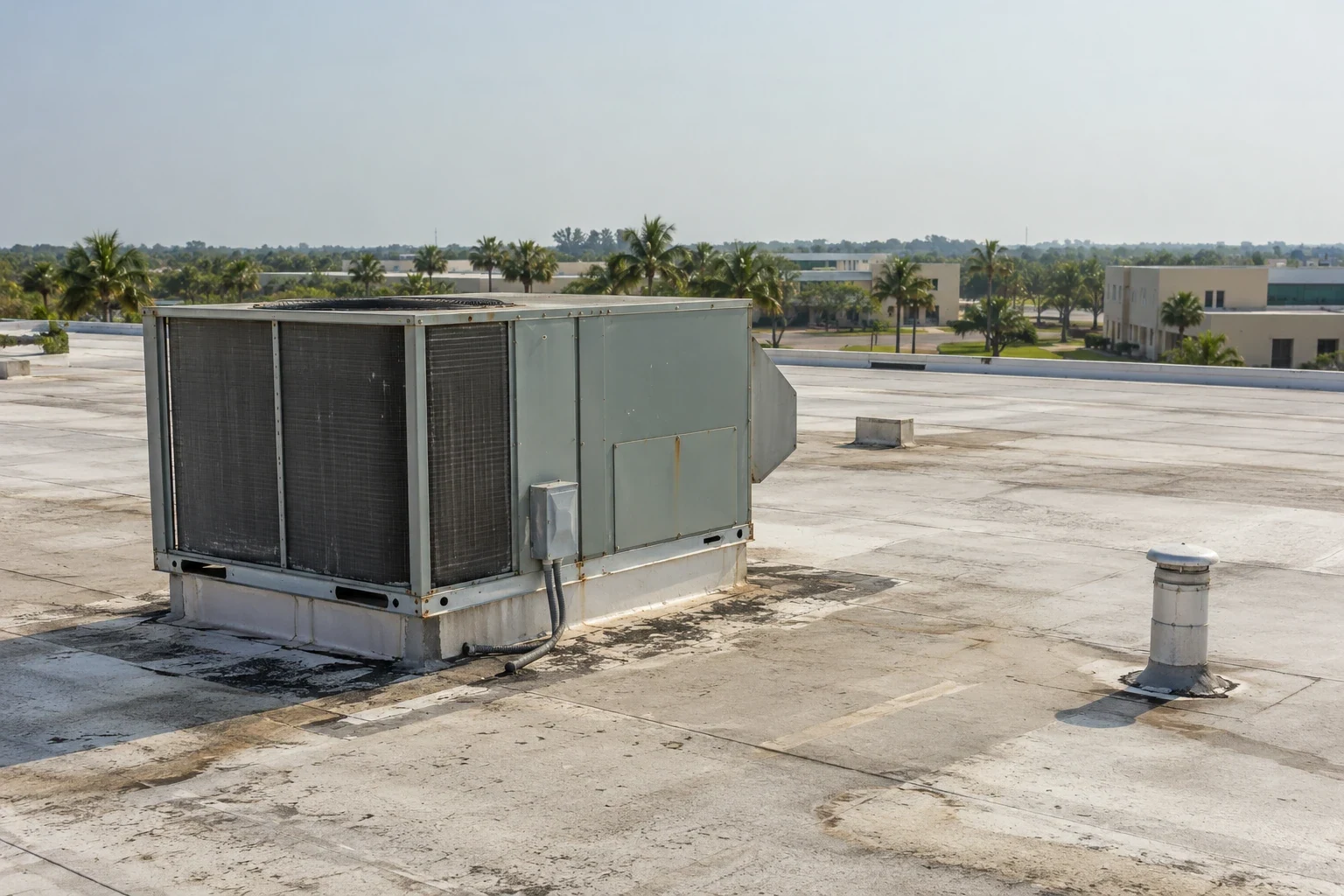
Other roofing services and buildings we handle across Brownsville.
Questions About Commercial Roof Replacement
What should a replacement proposal show before I approve it?
Start with the roof area and removal limit. The proposal should describe deck review, insulation assumptions, the new assembly, flashing, drainage, metal, protection and closeout records. It should also list exclusions and the process for concealed conditions. We can mark those items by section so a property manager can compare the work being purchased.
Can you replace a roof in phases while the building stays open?
A phased sequence can keep selected areas operating, subject to access, weather and safety requirements. We identify loading routes, entrances, equipment and work hours with the facility contact. Each phase needs a secure end-of-day condition and a clear handoff. The Port's freight activity and Sunrise Mall's public uses illustrate different coordination needs, but the address determines the actual plan.
Which roof conditions support a recover instead of tear-off in Brownsville?
The existing layer count, moisture findings, deck condition, drainage and applicable code requirements guide the choice. We document visible conditions and use test openings where authorized to confirm concealed layers. A recover is not suitable merely because the membrane can be covered. If retained materials would trap moisture or violate permitted limits, removal belongs in the proposed scope.
How does Brownsville weather affect the replacement schedule?
Heat can affect safe work periods and product handling, while rain or wind can change when a roof can be opened. Hurricane Hanna brought regional roof damage, so we plan temporary protection and review current conditions as the job progresses. We plan temporary protection, check current conditions and secure any opened area before leaving the roof.