Commercial Roofing at Port of Brownsville Business Park, Brownsville, TX
Schedule commercial roof work at the Port
Port-side roof work begins with an access plan for material staging and the operation before a crew opens a section. We inspect the roof area, record the assembly and identify routes that could affect equipment or deliveries. Port of Brownsville Business Park spans 118 acres and has 17 serviced lots, with Foreign Trade Zone 62 status. We tie each roofing recommendation to the address and roof section, not to the site's acreage.
Send the business-park address, roof plan, access contact and operating schedule. We will document the roof condition and return repair options by area. Call 555-555-5555 or use the form.
Inspect: Map the roof and the operating route
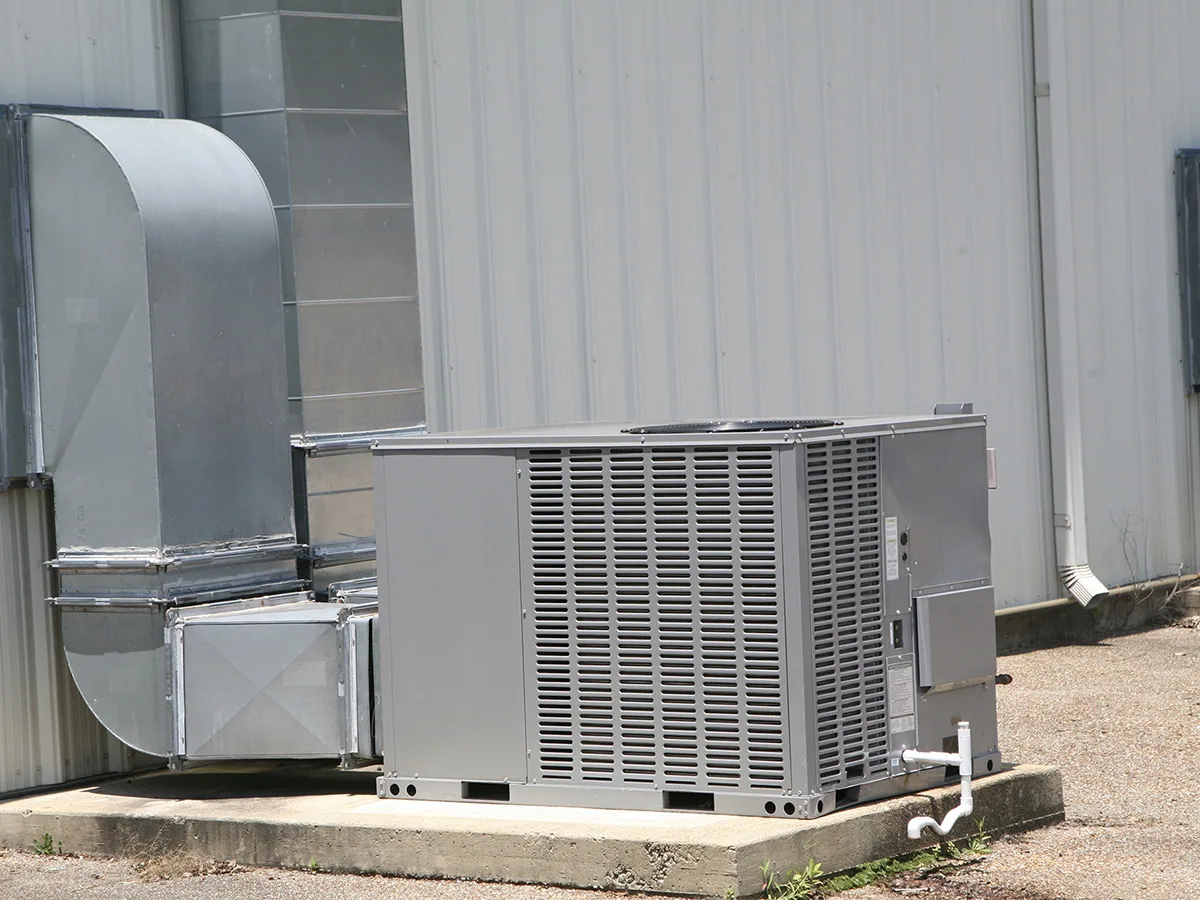
We check membrane or panels where visible, seams, perimeter details, drains, curbs, penetrations and rooftop equipment. The first walk records what is accessible and flags concealed conditions that may require testing. A commercial roof inspection can establish current conditions with tagged photographs. The facility contact identifies gate access, loading windows, lift location, escort rules and a safe route to the roof before the visit. A drain review can include outlets affected by debris or ponding.
The business park connects to USMCA and overweight corridors and three Class I railroads. It also sits at the port turning basin, with access for ocean-going vessels and barge service. These connections make delivery timing relevant to roofing work. We coordinate material arrival and debris removal with the property contact, then state the staging assumptions in the scope. For each address, we confirm roof entry, dock windows and work hours with the facility contact.
After a weather report, we check the building's accessible edges, seams, flashing and drains, then record present conditions, areas reached and temporary protection. The owner can use that dated baseline to approve repair by roof zone. A storm-damage inspection separates temporary protection from permanent repairs and shows which roof areas were reached.
Record: Keep each repair tied to its lot
Tagged photographs show the close detail and the wider roof zone. The report notes visible openings, loose edges, ponding, prior patches and any area hidden by equipment. A stain inside the building is recorded separately from the roof location until the path is confirmed. If a deck or insulation layer cannot be seen, we identify a test opening and restoration method for approval before removal.
A prolonged hot season makes roof access and daily sealing decisions worth recording across the port property. Heat affects safe inspection hours and the time available to prepare a surface or close a roof section. We log the visit date, working conditions and any schedule change that affects protection. The recommendation still follows the inspected assembly, drainage path and site operation.
A roof condition report can preserve the initial observation, approved scope and final photographs under a stable roof-area label. That record helps a facility contact distinguish a completed patch from a section that remains under review. If the property has multiple buildings, each address gets separate findings even when the same service window covers more than one lot.
Options: Repair, restore or replace the confirmed area
A localized opening may call for a compatible patch, new flashing or a reset edge detail. A wider deterioration pattern may require removal, replacement or a designed recover. We compare the existing layers, moisture, attachment and substrate before describing options. The proposal lists materials, roof areas, preparation, tie-ins and exclusions so the owner can compare defined work rather than a general system label.
At an operating port property, schedule and access can drive cost as much as the repair detail. We identify delivery restrictions, crane or lift needs, roof access, temporary protection and any operational hold point. Brownsville's industrial economy includes shipbuilding, steel fabrication, food processing and energy; that context supports careful coordination, while the facility contact provides the specific site's safety and production requirements.
A second location in the Greater Brownsville Tech District may have a separate gate, roof configuration and work calendar. A Port of Brownsville roof inspection likewise begins with that property's address and access contact. We keep each building's photos, quantities and approvals separate when owners manage more than one location.
Repair: Protect active operations during roof work
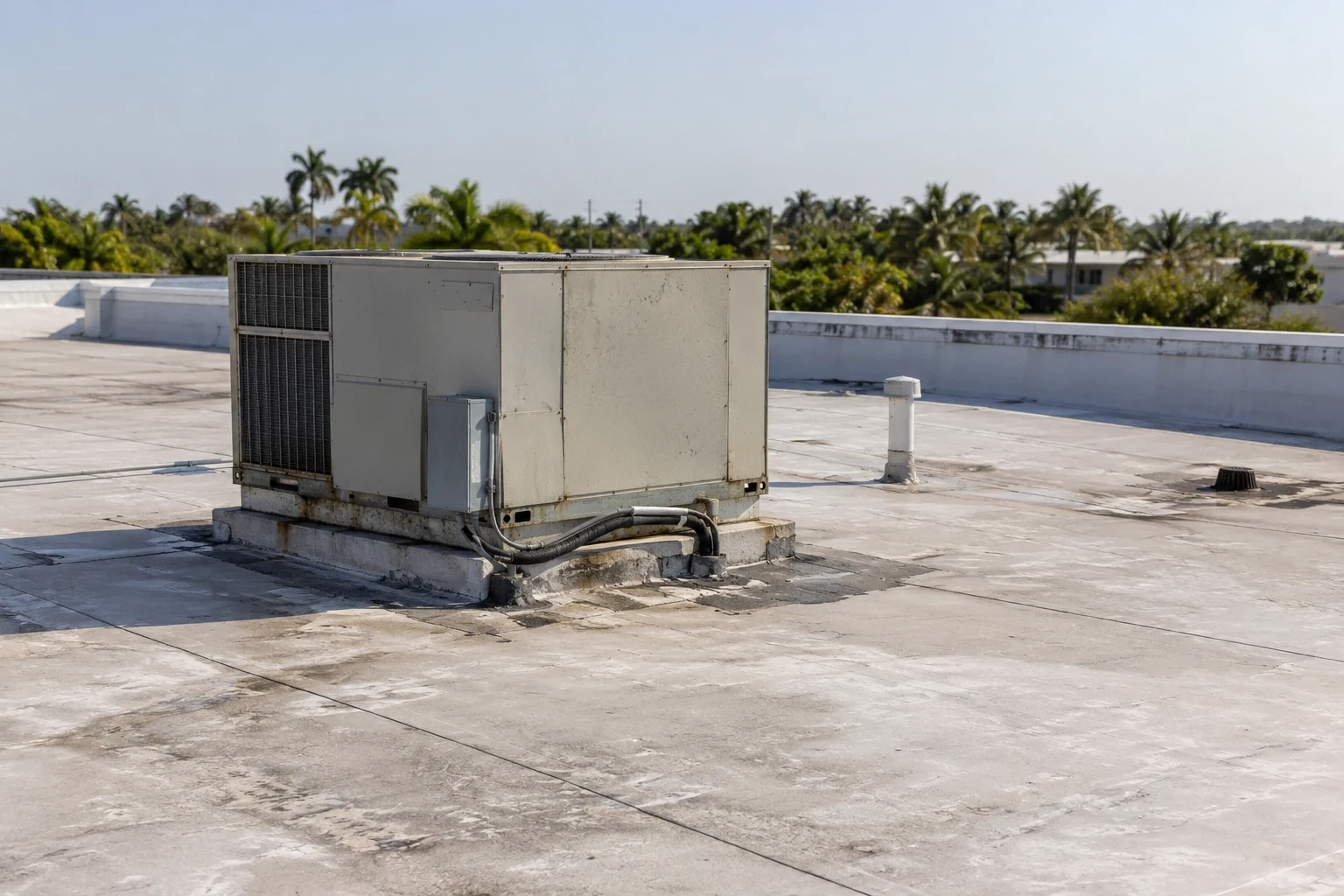
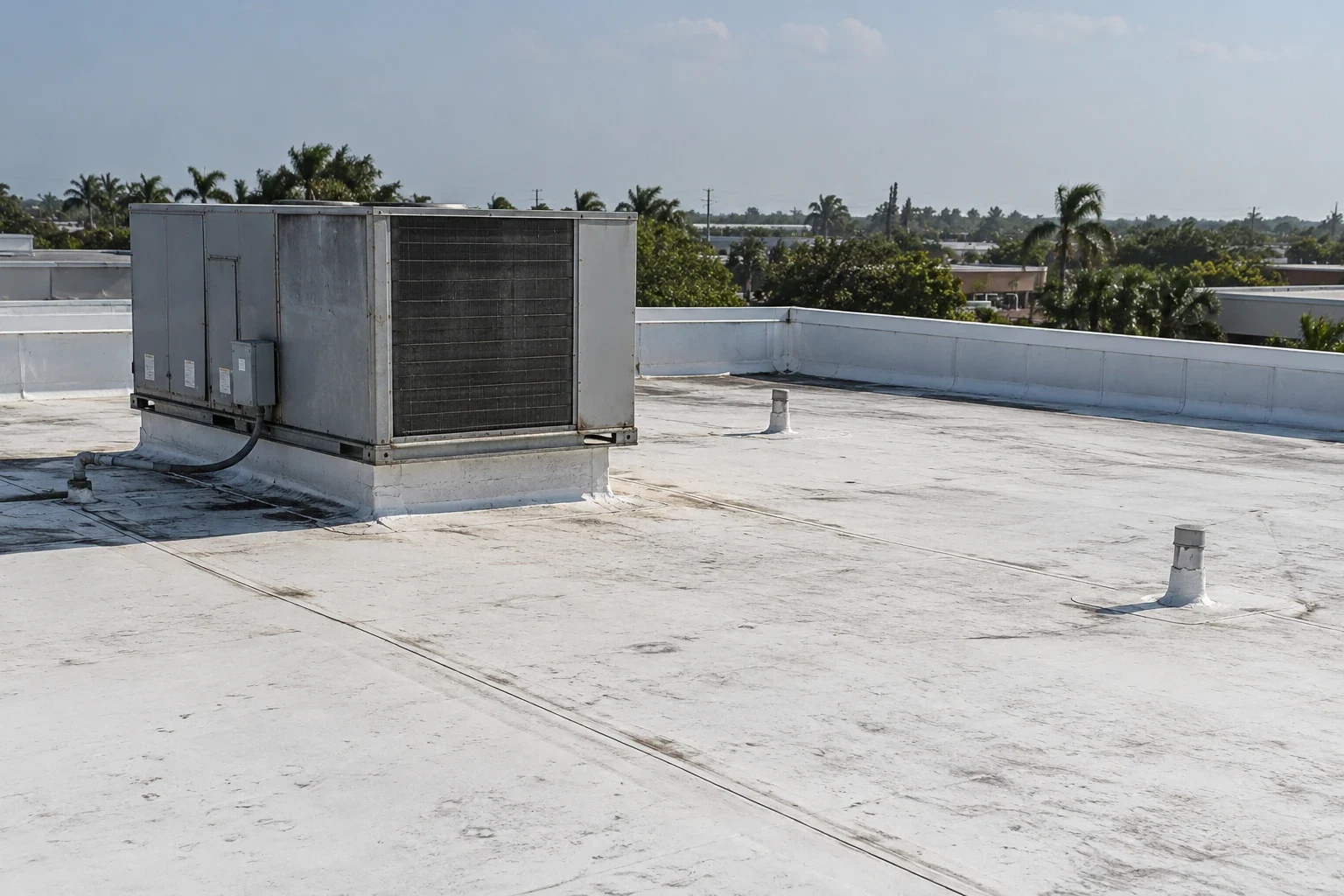
Work starts with a defined roof zone and a plan for removing material, securing the opening and closing it before the shift ends. Curbs, equipment lines, drains and roof edges may need trade coordination. If a concealed condition appears during removal, the foreman records the exposed layer and requests a scope decision before covering it. Added work waits for recorded direction.
A leak can be reported outside normal business hours; temporary protection and return-visit needs are entered in the site record. Temporary protection is documented separately from the permanent repair, with the covered area, remaining exposure and next action stated. A port operation may require revised access or delivery timing after an urgent call. The facility contact confirms current restrictions so stabilization can proceed without obstructing an active route.
Commercial construction in Brownsville goes through city review as applicable, so project permit questions are resolved against the proposed work. The designer confirms applicable requirements for a repair or roof alteration at the property. We follow accepted project documents and raise a field conflict before installing a detail that differs from the approved assembly.
Closeout: Return the facility's roof record
Closeout lists the building and roof section, completed detail, product information, tagged photographs, approved changes and remaining items. If access prevented inspection of a zone, the report names it and identifies the return step. The facility manager can compare the repaired area with later observations and route unresolved work to the right contact. The handoff identifies the next inspection date when testing or access remains open.
Send the Port of Brownsville Business Park address, roof plan, known system, access rules, reported leak area and current operating schedule. Identify the person who can approve testing and added removal. We will return a scope tied to the inspected roof area, with staging, protection and trade dependencies visible before work starts.
Related Roofing Work
Other roofing services and buildings we handle across Brownsville.
Questions About Port of Brownsville Business Park
How is roof work scheduled around port operations?
The property contact supplies gate procedures, loading restrictions, lift locations and work windows. We use those constraints to plan inspection, delivery and roof access, then record any change that affects the section opened.
Do port connections determine the roofing system?
No. Rail, vessel and corridor access inform logistics. The roof assembly, substrate, drainage, building use and project requirements determine which repair or replacement system is suitable.
What do you document after a storm?
We record the address, visit date, roof zones inspected, visible damage, tagged photographs and temporary protection. The report separates observed conditions from concealed layers that need testing.
Can you repair a leak during an after-hours call?
We offer around-the-clock emergency response, including holidays and weekends. The crew documents active entry, stabilizes the authorized area and identifies permanent work for approval.
What should a port-park contact prepare before the roof visit?
Provide the property address, roof plan, access contact, known system, reported leak location and operating limits. Include lift, escort and delivery requirements if they apply to the site.