
Infrared Roof Moisture Survey in Brownsville, TX
Verify the scan before repair
A cool rectangle after sunset may be a place to test, not a moisture finding. In Brownsville, TX, an infrared roof survey maps temperature patterns that can help locate areas for closer review. We record the scan conditions, mark each pattern and recommend confirmation where the roof assembly warrants it. Thermal patterns point to areas worth checking against the visible membrane and any authorized test. A test opening or other approved method is needed to verify concealed moisture.
The owner receives a location record that can guide sampling, repair planning or a broader inspection. Our hands-on roof inspection can add visible seam, flashing, drainage and penetration findings to the survey.
Send the Brownsville property address, roof plan and reported leak areas. We will map thermal patterns, identify test locations and return a documented follow-up scope. Call 555-555-5555 or use the form.
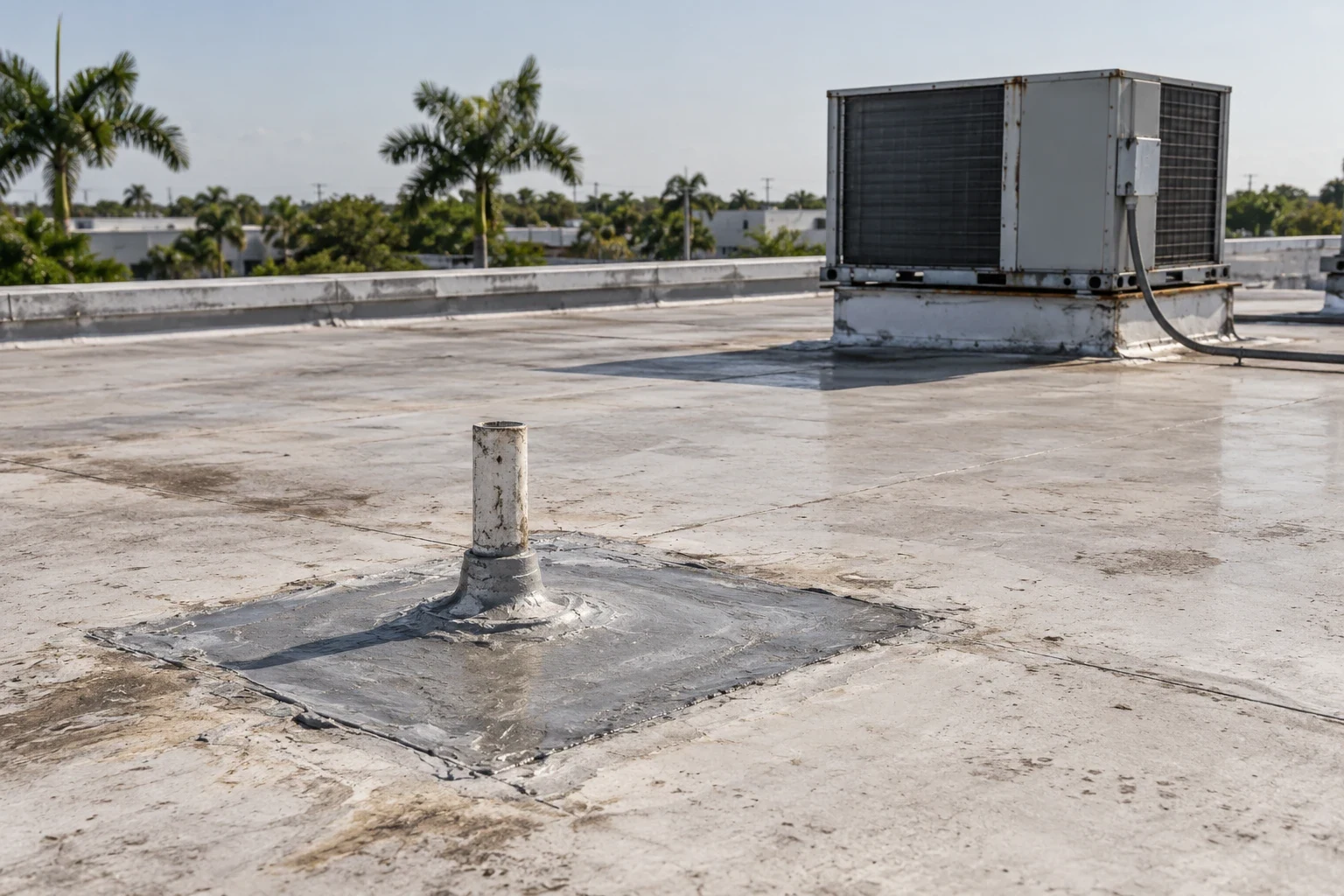
Conditions: Plan the scan window
Thermal contrast depends on roof materials, recent sun, surface moisture, wind, cloud cover and indoor conditions. We review the forecast and property operations before setting a scan time. A wet surface, recent rain or strong wind can reduce the usefulness of an image. If conditions are not suitable, we document that and schedule a better window rather than treating a low-contrast scan as complete.
Brownsville averages about 140 days per year at 90 degrees or warmer, and its climate has a long cooling season. Roof temperature changes can be pronounced, but heat by itself does not indicate wet insulation. The survey notes the conditions during collection and the pattern seen. We avoid converting a color scale into a claim about moisture without confirmation.
For a large industrial building, we divide the roof into identifiable zones before scanning. The Paredes Line Road build-to-suit property is listed at 500,000 square feet, an example of why consistent section labels are useful on broad commercial roofs. We identify the assembly and current roof condition from plans and a building-level survey. The address, roof plan and accessible landmarks determine how each scan area is tagged.
Scan: Mark patterns for follow-up
We collect thermal and visible-light images across the approved roof areas. For a surface-level comparison, drone roof imaging can provide additional labeled views. A matching visual image helps locate the pattern on the roof. The report labels each marked area and notes whether the appearance repeats across a field, follows a seam or sits near a penetration or drain. The pattern guides inspection. It does not identify the material below the membrane or show how far a concealed condition extends.
We also review the surface from accessible areas. Patches, open seams, ponding, damaged flashing and debris may explain why a location merits testing. That context helps decide whether a core sample, hands-on inspection or maintenance action is the next useful step. We do not recommend cutting the roof without identifying the test location and securing owner approval.
The Greater Brownsville Tech District fronts SH 550 and has rail potential for industrial use. At a facility with loading activity, the site contact can identify roof access and test-opening constraints before the survey. We tie all findings to the actual building and record deferred or inaccessible areas.
Verify: Test selected locations
A thermal anomaly can have causes other than moisture, including different materials, shading, repairs or rooftop equipment. We review the image with the visible roof and choose test points that can distinguish among those possibilities. A core cut, where authorized, reveals the actual layers at that location. We record whether insulation is wet, dry or otherwise affected and photograph the opening before it is restored.
One sample describes one point. If roof conditions vary, more than one location may be needed to understand the pattern. We identify the sampling boundary and report limitations rather than extending a test result across areas that were not opened. The owner can then approve additional tests, a localized removal or another inspection method.
For an active leak, we compare the thermal map with the reported interior area and roof details. An leak investigation can trace the entry path and define a repair separately. If confirmed wet insulation or a failed seam requires work, the repair scope names the material removal, patch and tie-in.
Decision: Connect findings to a roof plan
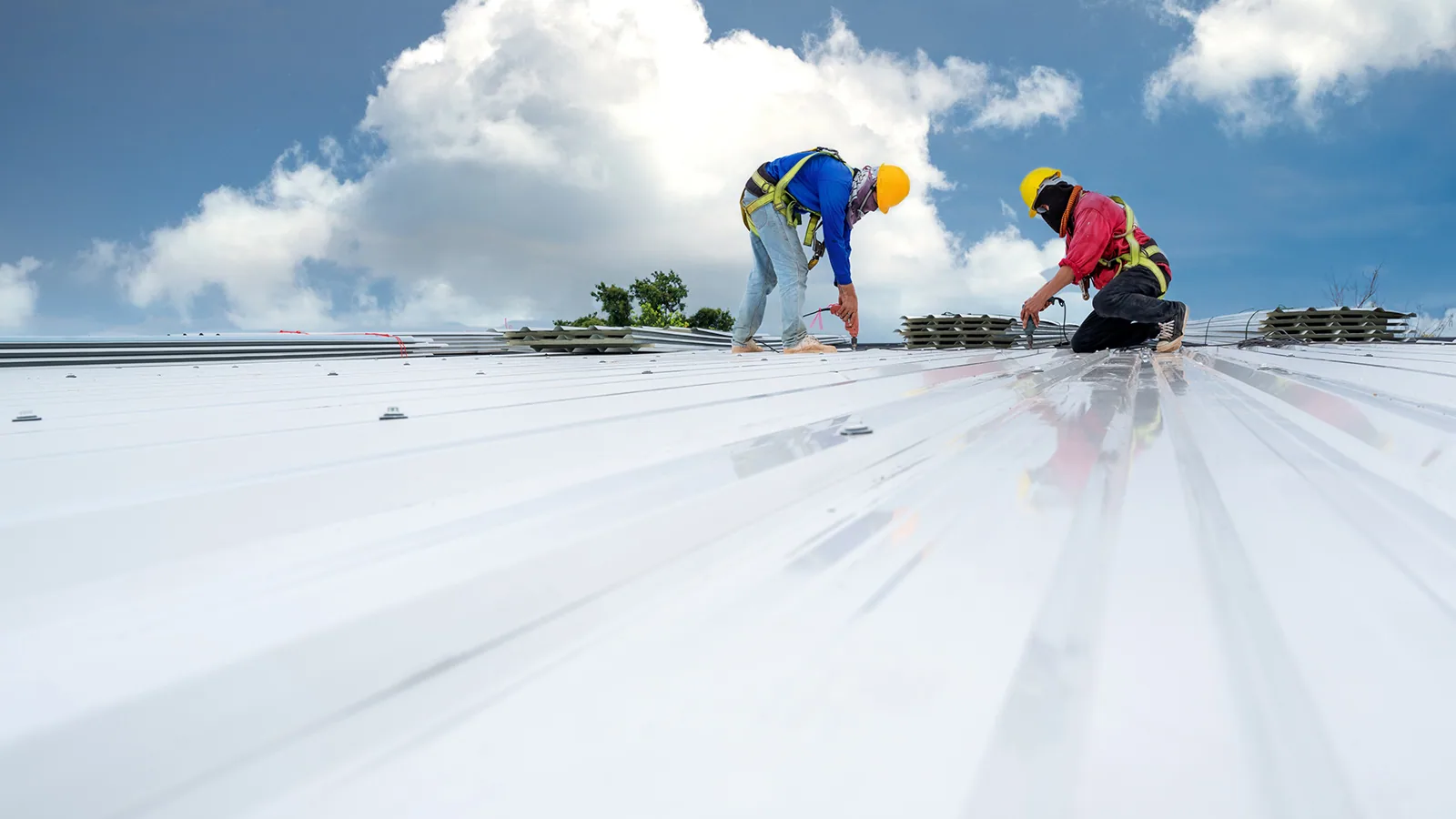
The report separates thermal indications, confirmed test results and visible defects. It includes the scan date, conditions, roof-area labels, image pairs and test locations. Each follow-up item states why it was recommended. This lets a property manager discuss a specific section with the owner and compare a repair proposal with the evidence.
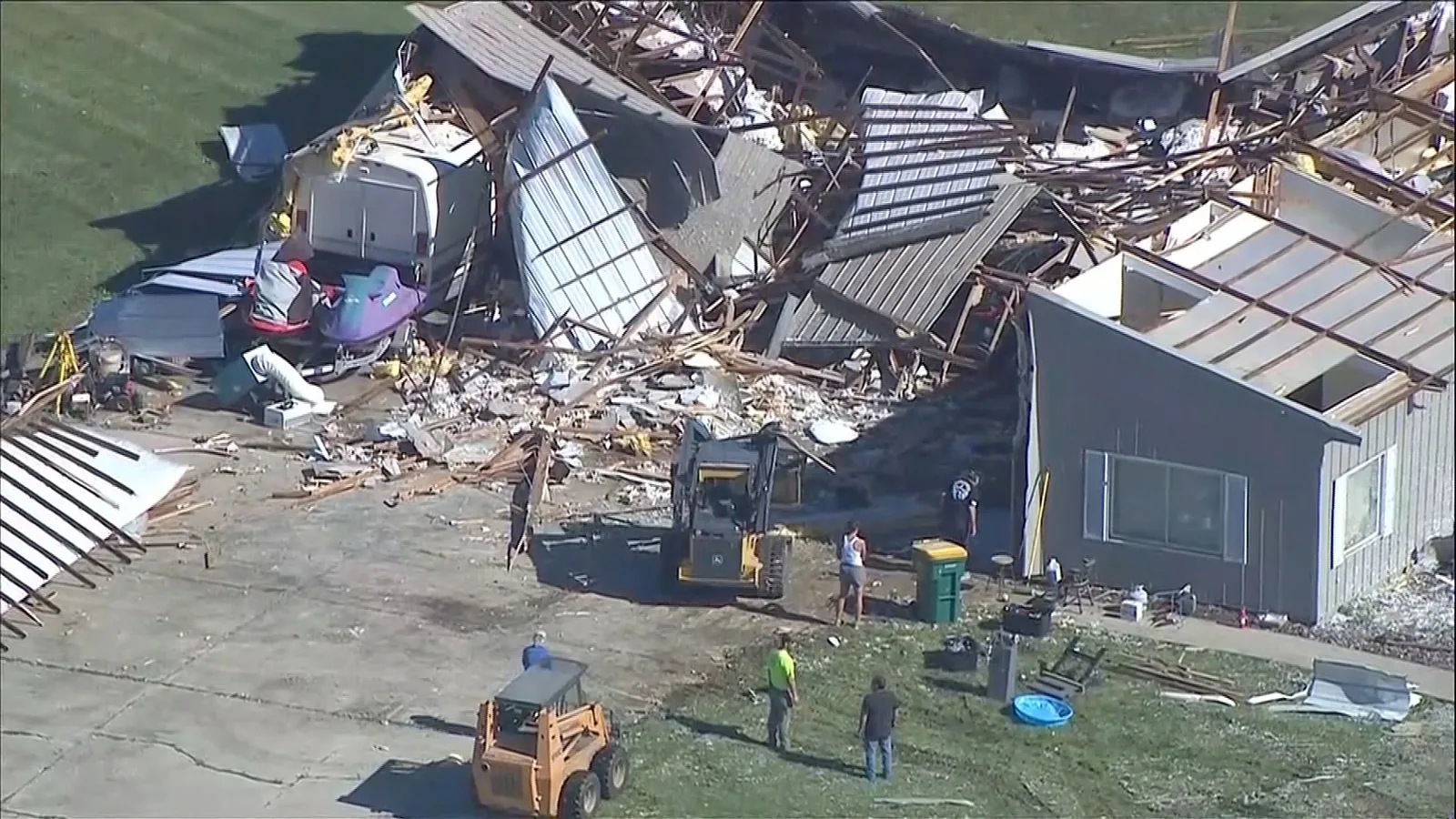
Brownsville's tropical weather can bring heavy rain and wind. Hurricane Hanna caused roof damage in the Rio Grande Valley in 2020. A post-storm survey can help direct attention to roof areas that look different, but current testing determines what is present at the building. We preserve before-and-after images where available and keep storm timing separate from confirmed roof conditions.
If the tested assembly is dry and the thermal pattern has another visible explanation, the report can recommend monitoring or routine maintenance. If testing finds wet insulation, the owner can compare localized removal with a recover assessment or replacement review, subject to layer count, code and drainage. A condition report can keep the scan results and photographs together with future inspection notes.
Handoff: Keep the test record
After a test opening, we document its roof-zone location, observed layers, sample result and restoration. The closeout also names any pattern that remains untested. If later repair work opens another area, the facility manager can compare it with the survey rather than treating the first sample as a whole-roof conclusion.
Share the Brownsville address, roof plan, leak reports and any timing constraints for access. We will review scan conditions, map the areas, recommend confirmation points and return a record that states what the thermal survey did and did not establish.
Related Roofing Work
Other roofing services and buildings we handle across Brownsville.
Questions About Infrared Roof Moisture Survey
Does an infrared survey prove there is water under the membrane?
No. It identifies temperature patterns that may justify closer testing. We compare them with the visible roof and conditions during scanning, then verify selected locations with an approved test opening or other method. The report keeps indications separate from confirmed findings.
When should the roof be scanned?
The scan window depends on roof material, recent weather, sun exposure, wind and indoor conditions. We review those factors before scheduling. Rain or strong wind may reduce contrast or image quality, so the survey can be deferred when conditions would make the results difficult to interpret.
What determines the location and number of test cuts?
The number and location depend on the patterns, roof sections and question being tested. We mark proposed sample points and obtain approval before opening the assembly. Each sample confirms conditions only at its own location. More sampling may be needed if materials or thermal patterns vary across the roof.
What happens if a test finds wet insulation?
We photograph the opening, identify the layers and record the affected material. The next scope defines the removal boundary, replacement material and tie-in. If the extent is uncertain, we identify further sampling or removal for owner approval before broadening the work.