
Commercial Storm Damage Roof Repair in Brownsville, TX
Record the storm condition and repair boundary
A displaced edge or torn membrane needs a field record before the permanent repair is approved. In Brownsville, TX, we photograph the condition, locate the roof section and install temporary protection when authorized. The record separates visible damage from concealed areas that remain unopened. It gives the owner a repair boundary and a specific next decision, rather than treating every roof area as part of the same loss.
Hanna's 2020 passage brought damaging gusts, floodwater and roof impacts to communities across the Rio Grande Valley. A small tornado was documented in Brownsville during that event. Those events make inspection and secure dry-in relevant after current severe weather. At a facility near the Port of Brownsville, the site contact also confirms access and operating constraints before crews arrive.
Send the Brownsville address, building contact and reported condition. We will document the roof, protect active exposure when authorized and return an approved repair scope. Call 555-555-5555 or use the form.
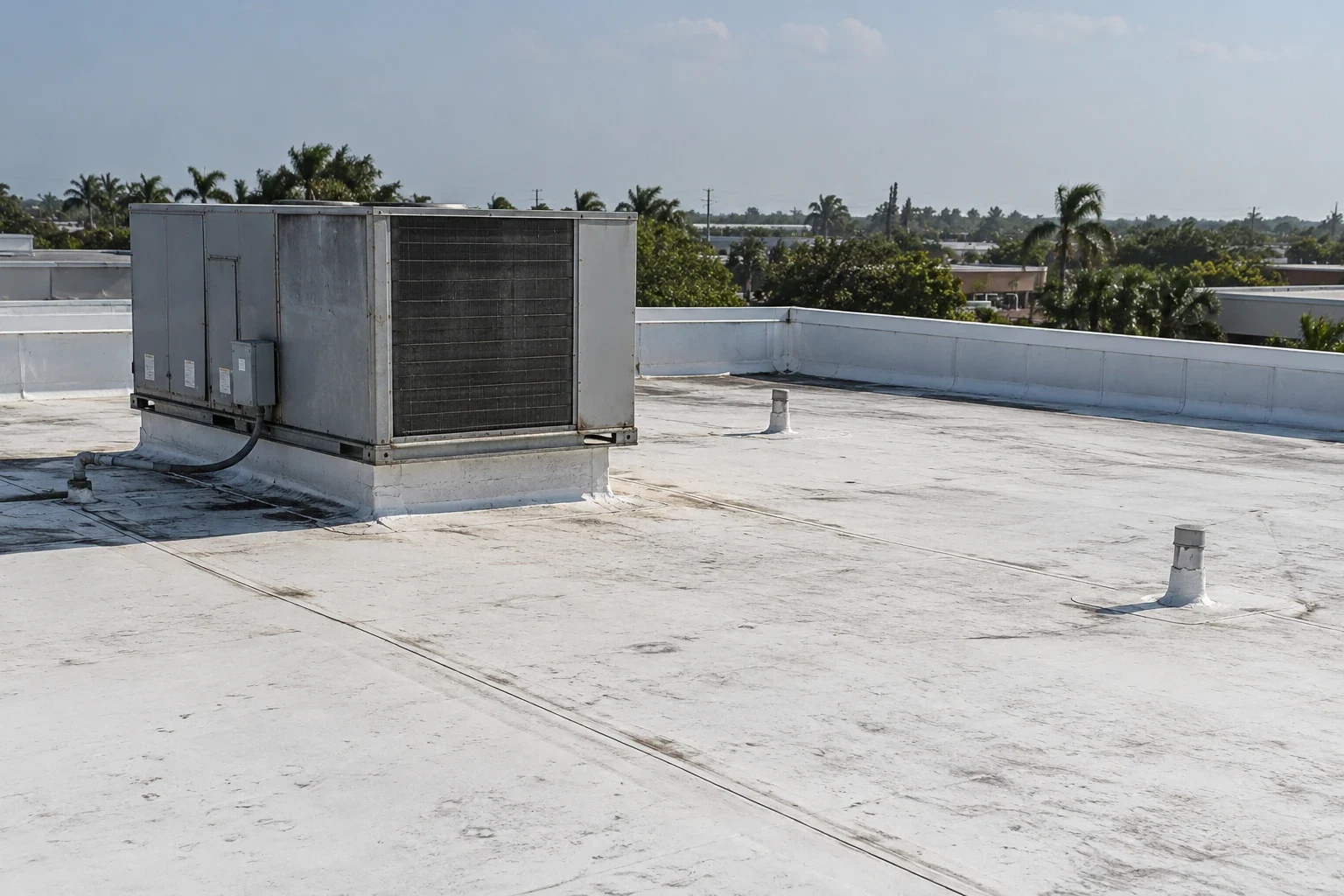
Triage: Make the building safe and dry
We start with the reported interior condition, roof access and any immediate safety issue. The crew checks for loose material, an open seam, displaced flashing, puncture, damaged curb or blocked drainage. We map the opening and nearby water path, then protect exposed materials and contents below with the facility contact. If water is active, a temporary cover or localized containment can limit further exposure while the owner decides on permanent work.
For active exposure in Brownsville, crews can respond at night, through weekends and on holidays. A call record names the time, reported location, action taken and roof section protected. Temporary work is identified separately from a permanent repair. A 24-hour roof response can stabilize the opening; a later repair scope can define removal, replacement material and tie-in details after inspection.
We do not open more roof than the crew can secure at the end of the shift. If wind or rain conditions prevent safe work, we record that limit and arrange the next safe return. The building contact receives the location and temporary condition left in place.
Record: Tag the damage to a roof location
A close image shows the split, lifted edge or puncture. A wider image ties it to a drain, curb, parapet, grid line or roof edge. Each photograph carries a tag for building, section, date and direction of view. We note visible displacement, impact marks, water entry, damaged interior finishes and any earlier patch that affects the repair boundary. If a detail is concealed or inaccessible, the record names what could not be inspected.
Brownsville's storm history includes Hurricane Allen, whose damaging tornado struck the city, and a 2010 tornado track that passed through Port Isabel and Los Fresnos toward Brownsville. Dolly's 2008 passage left roofs and other buildings damaged across the lower Valley. That history supports a pre-season check of current edge attachment and securement; each repair estimate still follows the condition found at its address.
A hands-on roof inspection can map visible conditions and identify testing needs. If the owner wants a record for an insurer or restoration team, a claim documentation package can organize dated photographs, measurements and repair steps.
Repair boundary: Separate visible work from concealed layers
Storm-related water can move beneath the membrane before it appears indoors. A ceiling mark points to an area for review, does not identify the full roof opening. We trace seams, flashing and drainage upslope, then identify the observed defect and how much material must be removed to reach sound attachment. If testing is authorized, the record identifies the exact opening and result. Wet insulation or deck repair is included only when it is observed and named in the approved scope.
Wind may loosen edge metal, lift flashing or stress fasteners without tearing the field membrane. Hail or flying debris may puncture a surface or damage a skylight. We document each type of condition separately because repair material and detail differ. A wind damage review can focus on attachment and perimeter conditions, while a tornado damage assessment records impact and displaced components by roof section.
If removal exposes another layer or a wider wet area, work stops at the agreed limit. We send a tagged photograph and a change request with quantity, material and schedule effect. The owner approves the extension before the area is closed, unless immediate protection is needed to keep water out.
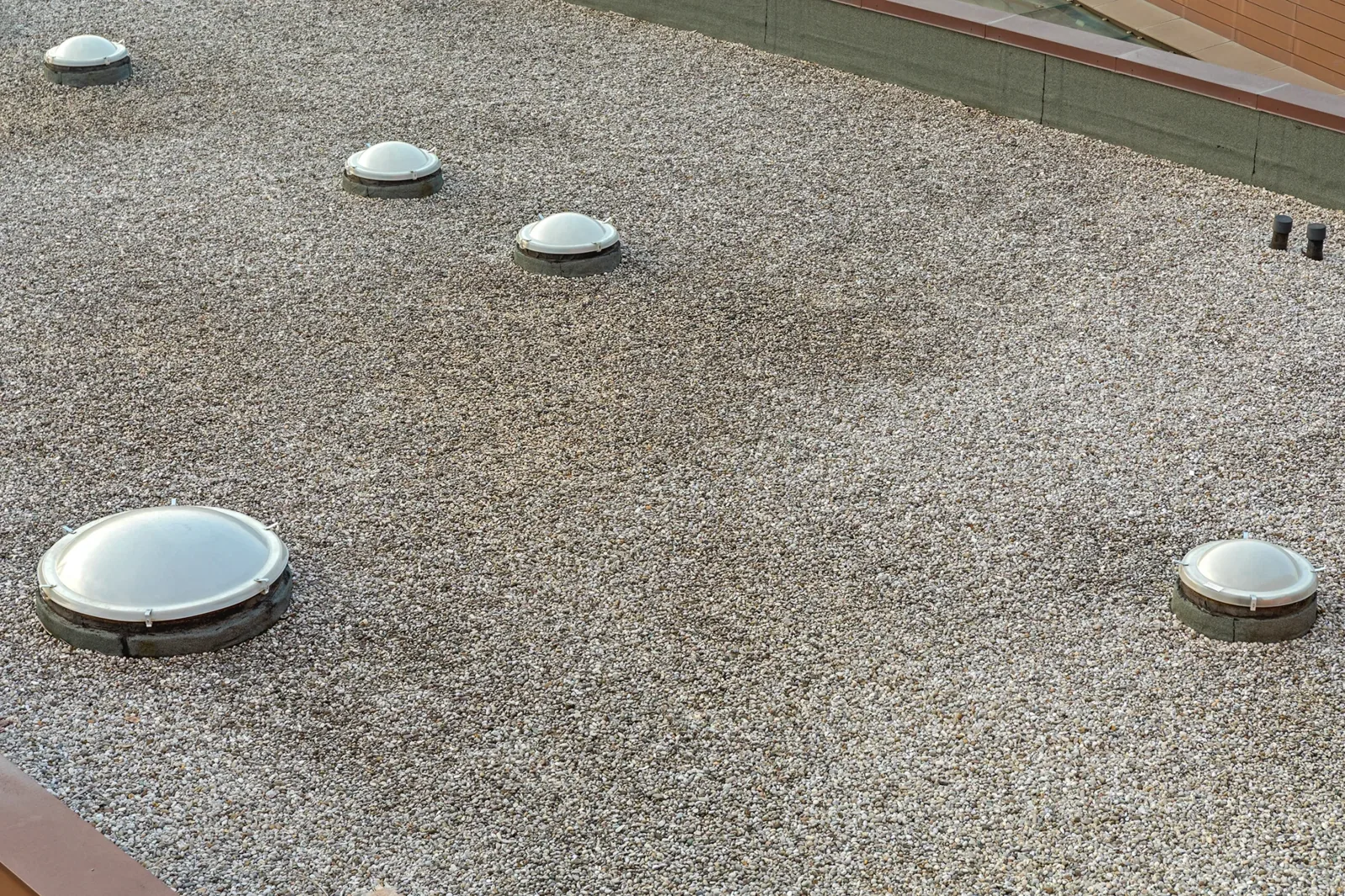
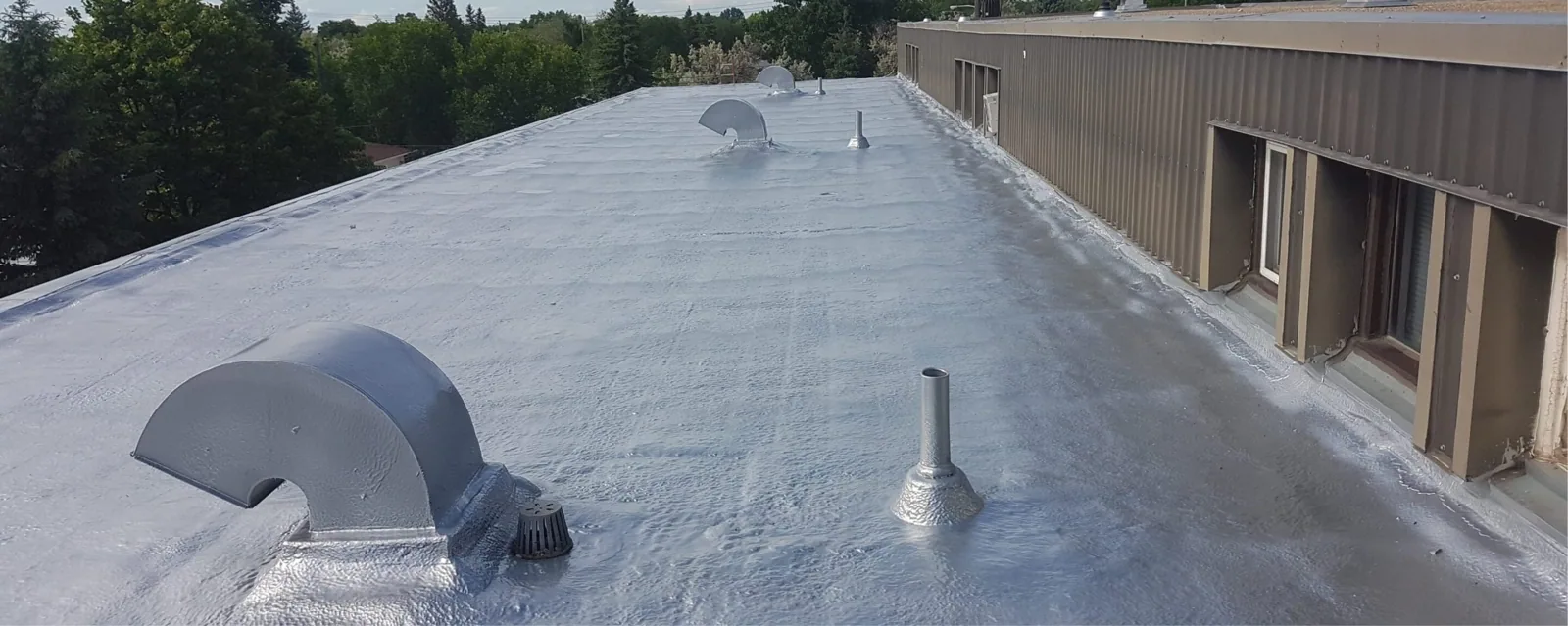
Weather sequence: Close each section before leaving
Normal Brownsville summer highs reach 94 degrees in June, 95 in July and more than 96 in August. The city averages about 140 days annually at or above 90 degrees. Heat changes safe roof hours and material handling, so the work plan sets a start time, protected area and end-of-shift closeout. The crew follows the selected system instructions and checks current conditions before opening material.
Rain and high wind can change the safe sequence. We stage temporary cover, fastening and drain protection before removal begins. The roof area stays small enough to close before the weather window shifts. Drains and scuppers remain clear. A drainage check can identify blockage or a damaged outlet that would complicate dry-in, while a visit in East Brownsville uses the same address-specific condition record.
The facility contact confirms whether production, loading or public access must continue during repairs. At port or industrial properties, vehicle routes and shift schedules can affect staging. We document the agreed work window and the roof section handed back before shift close.
Scope review: Price the repair that the record supports
The written scope lists roof area, removal limit, replacement material, flashing, edge work, drainage, interior protection and testing. Confirmed quantities are separate from allowances for concealed conditions. We state whether access equipment, escorts or a shutdown are required. If several defects are found, the proposal groups work by section and priority so the owner can approve immediate protection without silently adding a full-roof replacement.
Brownsville adopted the 2018 International Building Code, and city staff review commercial plans and permits. A repair may raise questions about permits or details when it affects a larger assembly or structural condition. We describe the roofing scope for the project team to confirm with the permitting authority. The adopted code edition alone does not answer every project-specific design question.
Cost and timing can change with roof assembly, wet materials, deck condition, access, weather, after-hours requirements and disposal. A roof condition report keeps those findings with tagged photographs and open items. The owner can compare a localized repair with a broader scope using the same documented roof sections.
Closeout: Return the event and repair record
The final record includes the reported date, observed conditions, temporary measures, approved scope, materials installed, completed areas and any test performed. Photographs show the repair boundary before and after work. If access or weather delayed a step, we identify what remains open and schedule a return visit. The facility can file those details with maintenance and any active claim.
Send the Brownsville address, building contact, leak location, storm date if known, roof plans and access rules. We will stabilize an active opening when authorized, inspect the affected sections and return a repair scope tied to tagged evidence. The record follows the work from initial protection through final closeout.
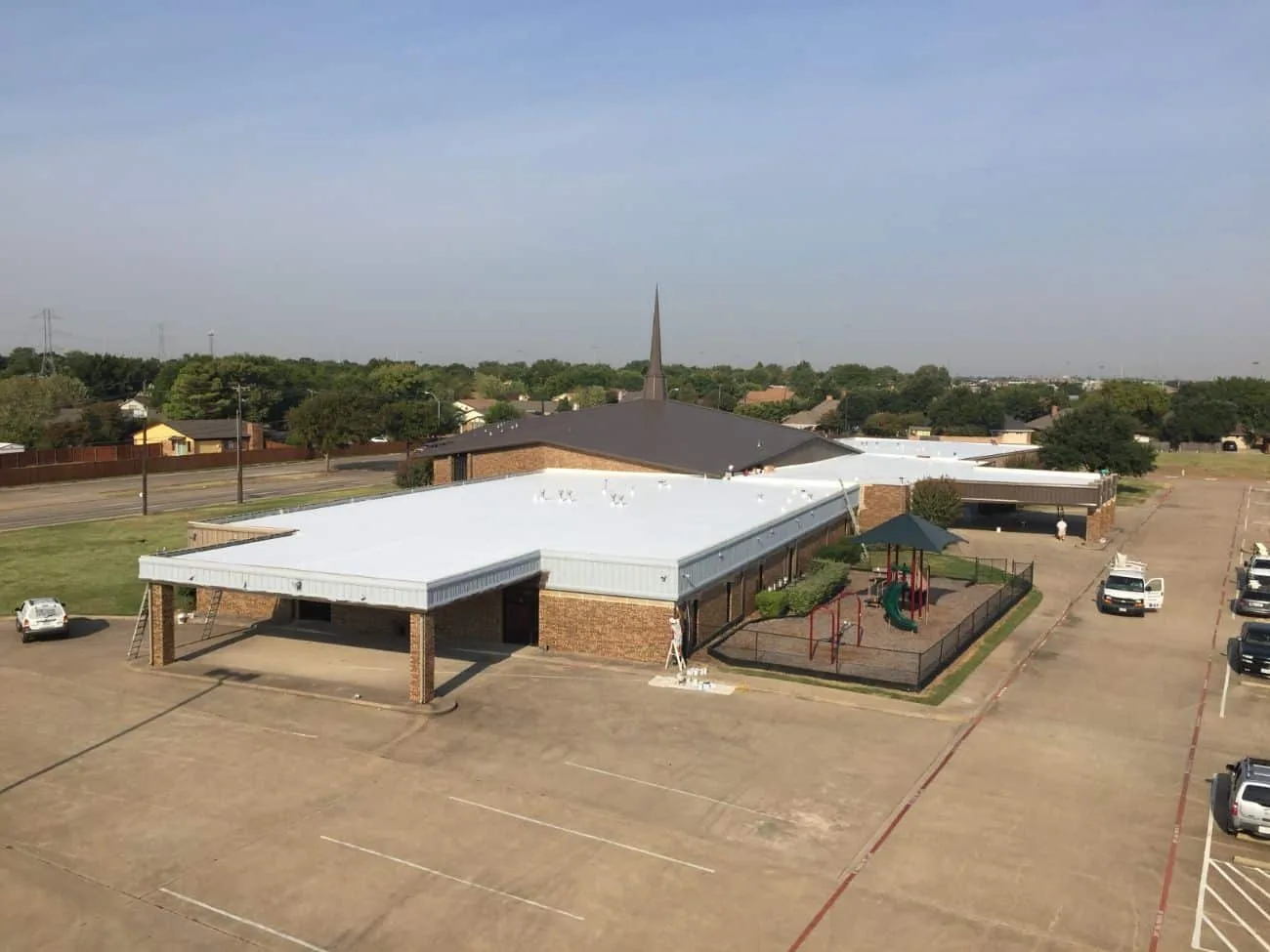
Related Roofing Work
Other roofing services and buildings we handle across Brownsville.
Questions About Commercial Storm Damage Roof Repair
What should a facility do when storm water is entering?
Protect people and equipment below the leak, notify the authorized site contact and report the roof location and time. Our emergency crew can inspect safe areas, install temporary protection and document the action. The permanent repair is scoped after the opening and nearby roof details can be examined.
Does a past hurricane prove that my roof has storm damage?
No. Hurricane Hanna and other events describe regional storm history. We inspect the insured building and record current conditions, event timing and repair needs by roof section. Any area not reached or layer not opened is listed separately from observed damage.
Can you provide documentation for an insurance claim?
Yes. We can return tagged photographs, measurements, a condition narrative, temporary work details and a permanent repair estimate. The record distinguishes observed conditions from testing that was not performed. Claim coverage and settlement remain with the insurer and policyholder.
What happens when storm repairs reveal wet insulation?
The crew records the exposed layer and affected area, secures the roof and sends a change request for approval. The work boundary expands only after the owner directs it, except for immediate steps required to protect the building. The closeout identifies the added work separately from the original scope.