
Roof Systems in Brownsville, TX
A roof-system choice is recorded against the assembly on the building, not a product label alone. In Brownsville, TX, the field record should identify the deck, insulation, membrane or metal, attachment, drainage and edge details before repair or replacement is scoped. Heat is a regular design condition here: normal highs reach 96.3 degrees in August, and Brownsville averages about 140 days each year at or above 90 degrees. That load makes surface condition and drainage part of the system decision.
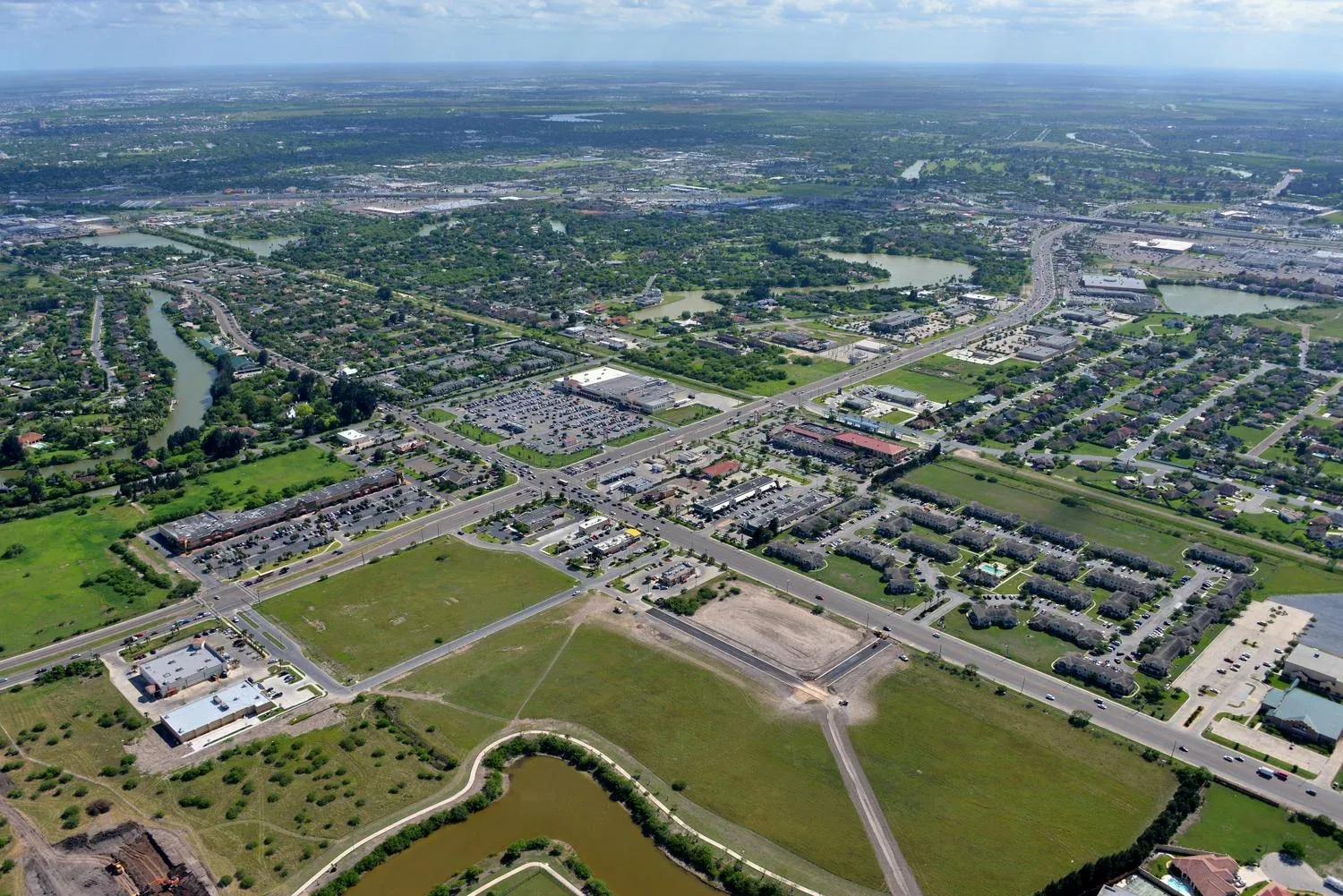
We inspect existing layers and mark what is visible, what needs opening and where a secure tie-in can be made. The Port of Brownsville and the Paredes Line industrial area point to different operating needs, but the roof assembly at each address determines the work.
Roof Systems We Handle in Brownsville
Compare commercial roof membranes, metal assemblies and coatings in Brownsville. We document existing conditions, drainage, attachment and repair limits.
Read the existing assembly
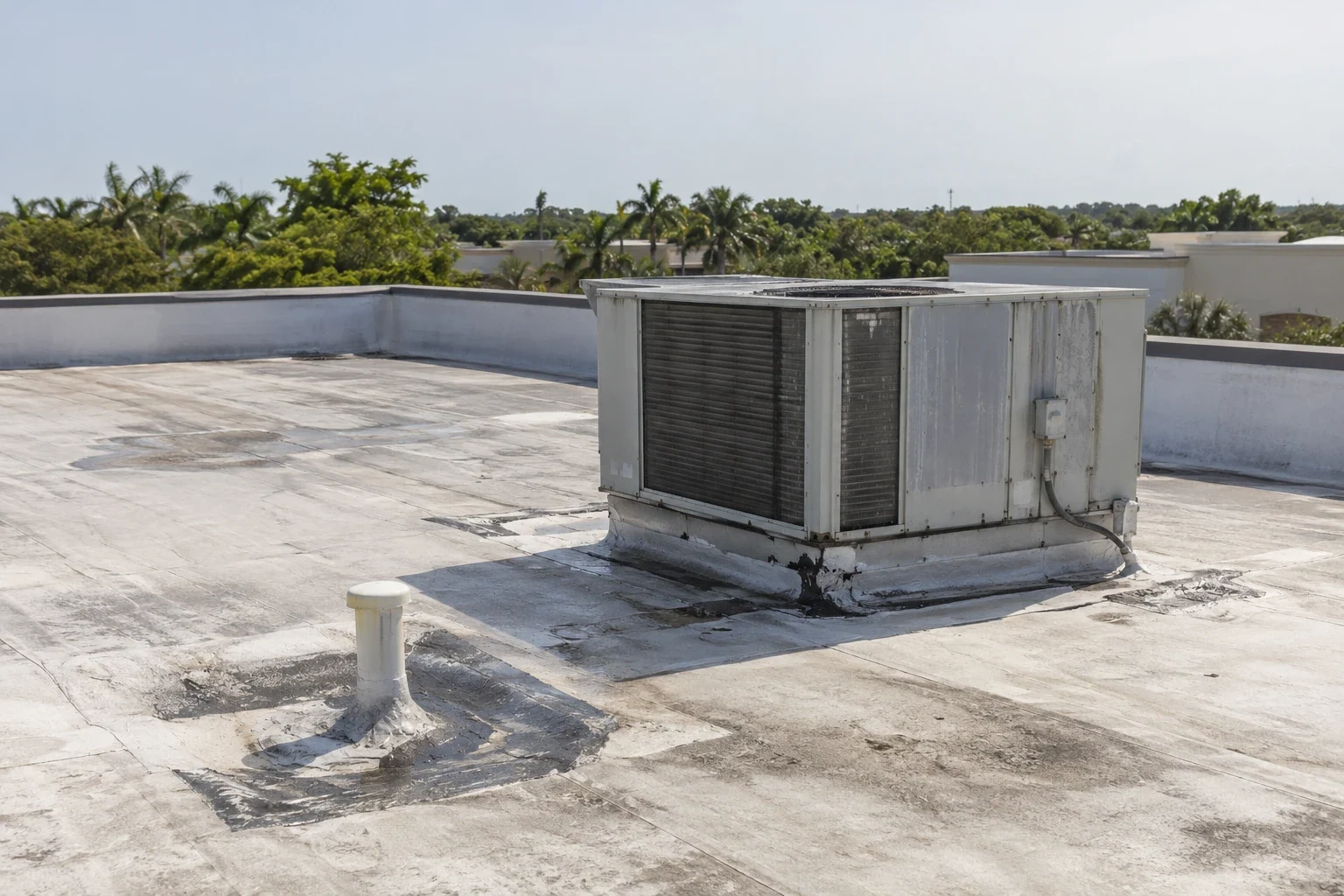
Membrane roofs can look similar from the ground while differing in seam construction, attachment and repair compatibility. We check laps, penetrations, curbs, perimeter metal and water paths, then photograph the condition. TPO, PVC, EPDM and KEE each call for system-specific details. A field report keeps the repair boundary tied to the actual material.
Brownsville's hurricane and tornado history supports careful review of edges and attachment after a reported event. A regional record does not establish what happened at a particular roof; observed conditions and the facility's own records do that work.
Match the repair to the material
Seams, flashing and penetrations often set the repair method. Modified bitumen and built-up roofing have layered details that need compatible patch materials. Metal panels require attention to fasteners, laps, closures and movement. Where an existing assembly remains serviceable, we compare a defined repair with a recover evaluation, subject to moisture, attachment, deck and code conditions.
A coating is a surface restoration scope, not a way to bury wet insulation or unstable material. We check adhesion, drainage and detail transitions before considering silicone or acrylic coatings. Spray foam and retrofit metal have their own substrate and transition requirements.
Plan for weather and operations
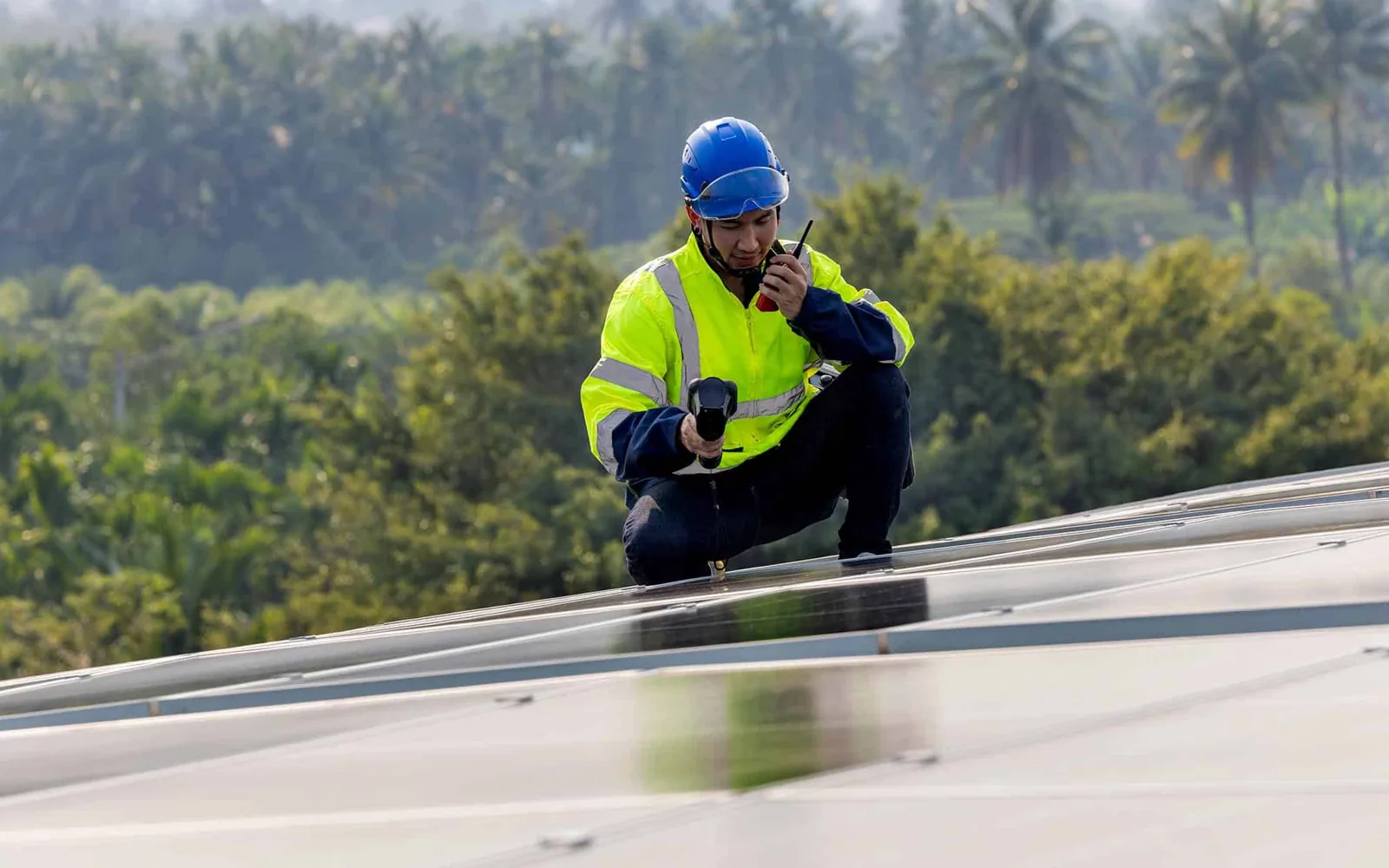
Normal summer heat affects when exposed work can be completed and how much roof area should remain open. Wind and heavy rain are also relevant in the Rio Grande Valley. Hurricane Hanna brought damaging wind and rain across the region in 2020, so after-event inspections document the roof's present condition rather than relying on storm history alone.
At an occupied warehouse, healthcare facility or school, sequencing must account for access, deliveries, entrances and interior activity. We identify each work zone, note temporary protection and coordinate the release of areas with the building contact. The same record helps compare replacement, restoration and repair scopes.
Keep system records useful
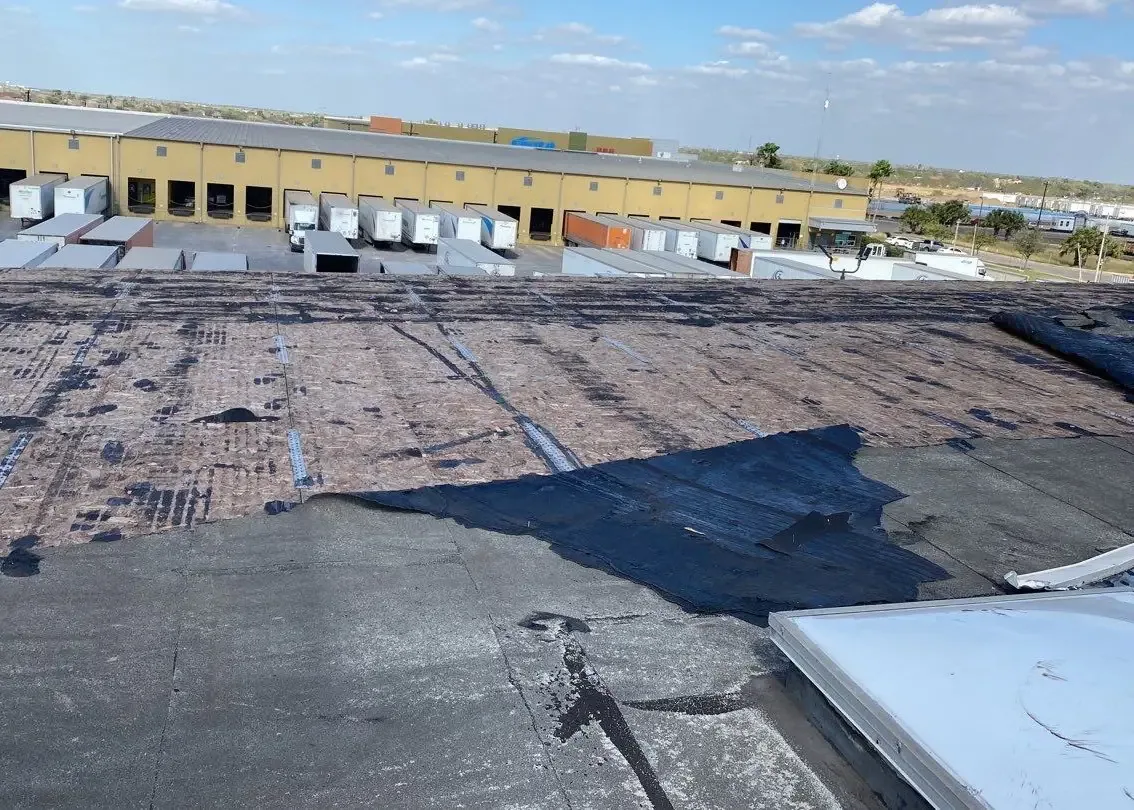
A usable closeout names the system installed or repaired, the location of the work, the materials used and any unresolved condition. Photographs should show the repair boundary and the finished tie-in. For buildings near the port or along Boca Chica Boulevard, an accurate roof record supports later maintenance decisions without assuming that another facility has the same assembly.
For a system review, send the Brownsville address, access contact and reported condition. We will document what can be confirmed and identify the next approval needed.
Request a roof-system review
Send the Brownsville property address and reported roof condition so we can document the existing assembly and repair limits.
Call 555-555-5555 or request a roof assessment.
Roof Systems: Common Questions
Which roof system fits an occupied Brownsville facility?
The existing deck, moisture, drainage, edge details and work hours all affect the choice. We record those conditions before comparing a repair, recover or replacement scope.
Can a coating cover a leaking roof?
Only after the surface and details are suitable. Wet insulation, open seams and unstable flashing need separate correction before a coating is considered.
What must be confirmed before pricing a roof recover?
We identify retained layers, moisture evidence, attachment and substrate condition, then note the test or opening still needed. The estimate separates confirmed quantities from material that may change after removal.
How does a coating scope differ from a membrane repair?
A coating scope depends on compatible surface preparation and a continuous substrate. A membrane repair restores a defined seam or flashing detail; neither option resolves wet insulation without addressing the affected layer.