
Commercial Roof Recover in Brownsville, TX
Confirm the layers before covering them
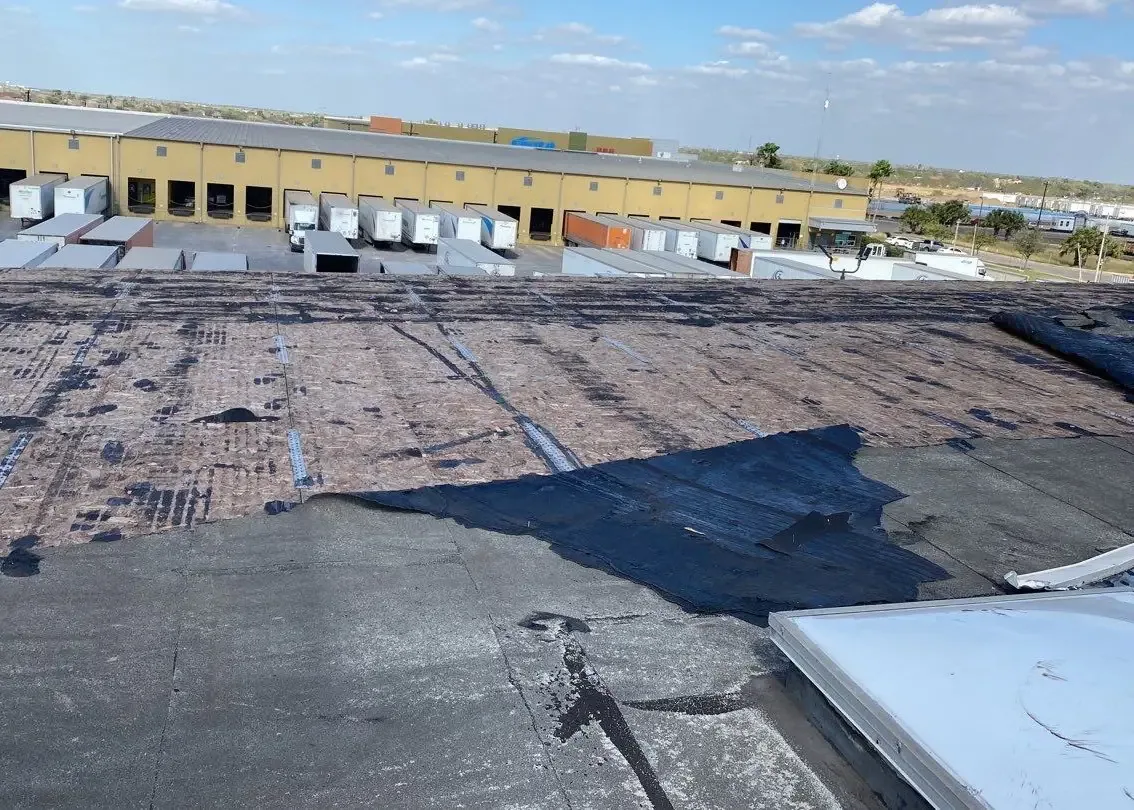
Two existing roof layers need a count before anyone proposes another one. In Brownsville, TX, a recover begins with a field record of the assembly, moisture indicators, drainage and visible deck conditions. The owner needs to know what can remain, what requires testing and what approval is needed before material goes over the roof. We inspect accessible areas, photograph transitions and define where a test opening could confirm a concealed condition.
The decision is practical. Leaving a sound assembly in place can reduce removal and interruption. Covering wet insulation or an unstable deck can carry a hidden failure into the new system. We describe the evidence, then set a repair boundary that the owner can approve. A commercial roof inspection records the seams, edges and test needs that shape a recover decision.
Share the Brownsville building address, roof records and reported symptoms. We will document the assembly, identify needed tests and return a scoped recover recommendation. Call 555-555-5555 or use the form.

Inspect: Count layers and test moisture
We start with the roof history available from the owner, previous reports and visible conditions. Old patches, blistering, displaced metal and soft areas help identify locations for closer review. They do not prove what lies beneath every section. A core cut can identify the layers and let us inspect insulation at a specific point. We document the opening, its location and what the sample shows. Additional test locations may be needed where conditions change across the roof.
Moisture needs a separate finding. A thermal image can flag temperature patterns that merit confirmation, but the image alone does not certify wet insulation. We compare it with surface conditions and, where approved, a core sample. Brownsville averages about 140 days a year at 90°F or warmer, so roof surveys should record heat exposure alongside visible membrane wear and drainage conditions. Moisture status comes from test locations, not seasonal temperatures. The infrared survey and selected test cuts give the owner a documented basis for the next step.
We also inspect drainage. A new layer can change how the surface meets drains, scuppers, curbs and door thresholds. Ponding may point to a slope or obstruction issue. If the existing system holds water or has compressed insulation, a recover may preserve the underlying problem. Our record notes low areas and drainage paths so a proposal can identify correction work instead of implying that the overlay will fix it on its own.
Retain: Decide what can remain
Retention only works when each retained component has a reason to stay. The existing membrane must provide a compatible substrate. The deck needs adequate support. Insulation should be dry and stable where it remains. Perimeter details, penetrations and roof edges must accept the added assembly without leaving poor transitions. If these conditions are not established, we recommend additional inspection or removal within the affected section.
We explain what the inspection confirms and what remains unknown. If several tests show dry, stable materials, that evidence can support retaining those areas, subject to code and design review. If a sample finds wet insulation, we mark the test location and define how far further evaluation should go. A spot result should not be extended across the entire property without evidence. For a facility linked to the Greater Brownsville Tech District, we confirm layer count and roof condition at the property before proposing which materials can remain.
A full tear-off remains an option when retained material would compromise the new roof, when moisture is widespread, or when deck repairs require access. A partial removal may fit when isolated areas have failed and the surrounding assembly is suitable to remain. We mark the boundaries and separate the work, so the owner can compare the recover with a removal proposal on equal terms.
Code: Check the proposed assembly
Brownsville adopted the 2018 International Building Code. The permitted roof covering count and project requirements must be checked against that code, the existing assembly and the authority having jurisdiction. We do not make the decision from a roof photograph or from a generic rule about overlays. The final determination belongs in the project's design and permitting review.
A recover adds components and can affect height, edges, terminations, penetrations and access clearances. We list the proposed layers and identify details that need design confirmation. Where the owner has plan sets or previous permit records, those documents can help verify what is already installed. If a system-specific fastening pattern is selected, the deck and existing roof need to support that attachment. We record the assumption and do not treat a concealed deck as verified until it is inspected.
The Port of Brownsville business park covers 118 acres and is planned for light-to-medium manufacturing, with rail and freight connections. For a recover there, confirm the building's existing assembly and permitting path with the owner and local authority before specifying the new layers. Our replacement scope can be compared with the recover option where test results make removal reasonable.
Scope: Detail the transitions
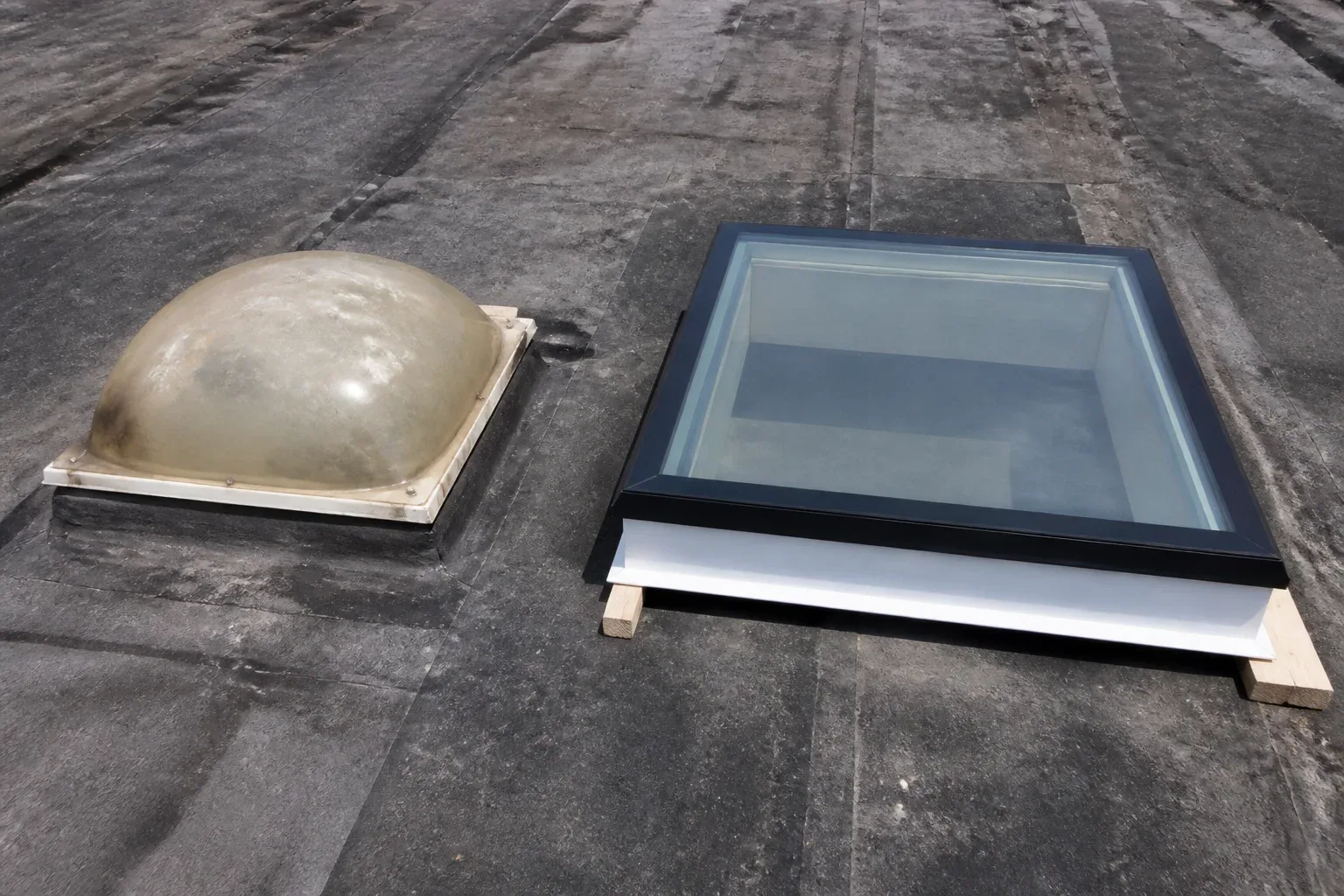
Added height creates work at the edges. Coping, gravel stops, flashing, rooftop equipment, pipe supports and drains may need adjustment. The new system must transition cleanly to walls and penetrations. We note those conditions before pricing so the owner sees whether they are included, excluded or dependent on what removal exposes.
The membrane itself is only one part of the selection. The assembly must be compatible with the retained surface and attachment method. A coating may be an option on some sound roofs, but it is not the same as a recover system. We identify the intended materials and preparation. Where a coating is being considered, a coating restoration assessment can document surface preparation and system fit. If an existing roof contains incompatible layers or uncertain adhesion, a test area can establish whether the proposed bond is suitable.
Wind exposure informs perimeter detailing. Hurricane Dolly caused widespread roof and building damage in the Lower Rio Grande Valley in 2008. For a recover, we inspect current edges, corners and terminations, then specify attachment details for the actual building. An edge and coping review can be included where the existing metal needs correction.
Closeout: Put the decision in writing
The recommendation should state whether a recover is supported, what testing was performed, and what limits remain. It should list the retained layers, moisture findings, drainage corrections, edge details and any code review still needed. We include photographs tied to the roof areas. If the owner approves an overlay, the scope names the materials and sequence. If results point to removal, the alternative is documented with the same level of detail.
Send the address, existing roof records and the condition that raised the question. We can inspect, note where testing will help and return a recover or removal scope for review.
Related Roofing Work
Other roofing services and buildings we handle across Brownsville.
Questions About Commercial Roof Recover
How many existing roof layers can stay under a recover?
The answer requires an inventory of the roof layers and a check against applicable code and project requirements. We use records, test openings and the authority's review rather than estimating from the surface. The written recommendation names the confirmed layers and any condition still requiring removal or further testing.
Will a recover work if some insulation is wet?
Wet or unstable insulation should not be covered as though it were sound. We mark the tested area, evaluate how far the condition may extend and define the removal boundary in the proposed scope. A core sample confirms one location. It does not by itself describe the whole roof.
Does an infrared scan prove that a roof is dry?
No. Thermal patterns help select areas for confirmation. We read them with the roof surface, weather context and test cuts where authorized. The roof condition report separates scan indications from confirmed moisture findings, so the recover decision does not rest on an image alone.
What details can become difficult after adding another roof layer?
Edges, coping, curbs, drains, flashings and equipment clearances can all change with added height. We inspect each transition and show any needed adjustment as a separate task. A recover proposal should state these items before the owner approves the work, including conditions that depend on removal or test results.