
Commercial Roofing in Downtown Brownsville, TX
Request a downtown roof and edge review
A flashing repair in a historic commercial district starts with the existing roof edge and the material it meets. Downtown Brownsville is a National Historic District and historic commercial hub. Market Square revitalization and a facade-improvement program have encouraged new businesses, while redevelopment remains preservation-led. We document roof conditions and their connection to the building before recommending a repair detail, so the owner can coordinate water protection with work on the visible exterior.
Share the address, roof details, business hours and any facade work schedule. We will return observations and roof options tied to the building's existing fabric. Call 555-555-5555 or use the form.
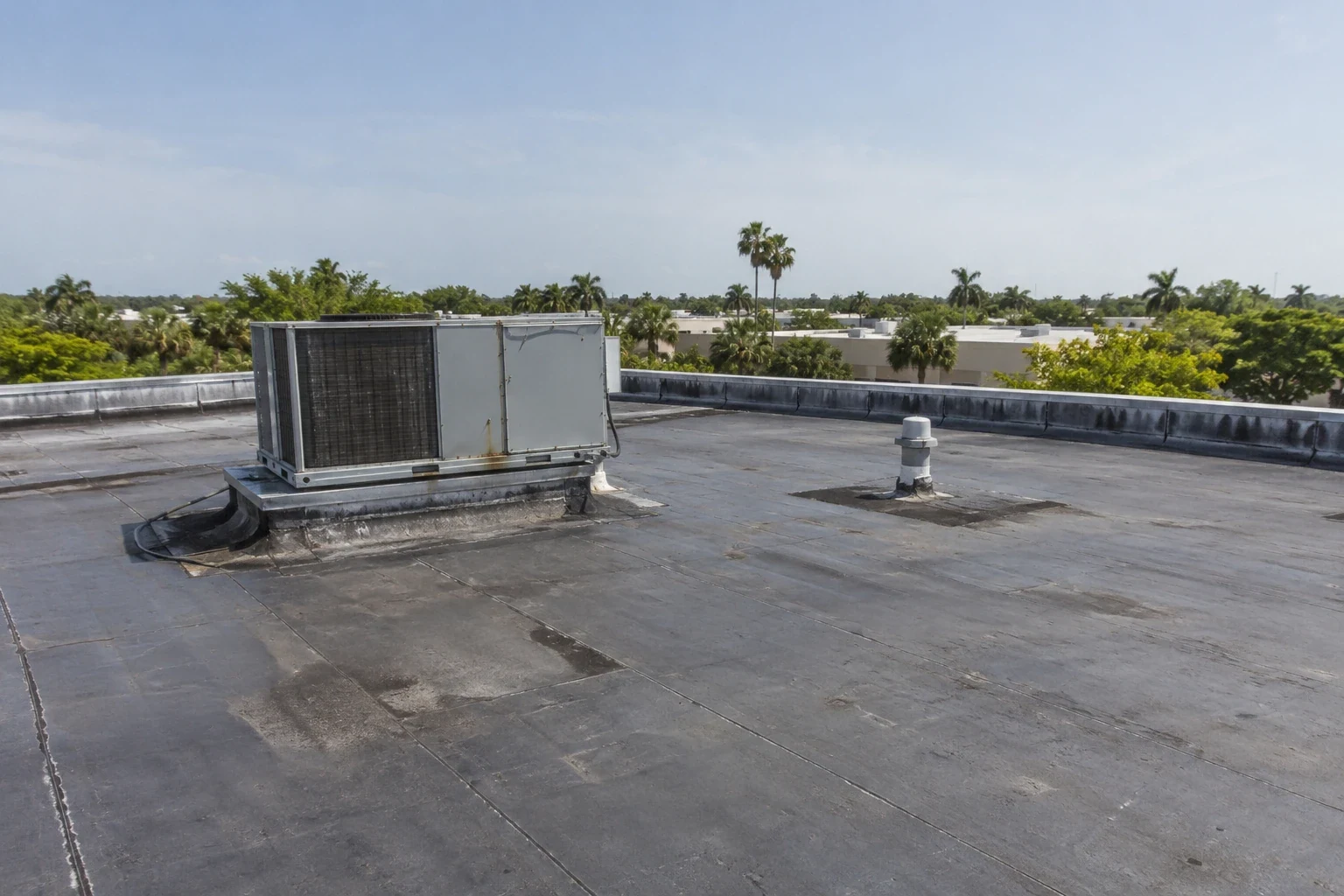
Inspect: Trace the roof edge into the existing fabric
We check accessible seams, parapets, coping, flashing, penetrations, drains and prior repairs. A commercial roof inspection photographs details from close range and ties each one to a roof sketch. In a preservation-led project, the existing edge and wall connection need careful measurement before removal. We record what the roof shows and identify any area where a hidden layer or structural condition needs separate review.
Downtown activity includes established commercial uses and new businesses encouraged by Market Square improvements. The owner confirms tenant hours, storefront access, pedestrian routes and any facade work in progress. If a parapet cap or wall flashing intersects a facade project, we coordinate the interface and identify which contractor controls each detail. That handoff belongs in the scope before the roof is opened.
Hot-season scheduling matters downtown because exposed work must be closed with suitable protection before the crew leaves. Heat affects safe roof access, adhesive installation and the time available for an exposed section. We schedule work by the area that can be protected before the shift ends. For a coating or membrane detail near a facade, we verify substrate condition and keep materials off finished surfaces through handling and cleanup controls.
Record: Keep the intervention measurable
A condition report records the repair area, material observed, measurements and tagged photographs. We mark open seams, membrane splits, loose coping, failed sealant and ponding where present. A wall stain is recorded separately until inspection connects it to the roof. If the water path crosses a parapet or facade joint, we show the connection and define any test opening before expanding a repair into the building envelope.
Historic character does not tell us the assembly behind a roof edge. Plans, existing details and field observation establish whether a tie-in is membrane, metal, masonry or another transition. We preserve that uncertainty in the scope until the detail is visible. A roof condition report can then return the finding, repair boundary, open question and owner approval in a single record.
When water may have moved below the surface, an infrared moisture survey can help target follow-up tests under suitable conditions. We note the method's limits and identify how a test cut will be restored. This lets a downtown owner approve a narrow investigation without committing to broad removal before the concealed condition is understood.
Coordinate: Sequence roof and facade work
Before mobilizing, we confirm building access, business hours, delivery timing, lift location and the route for debris. A sidewalk, entrance or facade work zone may constrain staging; the property contact confirms the active limits. We plan a daily section around those instructions and name any tenant notice or trade handoff needed. If the facade contractor must complete a wall repair first, the roof scope records that sequence and the temporary weather protection.
Market Square and downtown revitalization bring property work into a district with historic commercial identity. An owner can coordinate roofing with facade improvements while keeping roof decisions tied to the existing assembly and approved project details. A nearby Mitte Cultural District property has a different institutional setting, and Boca Chica Boulevard has its own commercial corridor facts. We confirm access and building scope at each address.
For active water entry, emergency response is available 24 hours a day, weekends and holidays included. We document the opening and install authorized temporary cover where conditions permit. If permanent work needs a facade repair or another trade, we state the dependency and return date instead of closing a roof detail against unfinished work.
Options: Protect the building while preserving choices
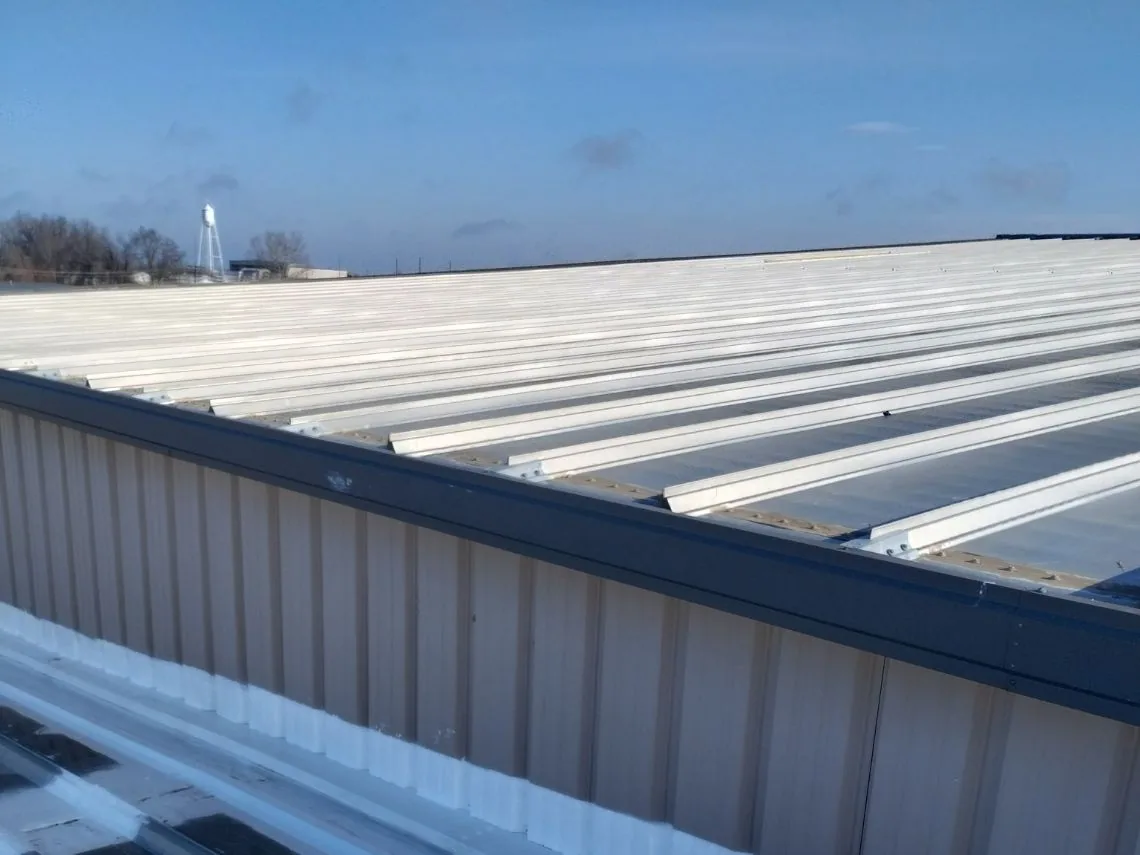
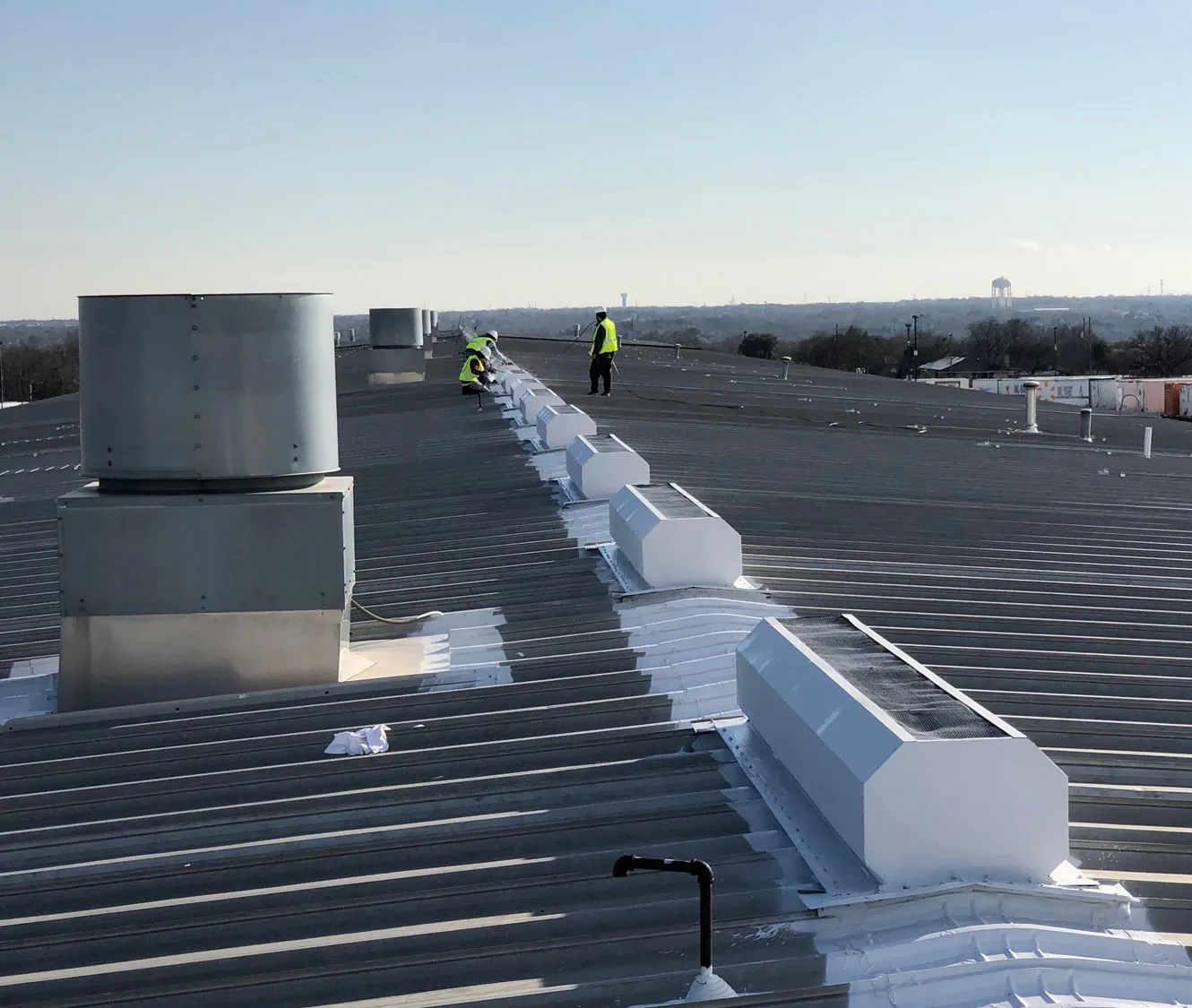
A small opening at flashing or a seam may allow a limited repair. Broad moisture, recurring separation or deterioration at several roof zones may require testing and a larger project. We measure the work area, define the removal edge and tie-in, and list any allowance for concealed conditions. If removal reveals historic material or a detail that differs from available drawings, work pauses until the owner reviews photographs and the proposed next step.
A roof recover evaluation checks the existing assembly, moisture and attachment before another layer is considered. Replacement may be needed where the substrate or transitions cannot support a dependable repair. We identify tear-off extent, deck review, insulation transitions, temporary protection and daily closure. Cost and timing also reflect restricted access, facade sequencing, material lead time and the approval path for the proposed detail.
Brownsville adopted the 2018 International Building Code, and the City's commercial plan-review staff review permits and plans. The project designer confirms requirements for an alteration in the historic district. Our scope identifies roof materials, measurements and interface details for the design review, then follows the approved detail for installation.
Closeout: Return the record with the finished edge
Closeout lists the roof sections repaired, material installed, photographs, approved changes and remaining conditions. It states whether temporary cover was removed and whether facade, masonry or mechanical work remains open. The owner receives the roof-zone labels and inspection notes so a future water report can be compared with the completed detail rather than with a broad description of the historic district.
Send the downtown address, roof plan or existing detail, reported leak, business hours and contact coordinating facade work. We will inspect accessible areas and return a measured repair, recover or replacement scope with trade dependencies and any testing separated for approval.
Related Roofing Work
Other roofing services and buildings we handle across Brownsville.
Questions About Downtown Brownsville
Can you repair a historic roof edge without changing the facade?
We first document the existing edge and the connection between roof and wall. The proposed repair follows the verified assembly and approved project detail; if another trade must prepare the facade or masonry, we state that handoff before closing the roof.
How do you manage work around downtown storefront hours?
The property contact confirms entrances, business hours, delivery windows and sidewalk limits. We schedule staging and debris removal around those conditions and set a daily section that can be protected before the crew leaves.
Does a facade stain prove the roof is leaking?
It identifies an area to investigate, not the source by itself. We compare interior evidence with roof edges, wall joints and nearby penetrations, then recommend a test only if the water path remains unclear.
Should roof work happen before or after facade improvements?
The interface determines the sequence. We inspect the wall-to-roof detail, identify which contractor owns each part and record temporary protection so new work does not cover an unresolved connection.
When is a recover a reasonable option for a downtown building?
A recover may be considered when the existing assembly, moisture and attachment support another layer and the project design permits it. We document test needs and compare that option with replacement based on the roof condition.