Commercial KEE Roofing in Brownsville, TX
Verify the KEE system before authorizing repair
A KEE label narrows the membrane family, but it does not answer whether an old seam will accept a repair. We verify product records, inspect the sheet and detail, then document what the work must include. Brownsville's annual mean temperature is 76.2 degrees, with cooling demand present through the year. For industrial property near the Port and the aviation-oriented Brownsville Aerospace Industrial Park, roof use, access and equipment still need confirmation at the address.
Send the Brownsville address, product documents, roof plan and leak history. We will document membrane condition, compatibility questions and the repair boundary. Call 555-555-5555 or use the form.
Identify the membrane before selecting materials
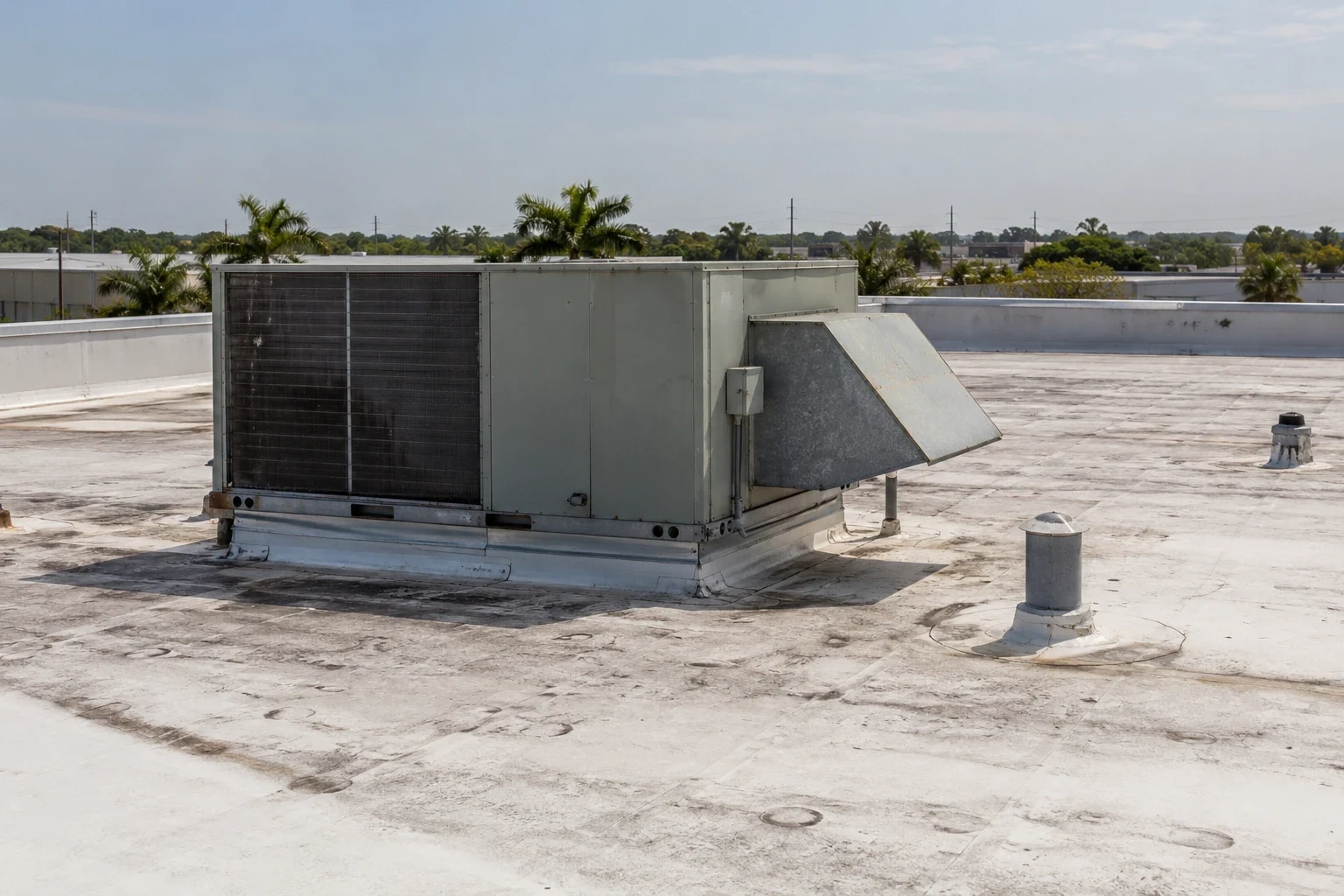
KEE membranes are PVC alloy products. Their seams are thermoplastic and can be heat welded when the existing material, surface and conditions allow it. We identify markings and project records, check sheet thickness and reinforcement where documented, inspect welds and look at prior repairs. If identification remains uncertain, we do not assume an ordinary PVC patch will bond. We record the unknown and recommend a compatibility check or test area before the approved scope is set.
The inspection follows the full detail: field seams, curb corners, pipes, drains, parapets, edge metal and terminations. We look for open welds, punctures, abrasion, pulled attachment and evidence that water has moved below the membrane. Interior reports direct the roof walk, where we trace the stain against seams, flashing, drains and penetrations to locate the entry point. A commercial inspection records accessible conditions, test locations and limits before the owner chooses repair or replacement.
Brownsville's 2020 Hurricane Hanna brought damaging wind and heavy rain to the Rio Grande Valley. Regional impacts support storm readiness but do not prove damage at a named property. After a weather report, we inspect current seams and edges, date the photographs, and separate new observations from maintenance history supplied by the facility. That distinction helps the owner approve the work actually supported by the roof record.
Repair: Weld sound sheet to sound sheet
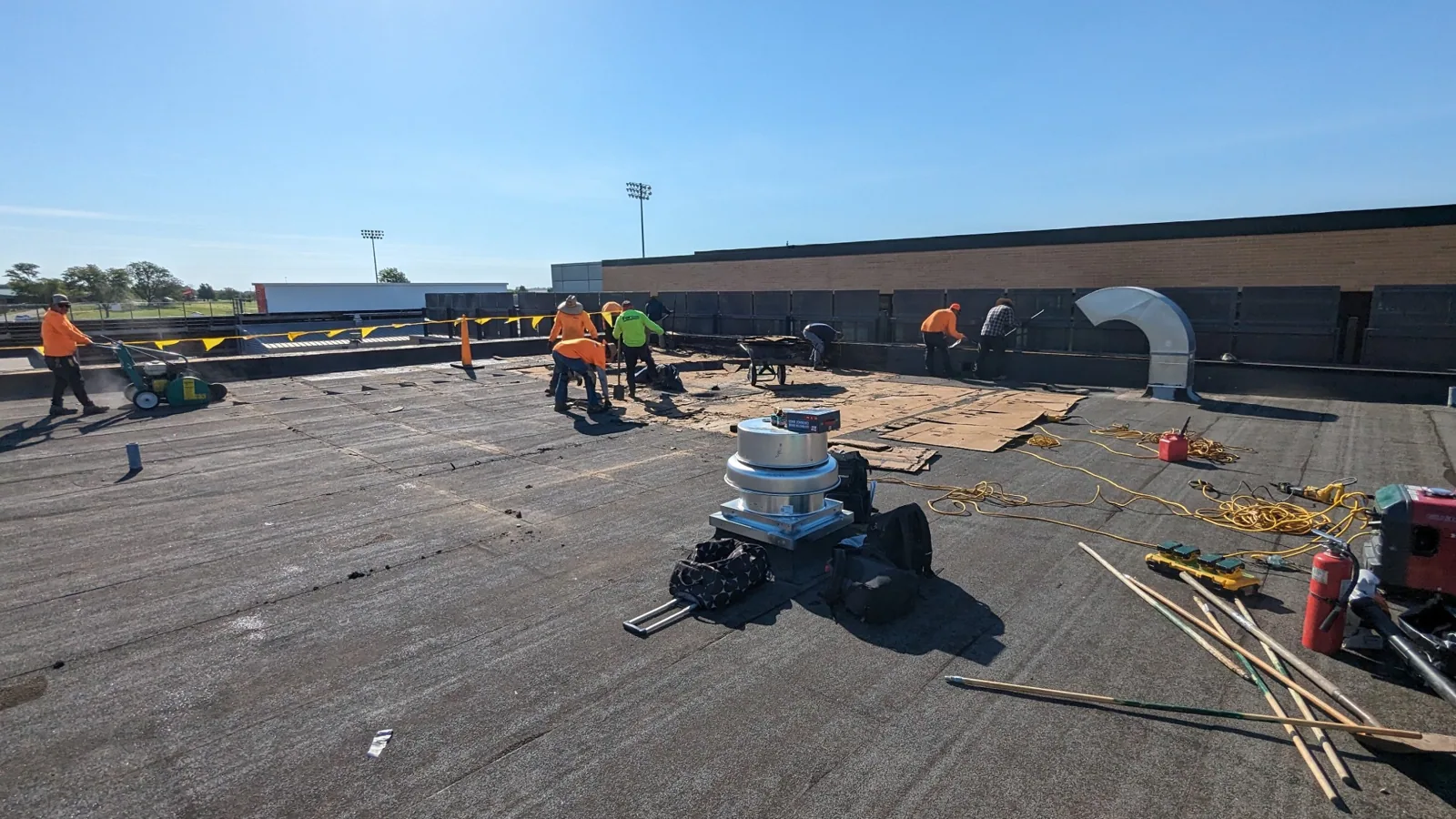
Thermoplastic repair depends on preparation. We clean contamination as the product allows, remove loose or incompatible layers, expose sound membrane and complete a patch or flashing with the specified weld. Weld temperature, speed and pressure must suit the sheet and work conditions. We check the finished edge and record the location. At a curb or drain, we make the transition continuous and terminate it as required, rather than use surface sealant to hide a failed corner.
If moisture is beneath the KEE, the repair boundary may need removal of wet insulation or cover board. We identify test openings and obtain approval before exposing concealed layers. The opening is photographed and quantities are reviewed before work expands. A recurring leak may also involve deck movement, attachment or an adjoining metal detail. The owner receives separate observations for each element. A repair scope identifies included material, preparation, exclusions and any return visit.
Brownsville's heat changes the safe work window. Surface temperature, wind, dust and moisture can affect a weld. We follow system instructions, use a test weld where appropriate and protect exposed layers if conditions shift. For active water entry, response is available outside regular hours, including weekends and holidays. Temporary cover receives its own location and follow-up record so the facility knows whether permanent KEE work remains pending.
Compare KEE with PVC and other options
KEE and standard PVC roofing share a thermoplastic seam process, but the specific products and application documents govern performance and repair compatibility. TPO is another heat-welded membrane, with different formulation and system requirements. We compare the assemblies, not just the acronyms: attachment, substrate, insulation, cover board, drainage, perimeter and equipment interfaces all matter.
A recover may be possible only if the existing layer, moisture condition, attachment and applicable project requirements permit it. Replacement planning identifies removal depth, deck review, new insulation, edge details and product approvals. Brownsville's commercial plan review runs through its city building division. The design team confirms the applicable code, wind criteria and product approvals for the actual property. We prepare the roofing submittals for the selected assembly and resolve conflicts before material is installed.
Project cost changes with access, number of penetrations, removal, test findings, metal edges and staging. A high-equipment roof takes more detail work than a clear field. We list those quantities and assumptions so ownership can compare repair, recover and replacement on a consistent basis. Lead time, occupied operations and material availability can also shift the planned date, so those assumptions belong in the approval record. If concealed damage appears, the scope states who can approve added work and how temporary protection remains in place while that decision is made.
Record the system and future service points
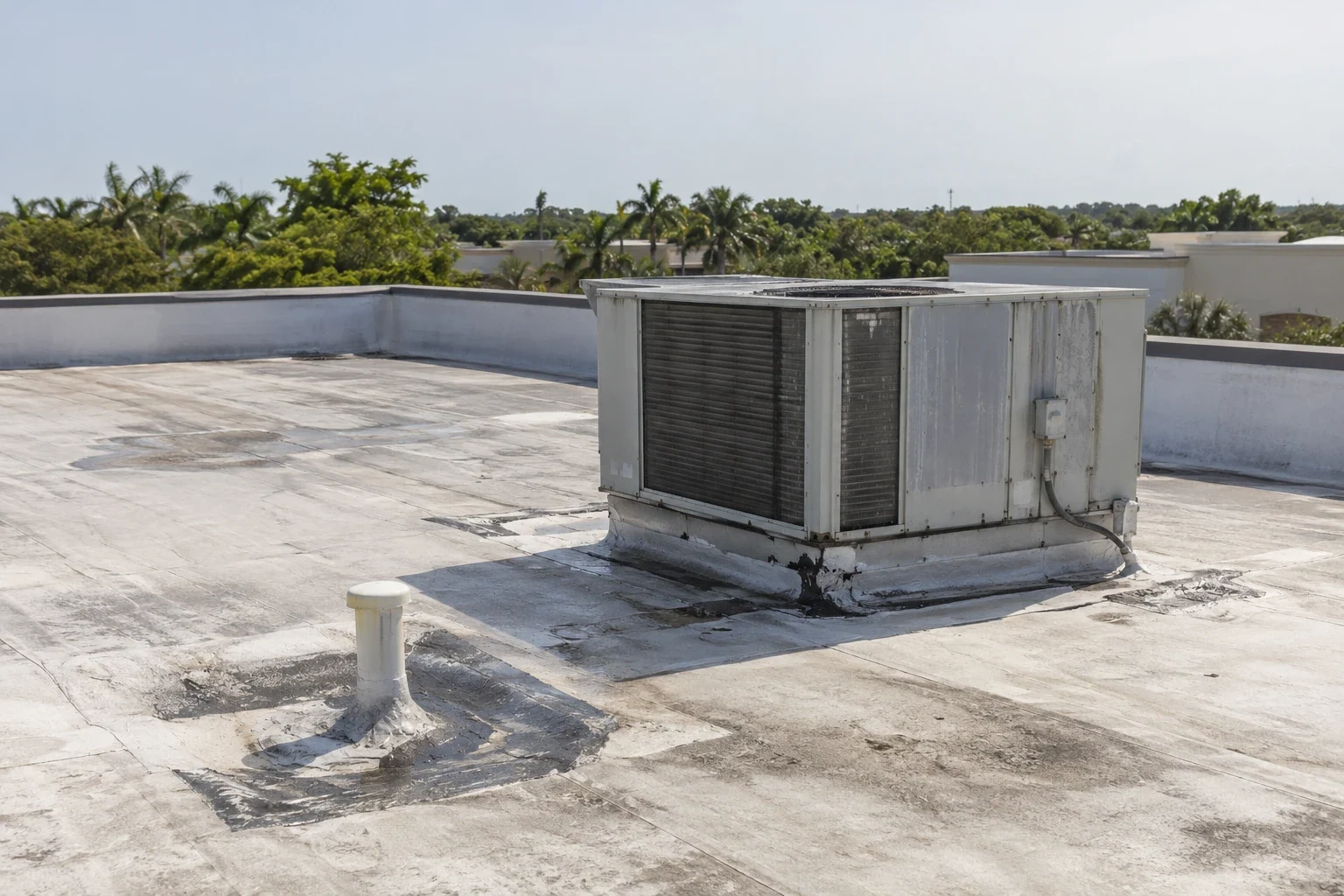
At closeout, we identify the product information supplied, completed seams and flashings, test results if required, tagged photos and areas outside scope. Warranty papers and maintenance instructions supplied for the project stay with those records, along with any return inspection date. The facility record should show which roof sections were repaired and which still need monitoring. If rooftop equipment is changed later, the new contractor should receive the repair location and material information before cutting or fastening through the membrane.
The Port of Brownsville Business Park and Brownsville Aerospace Industrial Park serve different industrial and aviation purposes. Neither location defines a particular roof assembly. For a property at either site, we confirm access, delivery limits, staging and operations with the current contact. Send the building address, plan, leak and repair history, KEE product documents and approval contact. We will identify the system and the next roof decision from the field evidence.
Related Roofing Work
Other roofing services and buildings we handle across Brownsville.
Questions About Commercial KEE Roofing
How does KEE differ from the PVC sheet already on my building?
KEE is a PVC alloy membrane, but products have their own formulations and instructions. We verify the installed material and use system-specific documents to guide repair, welding and compatibility rather than treating the labels as interchangeable.
Can an existing KEE roof be welded after years of exposure?
It may be possible where the sheet remains sound and the surface can be properly prepared. We inspect the exposed area, confirm material identity and evaluate a test weld if needed. Aged or contaminated sheet may require a different repair boundary.
How do you determine whether KEE is leaking at a seam?
We inspect the weld and adjacent details, then compare the roof location with interior reports and water paths. A seam opening may be one cause, while a nearby curb or drain can also contribute. The report separates observations from testing still needed.
Can a coating restore a KEE membrane?
A coating is considered only when the membrane, surface, seams and substrate support the chosen product. We check compatibility, moisture and preparation requirements. If a failure is beneath the membrane or attachment is unstable, restoration alone does not address that condition.
What should I include in a KEE repair request?
Provide the address, roof plan, leak location, product records, previous repairs and access contact. Photos of the interior report can direct the inspection. We verify the membrane on the roof and identify any test area before pricing concealed work.