
Industries We Serve in Brownsville, TX
Production, freight and public service schedules affect how a roof can be opened and closed. Steel fabrication, food processing, energy and shipbuilding contribute to the port-region economy, with roofs serving distinct facility operations. We inspect the roof at its address to identify the assembly and visible condition alongside the property's operating demands.
Our field record connects the reported issue to a tagged photograph, the observed assembly and a repair boundary. That gives an owner or facility manager a defined decision before permanent work moves forward.
Industries We Serve We Handle in Brownsville
Industrial, healthcare, logistics and public facilities in Brownsville need roof scopes tied to operations. We document conditions, access and approvals.
Fit the work to the operating day
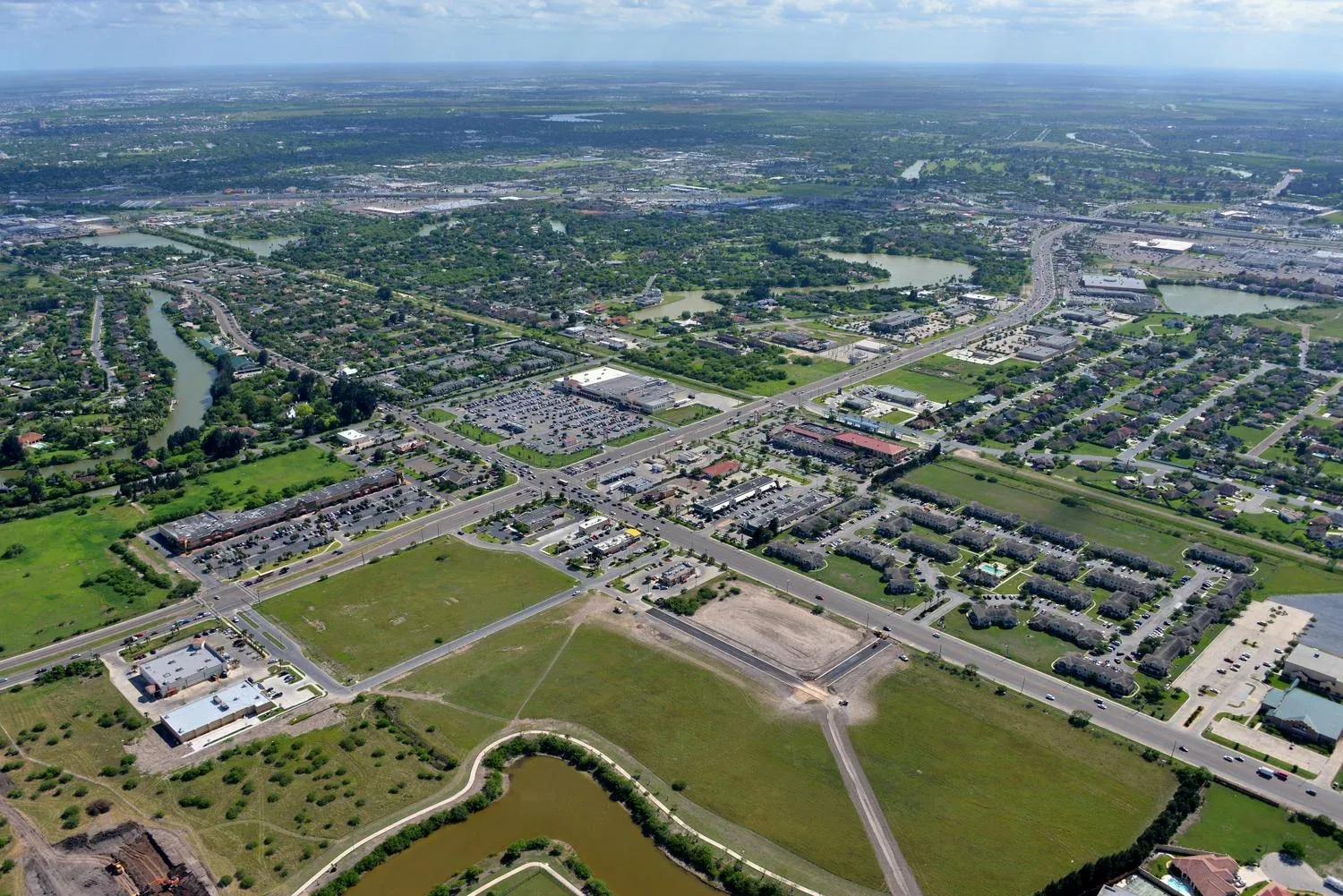
At a logistics property, deliveries and truck circulation can control material staging. At a healthcare site, entrances and occupied rooms can define which roof areas are released first. We coordinate the sequence with the facility contact, note restricted zones and show where temporary cover will be needed if work pauses.
Brownsville's Port and its industrial corridors connect to rail and overweight routes. A roof plan for a working facility must consider actual loading and access conditions at that property. We do not assume that every port-area building has the same schedule or roof assembly.
Build decisions from observed conditions
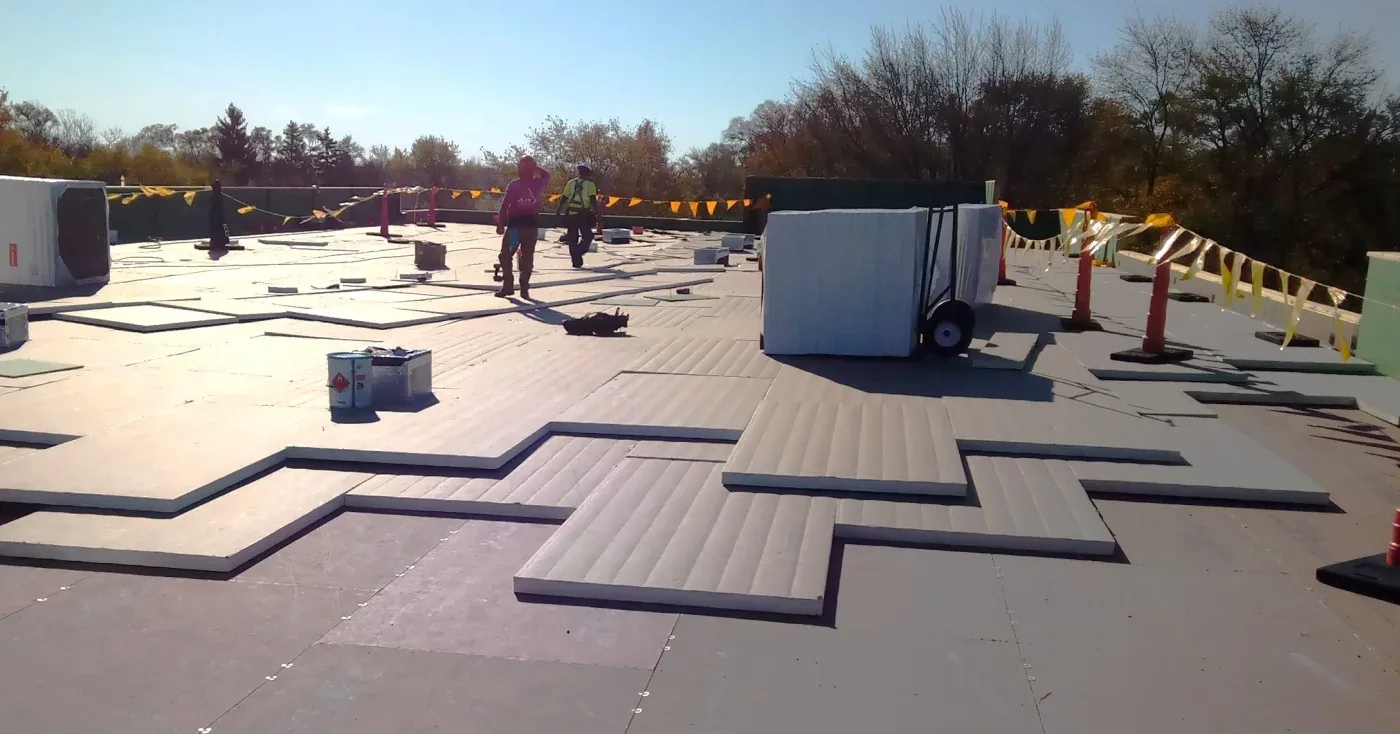
Inspection follows the water path and the roof detail. We review seams, penetrations, edge metal, drains and visible membrane damage, then identify areas that may need a closer survey or opening. Logistics and 3PL operators, manufacturers and healthcare systems and school districts can use a written condition report to separate urgent protection from planned capital work.
Summer heat matters to both roof performance and scheduling. Normal August highs in Brownsville reach 96.3 degrees, so exposed work areas and daily closure plans should be recorded.
Separate immediate protection from capital work

A storm call may require temporary protection before the permanent detail is known. After a severe-weather report, each facility receives a condition review that separates observed damage from routine maintenance items. For any named facility, the decision still comes from its observed damage, roof records and approved scope. We photograph conditions and distinguish what was opened from what remains concealed.
When repeated repairs or broad deterioration appear, capital planning can organize condition, priority and timing across the owner's properties. A maintenance program records recurring observations and helps identify changes between visits.
Make the record usable across teams
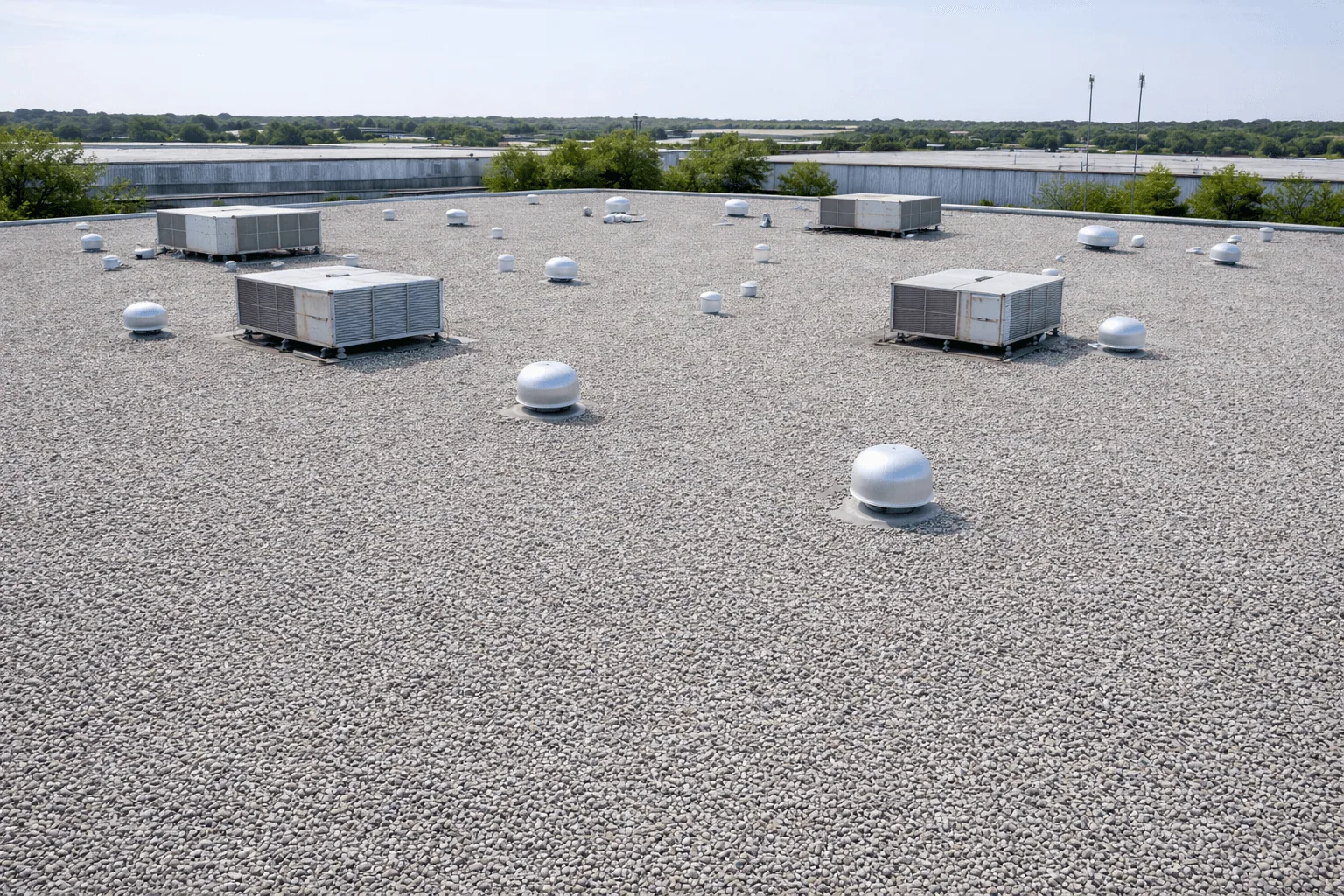
Operations, property management and finance teams need the same roof facts in a readable form. Closeout identifies completed work, materials, photographs, remaining conditions and any return visit. For a property on Paredes Line or near the Port of Brownsville, use the exact address and building contact so the record does not drift to a neighboring facility.
Send the site address, use, contact and reported roof condition. We will tie findings and approvals to the right facility before work is scoped.
Request a Brownsville roof review
Send the property address, building contact and reported condition so findings and approvals can be tied to the correct facility.
Call 555-555-5555 or request a roof assessment.
Industries We Serve: Common Questions
Can we schedule roofing around production?
Yes, the sequence can be planned around access, deliveries and the areas a facility can release. We confirm the work zones and daily closure requirements with the site contact.
What should a multi-property operator receive?
Each facility should have its own dated observations, tagged photographs, repair boundary and open items. Comparable records make it easier to prioritize without treating buildings as identical.
How do you fit roof work around production?
The facility contact identifies shift changes, deliveries and areas that can be released. The approved sequence then sets a work zone, daily dry-in point and the operation that remains active below.
What needs approval before a crew mobilizes?
The record should name the roof section, repair tasks, material staging, access route and daily exposure limit. The site contact confirms those conditions before the crew opens the assembly.