Commercial Roofing for Brownsville Manufacturers, TX
Coordinate roofing with plant operations
A water report beside a production line needs a bay, shift and facility contact before roof work is scoped. We record the affected area, inspect roof details above it and define who can approve access. Steel fabrication, shipbuilding, food processing, energy and heavy manufacturing are among the Port-region activities that support Brownsville's industrial economy. The Greater Brownsville Tech District and Port of Brownsville support different industrial uses. Each plant's equipment, roof and production schedule must be verified at the property.
Send the Brownsville address, building and bay, shift schedule, safety rules, roof plans and facility contact. We will document roof findings and production coordination by area. Call 555-555-5555 or use the form.
Inspect: Follow the roof over active work areas
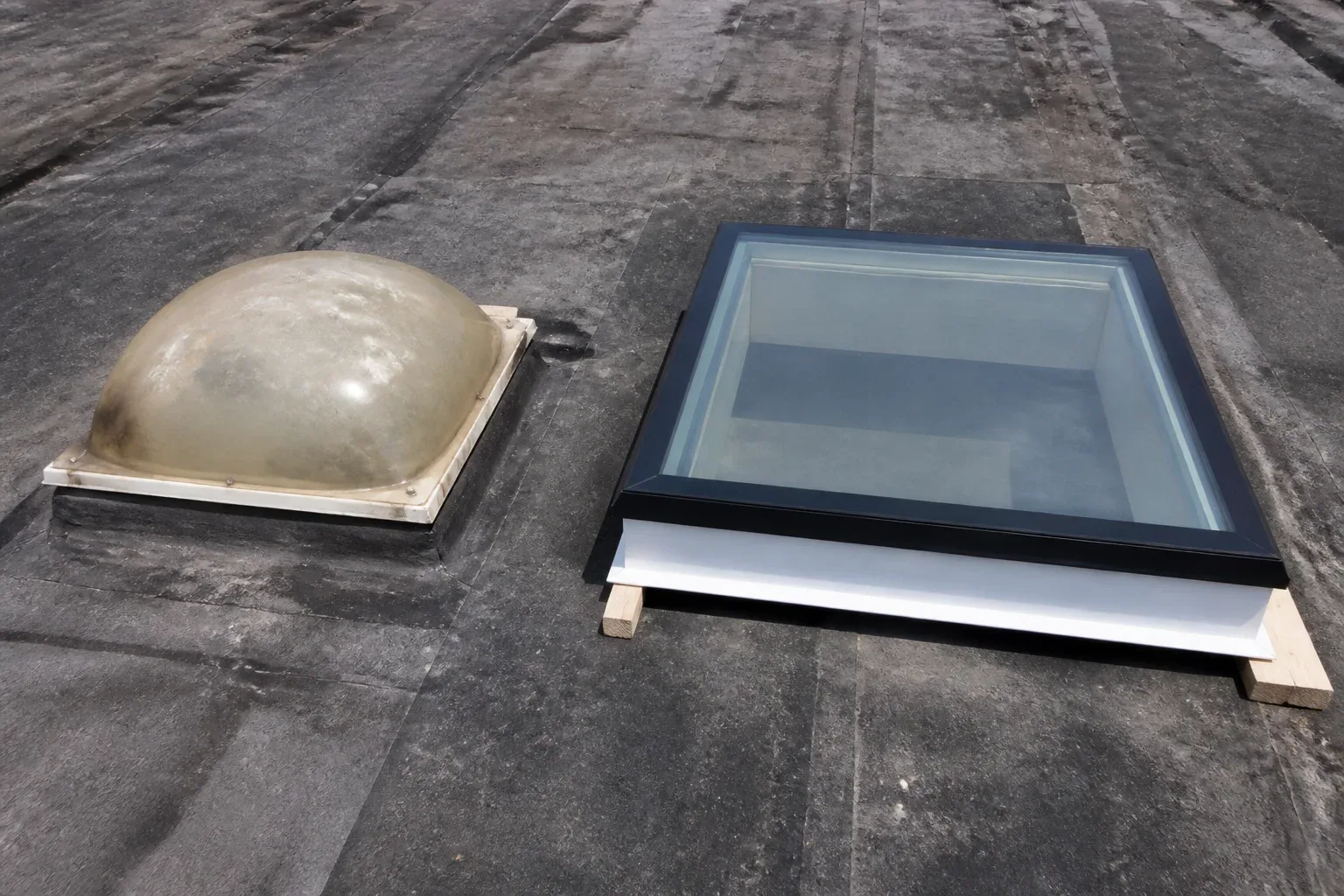
We map reports from production bays, offices, storage, control rooms and loading areas to seams, curbs, drains, penetrations and transitions. Water can follow seams, deck flutes or framing before surfacing in a production area, so the report maps the interior location and roof finding separately. If a test opening is needed to confirm insulation or deck condition, the location and restoration detail go to the authorized contact before removal.
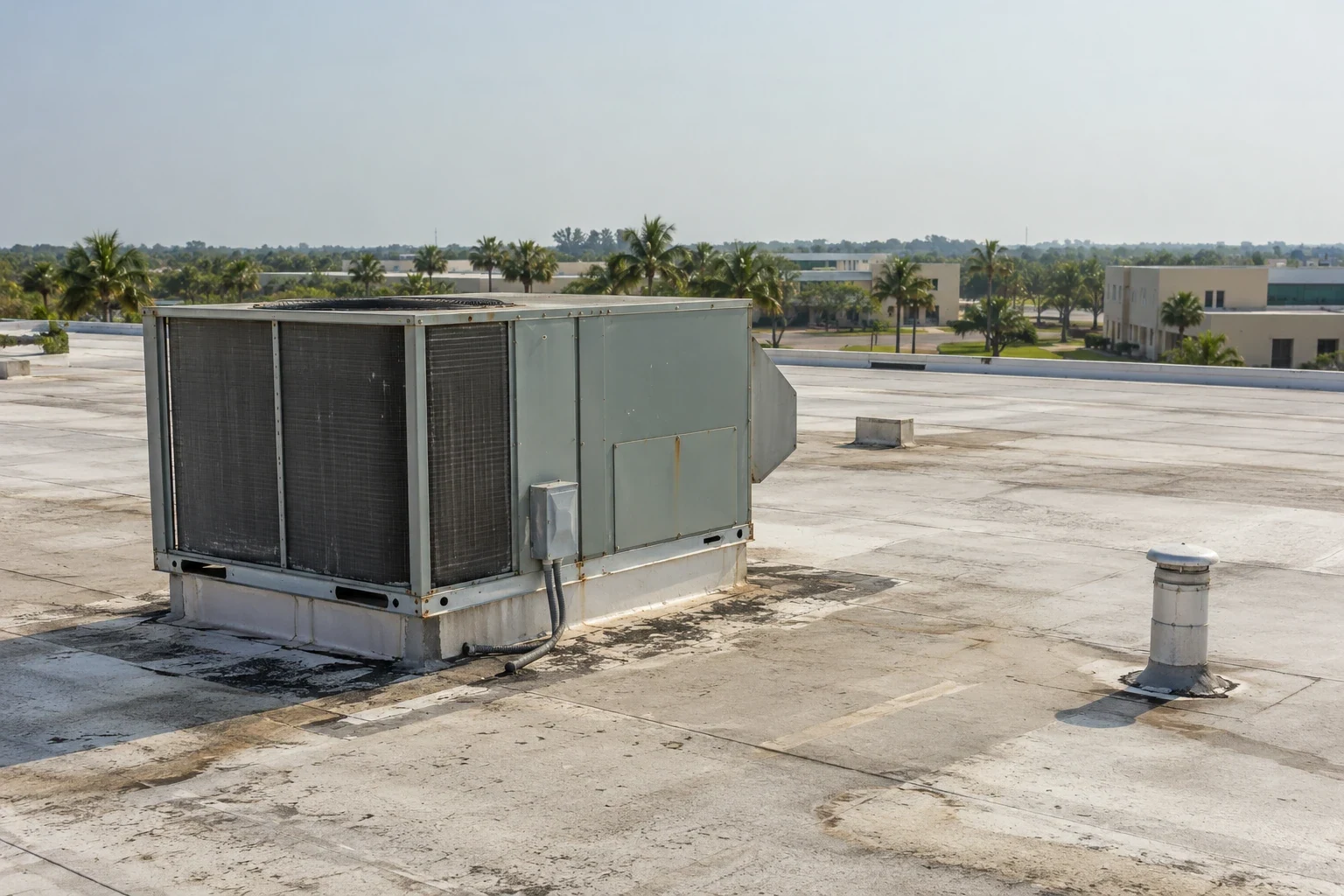
Manufacturing roofs may carry exhaust, HVAC, process piping, lighting and mechanical supports. We note equipment conflicts and identify which qualified trade handles isolation, movement or restart. A commercial roof inspection returns tagged photographs by roof section. For a metal assembly, the report can identify panel laps, fasteners and edge details; a standing-seam system needs a repair compatible with its actual profile and attachment.
The Greater Brownsville Tech District spans roughly 730 contiguous acres along SH 550, about two miles from I-69E, placing suppliers near a defined industrial corridor. Port of Brownsville Business Park connects industrial sites to trade corridors and three Class I railroads. Those facts describe regional infrastructure. A plant at the Tech District still requires its own gate, safety and production access instructions before an inspection is scheduled.
Coordinate: Protect the production sequence
Before a crew arrives, the plant contact identifies shift change, deliveries, crane paths, safety zones, restricted processes, roof hatches and areas where staging cannot occur. We schedule lift use and debris removal around production. If a line or loading area must stay open, the sequence identifies the route and the roof section that can be worked without crossing it.
Brownsville's industrial sectors include shipbuilding, energy, steel fabrication and food processing, with each operation bringing different equipment and material controls. We ask the plant contact to define its own process restrictions rather than infer them from the industry label. If a shutdown or permit-to-work is needed, the facility specifies its authorization and qualified operator.
Work on an occupied plant is divided into areas that can be protected and closed by the end of the approved shift. A temporary cover is recorded by location and checked through the facility contact. A phased occupied-building reroof can sequence zones if the roof layout and operations support it. Manufacturing equipment, product handling, interior contamination controls and line restart remain with plant staff or assigned trades.
Repair: Keep removal and production limits explicit
A local repair can address a seam, curb, penetration, drain or metal-panel fastener. The scope states material, preparation, tie-in and approved quantity. If removal uncovers wet insulation, a soft deck or a failed attachment, we photograph the layer and stop at the defined limit. The plant reviews added work and operating impact before the opening expands.
The region's 2020 Hurricane Hanna impacts included damaging wind, heavy rain and flooding, which makes documented condition more useful than assuming storm damage. Manufacturers can use building-specific roof maps to check edges, penetrations and equipment supports after a severe weather period. The report states which area was inspected and any temporary protection. A regional event guides inspection scheduling; the actual plant condition determines the repair.
A manufacturer with active water entry can reach our emergency response line overnight and on holidays as well as during weekday shifts. We coordinate entry with the plant's safety contact and record temporary protection, remaining exposure and the return visit. Product movement, electrical isolation, equipment shutdown and interior cleanup remain outside roof work unless the written scope assigns them. A storm-damage roof assessment separates stabilization from permanent installation.
Options: Compare a repair with system work
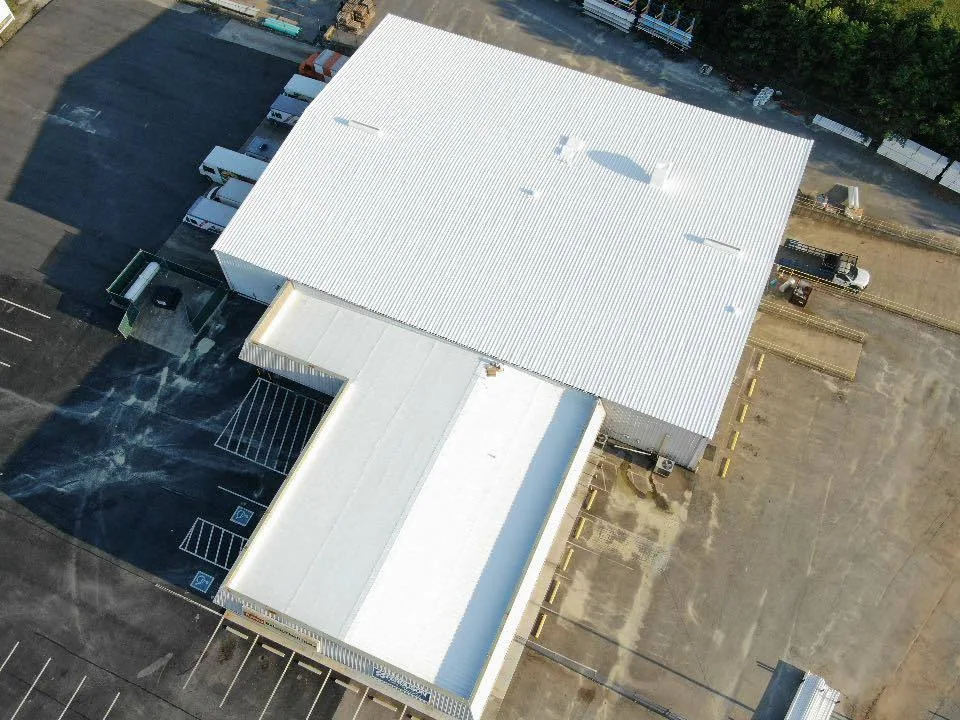
A failed detail may be corrected without replacing the roof. Repeated leaks, broad wet insulation, loose attachment or deteriorated panels may support a wider project. We compare existing layers, drainage, testing and plant plans before considering a recover assessment or replacement. The scope names the roof sections included and states what requires design review.
Commercial roof alterations in Brownsville fall within City project-plan and permit review under the adopted 2018 International Building Code. The designer confirms wind, assembly and permit requirements for the plant address. Process exhaust, fire systems, electrical runs and structural supports may involve separate trades. We identify roof interfaces and define what must be ready before a flashing detail can be closed.
Price and timing depend on roof height, production windows, crane and lift access, safety controls, material supply, equipment coordination and concealed layers. A planned plant shutdown may create a work window but still requires facility approval. The estimate lists assumed quantities, exclusions and temporary protection. If removal reveals an additional layer or deck issue, the plant receives photographs and a change request before additional work proceeds.
A logistics facility may prioritize truck flow, while general contractor coordination may integrate roofing with a capital project. A manufacturing owner confirms which operators, trades and shifts control the specific building.
Closeout: Return findings by line and roof zone
Closeout lists the plant building, roof section, repaired detail, materials, photographs and outstanding items. It identifies roof areas not accessed and tasks assigned to other trades. Plant facilities staff can link the record to a production incident or maintenance order without treating one repair as a full-building renewal.
Send the Brownsville address, building and bay, operating shifts, safety requirements, roof plans, equipment contacts, leak history and approval authority. Identify crane paths, lines that cannot stop and staging limits. We will state the inspection boundary, trade handoffs and any test opening before scheduling.
A return inspection can verify the repaired seam, curb or panel detail and record adjacent drainage. We state date, roof area and visible condition. A separate production bay receives a separate finding and authorization. That gives the plant a clear link between roof work and the schedule that allowed it.
Related Roofing Work
Other roofing services and buildings we handle across Brownsville.
Questions About Manufacturers
Can production continue during roof repairs?
The plant sets shift timing, line status, safety zones and routes that must remain clear. We phase work and identify any operation that could be affected. The approved sequence names the facility contact who can authorize a change or stop work.
Who handles exhaust or process equipment on the roof?
Equipment shutdown, movement and restart belong to the qualified operator or mechanical trade assigned by the plant. We identify roof flashing or support work that depends on that action and list the handoff before the detail is opened.
How do you scope a leak near a production line?
We record the line or bay, timing and interior conditions, then inspect roof details above the reported location. A production-bay drip can be offset from its roof entry; we compare the reported location with seams, curbs and deck transitions. The report identifies accessible evidence and any opening or test needed to confirm concealed layers.
What happens if the roof opening finds more damage?
We photograph the exposed material and stop at the approved quantity. The plant reviews the additional removal, production impact and repair tie-in before the scope expands.
What should a manufacturer provide for a roof estimate?
Provide the address, building map, shift calendar, safety rules, roof drawings, equipment contacts and prior leak or repair records. Identify approval authority and any production window that controls roof access.