
Commercial Roofing for Brownsville Real Estate Investors and REITs, TX
Request an asset-level roof review
An acquisition review needs roof findings tied to the parcel, building and current access. We document visible conditions, identify where testing is needed and separate an observed repair from a capital assumption. Brownsville's industrial setting includes the Port business park and the SH 550 Tech District, each serving different sites and access patterns. Neither area's listings establish the roof condition or occupancy of an investment property. The address-level inspection provides the evidence for underwriting and ownership decisions.
Send the Brownsville property address, roof plans, access contact, tenant schedule and due-diligence or capital deadline. We will document findings and supported options by building. Call 555-555-5555 or use the form.
Inspect: Build a condition record for each asset
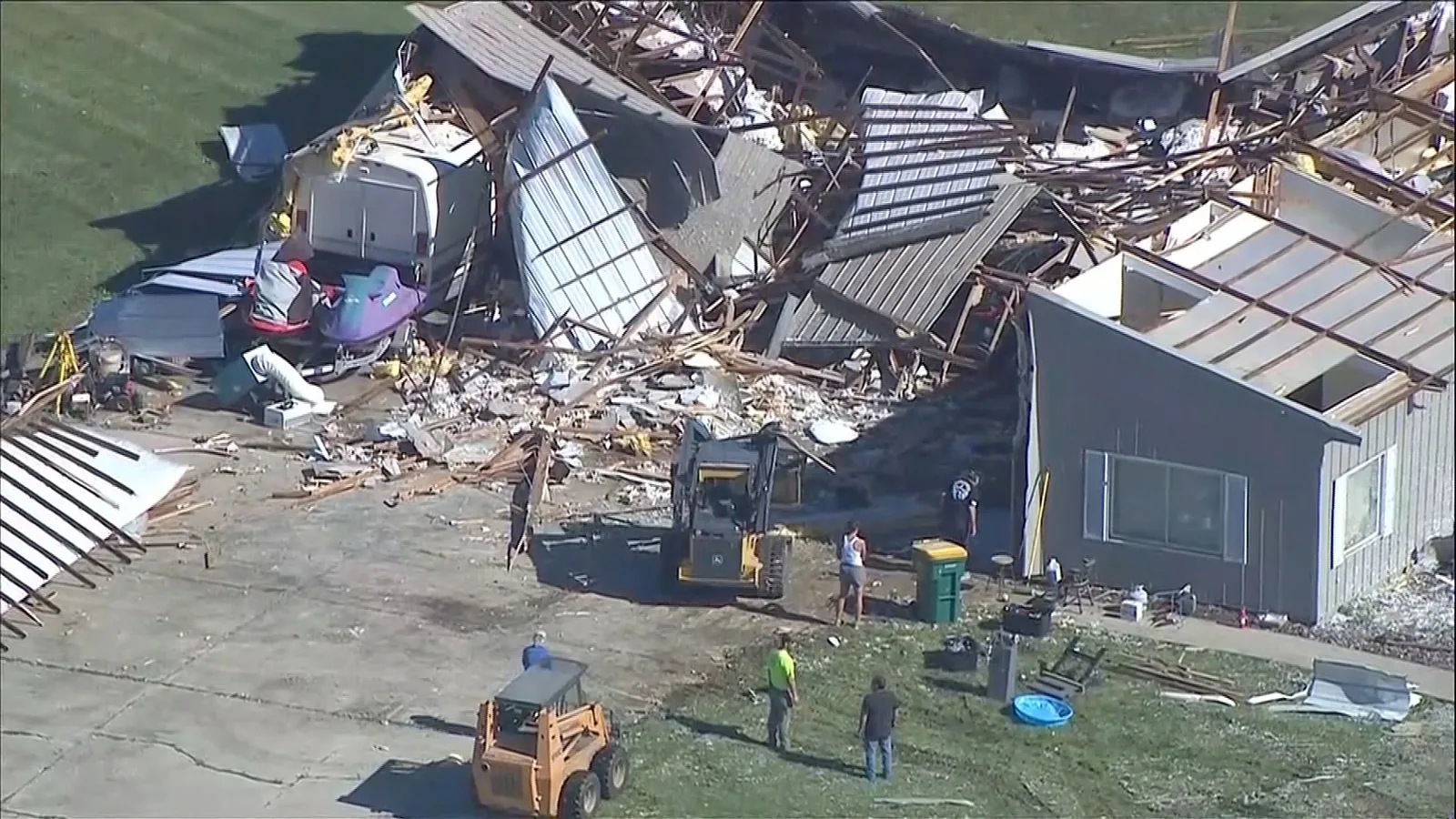
We inspect accessible seams, flashing, drains, roof edges, equipment curbs and transitions, then map findings by roof section. A ceiling report or seller disclosure can help target the visit, but the roof walk records what is visible and what remains concealed. If moisture testing or a test opening is needed, the report identifies its location and restoration method before additional work is authorized.
A portfolio may include warehouses, retail, offices, multifamily and industrial buildings, each with a different assembly and operating schedule. A commercial roof inspection can document the observed roof area and recommended next action. An infrared moisture survey can help prioritize follow-up testing when a broader area needs review. We do not convert an unconfirmed scan pattern into a replacement quantity.
The Port business park links properties with rail and trade routes; farther north, SH 550 and I-69E connect to the Greater Brownsville Tech District. Those named development areas help explain local logistics context. A Port of Brownsville asset still needs a site-specific access map, tenant information and roof inspection before the investor assigns capital needs.
Diligence also separates a visual survey from evidence that requires a test. Roof walks can show open laps, damaged flashing, blocked drains or exposed fasteners. They cannot establish concealed moisture extent without appropriate follow-up. If the investment committee needs a current scope, we identify which test result could change the repair quantity, system choice or timing before the owner authorizes that work.
Compare: Separate immediate repairs from capital work
A localized leak may be repaired without replacing the entire system. Repeated leaks, widespread wet insulation, failed attachment or deteriorated membrane may justify a larger scope. We compare test results, drainage and existing layers before preparing a recover assessment or replacement. The proposal identifies roof areas, assumptions and limitations so ownership can compare alternatives using the same evidence.
City review of Brownsville commercial plans and permits uses the locally adopted 2018 International Building Code. A designer confirms code, wind and permit requirements for a project at the specific address. The investor's acquisition team may separately review leases, reserve assumptions and project approvals. Roofing documentation supplies roof observations and scope details; it does not replace financial, legal or engineering review outside the assigned work.
Hurricane Hanna affected the Rio Grande Valley with wind, heavy rain and flooding in 2020; acquisition files should keep regional history distinct from property findings. A current roof condition file helps ownership distinguish a post-storm check from a repair performed on a particular asset. The record shows which building was inspected and what was found. Regional weather history can support maintenance planning, while investment conclusions require property-level evidence.
Occupancy and transaction timing change how a visit proceeds. A vacant asset may allow daytime access; an operating tenant may limit staging, noise or a test opening. The asset manager confirms lease and service constraints before scheduling. We list the assumed work window and items that could shift it, then record a scope change if site conditions differ.
Scope: Tie pricing to measurable work
Roof costs depend on assembly, access, height, staging, tear-off layers, wet insulation, equipment moves, drainage details and material lead times. We list assumed quantities and include only the properties and sections identified. If a test opening finds an unexpected condition, the crew photographs the layer, stops at the approved boundary and requests direction before increasing removal.
For a newly acquired building, the owner may need seller access, tenant coordination, roof plans, prior repair records and a designated representative. We confirm which contact can authorize inspections and added work after transfer. A roof claim documentation package is a separate service from acquisition due diligence; both rely on precise photographs and location records.
A property manager may coordinate access and tenant notices, while insurance restoration work may follow a covered event. The investor or asset manager sets the approval and funding route. Each proposal names the scope, exclusions and record needed for the next decision.

Closeout: Preserve a clear asset history
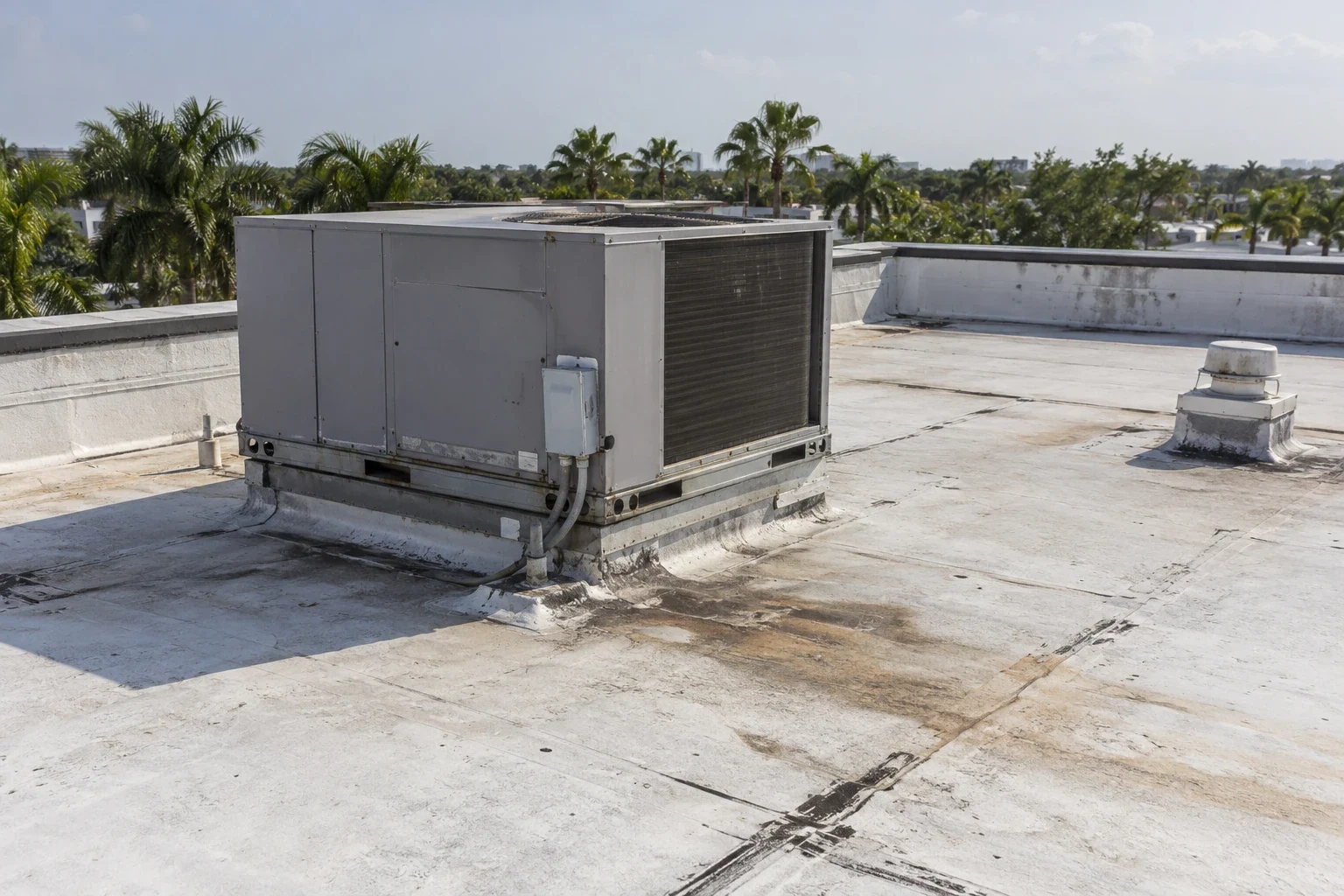
The closeout file lists address, building, roof section, completed detail, materials, photographs and outstanding conditions. It states what was not accessed and any test or trade work still needed. An investor can attach the record to the asset file and compare future inspections with prior repairs instead of relying on a general condition label.
Send the Brownsville property address, acquisition or ownership timing, roof plans, access contacts, tenant schedules, leak history and approval authority. Include the asset manager's questions and any due-diligence date. We will identify what can be inspected, what needs confirmation and which repair options are supported by the observed roof condition.
For multiple assets, each report remains tied to its site. A portfolio summary can show inspection and approval status, while property-level details remain distinct. A return visit can verify the completed repair or document a new condition. The dated record keeps capital decisions attached to the building and approved work. A reserve review can use the same roof-area labels to distinguish completed repairs, pending authorization and tests not yet performed. Keep the date and decision owner with each item. Ownership receives the working file, not a single portfolio label that hides which property still needs a test or approval.
Related Roofing Work
Other roofing services and buildings we handle across Brownsville.
Questions About Real Estate Investors and REITs
Can a roof condition review support an acquisition decision?
We document accessible roof conditions, photographs, likely repairs and additional testing needs for the identified property. The report supports roof-scope review but does not replace transaction, structural or financial diligence assigned to other professionals.
How do you compare repair with replacement for an investment property?
We assess roof layers, moisture, attachment, drainage and repair history. The proposal states the evidence for localized work, recover consideration or replacement and lists any uncertainty requiring testing before quantities are finalized.
Can you inspect several assets on one schedule?
We can plan visits by address and return separate findings for each building. The owner provides access contacts and tenant constraints. A summary can show status, while approvals and repair quantities stay specific to the asset.
What if records show a storm claim but no roof map?
We inspect the property and document current conditions by roof area. Prior claim files can guide review, but the scope is based on what is observable and any authorized tests. We keep new findings separate from historical documentation.
What does an estimate need from the owner?
Provide the property address, roof plans, seller or tenant access contacts, prior repairs, leak reports, inspection deadline and decision authority. Identify whether the request is for immediate repair, acquisition review or capital planning.