
Big-Box Retail Roofing in Brownsville, TX
Plan retail roofing around store operations
A leak over a receiving aisle can interrupt stock handling before water reaches the sales floor. We record the aisle, report time and roof section, then inspect nearby curbs, seams and drainage. Brownsville's retail activity ranges from historic commercial blocks downtown to the Sunrise Mall and North Expressway corridor. Those settings present different access patterns. A large retail building needs its own work map, loading plan and approval contact.
Send the Brownsville address, affected area, delivery schedule, roof plans, equipment constraints and approval contact. We will define access and the repair boundary in writing. Call 555-555-5555 or use the form.
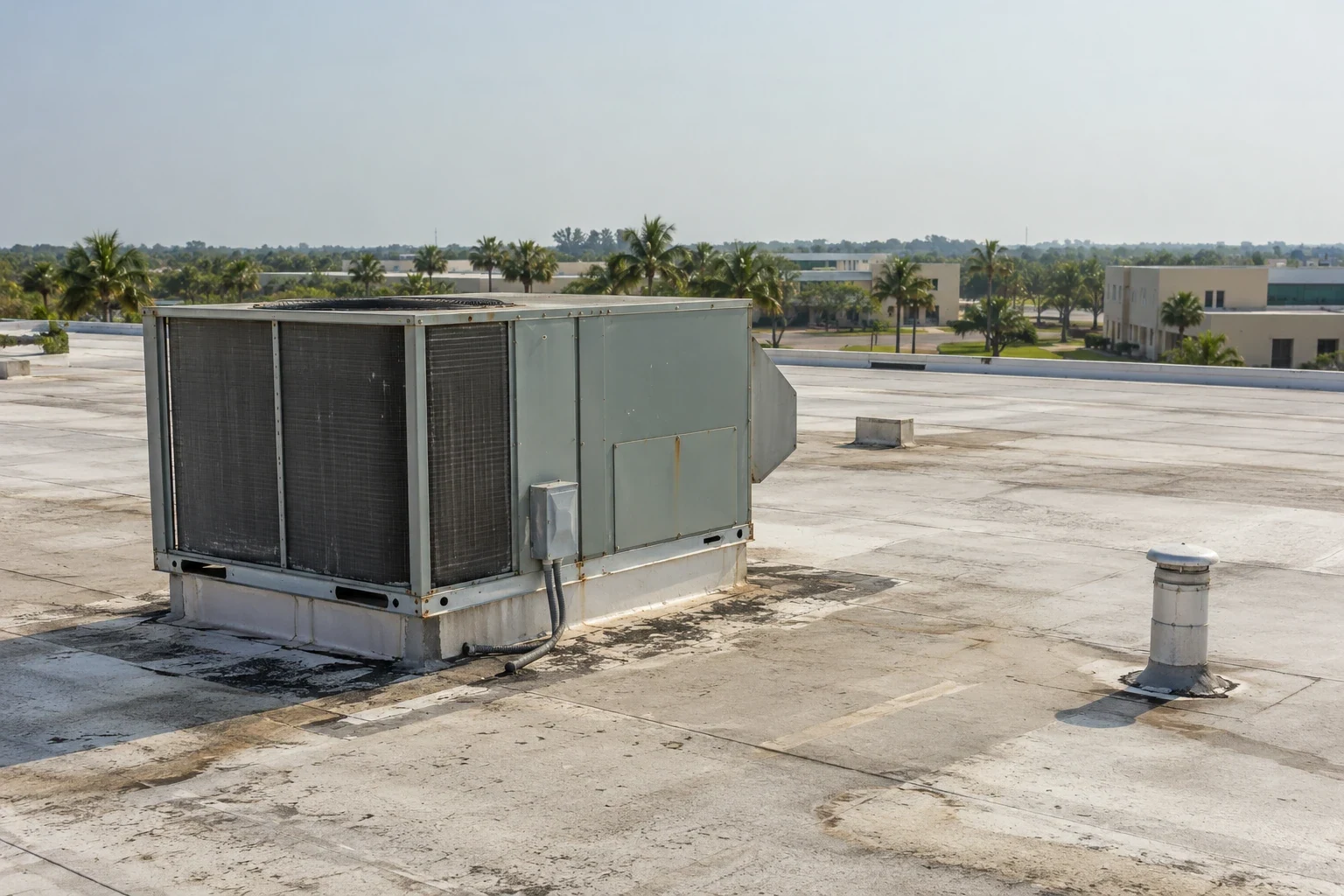
Inspect: Map the roof above store operations
We compare the reported interior location with roof drains, penetrations, equipment supports, skylights and wall transitions. Water can travel along a deck or insulation before it appears indoors. We mark the observation, identify what was accessible and note whether moisture testing or a controlled opening would help confirm the extent. A commercial roof inspection turns separate reports into roof-area findings without treating every stain as the same failure.
Big-box roofs may serve sales areas, offices, coolers, receiving docks and exterior canopies. We ask the facility contact to identify which mechanical units, exhausts and service routes remain active during work. An obstruction can prevent safe access to a seam or restrict a repair detail. A curb and equipment review can flag the handoff where another trade controls a unit or support.
A typical Brownsville year includes close to 140 days at 90 degrees or hotter. Heat can narrow safe work periods and affect material handling on an exposed roof. We plan the shift around the forecast, surface conditions and store delivery cycle. That local pattern guides scheduling; the crew still records actual conditions at the building before work begins.
Access: Separate customers from roof activity
Before staging, management identifies customer doors, curbside pickup, truck docks, fire lanes, delivery schedules and areas that cannot be fenced. We confirm where a lift can set up, how debris exits and whether work can proceed above an occupied department. If an entrance must remain available, the sequence shows how the public route stays clear while a roof section is open.
Downtown Brownsville's historic commercial district has a different street and pedestrian context from retail near Sunrise Mall on North Expressway. That contrast affects how a property manager evaluates staging and deliveries, but it does not define the layout of an individual store. We inspect the site and confirm actual setbacks, service drives and loading access. A Sunrise Mall and North Expressway area assignment still needs store-specific approval and traffic coordination.
Inside the building, a receiving aisle or sales area may need temporary protection below the roof zone. The facility assigns staff to move stock, protect displays and coordinate any shutdown. We identify which tasks belong to roofing and which remain with store operations. A phased reroof can rotate work areas to keep approved routes open while each section is closed and checked.
Repair: Stabilize, inspect, then close the detail
A repair begins by isolating the failed seam, curb, flashing, drain or roof opening. We remove only the material authorized for inspection, prepare the tie-in and record each exposed layer. If wet insulation or a damaged deck extends past the planned boundary, the crew pauses and submits photographs and a quantity for review. Work does not expand by assumption because the roof surface is broad.
Hanna's 2020 regional record includes damaging wind, heavy rain and flooding in the Rio Grande Valley; inspection must determine what a specific retail roof experienced. After severe weather, a store can use building-level photographs to assign checks at edges, rooftop units, skylights and loading canopies. The event makes current inspection records useful; a roof walk identifies damage at the individual retail site. A storm assessment separates temporary protection from the permanent repair that follows.
Emergency response is available around the clock for active water entry. The initial action may be a temporary cover, followed by a permanent repair after surface conditions and access permit. We record the covered section, remaining exposed areas and person responsible for monitoring it. Interior cleanup, stock handling and electrical review remain separate unless the written scope assigns them. A return visit confirms the roof detail after the permanent repair.
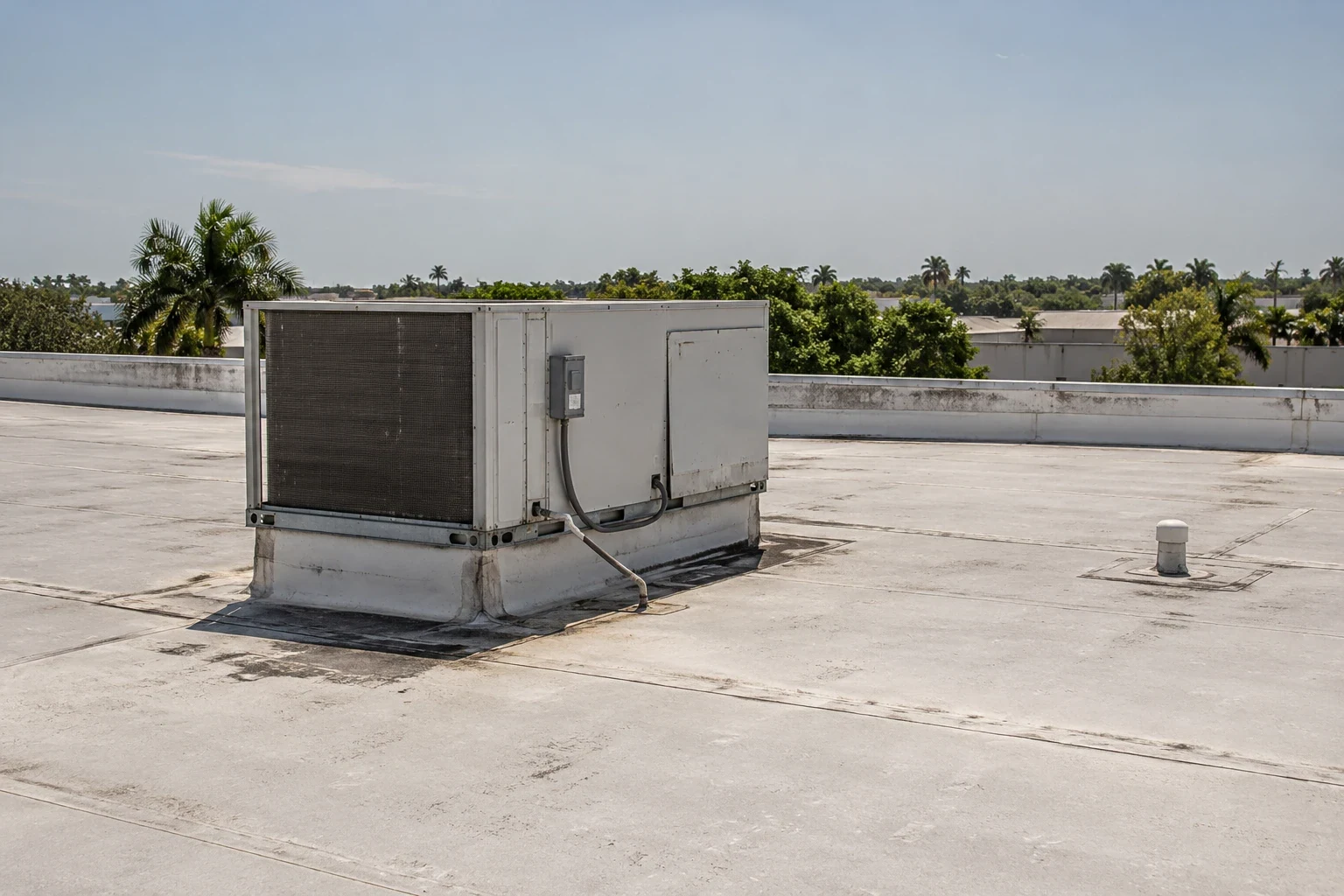
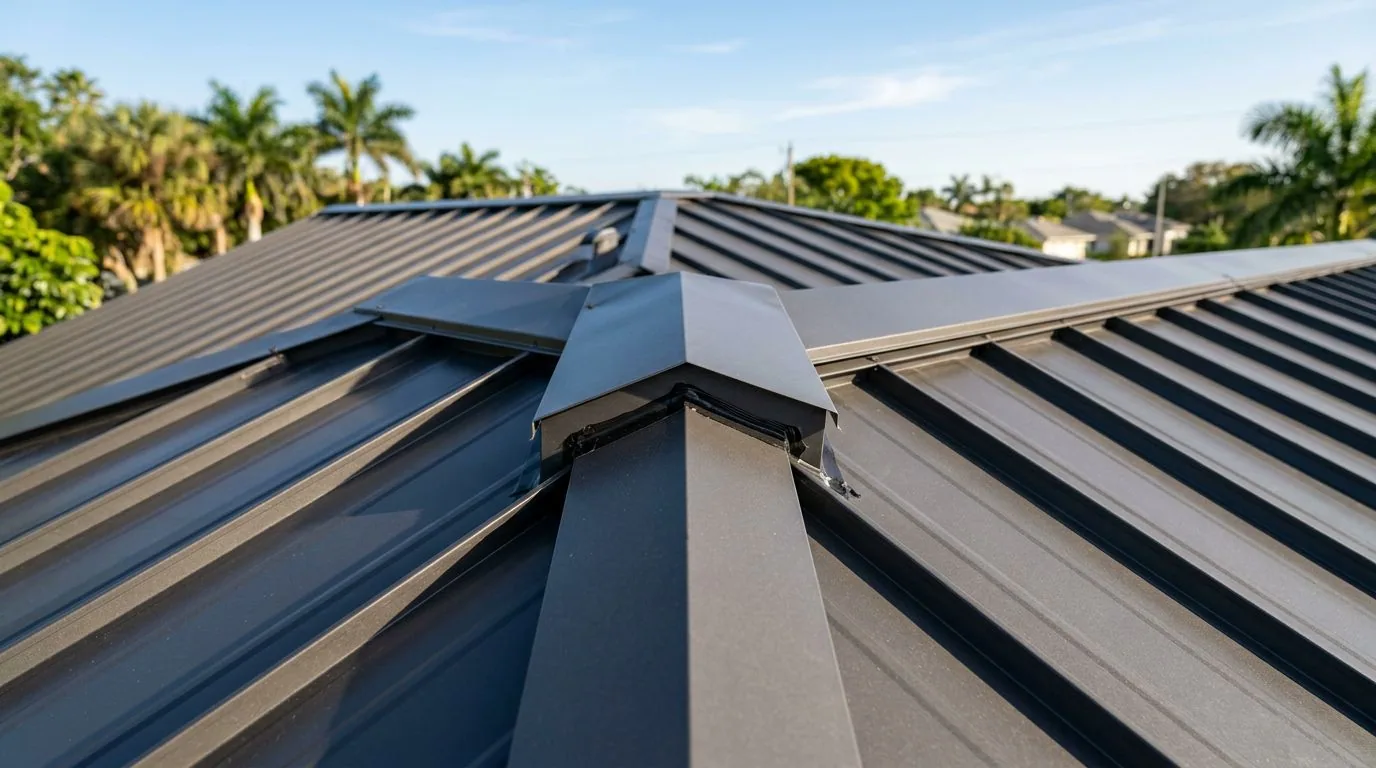
Options: Repair a detail or plan wider work
One leak or a failed curb may call for a local repair. Repeated reports, broad wet insulation, deteriorated membrane or attachment concerns can require wider evaluation. We compare inspection results, roof layers, drainage and planned capital work before presenting a recover assessment or replacement. Recover planning depends on retained materials and moisture findings; a large footprint alone does not establish that it is appropriate.
For commercial plan and permit review, Brownsville applies its adopted 2018 International Building Code. The designer confirms the applicable assembly, wind criteria and permit requirements for the address. Rooftop refrigeration, exhaust, lighting and fire protection can involve other trades. We define roof work at those interfaces and list any coordination that must be completed before an opening or shutdown.
Cost and timing depend on roof height, access, occupied departments, dock schedules, lift placement, roof layers, material supply and the number of work zones. The scope lists quantities, sequence and exclusions so the manager can compare a focused repair with a capital project. If conditions below the surface change the repair boundary, we document the change and wait for owner approval before proceeding.
A shopping center often divides roof areas among tenants, while a shopping-center project may require separate suite reporting. A grocery roof also adds refrigeration and food-handling coordination. Those comparisons help scope the right contact map; the actual operating requirements come from the site manager.
Closeout: Return a roof map that operations can use
Closeout shows completed roof details, photographs, materials, repaired sections and unresolved items. It notes areas not accessed and temporary protection that remains. Facilities can file the record by store and roof zone, then compare a future leak report with the last inspected conditions. The record distinguishes roofing work from electrical, refrigeration, ceiling and inventory actions.
Send the Brownsville address, store contact, affected department, loading schedule, roof plans and access limits. Include routes that must remain clear, equipment that cannot be shut down and the person authorized to approve added removal. We will identify inspection areas, work sequencing and any test that requires separate consent. Store staff can then plan notices and temporary moves around a defined roof task.
A later visit can review the repaired section and adjacent drainage without claiming that other roof areas were renewed. We record the date, visible condition and remaining recommendation. When a new issue appears, the manager can connect its location to the roof map, prior photographs and work approval. Each new repair receives a separate scope and closeout entry.
Related Roofing Work
Other roofing services and buildings we handle across Brownsville.
Questions About Big-Box Retail Roofing
Can the store keep receiving deliveries during a reroof?
The manager provides dock hours, truck routes and fire-lane requirements. We plan staging and debris removal around those rules, then identify any delivery window that must change. The approved sequence states which loading areas remain in use.
How do you inspect a leak above merchandise or stock?
We record the department or aisle, report time and interior conditions, then inspect the corresponding roof area and nearby details. Water may travel before it reaches the sales floor. The report notes any interior protection or testing that needs owner direction.
Who handles rooftop refrigeration equipment?
The facility or its mechanical contractor controls shutdown and equipment service. We identify access conflicts and roof details around units, then coordinate any work that depends on the equipment being moved or isolated.
What if a storm damages several roof locations?
We map each observed condition by building area, photograph the detail and identify immediate protection separately from permanent repair. The owner can review the list and prioritize approvals. Hidden material remains outside the confirmed quantity until inspected.
What affects the cost of a big-box roof repair?
Access, lift placement, roof layers, wet insulation, equipment coordination, store hours, staging and material availability all affect the scope. We state the assumed quantity and sequence so added removal can be reviewed before work expands.