
Commercial Manufacturing Plant Roofing in Brownsville, TX
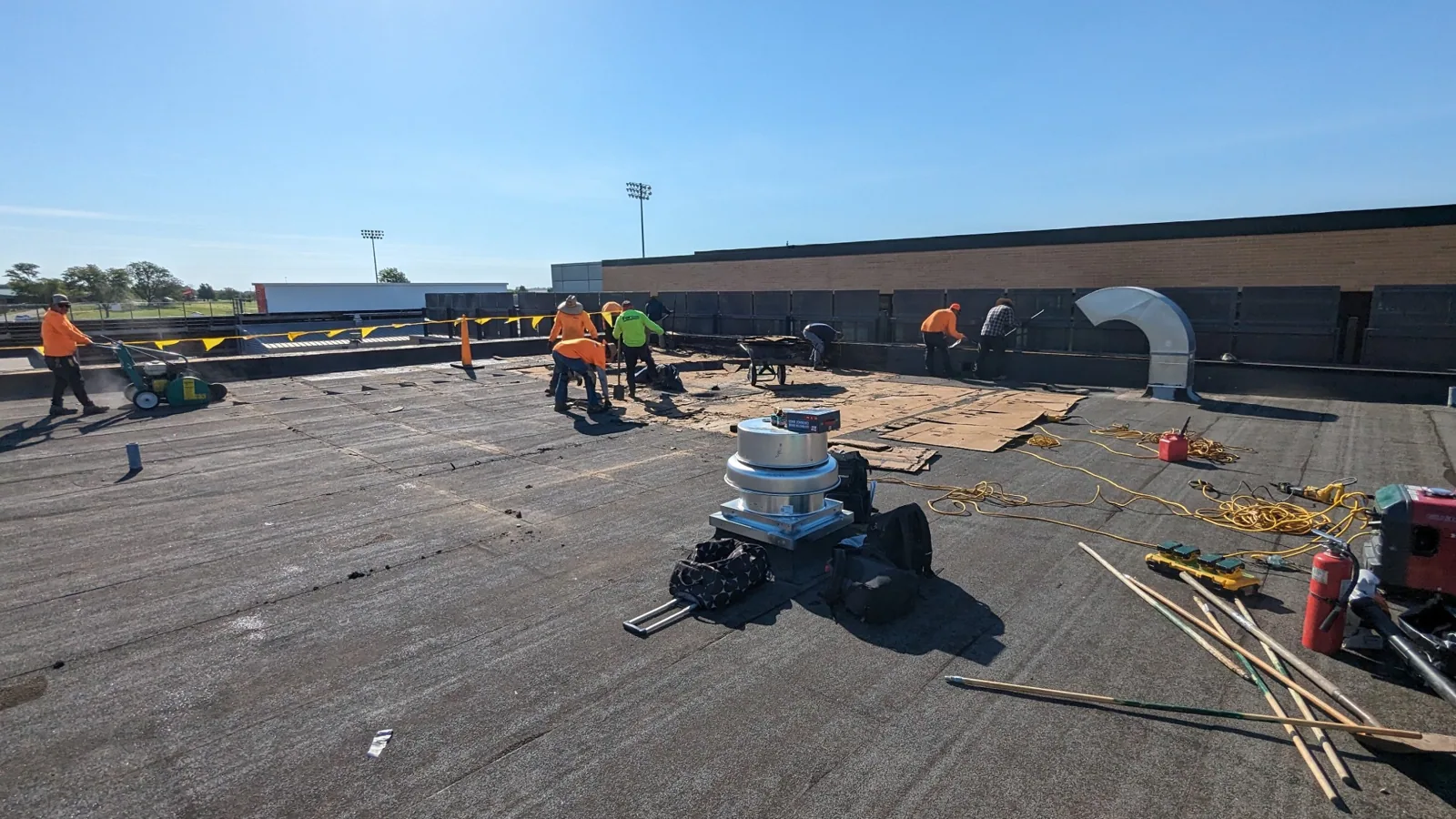
Set the roof work window with plant operations
Vibration near an exhaust curb can open a roof detail without causing an immediate interior stain. We inspect the transition, compare it with process reports and record what is confirmed. Brownsville's port-region economy includes steel fabrication, shipbuilding, food processing, energy and heavy manufacturing. A facility at the Port of Brownsville or in 802 Industrial Park may have different production controls, but the plant's actual roof and operating contact determine the work.
Send the Brownsville address, process schedule, roof plan, access rules and reported condition. We will document the repair boundary and coordination needed for approval. Call 555-555-5555 or use the form.
Inspect: Map penetrations and process zones
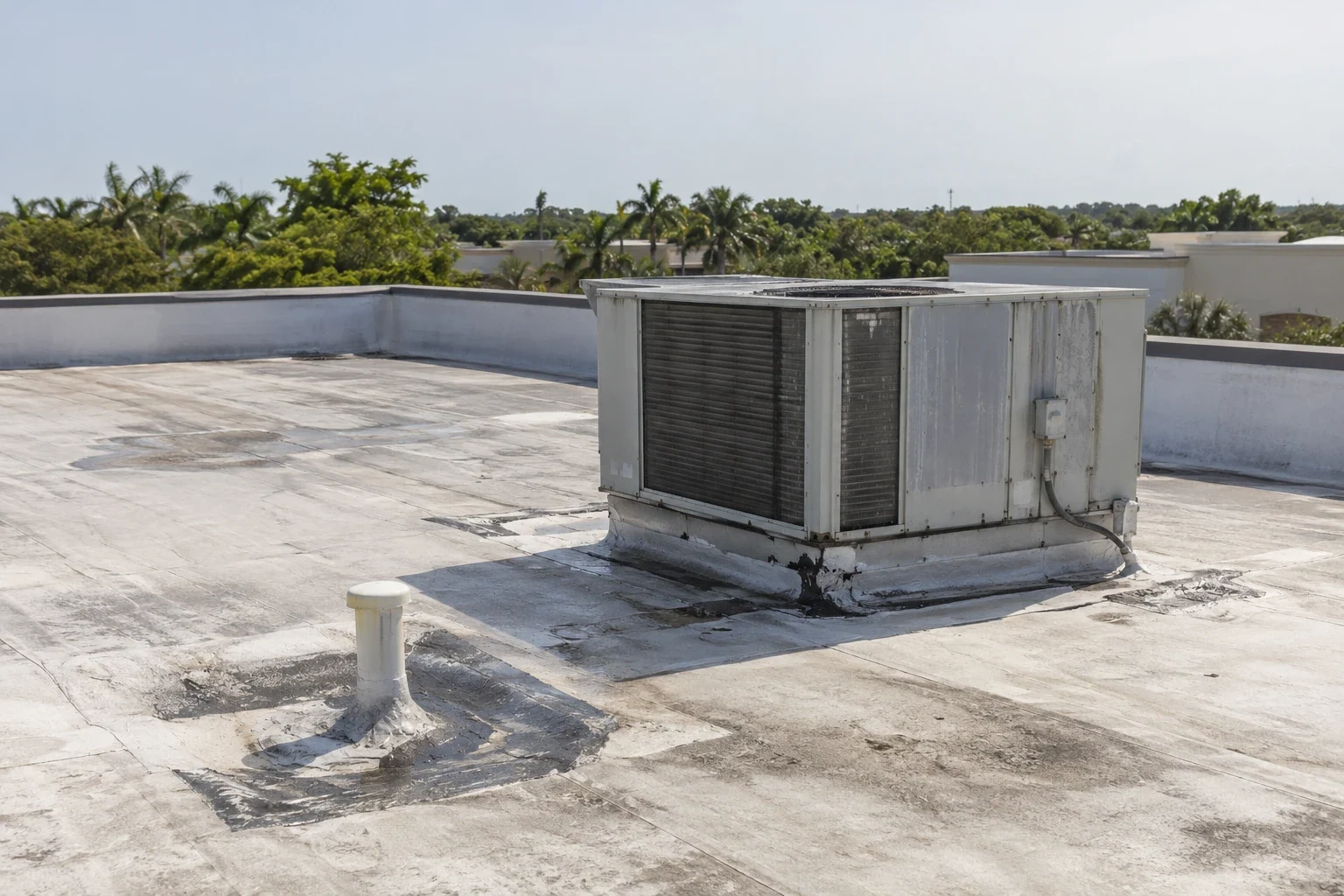
Manufacturing roofs can carry exhaust, piping, vents, equipment supports, service walkways and roof-mounted mechanical units. We identify which roof sections overlie active processes and inspect seams, curbs, flashings, supports, edges and drains. A leak location is compared with interior reports, not assumed to align directly above the stain. We tag photographs to a roof zone and record access restrictions and any equipment that cannot be disturbed.
The installed roof may be membrane, metal, built-up or a combination from different projects. We verify the assembly with plans, accessible markings and field details. If a process exhaust could affect material compatibility, the facility contact supplies operating conditions and product documents guide the decision. The owner identifies substances handled on site and any exhaust or process route that may reach the roof before we assess material compatibility. A commercial inspection documents what can be seen and what requires a test opening or separate engineering review.
Drainage review includes strainers, scuppers, overflow points and low areas. Roof runoff should not be directed toward a process entry or equipment area without review. If a drain detail is damaged, drainage correction can be planned as a separate line item. The field record notes whether a drain was clear when inspected and what maintenance remains.
Coordinate work with production controls
Before mobilization, we confirm plant hours, required shutdown windows, hot-work rules, access badges, escorts, lift routes and material staging. The safety contact identifies restricted areas and any permit needed for roof entry. We coordinate around crane movements, vehicle paths and equipment that must remain powered. The roofing plan specifies which team disconnects or protects rooftop machinery; mechanical scope is not implied by a roof repair.
Brownsville's industrial sites include port-linked and inland facilities. The Port of Brownsville business park provides access to rail and trade corridors, while 802 Industrial Park fronts FM 802 between Old Port Isabel Road and Highway 48. These locations do not define an individual plant's traffic or security plan. We ask the plant contact for current delivery slots, permit processes and whether the roof crew may work above active production during each shift.
When removal exposes insulation or deck, we pause at the approved boundary and keep the opening protected. A line operator or maintenance lead may need to review the area before the plant returns to full activity. The closeout handoff identifies roof status, any temporary protection and who approves the next phase.
Repair: Separate roof work from process equipment
A proposal describes the defect, material, preparation, repair limits and access assumptions. Curb flashing may need rebuilding; a puncture may need a compatible patch; a failed edge may require metal work. We define each location so the owner can approve work without guessing whether adjacent penetrations or interior finishes are included. If wet materials extend beyond the visible opening, we test and request direction before additional removal.
August normal highs in Brownsville reach 96.3 degrees, so heat exposure and surface temperature belong in the facility's material and work-hour review. Heat affects safe work periods, surface conditions and material handling. During Hanna in 2020, the National Weather Service recorded wind, heavy rain and a small tornado near Brownsville; the plant needs its own condition survey. Hanna's regional wind, rain and flood record makes current weather planning relevant at Brownsville plants; after a reported event, we inspect the specific building and document its visible condition. After a reported event, we inspect actual edges, seams and supports and return a dated record.
If a leak is active, emergency roof response is available nights, weekends and holidays. Temporary cover can protect a process area until the permanent detail can be installed under suitable conditions. The record states where the cover is, what access remains restricted and when the return visit is expected. A repair scope distinguishes stabilization from permanent work.
Compare repairs with planned replacement
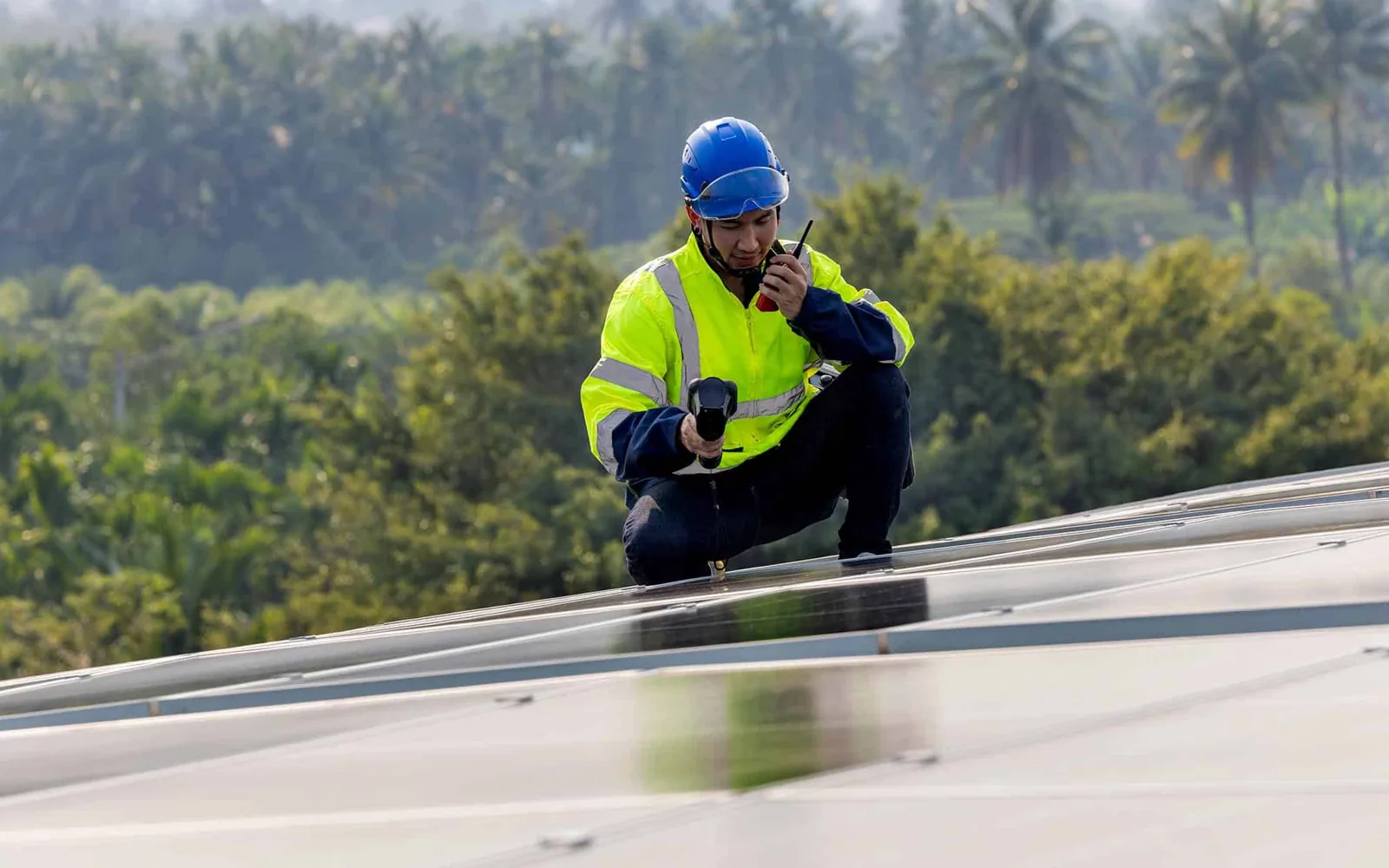
Repeated leaks, wet insulation, widespread seam failure or corrosion can indicate that isolated work will not meet the plant's needs. The proposal separates a defined repair, a recoverability review and full replacement, each with its own quantity, shutdown needs and daily closeout. A recover assessment considers retained layers, deck condition, attachment and drainage. Replacement identifies removal limits, new assembly, penetrations, edges and daily closure requirements.
The owner may need to compare more than roofing. A plant can require planned shutdowns, equipment moves, inspection holds and separate contractors. We state material supply, crew access, noise, hot-work controls and return trips in the schedule. If engineering or process modifications are outside our scope, the proposal names that boundary before the work is approved.
A manufacturing plant differs from a warehouse or flex-industrial building when production equipment and process conditions drive access. We verify the actual operation before adapting the work plan. Brownsville's commercial plan review follows locally adopted building requirements; project drawings confirm the specific code and wind details.
Closeout: Return a record the facility can use
Closeout identifies repaired details, completed roof sections, test areas, photos, materials and remaining conditions. The plant manager can see whether a temporary cover remains, which equipment access was restored and what follow-up is required. Tagged photos should not expose restricted process information if site rules limit photography; approved documentation procedures govern.
Send the Brownsville address, process schedule, roof plans, leak reports, access rules and maintenance contact. We will identify the first review area, coordinate the work window and return a scope that separates roofing tasks from production and mechanical responsibilities. Findings stay attached to the specific plant and roof section.
Related Roofing Work
Other roofing services and buildings we handle across Brownsville.
Questions About Commercial Manufacturing Plant Roofing
Can roofing be completed while our production line is running?
That depends on access, safety separation, noise, lifting, hot-work controls and the process beneath the roof. We identify work zones and approved hours with plant staff before scheduling. The plan marks any shutdown or restricted route.
Will your crew move rooftop process equipment?
Only if equipment handling is expressly included and assigned. We usually coordinate roof protection and flashing with the mechanical or process contractor, who controls connections and operation. The proposal identifies the interface and work boundary.
What if repair exposes wet insulation over a production area?
We secure the opening, photograph exposed materials and request approval for added work. The plant contact receives the temporary status and the next decision needed before the roof is closed.
How do you handle hot-work requirements?
The facility provides current permit, fire-watch, extinguisher and restricted-area procedures. We confirm those controls before work using heat is scheduled. If the specified repair method conflicts with site rules, we review an approved alternative.
What details change a manufacturing roof estimate?
Process access, roof height, penetrations, exhaust, equipment coordination, hot-work controls, material type and concealed moisture can change time or quantity. We record assumptions and excluded mechanical or production work.