
Commercial Roofing for Brownsville Public Agencies, TX
Request an agency roof scope
A public facility work request needs an address, roof section and approving contact before repair quantities can be assigned. We record the observed condition and return a scope that identifies included work and open decisions. Brownsville's Building Permits and Inspections Division reviews commercial plans, and the City adopted the 2018 International Building Code. Downtown Brownsville is a historic commercial district. Each public property needs its own access and approval record.
Send the Brownsville facility address, roof plans, public hours, access rules, procurement steps and approval contact. We will document the roof condition and included work by building. Call 555-555-5555 or use the form.
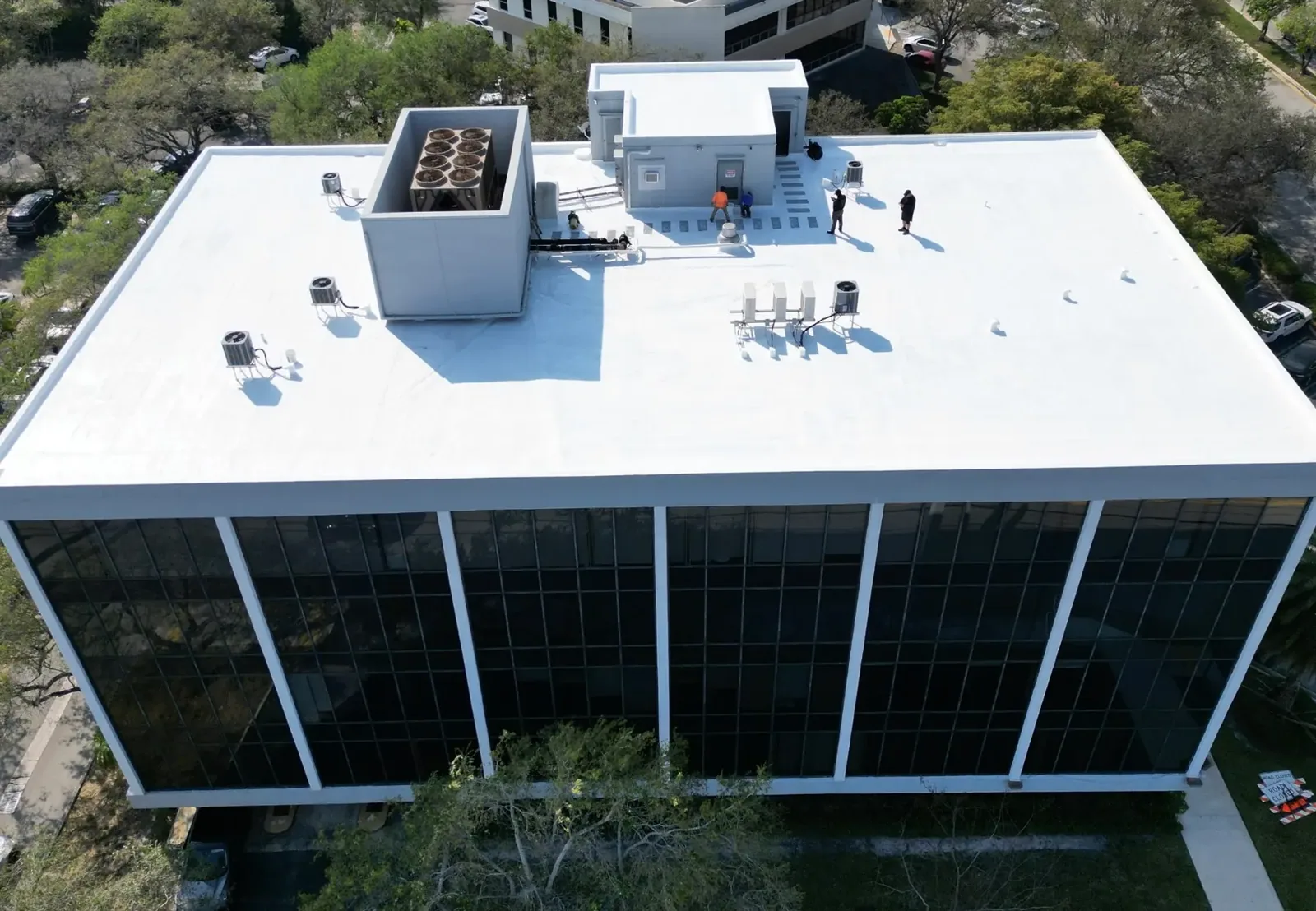
Record: Identify the facility and roof section
We map the reported room or public area to seams, drains, penetrations, curbs and transitions above it. The ceiling stain can sit below a different roof detail, so the report maps both the reported room and inspected section. The report names the roof areas inspected, visible conditions, layers not opened and any test needed to confirm concealed moisture. A commercial roof inspection can provide tagged photographs and a repair boundary tied to the facility address.
Public agencies may operate offices, service counters, libraries, clinics and maintenance buildings with different public hours. The facility contact identifies secure areas, accessible paths, records rooms and equipment that must remain in service. We record staging, lift access and affected entrances before proposing a sequence. That file gives procurement staff a defined work area and the assumptions used in the estimate.
The facility representative confirms any additional review that applies to the address before roofing is scheduled. A Downtown Brownsville assignment can require direct coordination around public entrances and street-side access. The building representative confirms any additional review that applies to a specific address before roofing is scheduled.
Coordinate: Keep public service routes available
Before mobilization, the agency identifies operating hours, visitor entrances, accessible routes, deliveries, safety rules and any service that must continue. We plan lifts and material staging so public paths remain clear. If an entrance or parking area must close temporarily, the work plan states the location, duration and notice needed. The agency names the person who can authorize a revised route or schedule.
The project designer confirms code, assembly and permit documents for the address; the agency confirms its procurement, review and work-hour procedures. We list those approval points with the roof quantity so the bid and field team use the same boundary.
For an occupied facility, each day's tear-off boundary is set to match the area the crew can dry in before leaving the approved shift. Temporary covers are recorded and assigned for monitoring. A phased occupied-building reroof can separate service counters or office areas when the building layout supports it. Public records handling, security, electrical and interior work remain with designated agency staff or specialists.
Repair: Document the work before adding scope
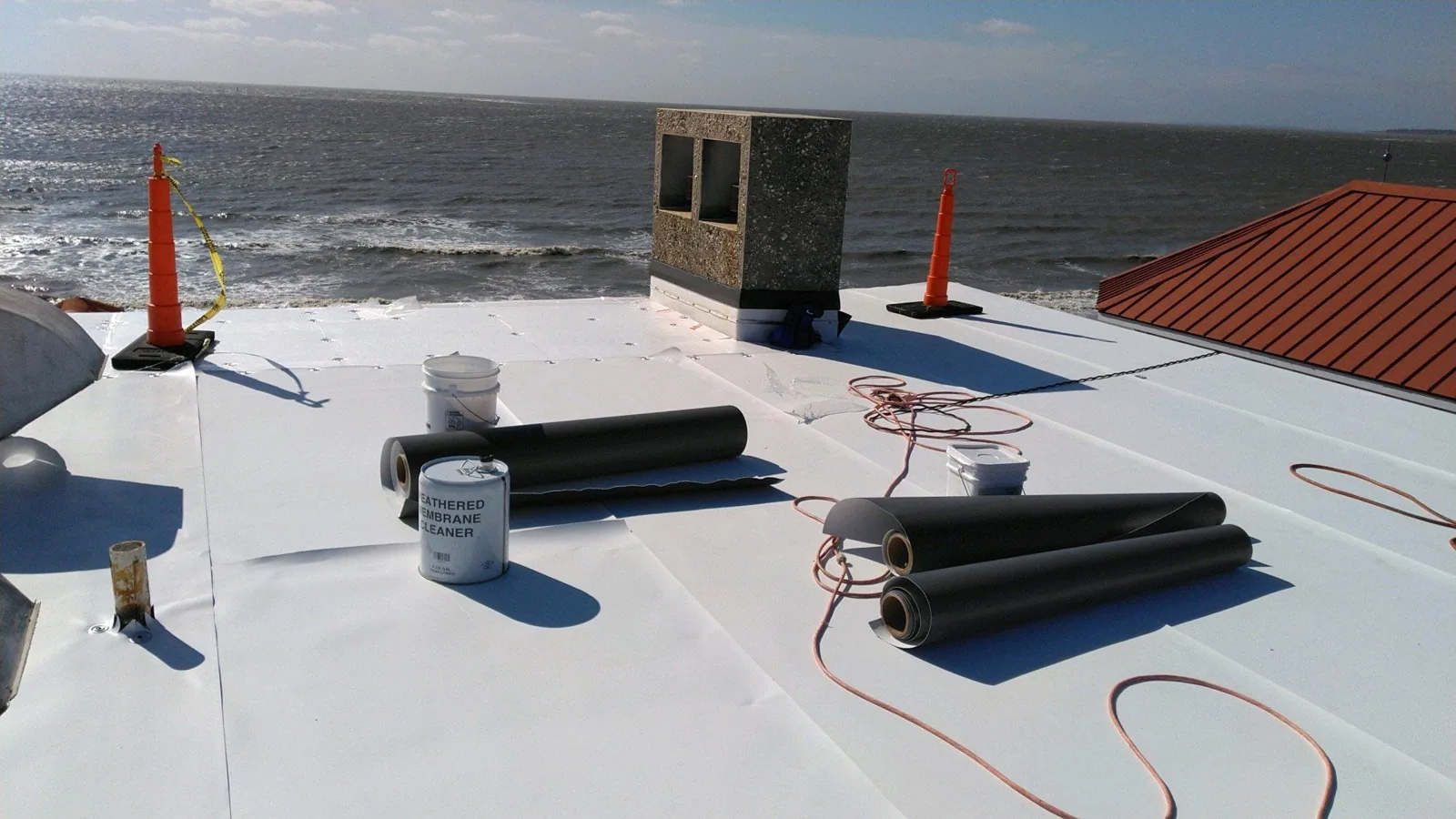
A repair proposal identifies the failed detail, preparation, materials, tie-in and roof area. When a deck or insulation issue appears beyond the approved repair limit, the crew documents it and waits for direction before expanding the agency scope. The agency reviews added quantity and cost before removal continues. The change record identifies what was found and why the original work area must change.
The public record for 2020 Hurricane Hanna includes wind, heavy rain and flooding across the Rio Grande Valley; an agency scope should not assign that damage to a building without inspection. After severe weather, an agency can direct checks at roof edges, drains, seams and equipment penetrations using its building plan. We report what is visible at the public property and whether temporary protection is needed. The event record informs inspection planning; site conditions determine the actual repair.
Public facilities can reach the emergency line outside normal business hours when water is actively entering the building. Access follows the facility's current security and procurement requirements. The report identifies the temporary cover, remaining exposure and permanent repair needed for approval. A storm-damage assessment can distinguish stabilization from planned work and tasks assigned to other trades.
Scope: Align roof quantities with public approvals
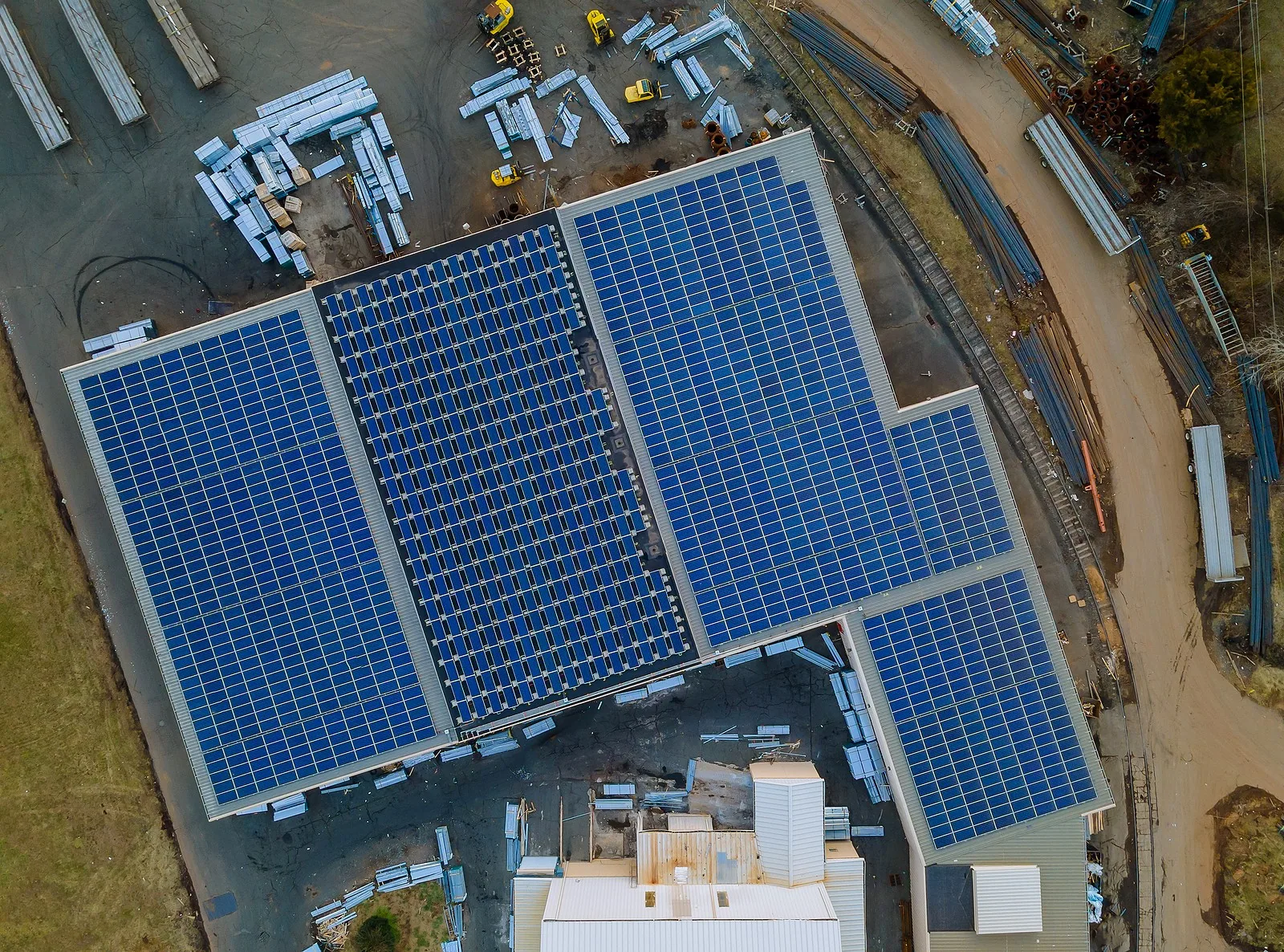
One leak may need a local repair. Multiple wet areas, failed attachment or deteriorated membrane can support a broader review. We compare roof layers, drainage and test results before recommending a recover assessment or replacement. The estimate names included buildings and roof sections so the agency can tie cost to the work request.
Brownsville's adopted code and permit-review process apply to commercial plans within city jurisdiction. The designer confirms code, wind, assembly and permit requirements for the address. For county, state or federal property, the agency identifies its contracting and approval path. We follow the assigned documents and make the roofing scope clear; legal review and public procurement determinations remain with agency staff.
Cost and schedule depend on access windows, public hours, secure areas, lift placement, staging, material supply, concealed layers and procurement timing. We list quantities, assumptions, exclusions and deliverables. If site conditions change the repair boundary, work pauses for an authorized decision before additional removal. That gives the agency a clear record for change review and final payment documentation.
A general contractor may coordinate roofing with a public capital project, while an insurance restoration scope may follow a covered event. The agency retains the approval route and identifies who may direct roof work.
Closeout: Return a file that matches the authorization
At closeout, we identify the agency property and roof section, list installed materials, attach photographs and record any work that remains open. It lists areas not accessed, temporary protection and tasks assigned to others. The agency can attach the record to the bid, work order and inspection file. Later reports can be compared with the same roof zone and approval boundary.
Send the Brownsville address, public hours, building contact, roof plans, security rules, procurement steps, reported conditions and approval authority. Identify public routes that must stay open and any period when work is restricted. We will identify inspection limits, included quantities and any test that requires separate authorization.
A return inspection documents completed work after exposure to weather. It states the date, roof sections reached and visible condition. If a different building needs attention, that facility receives a separate scope. A dated record helps agencies track public-building maintenance without treating one repair as a condition report for the entire inventory.
Related Roofing Work
Other roofing services and buildings we handle across Brownsville.
Questions About Public Agencies
Can a public counter stay open during roof work?
The agency identifies visitor hours, accessible routes, entrance requirements and service windows. We phase staging and roof activity around those limits. The written plan states any temporary closure and the staff contact who can approve a change.
What should an agency provide for a roof bid scope?
Provide the facility address, roof plan, reported condition, public hours, access rules, procurement steps and approval authority. Include inspection records and any specification or closeout format that must be followed.
How are unexpected conditions handled after a roof is opened?
We document the exposed material and stop at the approved quantity. The agency receives photographs, location, proposed work and cost impact for review before scope expands.
Can one inspection cover several public buildings?
We can schedule multiple properties, with observations and quantities reported separately by address. The agency identifies access contacts and decides which facilities are included. A portfolio summary can track status without combining conditions.
Who confirms permits and code requirements?
The project designer confirms design and permit requirements for the address. The agency identifies applicable jurisdiction and approval steps. We state the roof work and supply the submittals named in the approved scope.