
Commercial Skylight and Penetration Flashing in Brownsville, TX
Tag the opening before flashing repair
Water at a skylight curb or pipe boot needs a detail record before flashing is removed. In Brownsville, TX, we map the opening, photograph the curb or penetration and trace the roof tie-in. The field record identifies the visible failure, temporary protection and any layer that remains unopened. The approved repair then names the flashing, material and boundary instead of treating every rooftop opening as the same task.
Brownsville's summer normal highs reach more than 94 degrees from June through August. Heat can affect safe roof hours and the handling of sealants and membranes. At the Airport Industrial Park, aviation, air cargo and logistics are listed as target uses. The Paredes Line Road industrial property also lists dock access, so lift staging must be coordinated with the receiving area. The building contact confirms actual equipment and shutdown limits before flashing work.
Send the Brownsville address, building contact, roof plan and reported leak location. We will inspect the curb or penetration and return a defined repair boundary. Call 555-555-5555 or use the form.
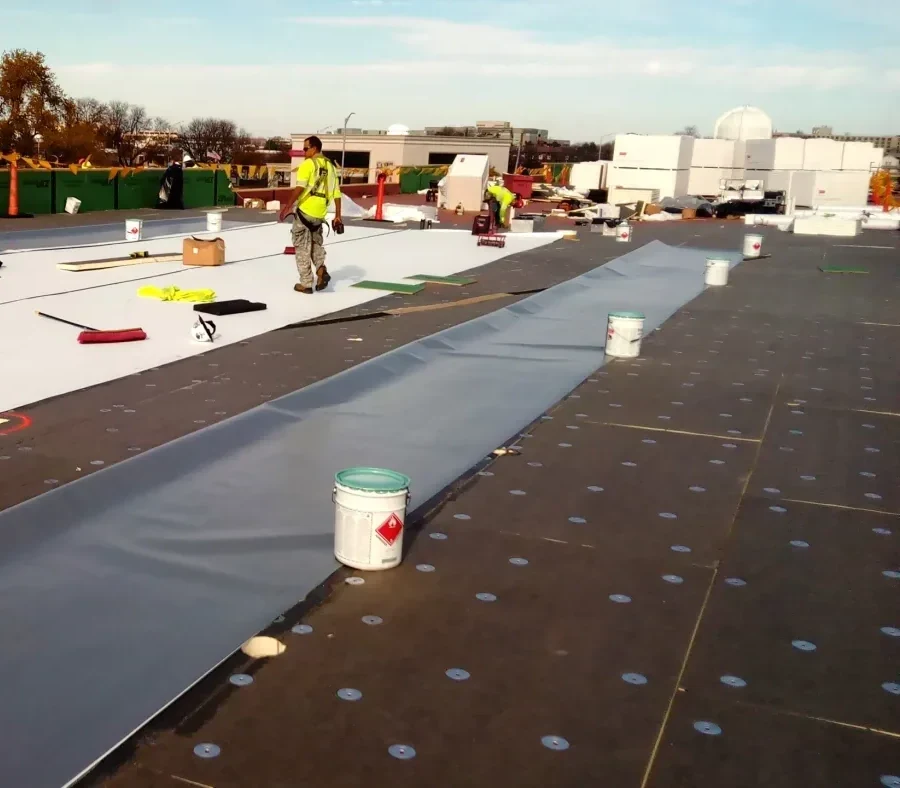
Detail check: Find the water path at each opening
We inspect the skylight glazing, frame, curb, cap, seals and flashing connection to the roof. A split seal may be visible at the unit, while the entry may occur where the curb meets the membrane. We photograph the full assembly, then close views of seams, corners, fasteners and transitions. For pipes and conduits, we check boots, clamps, counterflashing and patches around the penetration.
One leak report does not locate the exact opening. Water can travel beneath the roof surface before reaching a ceiling. We compare interior location with roof slope, nearby curbs and drainage, then mark any testing needed. A hands-on roof inspection can map other details in the same work area. If concealed moisture is suspected, an infrared survey may identify patterns for follow-up testing.
The record states whether the glazing, curb, flashing or surrounding field membrane was visible and accessible. It does not convert an untested area into a confirmed repair quantity. A test opening is proposed with its exact location and reason.
Skylight work: Keep the curb and roof connection compatible
Repair begins at the observed failure. We remove only the approved portion of flashing and check the exposed curb and membrane. The replacement detail must suit the roof system and the skylight profile. We tie corners, laps and terminations into sound material, then photograph the finished connection before covering adjacent work. If the curb or frame is loose, cracked or deteriorated, we identify that condition for the owner before proceeding.
Glazing and roofing are related but separate components. A cracked panel, failed glazing seal or frame problem may need a skylight specialist or replacement unit. We state which work belongs to the roofing scope and which item requires another trade. This prevents a flashing repair from being represented as a full skylight repair when the observed defect is in the glazing.
For a planned replacement, the drainage path and surrounding roof geometry are checked before the new curb is set. The insulation and cover-board scope may change the curb height and flashing transition. We coordinate dimensions and roof layers before materials are ordered.
Penetrations: Record each pipe, conduit and equipment curb
Pipe boots, electrical conduit, HVAC curbs and supports use different flashing details. We mark each opening on a roof sketch, identify its service and record the boot or curb condition. A collar that no longer holds tightly, a split at the base or an incompatible patch gets its own photograph. We confirm with the facility contact whether equipment can be shut down or moved before work begins.
New penetrations need a route and responsible trade before the roof is cut. We confirm location, support, sleeve and flashing sequence with the project team. If another trade installs equipment after roofing, the handoff names the temporary closure and permanent tie-in needed. Work is not concealed until the agreed inspection is complete.
Brownsville adopted the 2018 International Building Code. Commercial remodeling and new-construction plans are reviewed through the city's permitting process. A new opening or curb change may need project-specific review. We record the roof detail and proposed work so the design team can confirm the applicable requirements.
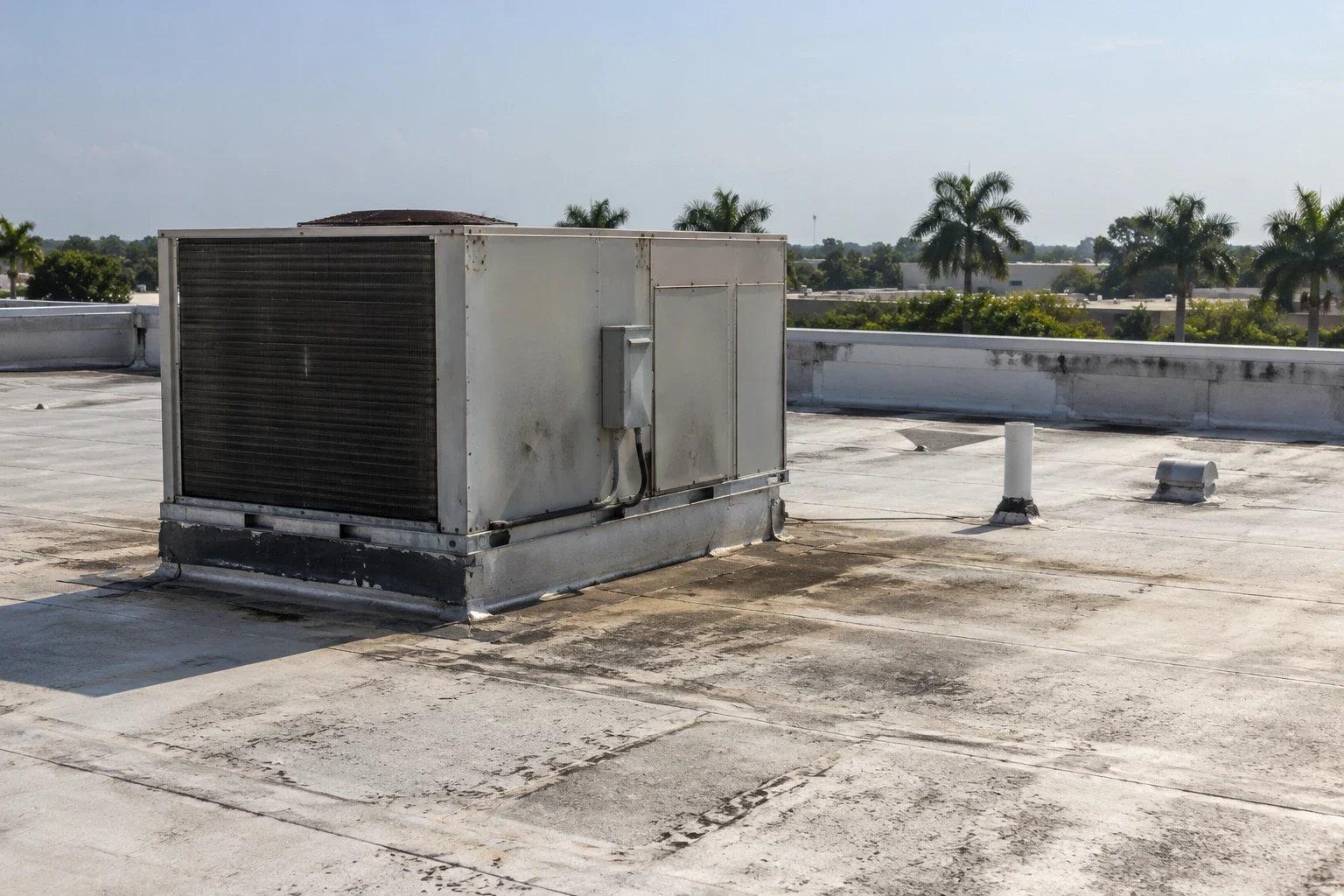
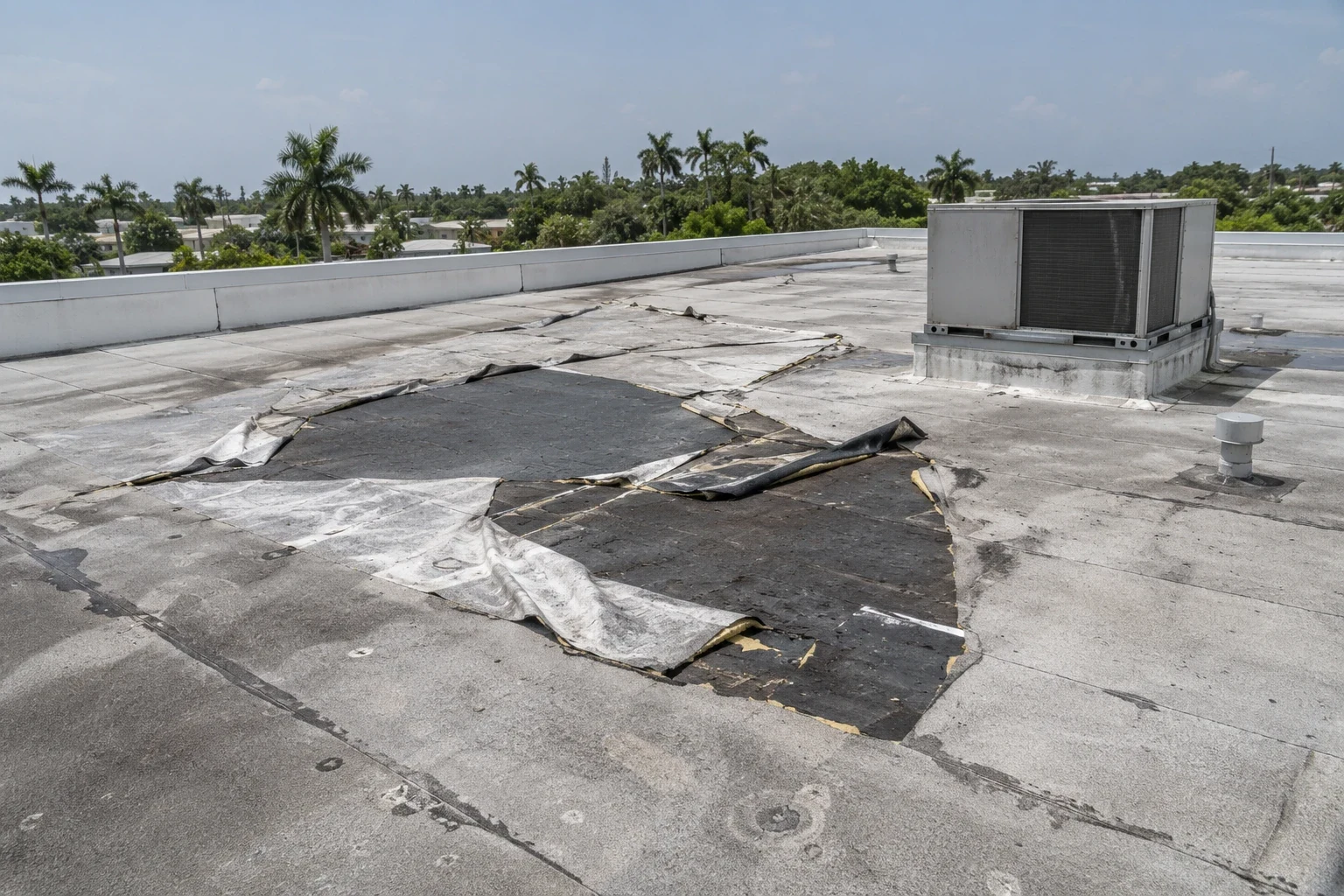
Local exposure: Plan for heat, wind and heavy rain
Brownsville averages about 140 days per year at or above 90 degrees. That recurring heat can affect sealant installation and safe access windows. We check the selected material's instructions and current roof conditions, then note the date and work area. The completed joint receives a closeout photograph and a return check if the detail needs monitoring.
During Hanna in 2020, strong wind and flood-producing rain crossed the Valley, and a small tornado was recorded in Brownsville. Those events make secure curb and penetration details useful items in a storm-readiness walk. The repair record remains tied to the condition inspected at the building. It identifies displaced flashing, broken seals or other observed damage by opening.
Downtown Brownsville is a historic commercial district with preservation-led redevelopment. If a skylight or opening is on a property there, the owner should identify existing finish and access requirements before replacement details are selected. We document the roof connection and coordinate the approved scope with the building representative.
Scope and cost: Keep unit work distinct from roof work
The estimate identifies each curb or penetration, removal limit, replacement flashing, compatible membrane, seal, fastener and test. It separates confirmed roof work from glazing, electrical or mechanical tasks. We list access equipment, protection below, shutdown coordination and any allowance for concealed material. If the exposed layer differs from the assumption, work pauses for a tagged photograph and written approval.
Timing depends on roof access, unit operation, material cure conditions, weather, number of openings and whether another trade must complete work first. Cost changes when a curb is unstable, the membrane is wet or the repair reaches a wider field area. We list those conditions separately so the owner can approve the specific added work.
A roof repair scope can address related membrane damage, and a maintenance visit can track the finished flashing and nearby drainage. For projects near Downtown Brownsville, we confirm staging and access with the property contact before mobilization.
Closeout: Return the opening record
Closeout identifies the building, roof section, opening, repair material, completed flashing and test result if performed. Before-and-after photographs show the tie-in and any adjacent condition left open. The facility manager can compare a later leak report with the repair boundary and direct a return visit to the same location.
Provide the Brownsville address, roof plan, skylight or equipment schedule, reported leak location and access contact. We will document each opening, separate roofing from other trades and return a repair scope for approval. The record notes what was completed and what still needs a separate decision.
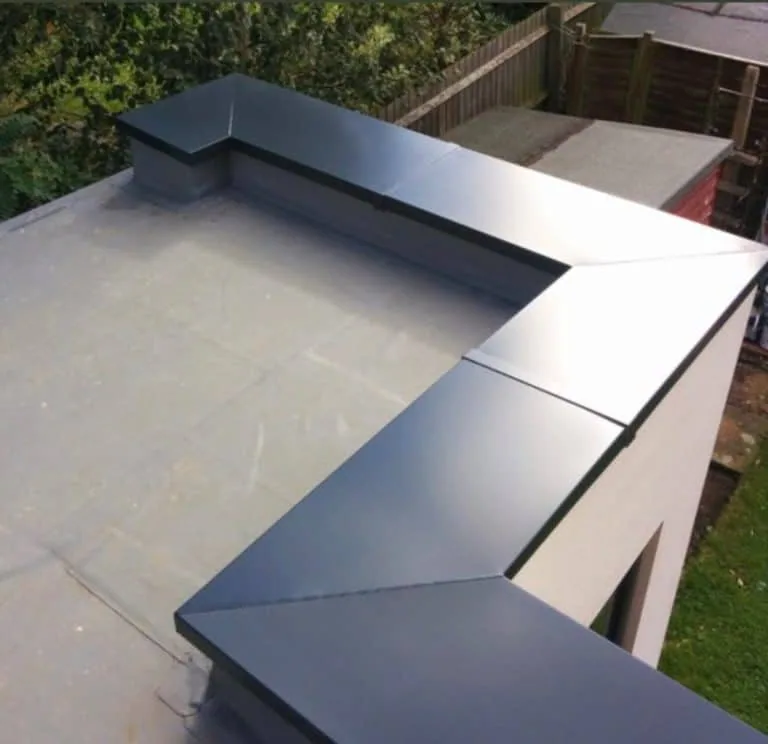
Related Roofing Work
Other roofing services and buildings we handle across Brownsville.
Questions About Commercial Skylight and Penetration Flashing
How do you tell whether a skylight leak is in the glazing or the roof flashing?
We inspect glazing, frame, curb and roof tie-in as separate components, then photograph the observed condition. Water can travel before it reaches the interior, so the ceiling location alone does not identify the failed detail. If testing or another trade is needed, the report names that step before the roofing scope is expanded.
Can you flash a new pipe or HVAC curb during a roof project?
Yes, after the location, support and trade sequence are approved. We coordinate the opening and compatible flashing detail, then record who completes the permanent closure. A new curb should not be placed until dimensions and roof layers are confirmed for that area.
What if removal exposes a wet curb or damaged insulation?
We photograph the exposed layer, secure the opening and identify the added quantity. The owner receives a change proposal before work crosses the approved boundary. If a mechanical or glazing component is involved, that item is listed separately for coordination.
What should a facility provide before a flashing inspection?
Share the roof plan, equipment or skylight schedule, interior leak location, access rules and a building contact. Identify any unit that cannot be shut down and any restricted area below the roof. We can then map the openings and set a safe inspection route.