
Commercial Roof Drain and Scupper Repair in Brownsville, TX
Map the drainage path before repair
Water held at a drain, scupper or low roof area needs a mapped drainage path before correction begins. In Brownsville, TX, we identify where runoff starts, where it collects and how it leaves the roof. The field record tags each outlet and the surrounding surface. It separates a blocked opening from a slope or capacity question, so the owner can approve the repair that matches the condition.
Hanna's 2020 passage combined intense rainfall, flooding and damaging wind across the Valley. That history makes functioning outlets and a clear discharge route useful storm-readiness checks. At the 802 Industrial Park, light manufacturing and distribution are among planned uses. Actual roof access, equipment and drainage still need inspection at the specific building.
Provide the Brownsville address, roof plan, ponding or leak location and site contact. We will identify the outlet, define the work boundary and return a repair record. Call 555-555-5555 or use the form.
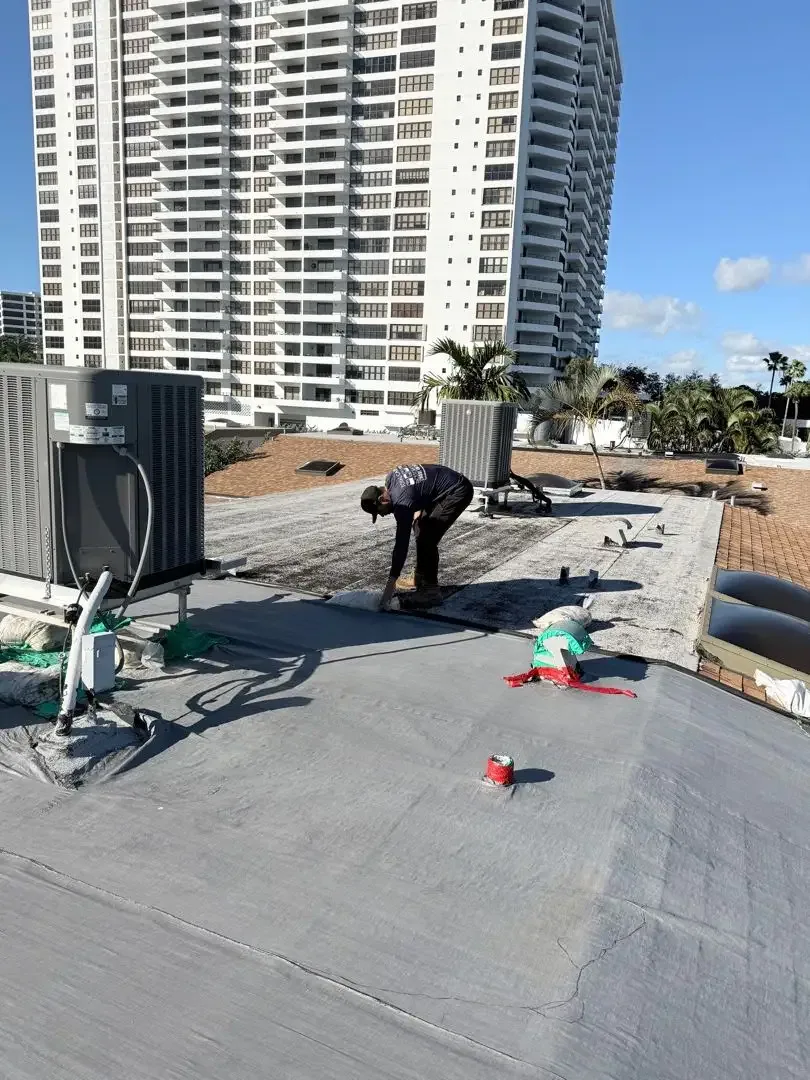
Flow map: Trace water to its outlet
We inspect drain bowls, strainers, rings, clamping hardware, scuppers, gutters, downspouts and visible discharge points. A tagged photograph records debris, displaced components, open seams or corrosion. We check the nearby roof surface and note water marks or low areas. Where safe access allows, a controlled water test may help confirm flow. We do not direct water across occupied interiors or electrical equipment.
The same roof can have several distinct drainage paths. We number outlets on a sketch and record which field areas feed each one. A roof inspection can document the full surface and related details. If water remains after debris is cleared, we identify whether a cricket, tapered insulation or drain relocation needs design review rather than treating the symptom as a cleaning task.
Drainage must stay clear during roof work. We protect open bowls from debris, check strainers before leaving and record any temporary condition. If another trade changes equipment or penetrations, the facility contact confirms that the flow path remains open before close-in.
Outlet repair: Correct the failed detail
A loose drain ring, split flashing or deteriorated seal can let water enter around the outlet even when the bowl is open. We identify the assembly where visible, remove only the material in the approved repair area and install a compatible detail. Photographs show the exposed layer, connection and finished tie-in. If removal reveals a larger wet area, we stop and request direction before expanding the repair.
Scupper work may involve the opening, surrounding flashing, edge metal and exterior conductor head. The discharge route must carry water away without releasing it over an entry or wall detail. A gutter and edge-metal repair can address connected perimeter components. We list each component separately so the owner can see where the roofing task ends and sheet-metal or building-envelope coordination begins.
Brownsville's port-region economy includes steel fabrication, food processing, energy and heavy manufacturing. At facilities that use loading areas or outdoor equipment, the discharge route can affect access below. We document the roof outlet and visible termination, then ask the site contact to identify any restricted area before testing or repair.
Ponding review: Separate blockage from slope
Standing water may remain because a strainer is blocked, an outlet is damaged, the roof has a low point or the drainage layout no longer suits the area. We document depth indicators, location, extent and duration when that information is available. A wet surface alone does not show whether insulation or deck is affected. If concealed moisture is a concern, the owner can authorize a targeted test before a broader correction is priced.
Correction may mean clearing, resetting a drain, repairing flashing, adding a cricket or reviewing tapered insulation. We state the design assumption and tie each proposed change to a marked location. A tapered insulation scope can establish a positive path where the assembly permits it. A ponding-water repair can address a defined area after slope and outlet conditions are reviewed.
Brownsville adopted the 2018 International Building Code. Altering drainage or roof assembly can raise permit and design questions that the project team should verify with the City. We describe observed conditions and proposed work; the applicable review is confirmed for the actual project.
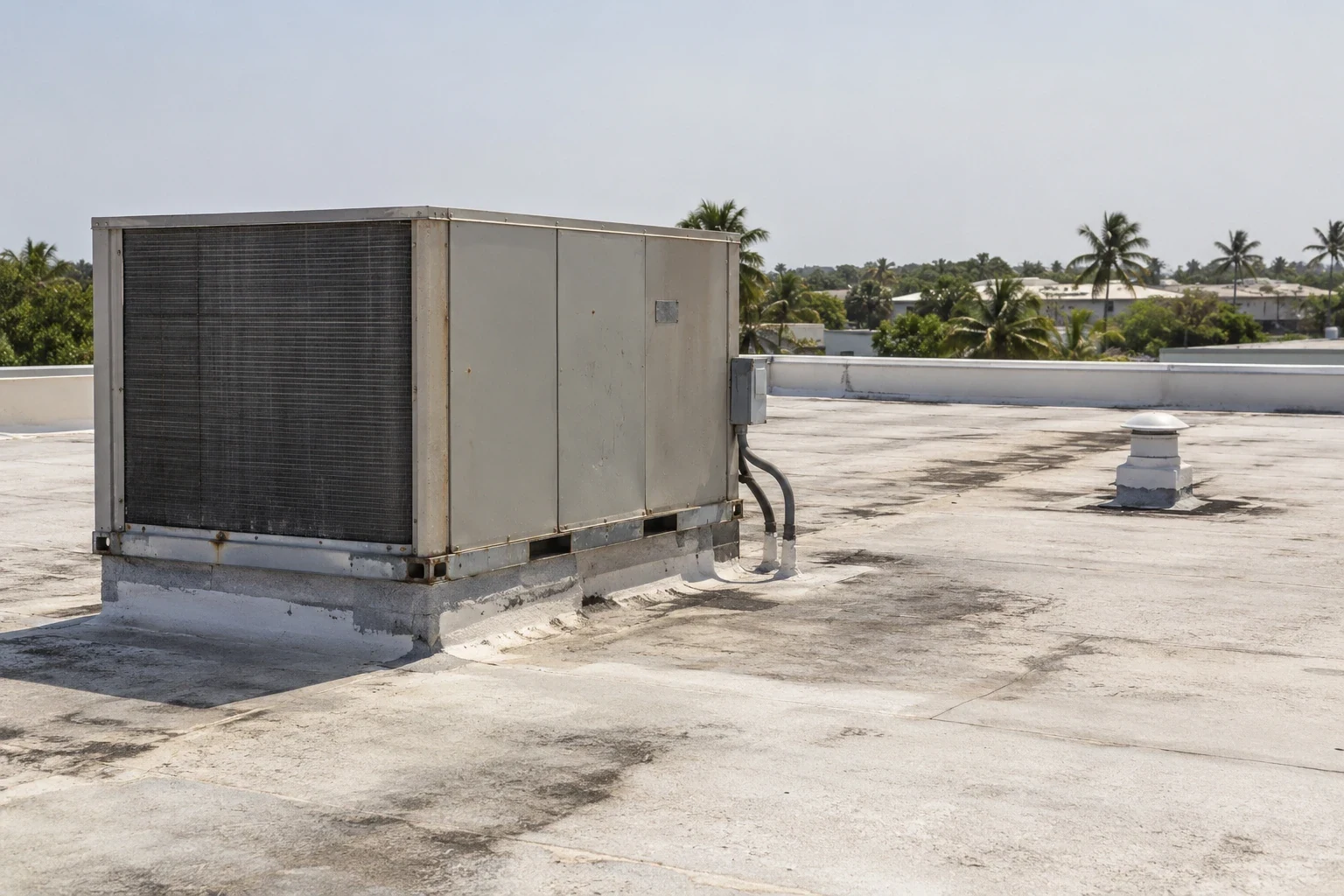
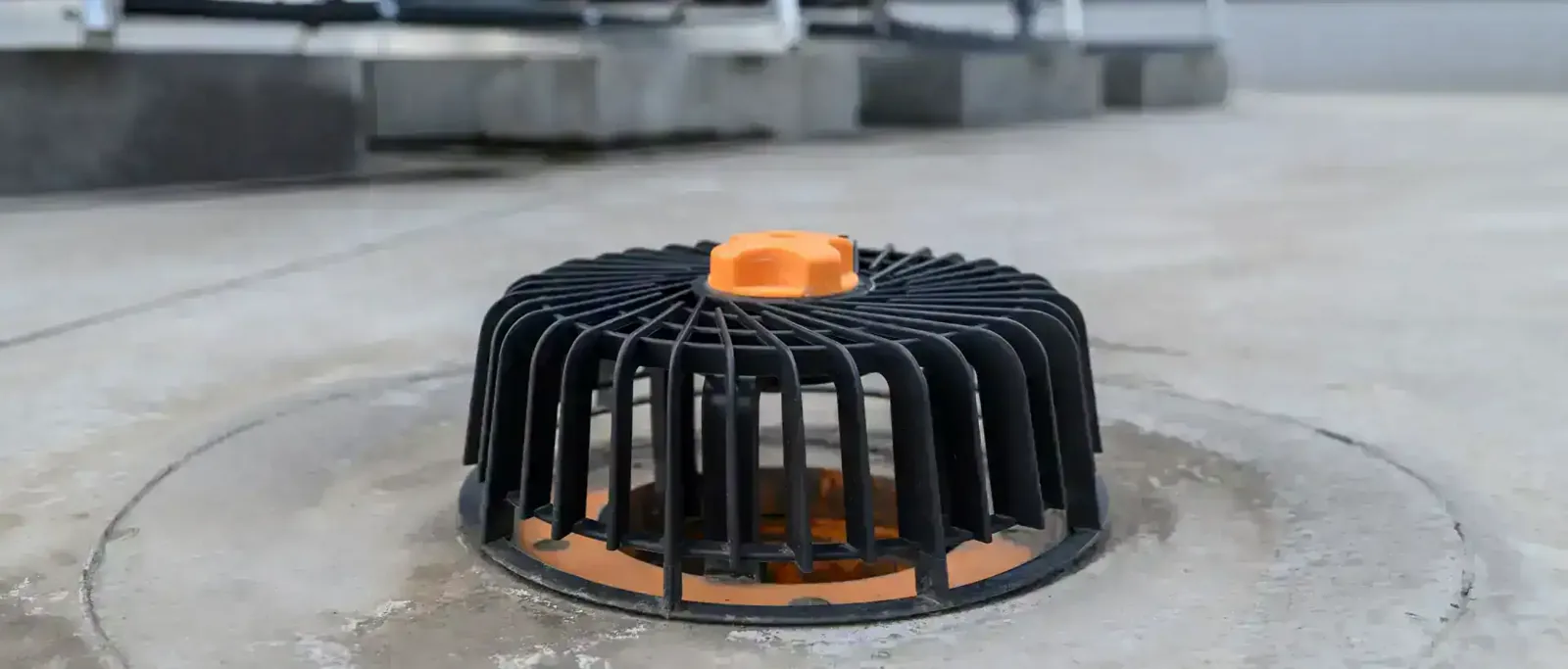
Weather control: Keep the system ready for heavy rain
A high of at least 90 degrees occurs on roughly 140 Brownsville days in a typical year. Heat can affect rooftop work hours and sealant or membrane handling. We schedule the repair within the selected material's conditions and record the date and area completed. A drain left open during construction is protected from material and checked before the roof is returned to service.
Hurricane Hanna brought damaging wind, heavy rain and flooding across the Valley. The drainage plan should account for roof runoff and discharge, not just a clear roof opening. We check that strainers are seated, scuppers are not obstructed and temporary covers do not divert water into an unplanned route. If the property has an active leak, emergency roof service can protect the opening while a permanent drainage correction is approved.
Near the Port of Brownsville, rail and freight movement are part of the operating context. The address determines vehicle access and roof rules. We coordinate staging and work areas with the facility contact before bringing materials to the site.
Cost and closeout: Record each corrected path
Cost depends on outlet type, flashing condition, access, roof layers, extent of wet material, sheet-metal work and whether slope correction is required. A cleaning task is priced separately from a repair or redesign. We identify measured quantities and allowances, then state what needs approval if a concealed layer is exposed. That keeps a drain correction from becoming an undefined roof replacement.
Closeout lists each drain or scupper checked, work completed, material used, flow test if performed and any route that remains under review. Tagged photographs show the outlet before and after repair. If an area could not be reached, the record names it and gives the reason. A return visit can verify the corrective work after rain or after another trade completes its task.
At Sunrise Mall near North Expressway, surrounding uses include retail and entertainment. That identifies a local operating context, not a roof condition. We coordinate below-roof access and runoff safeguards with each facility manager.
Handoff: Give the next decision a location
Send the Brownsville address, roof plan, reported ponding or leak location, photos after rain and site access contact. We will map the outlet, trace its drainage path and return an approved correction scope. If slope or concealed moisture needs further review, the field record names that decision before work expands.
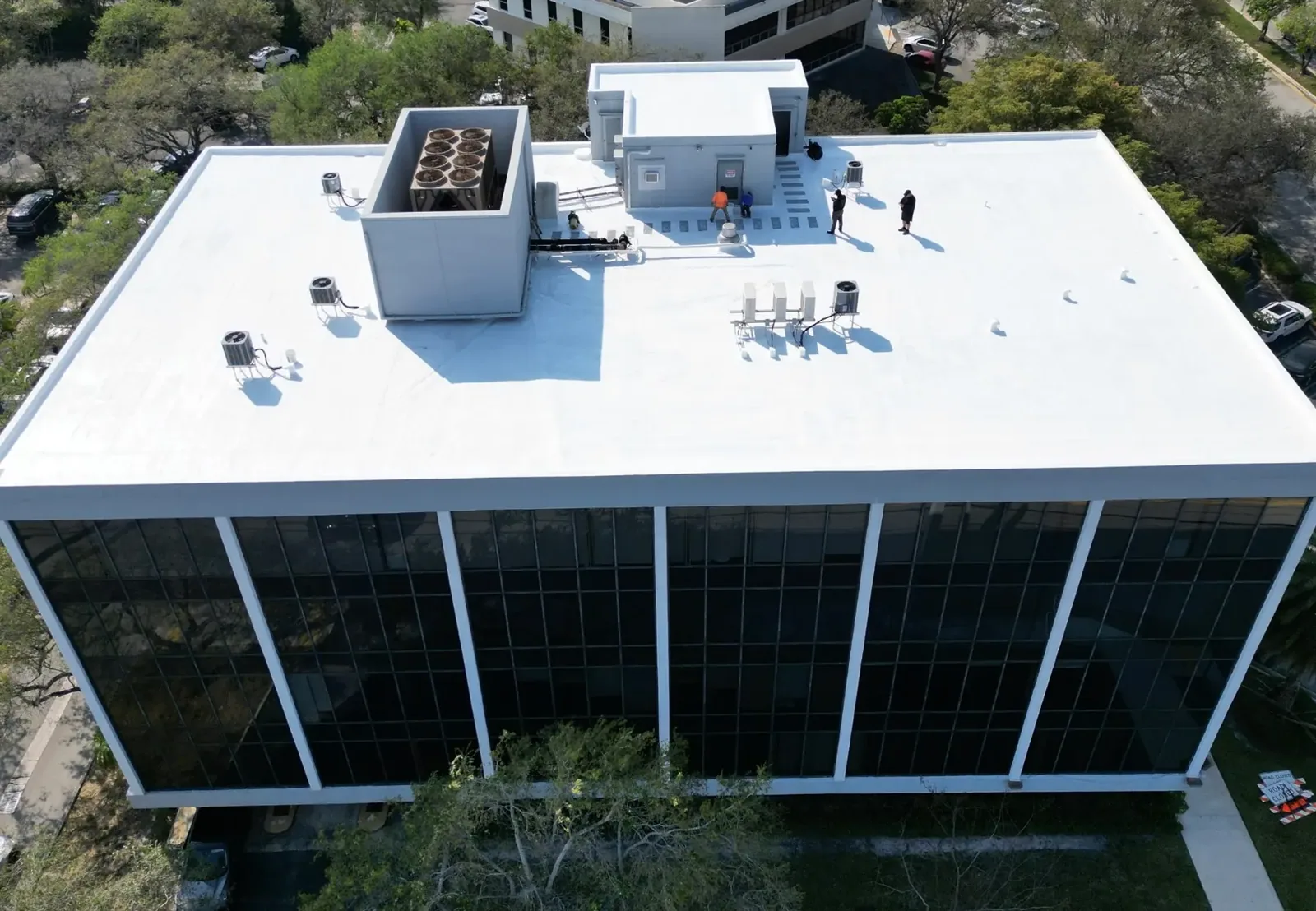
Related Roofing Work
Other roofing services and buildings we handle across Brownsville.
Questions About Commercial Roof Drain and Scupper Repair
What causes standing water around a commercial roof drain?
A blocked strainer, damaged outlet, low roof area or changed drainage path can leave water in place. We record outlet condition, nearby slope and visible water marks, then identify whether clearing or a larger correction is supported. Concealed insulation condition needs separate testing when indicated.
Can you add a cricket or tapered insulation to fix ponding?
That can be considered when the existing assembly and drainage layout support a slope correction. We map the affected area, check the outlet and identify design or permit questions before pricing the change. The proposal shows how the new path reaches a drain or scupper and what adjacent flashing must be modified.
How do you test whether a repaired drain is working?
Where safe access and conditions allow, we can use a controlled flow check and record the result. We also inspect the drain connection, surrounding flashing and visible discharge route. The report states what was tested and any part of the downstream route that could not be observed.
What should stay clear while roof drainage work is underway?
Keep roof drains, scuppers and gutters clear of tear-off debris and temporary materials. We protect outlets during work and check them before closeout. The site contact should identify equipment, entrances and discharge areas that need protection from runoff or overhead work.