
Commercial Roof Coating Restoration in Brownsville, TX
Check the roof before selecting a coating
A coating belongs on a roof that is sound enough to receive it. In Brownsville, TX, we check the existing surface, drainage, seams and penetrations before setting a restoration boundary. The field record states what was tested, what was repaired and which areas remain uncertain. A coating can renew a suitable assembly. It cannot correct wet insulation, a moving deck or a drainage problem by covering it.
Brownsville averages about 140 days each year with highs of at least 90 degrees. That heat load makes surface condition and product installation limits part of the plan. Near the Port of Brownsville Business Park, freight and manufacturing activity can affect access and scheduling. The building contact confirms the actual roof conditions and operating windows before work is priced.
Send the Brownsville address, roof history, leak locations and access contact. We will define the inspection and repair boundary, then return an application plan for approval. Call 555-555-5555 or use the form.
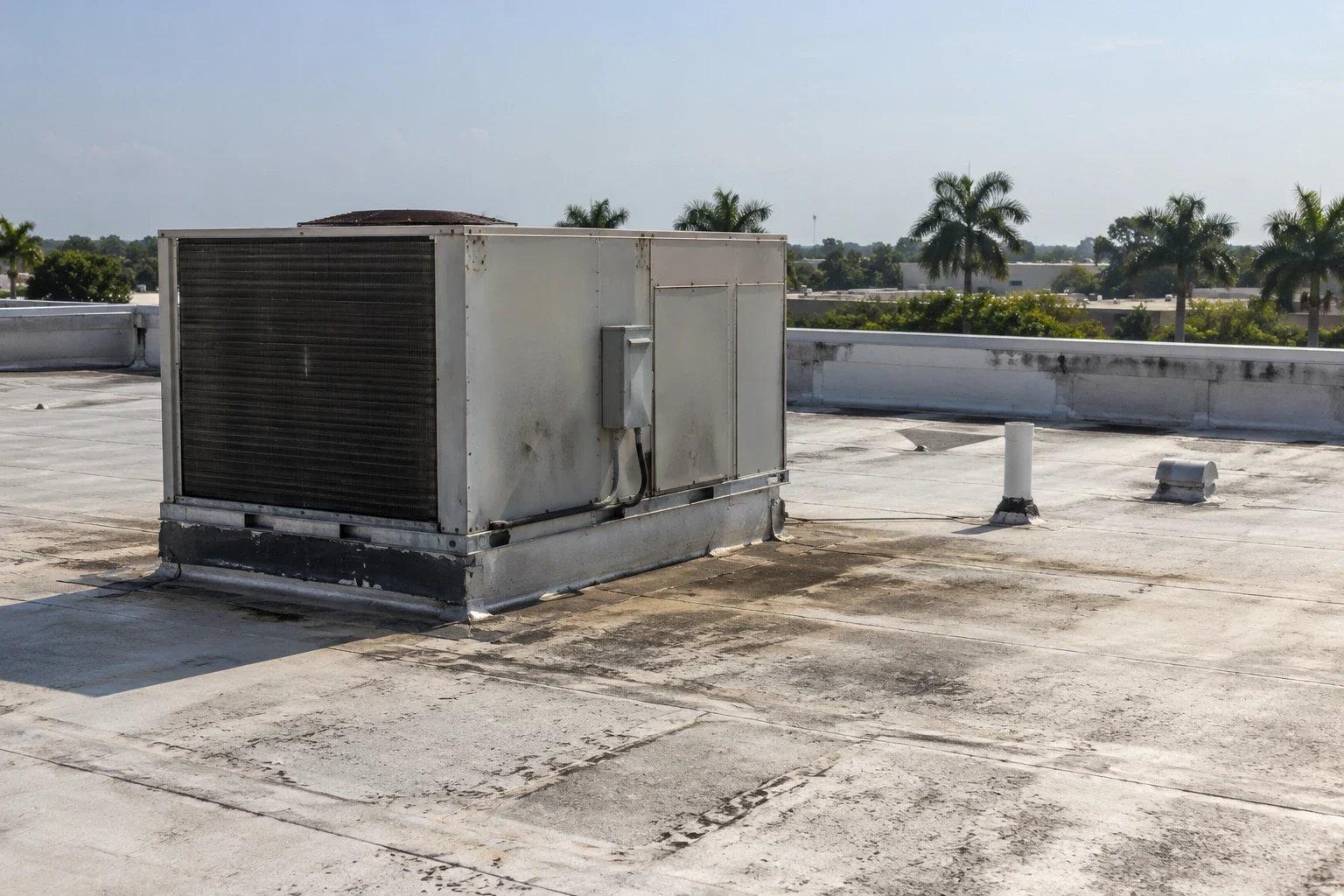
Eligibility: Confirm the roof can take a coating
We begin with the existing system and its failure points. The inspection maps blisters, open seams, loose flashing, punctures, rust, ponding and previous patches. We note whether the surface is clean, dry and firmly attached. Where moisture or adhesion is uncertain, we identify a test area and wait for approval. The result determines whether coating remains an option or whether repair, recover or replacement needs a separate comparison.
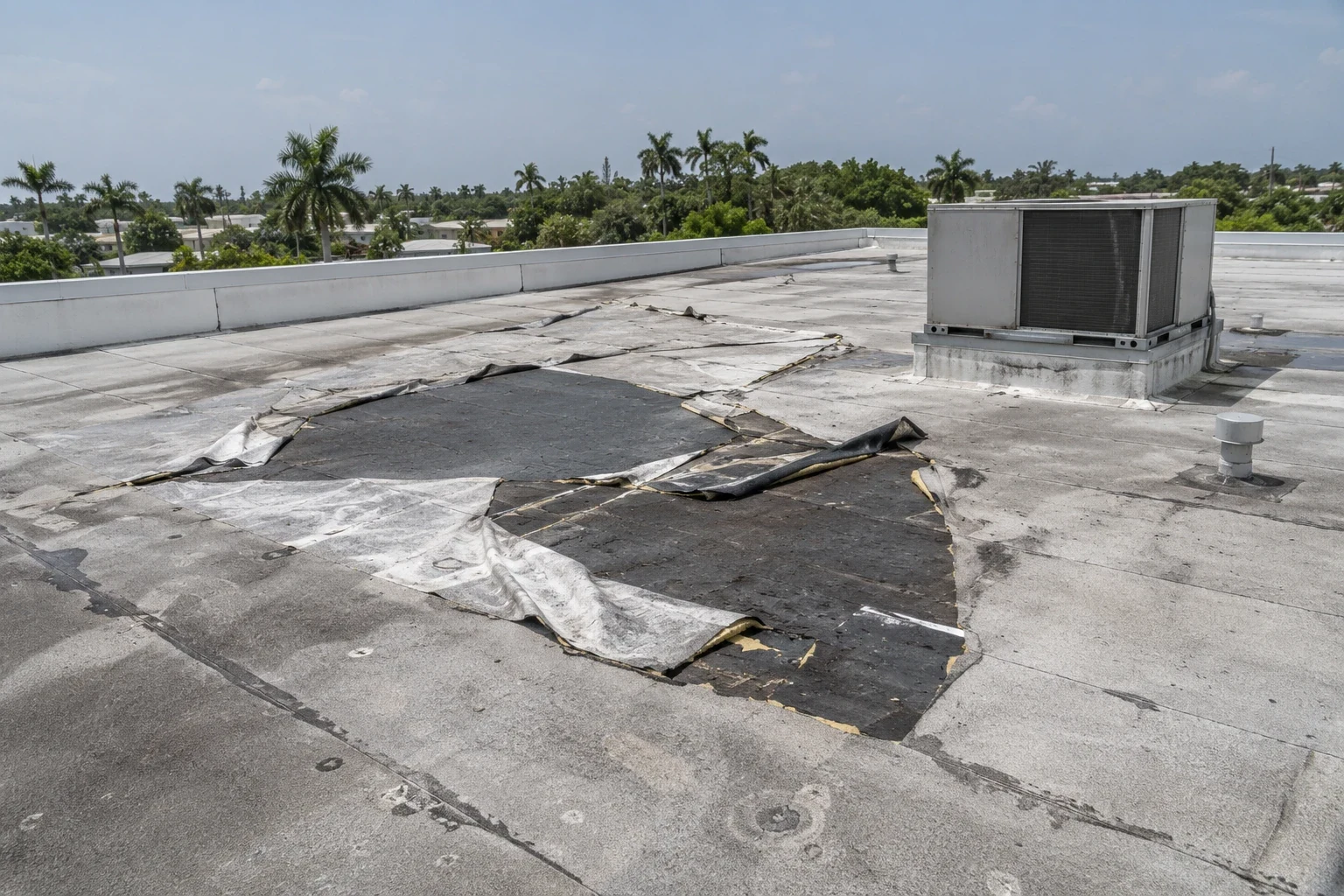
Coatings do not bridge every defect. A moving seam, saturated insulation or compromised deck requires correction before a liquid system is considered. Drainage paths must remain open. Curbs, skylights, wall transitions and perimeter edges need details compatible with the selected material. A hands-on inspection documents visible conditions; an infrared moisture survey can help locate patterns that merit confirmation through targeted testing.
The written evaluation marks sampled areas, readings and limits. Infrared indications are not treated as a confirmed wet layer until the approved test supports that finding. We identify repairs needed before coating and the portion of the roof that remains outside the proposed boundary.
Repair first: Close leaks and restore drainage
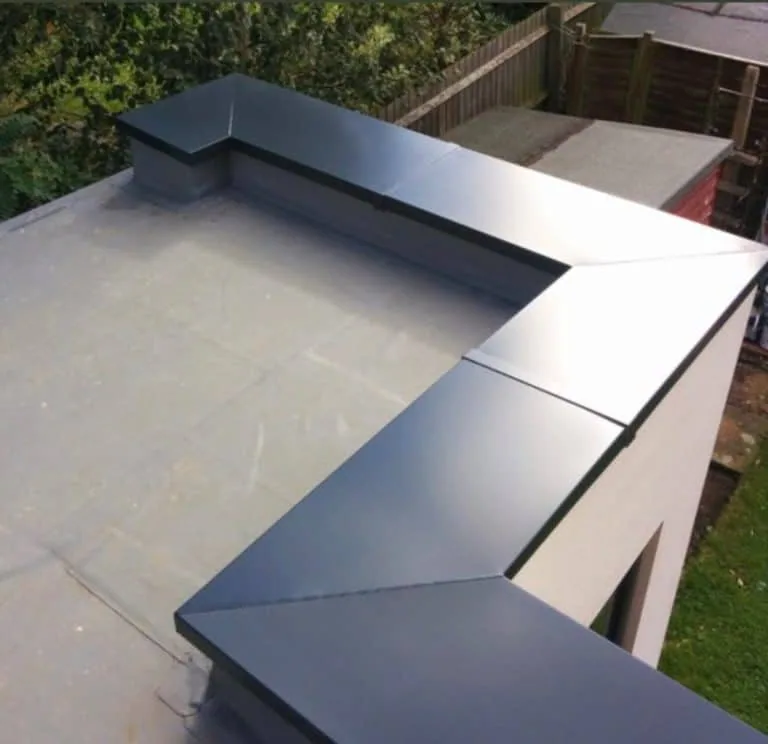
Before application, the roof needs a stable surface. We remove loose material only within the approved scope, repair seams and penetrations with compatible details, and address localized wet materials when confirmed. Rusted metal, failed fasteners and open edge terminations receive a defined repair. Each item has a tagged photograph and a location so the owner can see what must be complete before the coating crew starts.
Water that stays on the roof can shorten the value of a restoration. We inspect drain bowls, scuppers, gutters, crickets and discharge paths. If ponding reflects a low area or obstructed outlet, that condition is recorded separately from surface coating. A drainage correction can be approved as its own task. At the 802 Industrial Park, FM 802 links industrial, warehousing and distribution uses; those facts help frame delivery planning, while the actual facility determines access and roof conditions.
After repairs, the field record marks which areas are ready and whether a return visit is needed. If a test patch reveals poor bond or the existing surface remains unstable, we stop before broad application. The owner can compare another system or a replacement scope against the documented findings.
System choice: Match material to the existing assembly
Silicone and acrylic coatings have different application and performance characteristics. We review substrate compatibility, surface preparation, reinforcement needs, detail transitions and exposure before naming a system. The product instructions govern thickness, cure conditions and application. We state the selected material and detail in the proposal instead of treating every coating as interchangeable.
A silicone coating system and an acrylic coating system each need a compatible, prepared substrate and suitable weather window. We confirm whether the existing membrane or metal is eligible, how penetrations will be reinforced and how edges terminate. If the application requires a primer or test patch, the scope records that step and the result before the larger area proceeds.
Brownsville adopted the 2018 International Building Code. A coating project may still require review depending on the work and the applicable permit rules. The city reviews commercial remodeling and new-construction plans. We identify the roof work and give the project team information needed to confirm local requirements before mobilization.
Application: Control the prepared area and daily stop point
Application begins after the roof is clean, dry and accepted for coating. We protect drains, equipment and surfaces that should not receive material. The crew follows the approved coverage rate and checks the installed film against the product requirement. Reinforcement is placed at specified seams or transitions. Work proceeds in sections that can be completed and protected before weather or shift end.
Brownsville summer highs reach the mid-90s under climate normals, with around 140 days per year at 90 degrees or above. Heat can change application conditions and safe crew hours. We check surface temperature, forecast and product limits before starting, then record the work area and stop point. In 2008, Dolly's winds and rain damaged roofs and structures throughout the Lower Rio Grande Valley. Edge securement and temporary protection remain important planning items when severe wind threatens.
Work near FM 802 and Ruben M. Torres Boulevard may have industrial delivery constraints. The facility contact approves staging and roof access. If conditions shift, the crew secures the active area and records any return work rather than leaving the next shift to infer what remains open.
Limits: Compare restoration with replacement
Coating can be a fit when the existing assembly is stable and the repair boundary is limited. Replacement becomes a stronger option when layers are wet, the deck is deteriorated, failures are widespread or the surface cannot support adhesion. A recover may also be considered if existing layers, drainage and code allow it. We compare these paths using the same roof sections and known conditions so the owner can see what each scope includes.
Cost drivers include cleaning, repair quantity, primer, reinforcement, access, equipment protection, number of coats and testing. Hidden damage can change the scope after an approved test opening. We list allowances separately and document any change before material is applied over the affected location. A maintenance visit can track coating condition, drainage and details after closeout.
If a current leak needs immediate protection, our response is available at any hour, including nights, weekends and holidays. A temporary cover can control exposure while the permanent restoration decision is reviewed. Emergency work does not substitute for checking whether the full roof is eligible for coating.
Closeout: Return the test and application record
Closeout identifies substrate repairs, primer, coating product, treated roof sections, application conditions and inspection results. Tagged photographs show transitions, drains, penetrations and edge details. We list exclusions, deferred work and any area that needs a return visit. The facility manager can compare that record with later maintenance without confusing repaired areas with untreated sections.
Provide the Brownsville address, existing roof records, leak history, access contact and known system. We will inspect the surface, define any test or repair boundary and return a coating plan for approval. The field record names what supports restoration and what would need a different scope.
Related Roofing Work
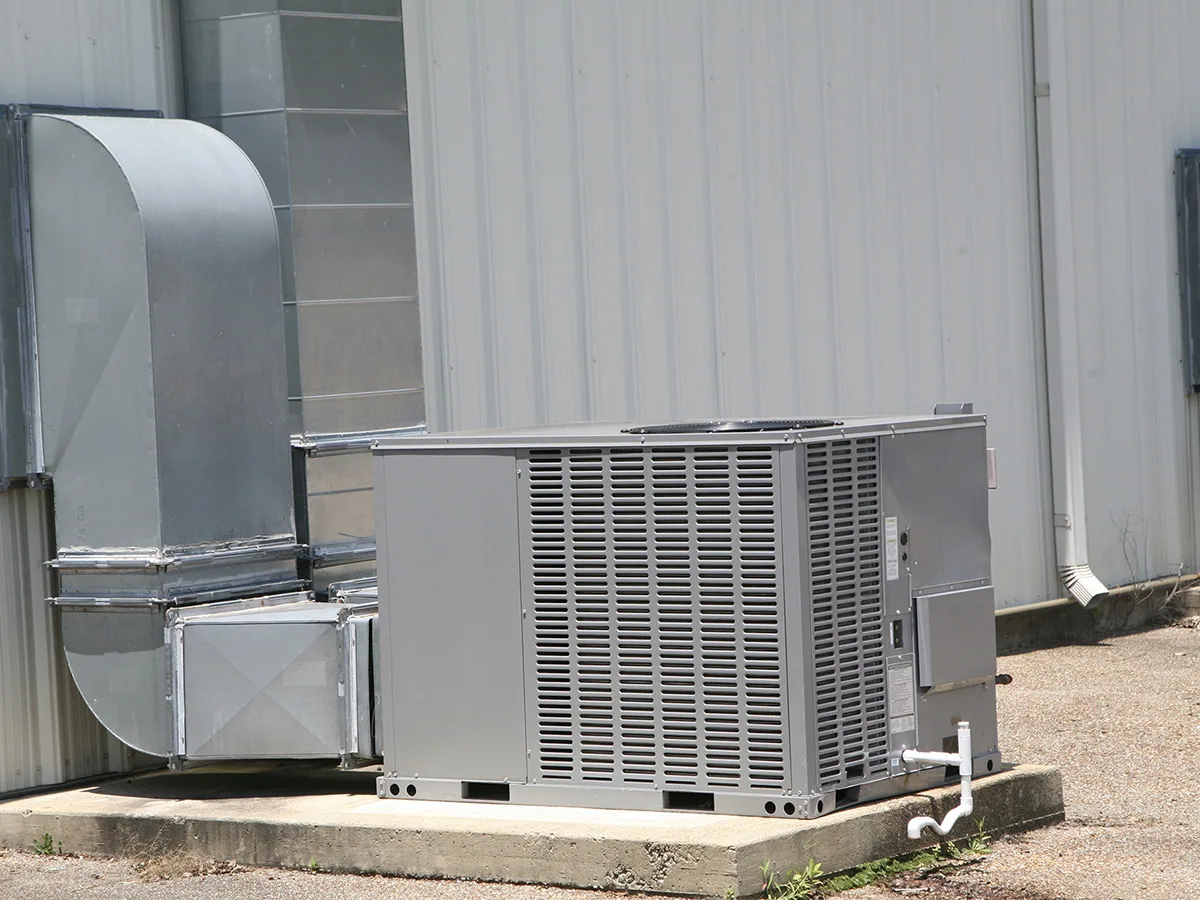
Other roofing services and buildings we handle across Brownsville.
Questions About Commercial Roof Coating Restoration
How do you decide whether a roof is suitable for coating?
We inspect the existing surface, seams, penetrations, drainage and visible repairs, then identify tests needed to check adhesion or concealed moisture. A coating proceeds only on a prepared, compatible area. If the assembly or deck is unstable, the report names the condition and compares repair, recover or replacement instead.
Can a coating stop an active leak by itself?
The leak path and damaged detail need repair first. We locate the opening, correct compatible flashing or seam conditions and confirm drainage before application. If water has reached concealed layers, an approved test may be needed to set the full repair boundary.
Which preparation and restoration items appear in a coating scope?
It identifies the existing surface, preparation, repair items, selected coating, reinforcement, edges, penetrations, coverage area and inspection steps. We list exclusions and any test patch or concealed-condition allowance. The record also names weather limits and the daily area that will be completed and secured.
How does Brownsville heat affect coating work?
High temperatures affect safe work periods and may change the product's surface and application limits. We check current conditions against the selected system instructions before applying material. If the roof surface falls outside those limits, the schedule moves and the prepared area is secured for a later shift.