
Commercial Spray Polyurethane Foam Roofing in Brownsville, TX
Check the foam before adding coating
A worn coating over spray foam exposes a repair question before it becomes a replacement decision. We inspect the topcoat, foam condition, drainage and penetrations, then record what needs restoration. Brownsville has an annual mean temperature of 76.2 degrees and substantial cooling demand. At Paredes Line or the airport industrial park, a building's operations and roof access still need confirmation before a foam system is scoped.
Send the Brownsville address, coating history, roof records and reported condition. We will inspect foam, details and drainage, then define restoration or replacement options. Call 555-555-5555 or use the form.
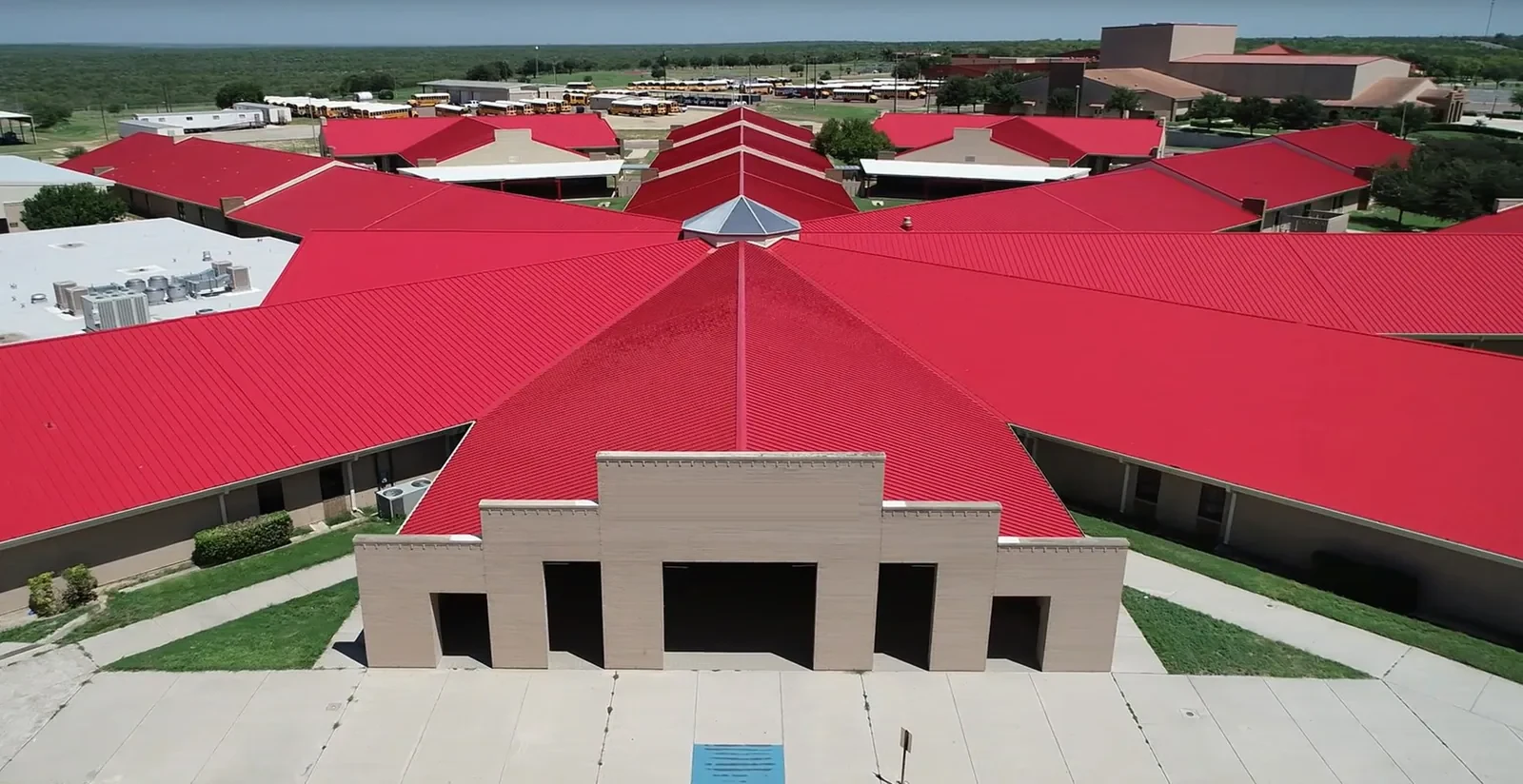
Inspect: Separate foam from protective coating
Spray polyurethane foam roofing uses a sprayed foam layer shaped to the roof, protected by a coating. We check coating erosion, splits, blisters, punctures, exposed foam, ponding, curb transitions and prior patches. The coating protects the foam from weather and sunlight. Once protection wears through, water can enter the foam or reach the substrate. We map exposed areas and determine whether foam is dry and stable before describing restoration.
Moisture can travel beneath the surface. We review interior reports, roof drainage, penetrations and the pattern of coating failure. If the foam or deck condition cannot be confirmed visually, we identify a test opening or survey that could resolve it. The report marks tested sections and areas not opened. A roof inspection can document that baseline before an owner approves another coating layer.
Brownsville's warm climate and heavy cooling demand make roof insulation and surface condition relevant to building operation, but a roofing scope cannot predict utility savings by itself. We record the foam depth where established, repair areas and coating system. Energy analysis needs building use, HVAC performance and utility data beyond the roof.
Repair: Rebuild foam and restore coating
Restoration begins with cleaning and testing the existing coating for adhesion. We remove loose coating, cut back damaged foam to sound material and rebuild the profile before applying compatible foam and protective layers. The coating must cover the repaired area and tie into sound material. A skim coat over soft, wet foam leaves the problem beneath the surface.
At curbs and penetrations, we reinforce transitions and maintain a continuous water-shedding detail. We inspect drains, scuppers and low areas so new coating does not block outlets. If drainage correction is needed, drainage work belongs in the scope. A recover or replacement may be a better option where wet foam or substrate damage is widespread.
Brownsville's heat affects safe work periods, foam application and coating cure. Moisture and weather conditions must fit product requirements. We plan work in manageable sections and protect foam while the new coating is incomplete. If rain interrupts the work, the field record identifies temporary protection and the return step. The site contact receives notice of any path that remains closed and the conditions required before the crew resumes application. Emergency response can stabilize active water entry outside regular hours, with permanent restoration scheduled when the roof is safe and conditions allow.
A coating restoration scope states cleaning, foam removal, repair quantities, application method, coating layers, detail reinforcement and exclusions. Where a silicone or acrylic system is considered, product compatibility and existing coating chemistry must be verified. We can compare silicone and acrylic coating options against the actual SPF surface and project documents.
Compare restoration with replacement
A sound, dry foam assembly may support localized repair or recoating. Widespread wet foam, adhesion loss, repeated punctures or damaged deck can require removal. We document the evidence and compare restoration with replacement. A separate recover evaluation is considered only when the underlying roof and project requirements allow the retained system to remain.
Brownsville adopted the 2018 International Building Code. The City reviews commercial permits and plans; project design confirms current requirements and approved details. The selected system's documents govern foam thickness, density where specified, coating build, substrate preparation and termination. We identify any inspection hold points and confirm who can approve a revised detail if field conditions differ from the drawings. We include those values in project submittals rather than use a generic coating specification.
Cost depends on foam removal, profile repairs, coating preparation, number of penetrations, access, weather windows and testing. We measure known areas and state how concealed conditions will be handled. If opening one section reveals wet insulation or a damaged deck, we pause at the approval boundary and return photos for direction before expanding work.
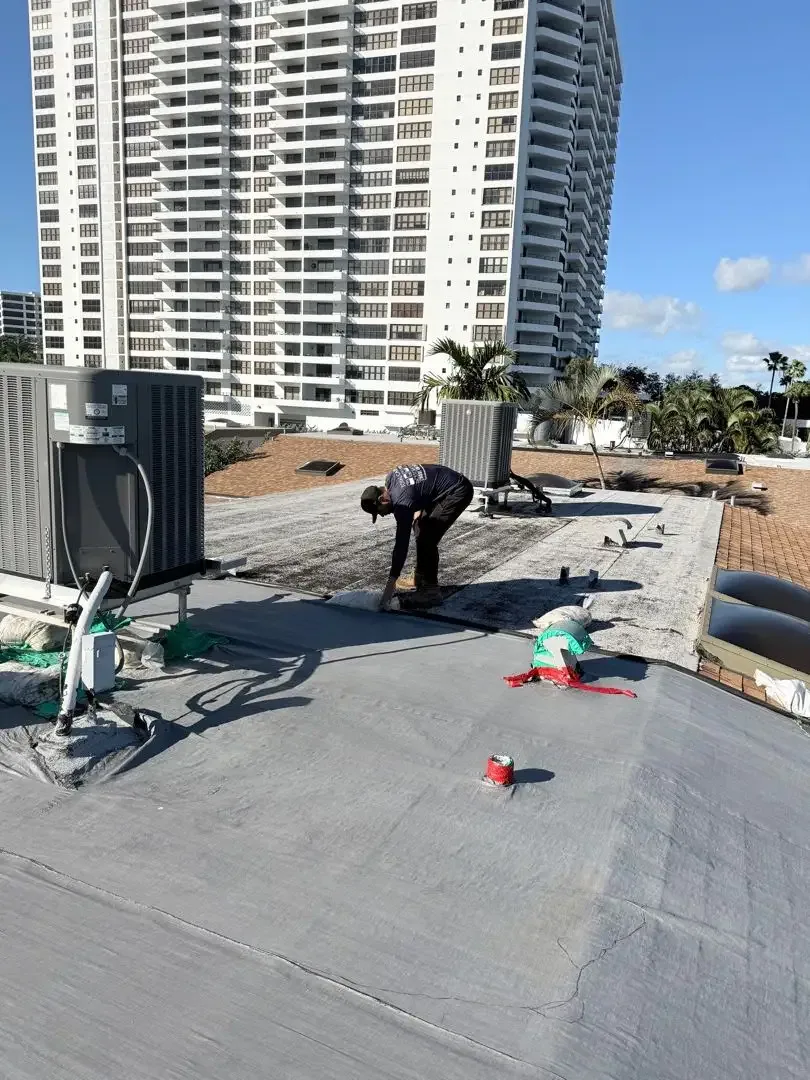
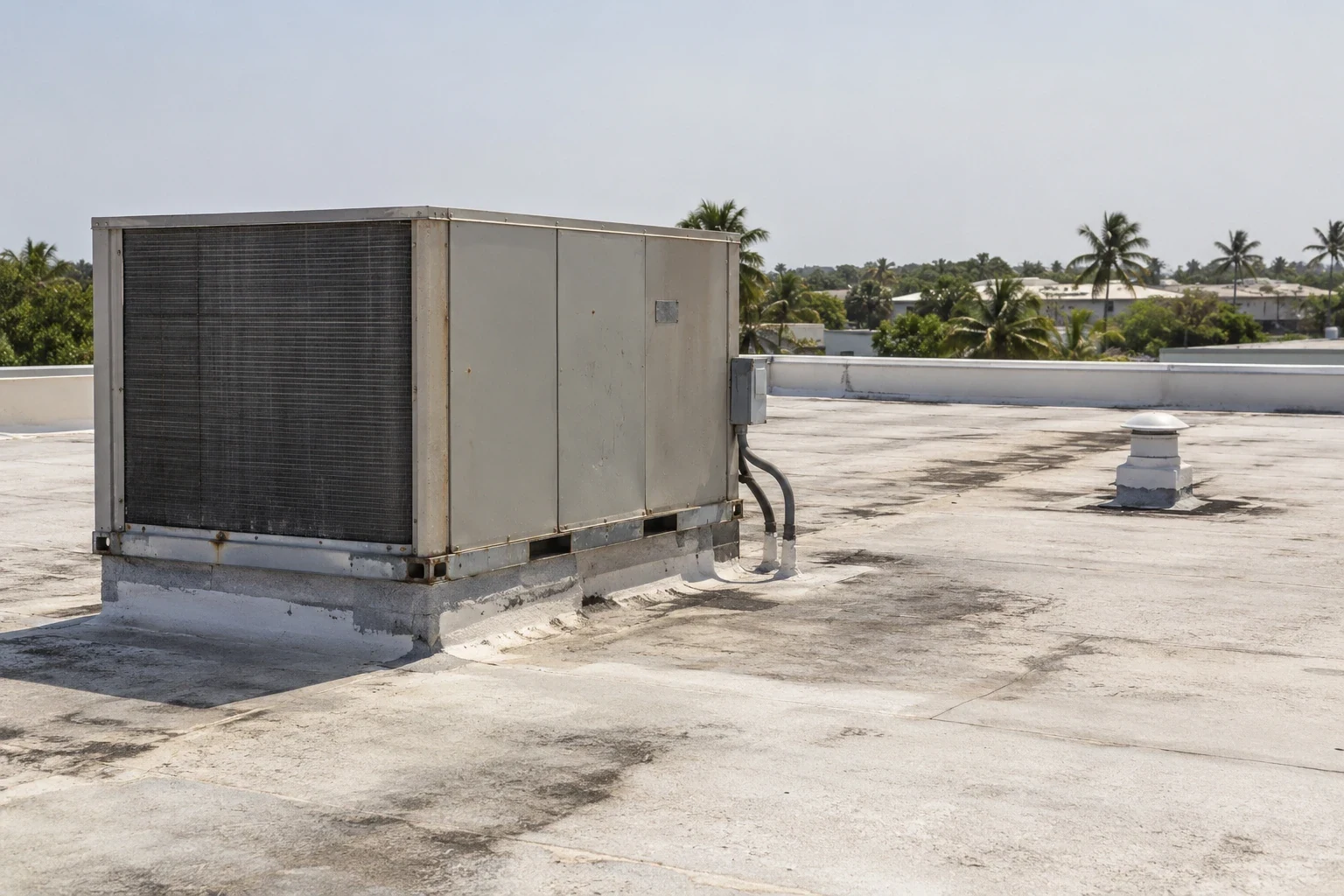
Record foam condition and coating work
Pricing separates cleaning, foam removal, replacement foam, surface preparation, coating material, reinforced details, equipment protection and testing. Number of penetrations and roof profile affect how quickly the crew can work. We also state any assumed weather window, cure period and return visit. If equipment service remains scheduled during the project, the owner should identify that work before mobilization so the roof route and protective measures can be coordinated.
Closeout identifies tested locations, areas of foam repair, coating system information provided, detail photographs and conditions that remain. The owner can compare future coating wear to the repaired boundary. A maintenance schedule should include drains, curbs, surface cuts and access paths. Equipment contractors should use protective walkways or defined routes where required to prevent punctures. The next visit should note whether foam remains covered and whether water reaches the drain path without obstruction.
The industrial building listed at Paredes Line Road and the Brownsville Aerospace Industrial Park are separate local sites with different operating settings. Their listings do not establish SPF roofs. We confirm the building's actual system and work rules. Send the address, roof plan, prior coating records, leak history and approval contact. We will record the foam condition and identify the supportable next step.
Related Roofing Work
Other roofing services and buildings we handle across Brownsville.
Questions About Commercial Spray Polyurethane Foam Roofing
Can SPF be recoated without removing the existing foam?
It may be suitable when the foam is dry, bonded and stable and the coating surface can be prepared. We inspect and test representative areas, then identify foam or coating that must be removed before another layer is installed.
What happens when spray foam is exposed?
We check how far the coating has worn and whether moisture or ultraviolet exposure has damaged the foam. The repair may require cutting back to sound material, rebuilding the profile and restoring the protective coating.
Will a silicone coating bond over an old SPF coating?
Before naming a coating, we check existing chemistry, surface condition and product instructions. Records or an adhesion test help establish whether the proposed system can be considered. A new coating should not conceal wet or unstable foam.
How do you find moisture under an SPF roof?
We review surface condition and interior reports, then may recommend infrared review, moisture readings or test cuts. The report records locations and limits because no single test proves every concealed area is dry.
How often should an SPF roof be checked?
The interval depends on coating condition, roof access, weather exposure and the system documents. We can recommend a schedule after inspecting wear, drainage and penetrations, then record changes at later visits.