
Commercial Standing Seam Metal Roofing in Brownsville, TX
Document the metal system before repair
A standing seam panel that oil-cans is not automatically a leak, but a loose clip or failed flashing needs review. We record panel movement, seams, penetrations and water paths before recommending repair. Brownsville has airport and port-area industrial property, including aviation and manufacturing uses. The Brownsville Aerospace Industrial Park and the Port business park support different operations; neither establishes the metal system on a particular building.
Send the Brownsville address, roof history, panel records and leak location. We will inspect seams, attachment and flashing, then define the work for approval. Call 555-555-5555 or use the form.
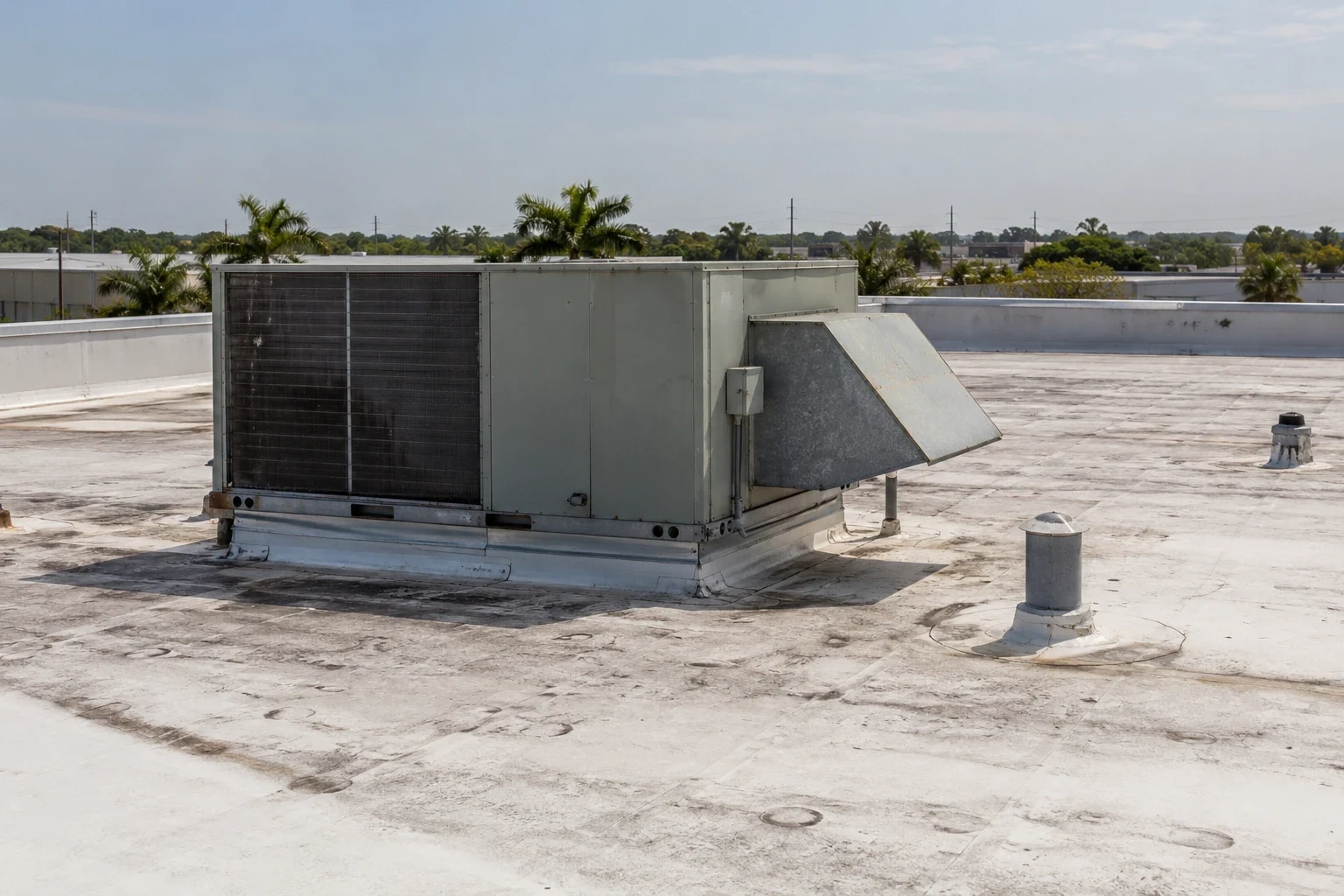
Inspect: Check panels, clips and terminations
Standing seam roofs use raised interlocking panel seams. Attachment may be concealed with clips that let panels move with temperature changes. We inspect seam engagement, panel ends, clips where accessible, eaves, ridges, valleys, gutters and wall transitions. Dents, distortion or loose trim can indicate movement or impact but need a condition review before they are called a leak. We map the observation and photograph the panel run and adjoining detail.
Penetrations require careful coordination. A pipe, curb or equipment support can interrupt a panel and create a water path. We inspect boots, closures, sealants and the way metal transitions to flashing. Fasteners at exposed trim or panel ends can loosen or corrode, while a misplaced fastener may restrict movement. The repair depends on panel profile, gauge, attachment and coating. We do not cover an unknown seam with a generic sealant.
Interior reports and roof evidence are compared. Water may travel along a panel rib or underlayment before it reaches the ceiling. We inspect nearby laps, valleys and penetrations before setting the repair limit. If concealed deck or underlayment matters, we identify test access and approval needs. A commercial inspection documents visible conditions and inaccessible areas separately.
Repair: Preserve movement and drainage
Standing-seam clips and panel joints need room for movement through Brownsville temperature swings. A repair must restore water shedding without locking a designed movement joint or trapping water behind a seal. We identify panel type and finish, remove failed materials and install compatible flashing or replacement components. At a seam, the fix may require adjustment or replacement of a panel section rather than extra sealant. At eaves, we check gutters and downspouts so runoff leaves the roof as intended.
Hurricane Hanna produced damaging winds and roof damage in the Rio Grande Valley in 2020; Hurricane Dolly also caused widespread damage in the region in 2008. Those events support attention to edges and attachment in current inspections. They do not prove damage at a named property. After a reported event, we document current panel ends, ridge caps, fasteners and wall transitions. A wind damage review can organize findings by area while keeping event history separate from observed conditions.
If a leak is active, temporary protection may be needed before a permanent panel repair can be planned. Emergency roof response is available after hours, weekends and holidays. The record identifies temporary material, location, and any return visit. A metal edge and gutter scope can be coordinated if the perimeter detail is part of the failure.
Compare repair with a metal retrofit
Repeated fastener leaks, widespread coating failure, corrosion or incompatible repairs may call for a larger evaluation. We inspect substrate, framing, attachment and panel geometry before considering an overlay. A metal retrofit can add a new assembly above an existing roof when design and field conditions support it. The project must address drainage, eaves, ridges, curbs and transitions to walls. It does not remove the need to evaluate the existing roof beneath the new system.
Metal roofing should be evaluated as a drainage plane. We follow water from ridge to eave, review valleys and gutters, and note where panel laps intersect wall or equipment details. Sealant may be part of a designed detail, but it is not a substitute for correcting an open seam or failed flashing. If a facility has a low-slope addition beside its metal roof, an adjacent TPO assembly requires its own seam and edge review because it is a different roof system.
Replacement proposals document the material, panel profile, clip and fastener requirements, underlayment, trim, penetrations and edge details. Brownsville adopted the 2018 International Building Code, and commercial plans are reviewed by the City. The design team confirms project wind criteria, approvals and code requirements for the specific building. We identify submittals and installation limits in the roofing scope rather than treating standing seam as one standard specification.
Cost depends on roof height, access, panel profile, framing, finish, curb count, removal and the length of edges or transitions. If existing panels conceal structural or deck problems, additional review may be required. We state those assumptions and the approval route for concealed conditions. A warehouse at Paredes Line Road and an aviation property near the airport need separate plans, measurements and work windows.
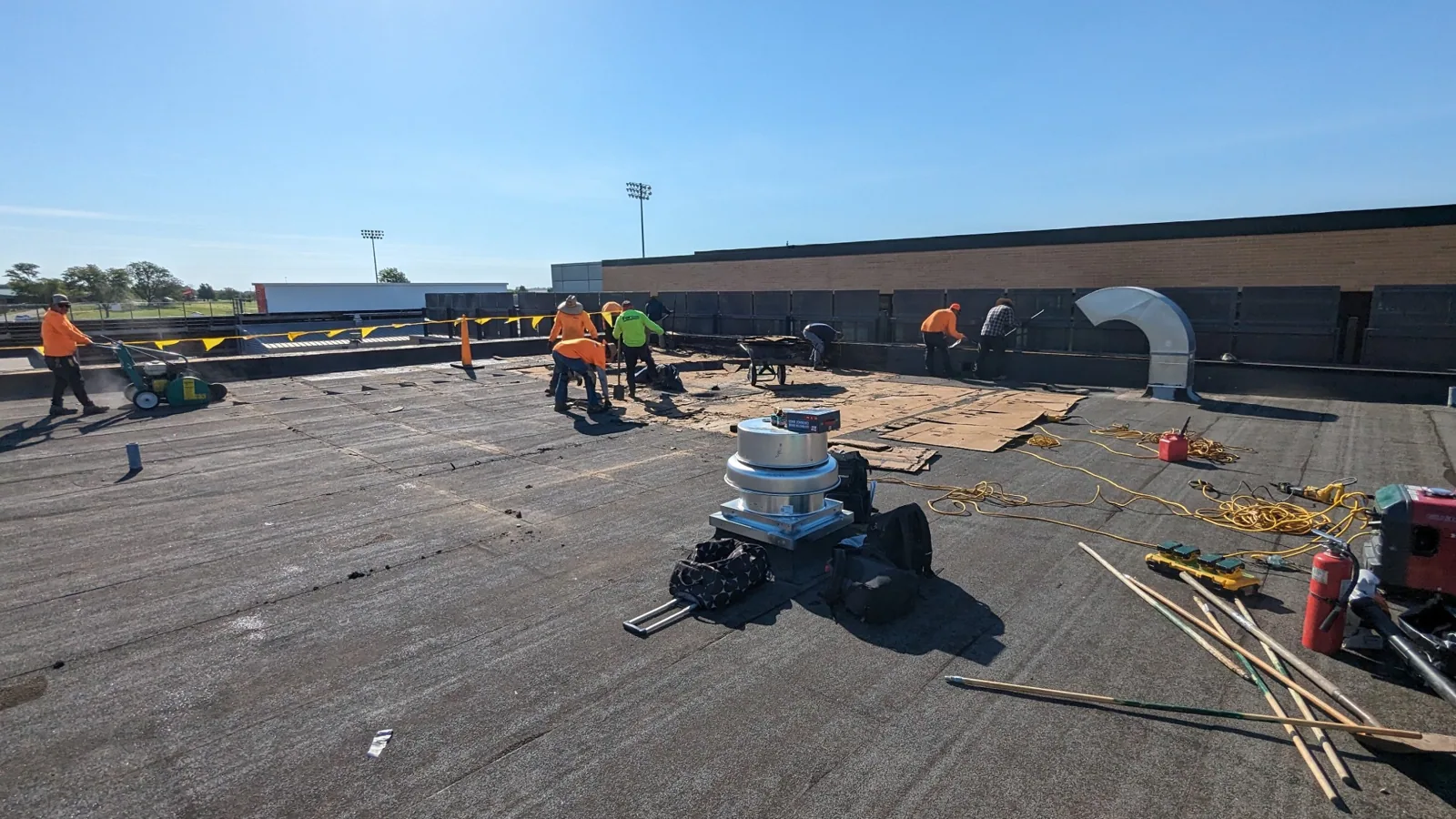
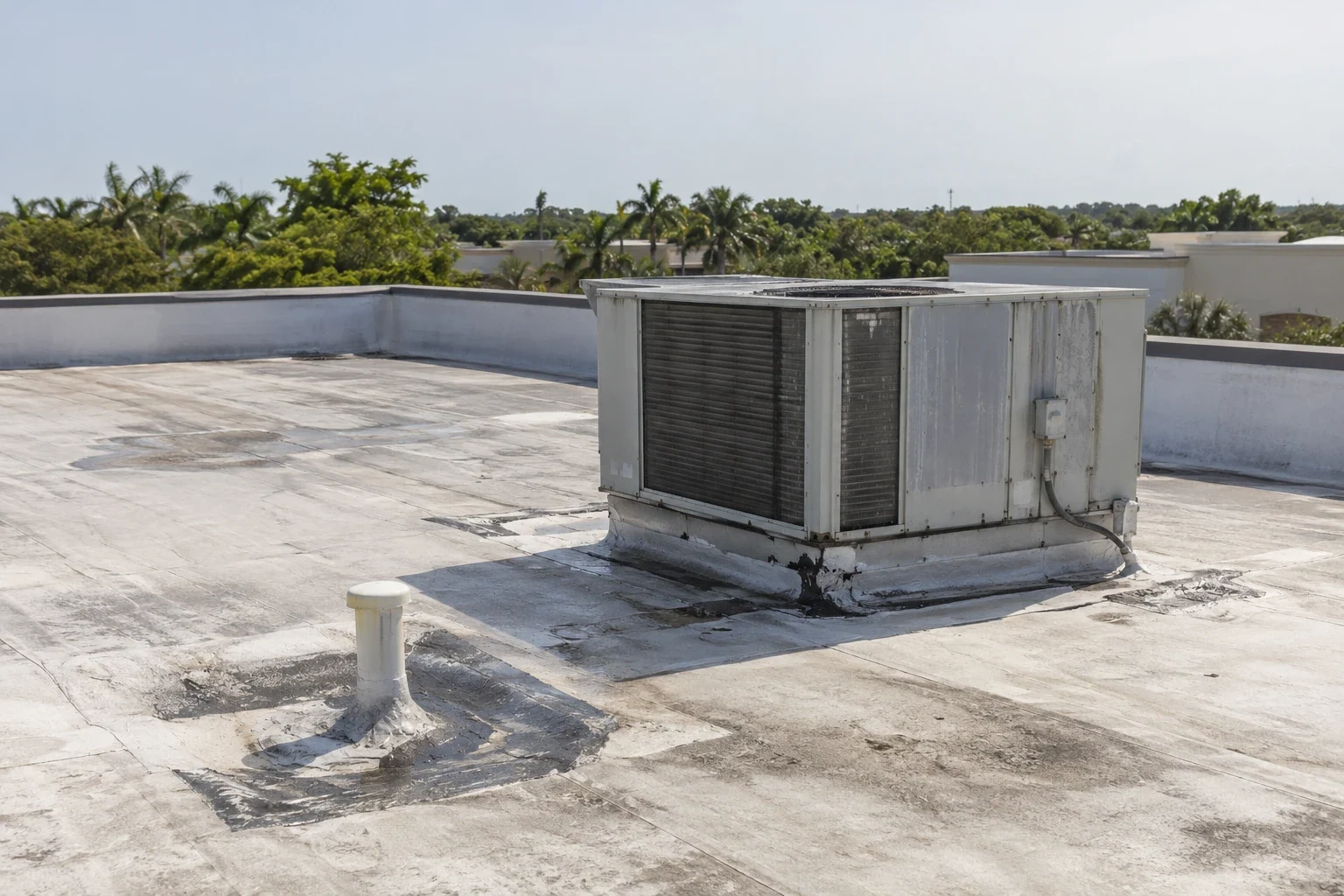
Record the panel profile and repair limits
Cost and schedule are also affected by access windows, lift setup, material fabrication lead time and whether tenants or production need the roof route kept open. We list those assumptions and coordinate staged deliveries with the site contact before panels are ordered.
Closeout identifies repaired panels, replaced trim, sealants or flashing, photos, and any area left for future review. We note the panel profile and material information available to the owner. That gives future maintenance staff a way to distinguish an old attachment detail from new work. Roof access rules and equipment locations are also noted if they affect follow-up.
For airport or port-region sites, deliveries, lifts and access may need advance coordination with the facility. The Port of Brownsville Business Park has freight and rail connections, while Brownsville's aviation park is a separate industrial site. We confirm exact staging and safe routes with the property contact. Send the address, panel or project records, leak history, photographs and approval contact. We will define the metal repair boundary or recommend what further inspection can resolve.
Related Roofing Work
Other roofing services and buildings we handle across Brownsville.
Questions About Commercial Standing Seam Metal Roofing
Do standing seam panels need to be fastened tightly to stop movement?
Panels and concealed clips are designed as an assembly. A repair should not restrict movement that the system needs. We identify panel profile and attachment, then specify repairs consistent with the manufacturer's or project's details.
Can you repair a leak without replacing full metal panels?
Often, if the opening is localized and panel edges, clips, flashing and substrate remain sound. We inspect adjoining details and note whether a panel replacement or broader correction is necessary.
Is a standing seam roof the same as exposed-fastener metal?
No. Their seams and attachment details differ. We identify which metal system is installed before specifying repairs. A retrofit may be evaluated for an existing exposed-fastener roof, while standing seam work follows its panel and clip design.
What do you check after a wind event?
We inspect current panel edges, ridge and eave details, clips where accessible, trim, flashings and penetrations. Dated photographs show observed conditions. A regional storm history does not substitute for inspecting the actual building.
What information helps price metal roof repairs?
Provide roof plans, panel profile if known, leak locations, prior repairs, access limits and the building contact. Height, panel replacement, perimeter metal, lift access and concealed conditions can change the scope.