
Aircraft Hangar Roofing in Brownsville, TX
Set the hangar access and repair boundary
A leak above a hangar door track needs a roof bay, aircraft clearance and an operations contact before repair is planned. We inspect the reported surface and record which equipment can stay below. At Brownsville/South Padre Island International Airport, the runway is listed at 7,399 feet. The separate aerospace industrial park covers 277 acres. The requested hangar's structure and access plan still need field confirmation.
Send the Brownsville hangar address and number, affected bay, roof plans, aircraft schedule, access rules and approval contact. We will document the roof condition and work zone. Call 555-555-5555 or use the form.
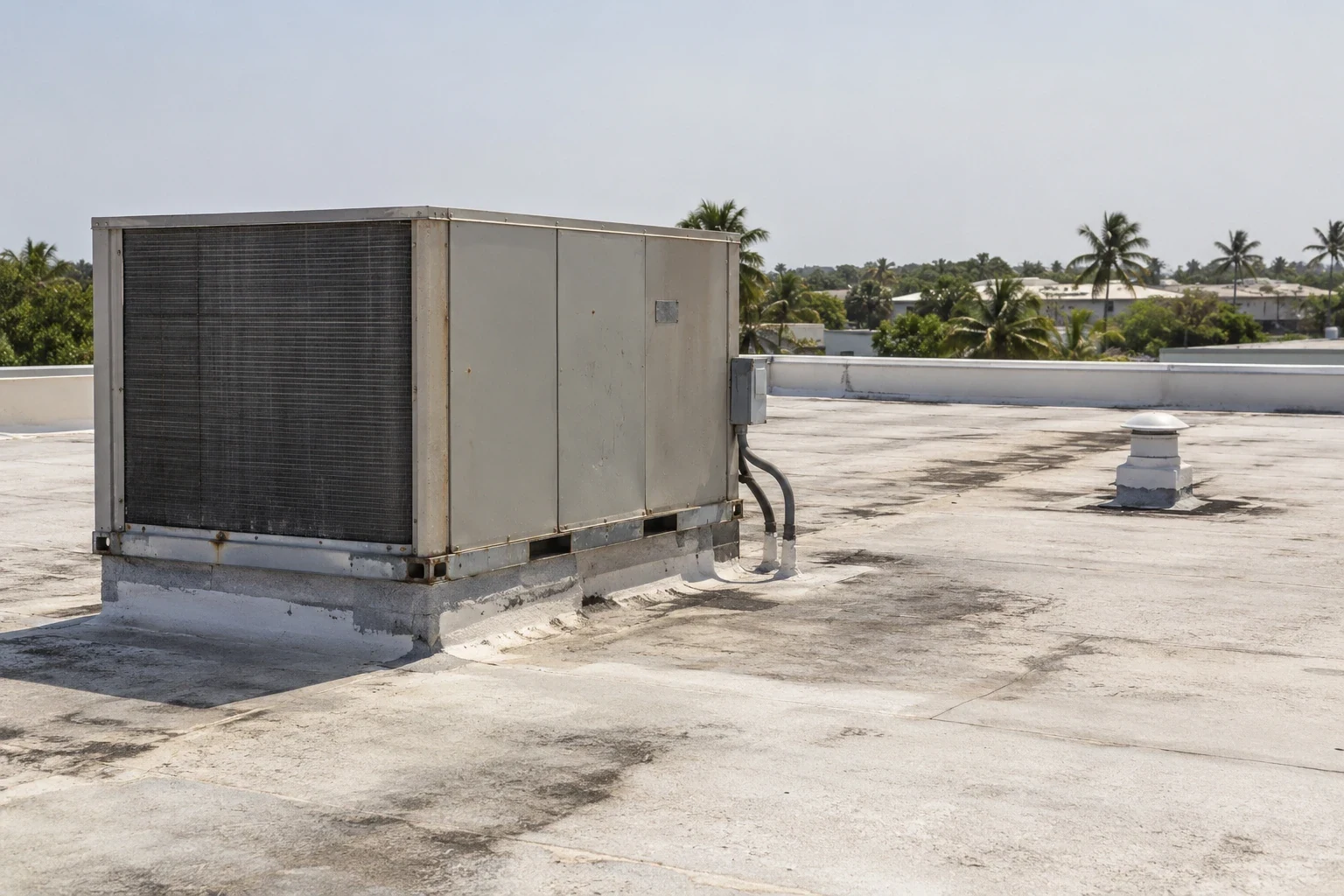
Inspect: Follow the roof bay and door line
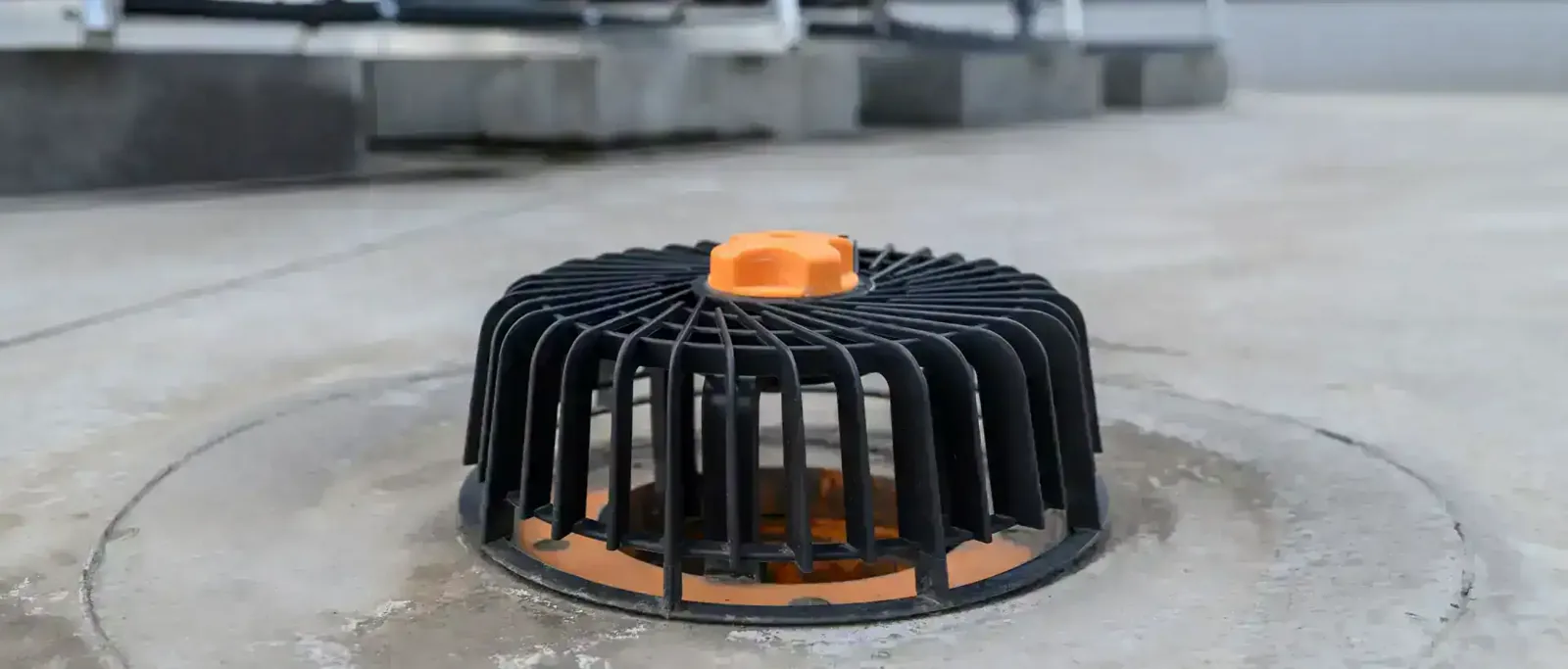
We inspect the reported bay, nearby panel or membrane joints, skylights, drains, curbs, gutters and wall transitions. At a large door opening, we check flashing and drainage without blocking the door's operating path. A stain inside the hangar may not sit below the roof entry point, so we compare the report with roof geometry and record the area reached. Any concealed deck or insulation question is listed separately from visible findings.
Hangars can carry exhaust, lights, aircraft support equipment and service runs. The facility identifies components that cannot be disconnected or moved during the review. If a test opening or moisture survey is warranted, the plan states the roof section and restoration method before removal. A commercial roof inspection can return a photo record that ties each observation to the hangar bay and door side.
The airport and the planned aerospace park establish local aviation context, but they do not identify a particular hangar's owner, structure or access rules. We coordinate with the actual property operator, who confirms escort needs, equipment clearances and work windows before the crew arrives.
Access: Keep aircraft movement outside the work zone
Before mobilization, operations staff identify aircraft movement, door schedules, taxi or service paths, fuel areas and vehicle routes. We map lifts, scaffolding, debris handling and material staging away from restricted operations. The operator approves any temporary closure and names the person who can stop work if aircraft or service activity changes. We keep roof access and ground clearance boundaries in the project record.
Brownsville/South Padre Island International Airport and the nearby Brownsville Aerospace Industrial Park are distinct aviation places. The airport and aerospace park have separate property operations, so we confirm the exact parcel and authorized staging point before preparing a hangar work plan. A hangar property near either area requires actual site instructions; no assumption about airport access, escort or operating approval substitutes for authorization from the facility.
A roof opening must be limited to the area that can be protected and closed in the approved sequence. Temporary covers and equipment clearances are noted before the shift ends. If an active hangar needs aircraft stored inside, operations staff decide whether a move or protected zone is available. A phased reroof plan can separate sections when hangar use and roof geometry support it.
Repair: Resolve attachment, panel and edge details
Repair scope depends on the actual roof assembly. On a metal roof, the work may involve fasteners, panel laps, ridge or eave details and sealant. On a low-slope assembly, it may involve membrane seams, curbs, drains or edge metal. We identify the material on site and specify preparation, compatible repair components and tie-in. We do not assume a hangar has a particular roof type from its use.
The region's 2020 Hurricane Hanna record includes wind, rain and flooding, but hangar scope must be based on the inspected building and its airfield requirements. After severe weather, an operator can inspect door-side edges, panel attachment, gutters and penetrations against the current roof map. We document what is visible and any temporary protection needed. The event record is regional context; a repair recommendation depends on conditions at the inspected hangar.
Emergency response is available 24 hours a day, including weekends and holidays, for active water entry. Temporary cover may be needed before permanent detail work can proceed. We record the work area, remaining exposure and planned return visit. Aircraft, tools, avionics and stored materials are moved or protected by the operator unless the approved scope assigns another trade. A storm-damage roof review separates stabilization from permanent repair.
Options: Repair the assembly or replace it
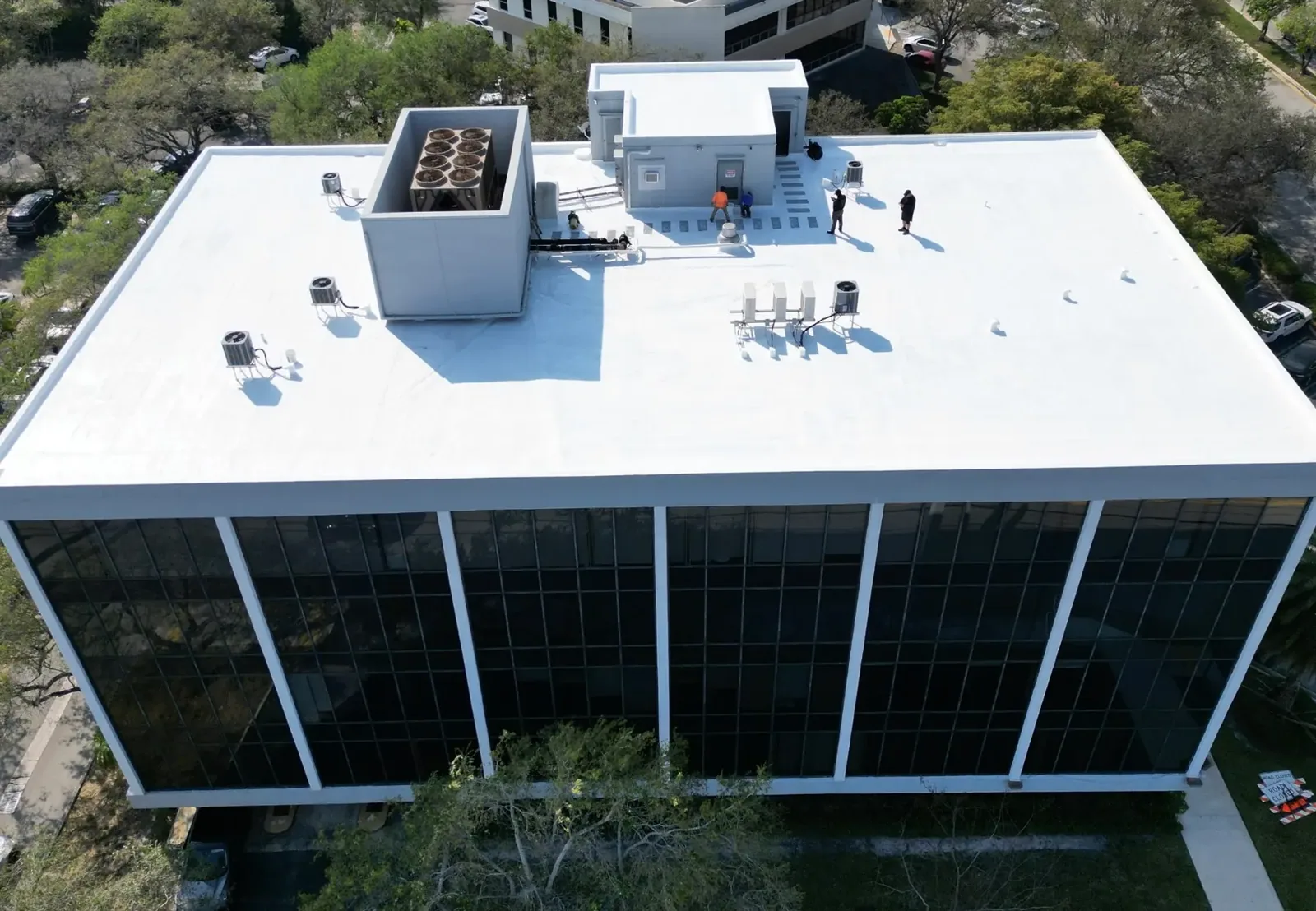
A single puncture, open seam or failed edge detail may support a local repair. Multiple leaks, loose panels, widespread wet insulation or deteriorated fasteners may call for a broader evaluation. We compare the roof material, attachment, drainage and test results before proposing a recover assessment or replacement. Clear-span structure and door operation make opening limits and material handling part of the comparison.
For a hangar reroof involving structural changes, the City of Brownsville reviews commercial plans under its adopted 2018 International Building Code. The project designer confirms wind requirements, assembly details and permitting for the specific address. Aircraft, hangar doors, fire systems and electrical equipment may need other qualified trades. We name those interfaces and state which work remains outside the roofing scope.
Cost and schedule depend on roof height, access, aircraft clearance, rigging or lift setup, assembly, door operations, weather, material supply and concealed conditions. The proposal identifies work zones, assumptions and equipment coordination. If opening a panel reveals structural or insulation damage, the crew records it and waits for approval before expanding. Structural evaluation remains with the responsible design professional.
A flex-industrial roof may combine workspace and offices, while a warehouse roof may prioritize loading access. An aircraft hangar adds clear-span interior space and door movement that must be confirmed for the actual project.
Closeout: Record the hangar bay and repaired detail
Closeout includes the hangar identifier, roof bay, completed detail, photographs, materials and any open item. We note roof areas not accessed and temporary protection removed or retained. Operations staff can attach the record to the hangar maintenance log and compare later moisture or wind reports with the same bay and door side.
Send the Brownsville address, hangar number, affected bay, roof plans, aircraft schedule, access procedure and approval contact. Identify active doors, ground routes, vehicle limits and equipment that cannot be shut down. We will define the work area and any test or trade handoff before scheduling. Where airport or site security applies, the operator provides the required authorization.
A return inspection can verify the repaired seam, panel or edge detail after exposure to weather. We list the date, area checked and visible condition. If another bay needs review, it receives a separate entry. This keeps the completed repair distinct from structural review, aircraft movement and work outside the authorized area.
Related Roofing Work
Other roofing services and buildings we handle across Brownsville.
Questions About Aircraft Hangar Roofing
Can aircraft remain inside during hangar roof repairs?
The hangar operator determines aircraft placement, door operation and restricted areas. We plan the work zone around those instructions and identify any move or closure needed before opening the roof. Aircraft handling is outside the roofing scope unless assigned.
How do you select a repair for a metal hangar roof?
We confirm panel type and inspect laps, fasteners, ridge, eaves and penetrations. The proposal names the observed failure and compatible repair detail. Hidden deck or structural concerns require further evaluation by the responsible professional.
Does airport proximity provide work access?
No. The property operator must authorize roof and ground access and confirm any escort, security, movement or scheduling procedure. We do not infer permission from an address near an airport or aerospace park.
What if a storm lifts panels or damages the edge?
We document each observed condition by roof bay and identify temporary protection separately from permanent work. If opening reveals structural damage, the owner receives photographs and the area is held for review before repairs expand.
What records are useful after the hangar repair?
Keep the bay reference, panel or membrane detail, photographs, materials, access approvals and remaining open items together. Add a return inspection date where needed. The record helps operations compare later reports with the repaired section.