
Commercial Ponding Water Roof Repair in Brownsville, TX
Map the Brownsville drainage problem
A shallow pool that remains after the roof dries around it points to a drainage question. We map the low area, measure its limits and inspect the path to drains or scuppers before selecting a repair. In Brownsville, heavy rain and flooding occurred across the Rio Grande Valley during Hurricane Hanna in 2020. A roof visit after rainfall should identify where water stayed, what outlet serves the section and whether the membrane is intact.
Send the address, roof plan, pool location and drain details. We will record the drainage path, inspect surrounding roof conditions and define the repair boundary. Call 555-555-5555 or use the form.
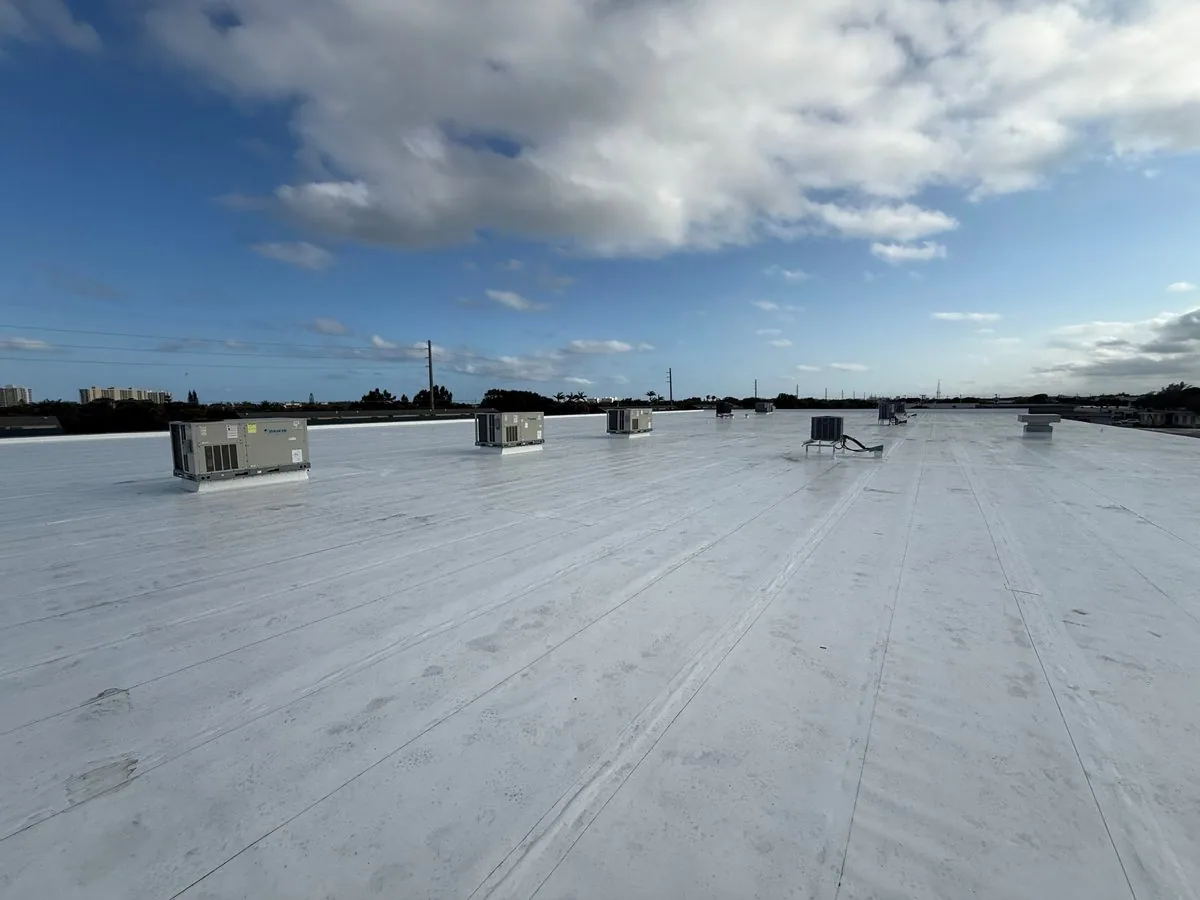
Inspect: Map the low area and drainage path
We inspect the pool perimeter, nearby seams, penetrations, drain bowls, strainers, scuppers and discharge route. Debris, a blocked outlet, compressed insulation or a change in slope can each affect drainage, but the visible water line alone does not identify the cause. The report marks the location and approximate extent, notes roof layers that can be seen, and calls out any test needed before a corrective design is selected. A roof drain and scupper inspection can focus on outlet condition and connection details.
A small tornado was documented near Brownsville during the 2020 Hurricane Hanna period, which also brought heavy rain and flooding across the Rio Grande Valley. That event makes post-rain checks useful for local facilities, but each roof still needs its own drainage map. We record whether the visit followed rainfall, whether outlets were clear and whether water remained when the roof was inspected. Interior reports are added as separate locations because an indoor stain may lie beyond the roof's low point.
The Downtown Brownsville area has public and commercial destinations with distinct access constraints. Roof work there may require coordination for ladders, loading and pedestrian routes. A facility contact identifies operating hours and access controls before we inspect. Those logistics affect the sequence, while the roof record determines where the water collects and what repair area is proposed.
Record: Distinguish standing water from leakage
Standing water can coexist with an intact membrane, an open seam or a blocked drain. We photograph the surface, note water depth where practical, identify the closest outlet and trace visible flow lines. If a drain backs up or a scupper connection cannot be checked safely, that limitation appears in the report. A commercial roof inspection can map surrounding seams and flashing so a repair does not stop at the pool's visible boundary.
August normal highs approach 96 degrees in Brownsville, and roughly 140 days each year reach at least 90 degrees. Heat can increase surface stress and affect the safe work period, while ponded water keeps a roof area wet after surrounding sections dry. The condition record should capture both the drainage issue and membrane condition. A roof condition report gives the owner an area-specific record to compare after corrective work or another rain.
At the Port of Brownsville, ship and rail access supports industrial activity. For an operating property in the port area, roof access and equipment placement may need to avoid active loading routes. We map the accessible inspection area and identify where a follow-up needs a shutdown, lift or escort. A drain that serves several roof zones should be traced far enough to understand which section can be affected by the proposed work.
Compare: Clear, correct or redesign
When debris is the cause and the outlet is serviceable, cleaning and a return observation may answer the immediate question. If water remains, we examine drain height, nearby slope, insulation compression and the membrane transitions around the low spot. The proposal separates maintenance from repair, and a roof designer confirms changes to slope or drainage capacity. We do not treat added coating as a fix for a drain obstruction or a structural deflection.
Open seams, membrane punctures and failed flashing around a drain can allow water below the surface. A seam failure repair or flashing failure repair addresses those details when inspection confirms them. The work area, compatible repair material and lap or termination detail are stated in the approved scope. If a test opening reveals wet insulation or damaged deck, we stop at the authorized boundary and send the finding for direction.
For a ponding repair that changes slope or assembly design, account for the City commercial-plan review under Brownsville's 2018 code adoption. A designer determines applicable drainage and code requirements for the particular project. We provide roof observations and install the accepted detail, while any re-slope or structural correction follows the approved plans. This division keeps field repair separate from design decisions that depend on building-specific measurements.
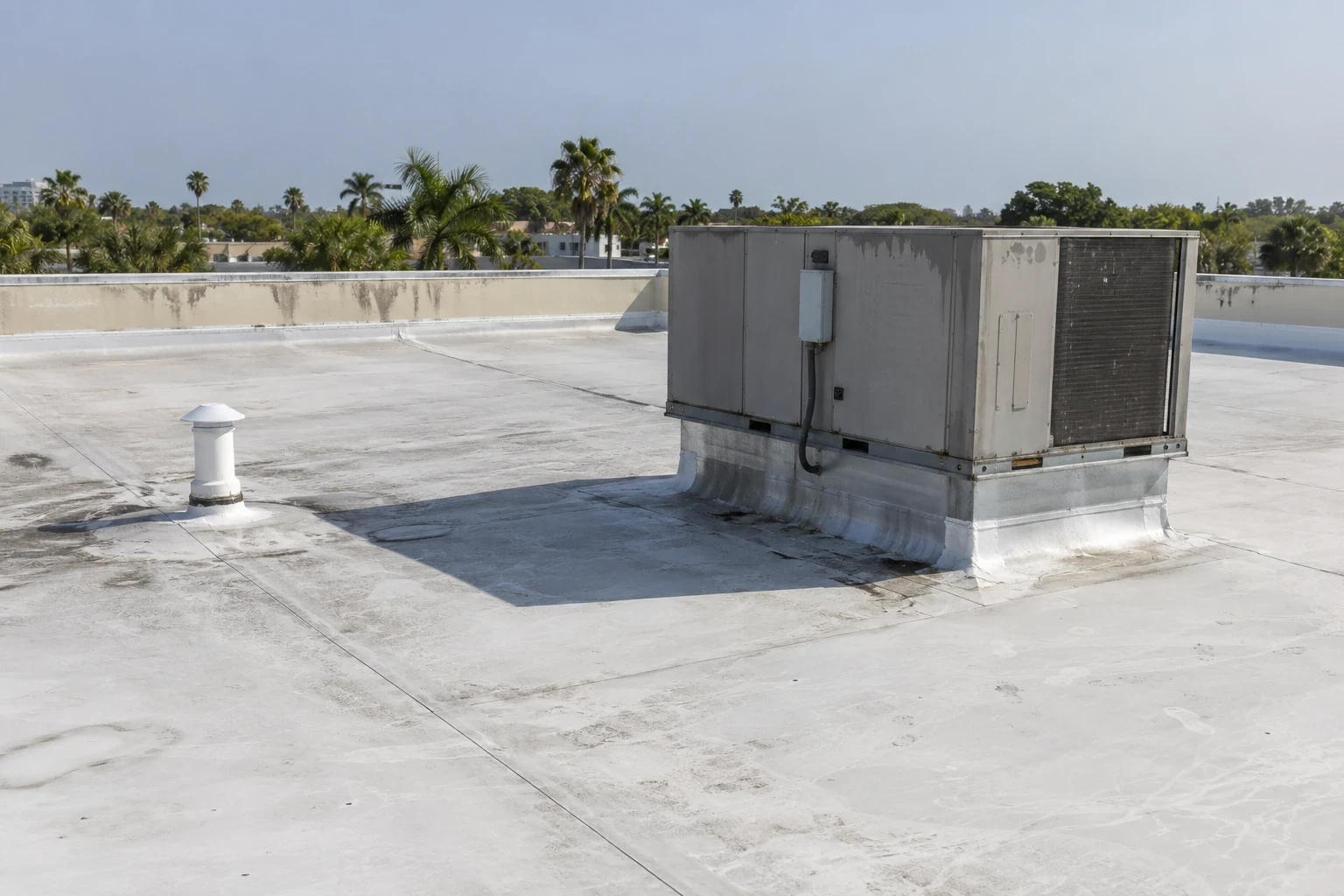
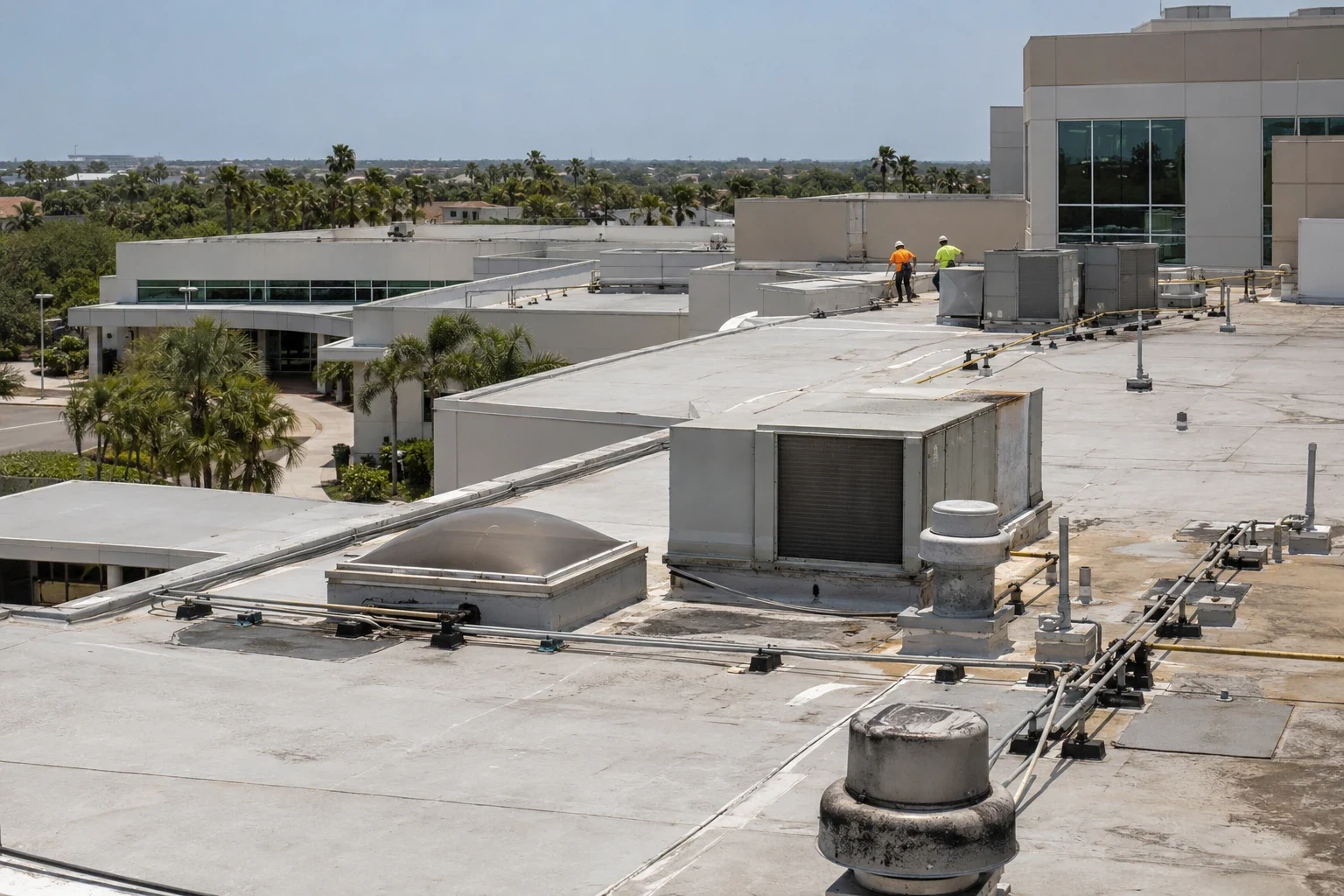
Repair: Restore the outlet and surrounding roof
Corrective work may include removing debris, resetting a drain assembly, replacing a damaged flashing collar, repairing the membrane transition or rebuilding a localized roof section. We identify whether interior work, plumbing, structural correction or insulation replacement falls outside the roofing task. The crew protects the opening during work and ties new material into sound, compatible surfaces. A changed low area or hidden layer is documented before the repair expands.
Material and weather conditions influence the sequence. Brownsville summer heat limits some roof work to safer periods, and forecast rain affects how much membrane can be open at once. We coordinate access and shifts with the building contact, then leave the section protected at the end of each work period. Emergency response is available around the clock when water is actively entering; temporary cover and permanent drainage repair remain separate tasks in the record.
After completion, we check the repaired detail and confirm that the outlet is unobstructed. A return visit after rain can show whether water moves through the intended drainage path. The report states what was observed during that visit and any remaining low area, rather than treating a dry-day inspection as proof of performance in every storm.
Closeout: Preserve the drainage history
Closeout identifies the repaired roof zone, outlet, materials, photographs, approved changes and remaining maintenance items. We note the conditions of adjacent surfaces and whether a follow-up observation is scheduled. The owner can compare the area after the next rain without relying on a broad label such as ponding corrected. If the source was outside roofing scope, the file identifies the trade handoff that remains open.
Send the Brownsville address, roof plan, location of standing water, drain or scupper details, interior leak reports and access limits. Note when water was last observed and whether the outlet had been cleared. We will record the visible condition, identify any needed test or design input and return a repair scope linked to the affected area.
Related Roofing Work
Other roofing services and buildings we handle across Brownsville.
Questions About Commercial Ponding Water Roof Repair
Does standing water mean the roof membrane has failed?
Not by itself. We check the membrane, seams, penetrations, outlet and low area separately. The report identifies visible openings and any test required to determine whether water has reached concealed layers.
What should be inspected when a roof pool returns?
Start with the outlet and its connection, then map slope, debris, seams and nearby penetrations. We record whether water remained after surrounding areas dried and identify any access or testing limit.
Can a coating correct ponding near a drain?
A coating does not clear an obstruction or correct a low slope. We first identify the cause, then scope compatible surface repair separately from drainage or design work that may be required.
Can you respond while water is entering the building?
We provide around-the-clock emergency response, including weekends and holidays. We document and stabilize the active entry area, then define permanent drainage or membrane work after the roof condition is reviewed.
What details should I send for an estimate?
Provide the address, roof plan, pool location, nearest outlet, date water was seen, interior reports and access rules. Photos taken from safe locations can help us identify the area for the visit.