
Commercial Roof Seam Failure Repair in Brownsville, TX
Document the open Brownsville roof seam
A split lap exposes a narrow path that can admit water well beyond the visible break. We mark the seam, photograph its direction and inspect the adjacent membrane before proposing repair. Brownsville roofs face high summer temperatures and regional wind-driven rain, which makes a dated condition record useful when a seam opens. The repair area follows the confirmed failure and any authorized test, not an assumed length based only on an interior stain.
Send the address, roof plan, leak area and known membrane details. We will record the seam condition and define the repair boundary and tie-in. Call 555-555-5555 or use the form.
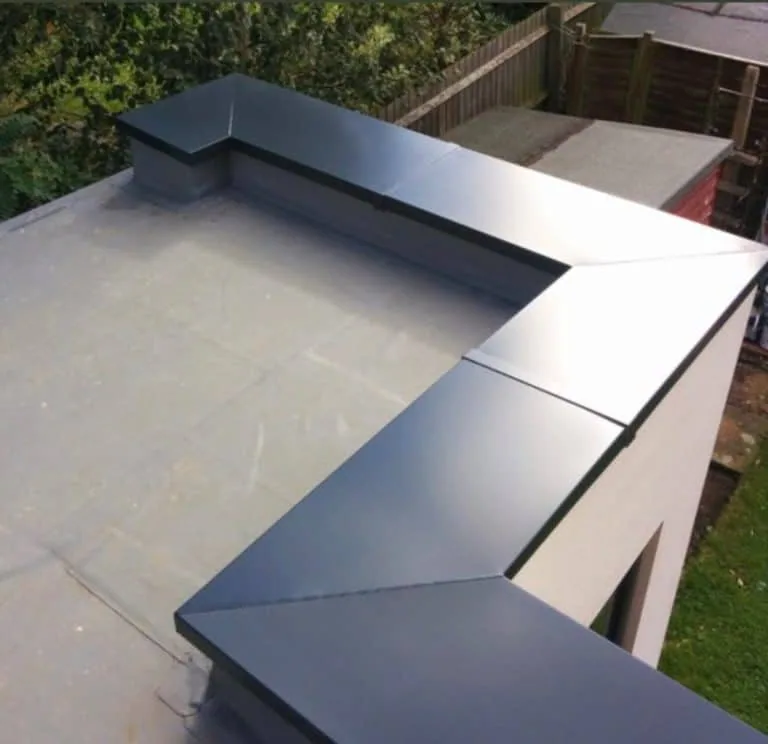
Inspect: Follow the seam beyond the first split
We check whether the seam is open, brittle, wrinkled, contaminated or pulling away at a termination. Nearby fasteners, flashing and rooftop traffic can reveal whether the issue continues along the same lap. We note the assembly where visible and identify whether membrane type or prior repair material needs confirmation. A commercial roof inspection records adjacent details; an infrared survey may help prioritize areas for further testing but does not replace confirmation at the seam.
August's 96.3-degree normal high and about 140 annual days above 90 degrees place repeated seam movement in a hot-weather setting. Hot roof surfaces affect safe access, work timing and material handling. We schedule the repair with the facility contact and state any temperature or substrate conditions that must be met before the new lap is installed. If the surface is not ready, the record states whether temporary protection is needed while the permanent work is rescheduled.
Near Brownsville, a small tornado was documented during the 2020 Hurricane Hanna event, which also brought wind and heavy rain across the Rio Grande Valley. Following such weather, a wind damage repair check should include edges and penetrations near the reported opening. We record what is visible at the building and distinguish the storm event from the repair evidence. A named event does not identify which roof section failed; the roof walk does.
Record: Identify the lap and the repair limit
Each photograph shows a close view of the split and a wider view locating the seam on the roof plan or section. The report states whether the seam is on a field lap, perimeter, curb or transition and whether water entry is active. We note existing patches, exposed reinforcement, nearby ponding and any foot-traffic path. If a portion is obscured by equipment, the inaccessible area remains an open item for a return visit.
The Port of Brownsville Business Park supports industrial uses with rail and shipping connections. Facilities with loading or production schedules may have narrow windows for roof access, staging and work that temporarily affects operations. The Port business park area requires address-specific access coordination, which the facility contact supplies before the inspection. Those details shape timing; seam condition controls the repair scope.
A roof condition report can keep initial photographs, repair approval and final detail together. If the seam is part of a broader leak investigation, we separate the roof opening from interior finish damage and any other trade work. That prevents a repair estimate from implying restoration of ceilings, equipment or insulation that was not inspected or authorized.
Compare: Reseal, weld or replace the affected strip
The repair method depends on system type, compatibility, seam width and substrate condition. A thermoplastic lap may need a cleaned and reheated weld; a different membrane may require a compatible cover strip or adhesive detail. We verify the assembly before selecting material. A narrow patch can be appropriate for a bounded split. Repeated failures, aged membrane or damaged substrate may support a larger repair or replacement discussion, with the evidence and alternatives stated.
If a seam pulls apart at a flashing transition, a flashing failure repair may address the adjacent detail. If the surface is punctured or cut, a membrane puncture repair describes a separate defect. Each proposal identifies roof area and boundary so nearby work is not bundled without inspection. Where a material or design issue remains unclear, we request confirmation before installation.
Brownsville's ordinance uses the 2018 IBC as its base; project reviewers check the repair detail and permit route with the building official. The project designer confirms any detail or permit requirement tied to the building. We repair to the approved documents and identify a field conflict before closing the lap. If removal exposes wet insulation or damaged deck, work pauses at the authorization limit until the owner directs next steps.
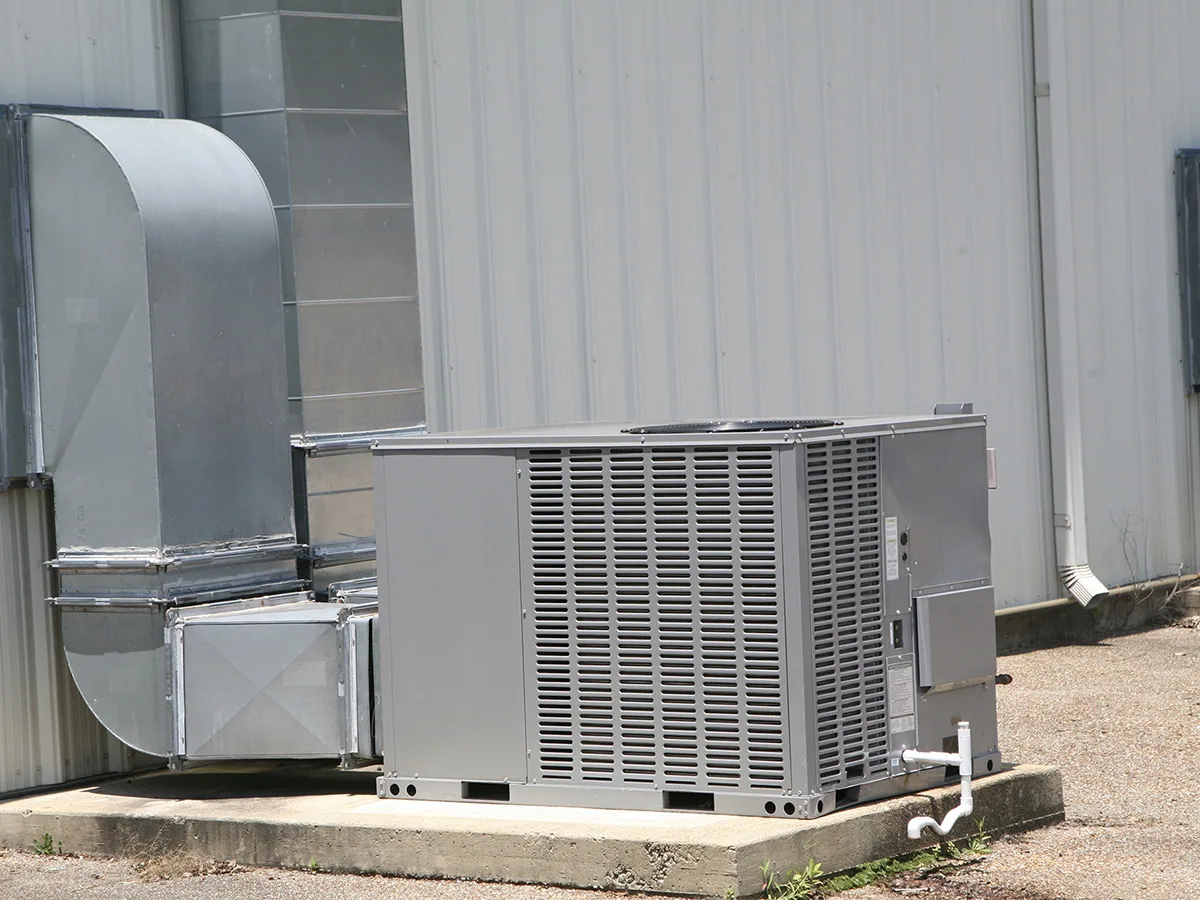
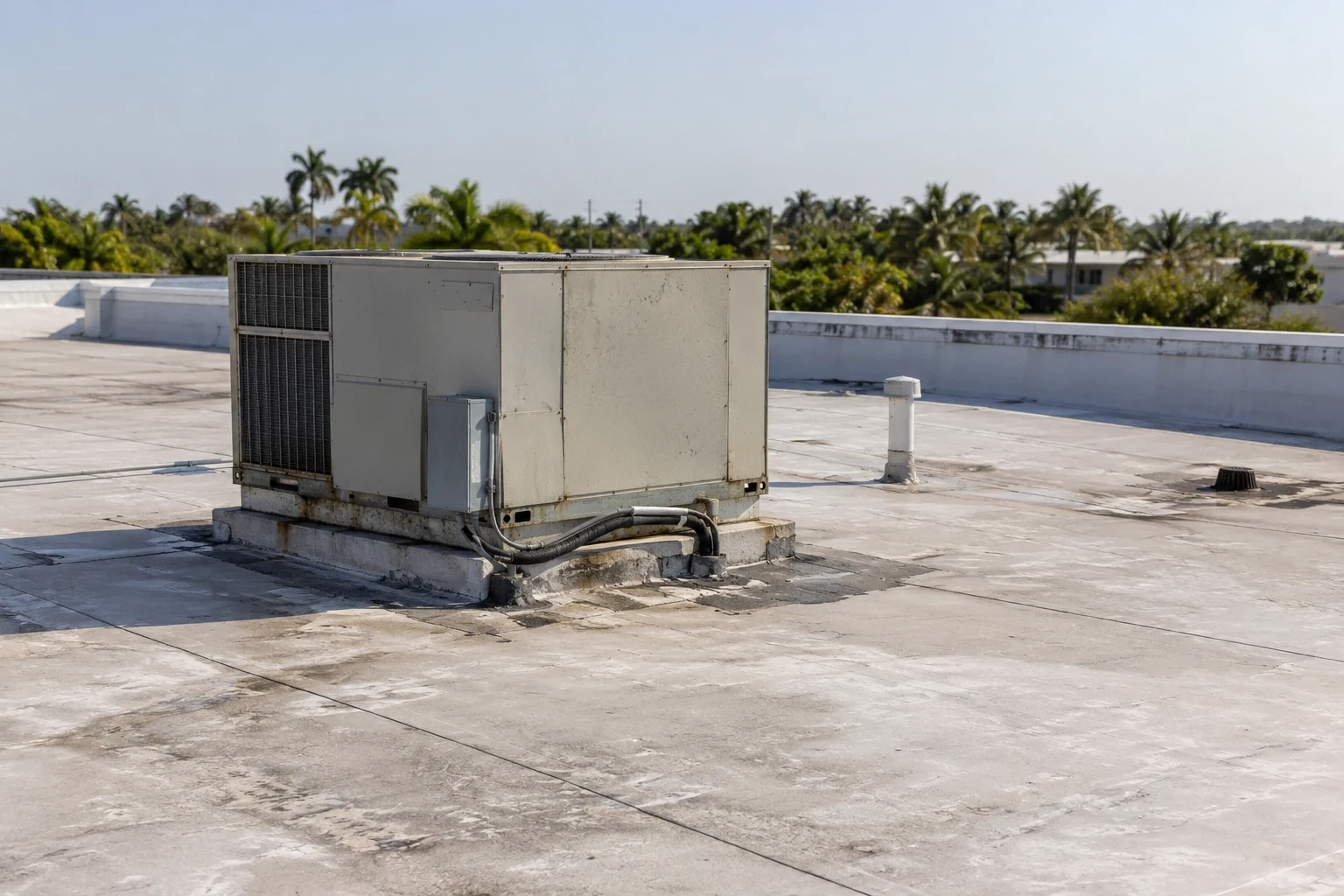
Repair: Prepare the substrate before closing the lap
We remove failed material as authorized, clean and dry the substrate, then install a compatible repair tied into sound membrane. The work scope states preparation, lap width or cover-strip detail, termination and any required test. An unprepared or wet surface can prevent a reliable tie-in, so concealed conditions are checked before closing the seam. If the repair cannot proceed in the visit, we install temporary protection and return after the substrate is ready.
Emergency response is available all hours, including weekends and holidays, for active roof entry. We photograph the opening when safe and document a temporary cover separately from the permanent repair. The facility contact receives the covered zone, remaining exposure and approval needed to continue. The final work does not expand into adjacent seams simply because they are visible; each added area is examined and authorized.
Work timing accounts for weather, access, operations and material preparation. A shift plan keeps the exposed section within the area that can be secured before departure. The crew records the completed seam and any change from the approved detail. If a return visit is necessary, its purpose is stated, such as checking adhesion, completing a tie-in or confirming the neighboring termination.
Closeout: Return the seam record to the facility
Closeout identifies the repaired seam, material used, photographs, approved changes and remaining conditions. The owner receives a date and roof-zone reference for future inspections. If adjacent laps remain outside scope, the record lists their condition separately rather than implying that the full roof section was renewed. A later inspection can compare the same seam and see whether movement or water entry has returned.
Send the Brownsville address, roof plans, reported leak location, known membrane type, previous patches and access limits. Include the contact who can approve added removal. We will map the seam, record its condition and return a work scope with preparation and tie-in limits stated before the repair begins.
Related Roofing Work
Other roofing services and buildings we handle across Brownsville.
Questions About Commercial Roof Seam Failure Repair
Can a seam be repaired without replacing the whole roof?
Often a bounded split can be repaired if the surrounding membrane and substrate are sound and compatible. We inspect the adjacent lap, identify any test needed and state when broader work is supported by the findings.
How do you determine the right seam repair material?
We identify the roof assembly and existing material where possible, then match the repair to the system and substrate. If the membrane type or prior patch is unclear, we confirm it before specifying the tie-in.
What if more of the seam opens during removal?
We stop at the approved boundary, photograph the newly exposed area and send its location and condition to the authorized contact. Added removal or material is handled through a documented change.
Can a temporary patch protect the roof overnight?
We can provide emergency stabilization around the clock. The report identifies the protected area and remaining exposure, then lists what must be inspected or approved before permanent seam work is complete.
Which details let us identify the correct roof section before dispatch?
Send the address, roof plan, leak location, membrane type if known, prior repair records and site access rules. A facility contact can coordinate the visit around production or loading activity.