
Commercial Wind Damage Roof Repair in Brownsville, TX
Record the Brownsville wind damage
A lifted edge metal piece can leave the membrane exposed before water appears inside. We record the roof zone, attachment condition and nearby seams before setting a repair boundary. Brownsville has recorded damaging hurricane winds, heavy rain and tornado activity, so the first visit needs a clear account of what moved and what remains secure. The field record separates an observed opening from a larger area that still needs inspection or testing.
Send the address, reported roof area, event date and current protection details. We will document visible conditions and define the next authorized repair step. Call 555-555-5555 or use the form.
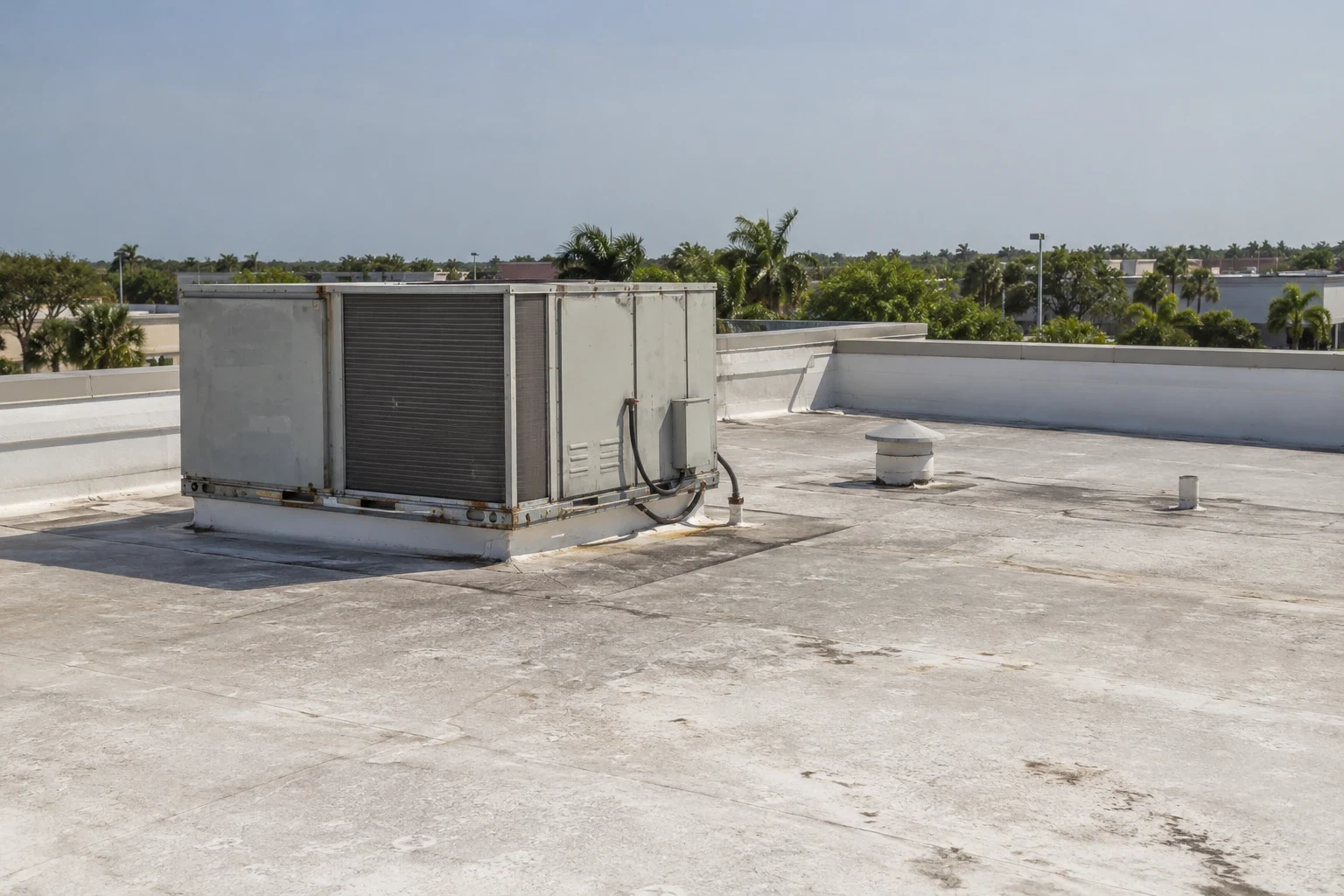
Inspect: Trace the wind path across the roof
Wind checks begin at corners, perimeters, coping, gutters, flashing transitions and penetrations. We look for lifted edges, displaced metal, open laps, punctures and loosened components, then compare the affected detail with adjacent roof sections. A commercial roof inspection records accessible conditions and tagged photographs. A drone roof inspection can add views of areas where a close walk is unsafe or access is limited, with its limits stated in the report.
Hurricane Hanna's 2020 Rio Grande Valley impacts included damaging wind and rain; a small tornado was also documented near Brownsville. The observation matters for planning a roof check after a local event, but a property repair still follows the conditions found at that address. We note which roof areas were reached, where wind exposure is visible and whether interior reports point to a separate path.
Port of Brownsville sites connect to ship and rail corridors, while the Greater Brownsville Tech District fronts SH 550 near I-69E. At an operating facility in either area, access timing, lift placement and material staging can affect inspection order. The Tech District location requires its own access plan; the site contact confirms gates, active operations and safe routes before the visit.
Record: Separate a displaced detail from a leak
A wind-related roof condition may be visible without an active leak, and a ceiling stain may have a path that starts away from the interior mark. We tag each photograph with roof zone, direction and detail. The written record notes whether edge metal shifted, fasteners are exposed, a seam opened or a flashing transition lost contact. It also records nearby conditions that remain intact, so the repair scope does not absorb a full slope without evidence.
The Lower Rio Grande Valley recorded broad building and roof damage from Hurricane Dolly in 2008, a regional event to distinguish from a new property's inspection record. Wind review should include edge attachment and transitions as well as the visible membrane opening. A roof condition report gives the facility and restoration contacts a dated baseline for temporary work, permanent repair and a return visit.
We identify conditions that require a test opening or designer review before the proposed detail is final. Existing membrane, insulation, deck and attachment may not all be visible from the surface. The scope names known materials where confirmed and labels unknown layers as unverified rather than assuming one assembly from the building's use. An edge component can appear secure at one corner yet show movement along another side, so photographs should retain the roof-zone reference when findings are compared.
Protect: Stabilize openings before rain
Our emergency crew can take an active water-entry or loose-edge call at any hour, including weekends and holidays. The crew documents the condition when safe, then installs temporary protection within the authorized area. The record says what the cover protects, how it is secured and which adjacent detail remains exposed. Temporary protection reduces immediate exposure, but it does not establish that concealed insulation is dry or that permanent flashing is complete.
Normal highs reach 94 degrees in June and 96.3 in August in Brownsville, with around 140 days each year exceeding 90 degrees. Heat affects the safe roof-work window and handling time for repair materials. We coordinate timing with the facility contact and keep open work limited to the area that can be protected before the shift ends. Forecast rain or gust conditions may change the sequence and are logged with the work record.
For an occupied building, a phased roofing plan can define work zones, access routes and temporary closures. The owner identifies public, tenant or production restrictions. We state which roof area is under repair and which remains in service, then document any change before opening another section.
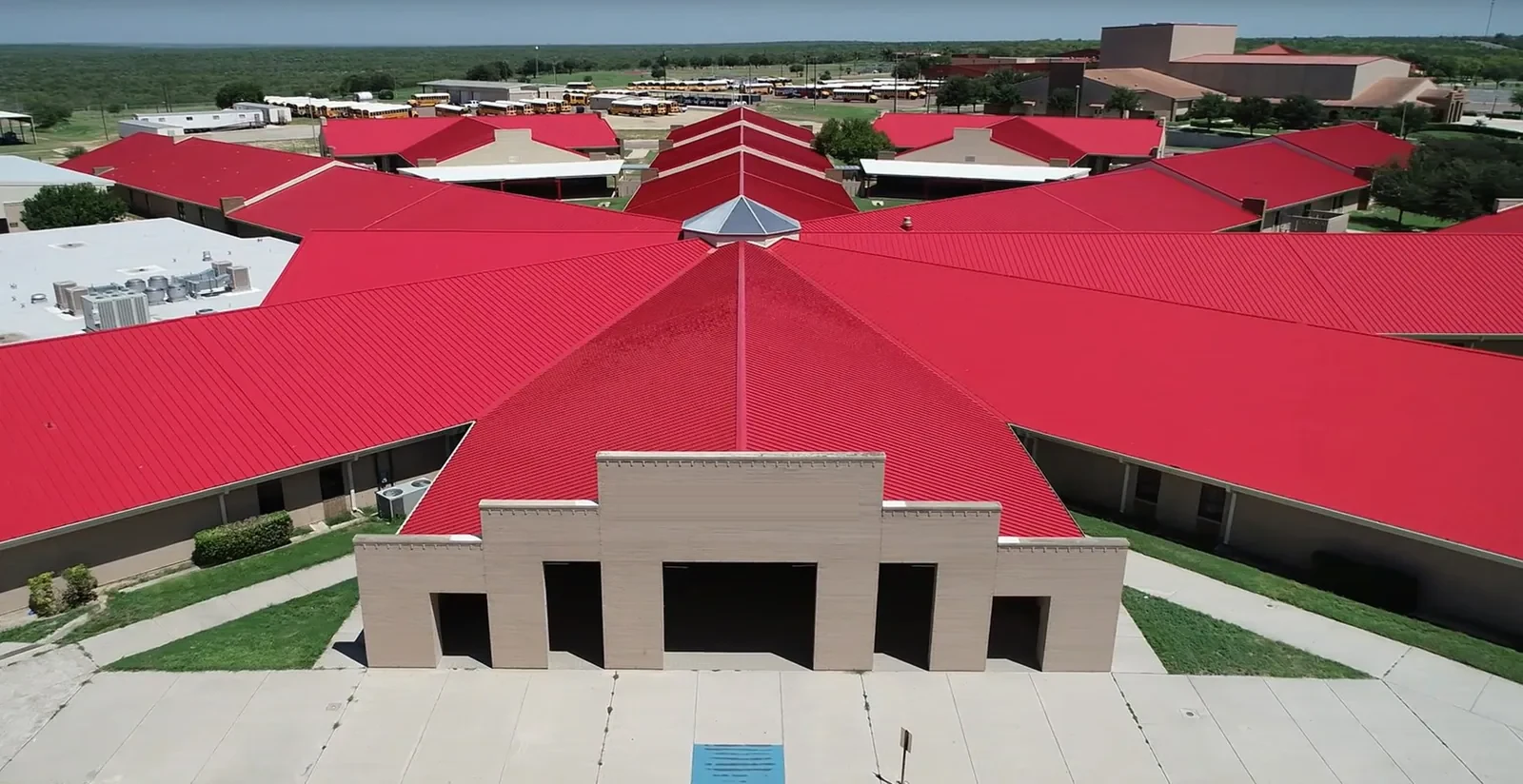
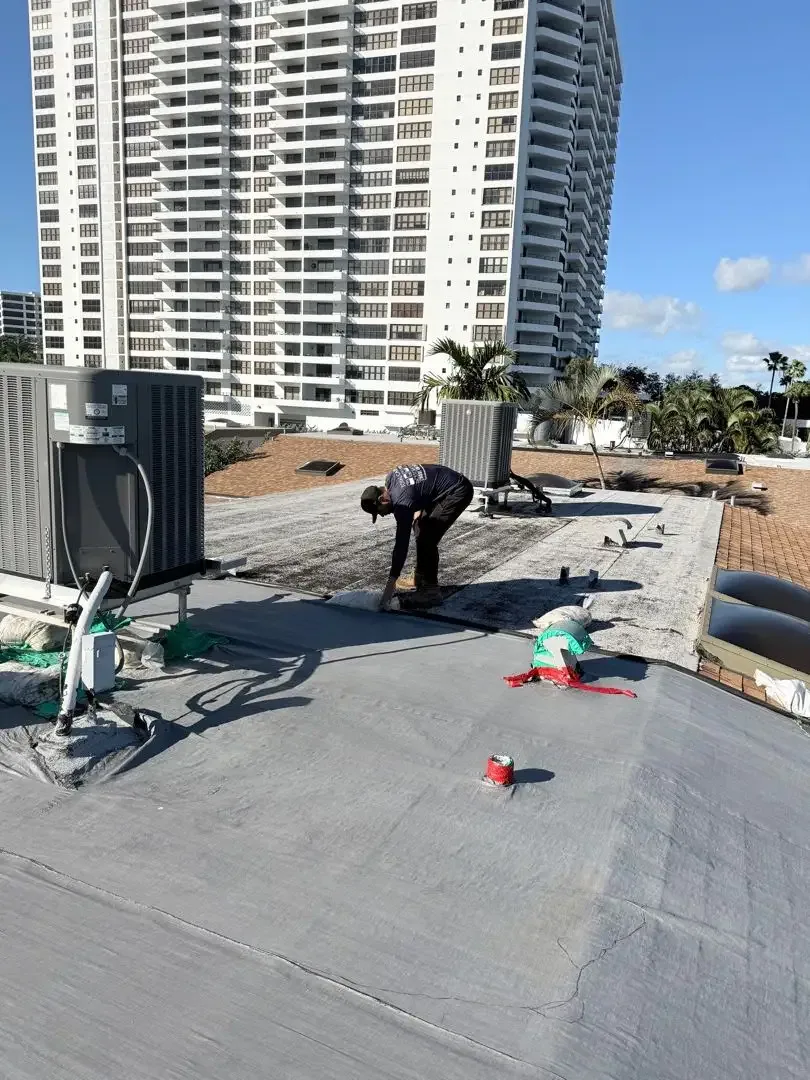
Repair: Restore attachment and weather details
The permanent repair depends on the displaced component and confirmed assembly. Work may include resetting or replacing edge metal, securing a seam, renewing compatible membrane, rebuilding flashing or correcting fastener attachment. We identify substrate preparation, lap dimensions and tie-in limits in the approved scope. If removal exposes wet insulation, deck damage or an additional layer, work stops at the boundary while the finding is photographed and reviewed.
A repair that closes one opening should not hide a weak transition beside it. We inspect adjoining corners, terminations and curb flashings that could share the same wind path. If the detail requires a system-specific or engineered change, the project designer confirms the applicable requirement. The City reviews commercial permits and plans under Brownsville's adopted 2018 International Building Code. We coordinate roofing work with the accepted documents and flag conflicts before installation.
When storm wind arrives with heavy rain, a hurricane roof damage review adds a separate check of rain entry and exposed details. A heat and UV damage repair addresses surface aging that needs its own condition record. For a broader event response, a storm damage roof repair scope can separate emergency stabilization from permanent restoration. The proposal lists roof areas, material assumptions, access needs and any hold point. A return visit confirms the completed detail and records any open item for the owner. We do not close the record while an authorized item remains incomplete or inaccessible.
Closeout: Keep the wind repair traceable
Closeout returns the tagged photographs, repair area, installed detail, material information, authorized changes and remaining conditions. The facility can compare the repaired edge or seam with a later inspection. If a section could not be accessed, the report keeps that limit visible instead of treating the unseen area as cleared. Each photo caption points to a roof zone so an owner can connect the work to the building plan.
Send the Brownsville address, reported event date, roof plans if available, interior leak locations and current temporary-cover details. Include site access rules and the person authorized to approve added work. We will tie the initial finding, protection and permanent repair to the same roof-area labels, so a later review can follow what happened without merging separate openings into one broad damage note.
For facilities with active loading or production, provide restricted hours, escort needs, lift limits and the route for debris removal before scheduling. The work plan can then identify the section to inspect first and the point when operations need notice. If access changes during the visit, the field record names the area left unseen and the return action required.
Related Roofing Work
Other roofing services and buildings we handle across Brownsville.
Questions About Commercial Wind Damage Roof Repair
Can wind damage exist without an interior leak?
Yes. Lifted edge metal, loosened attachment or an open lap can be visible before water reaches an occupied space. We document the roof condition and nearby details, then identify whether testing or a return inspection is needed.
What should be checked after strong wind near Brownsville?
Start with accessible edges, corners, seams, rooftop equipment and flashing transitions. We note displaced components, exposed fasteners and active entry, while the facility contact identifies any interior reports and safe access limits.
Will a temporary cover count as the completed repair?
No. The field record labels temporary protection separately from permanent work. It names the covered area, remaining exposure and next approval or inspection required before the final detail is installed.
How do you handle damage beyond the visible opening?
We stop at the approved repair boundary if removal reveals wet insulation, deck concerns or another roof layer. Photographs and location notes go to the authorized contact for direction before added work proceeds.
What information helps schedule a wind inspection?
Provide the building address, reported event date, leak locations, roof access rules and current protection. Roof plans and a facility contact help us map observations and coordinate the visit around operations.