
School Roofing in Brownsville, TX
Schedule a school roof review
A ceiling stain over a classroom needs a roof section, a date and a campus contact before repair can be assigned. We match the report to drains, seams, curbs and wall transitions above the space. Brownsville includes public schools as well as higher-education institutions such as Texas Southmost College and UTRGV. Each campus has its own calendar, access rules and occupied areas. The record begins with the affected building, not an assumption about the whole campus.
Send the Brownsville address, affected building, room report, school calendar, roof plans and access contact. We will tie the inspection and approvals to the campus work plan. Call 555-555-5555 or use the form.
Inspect: Record what the roof shows
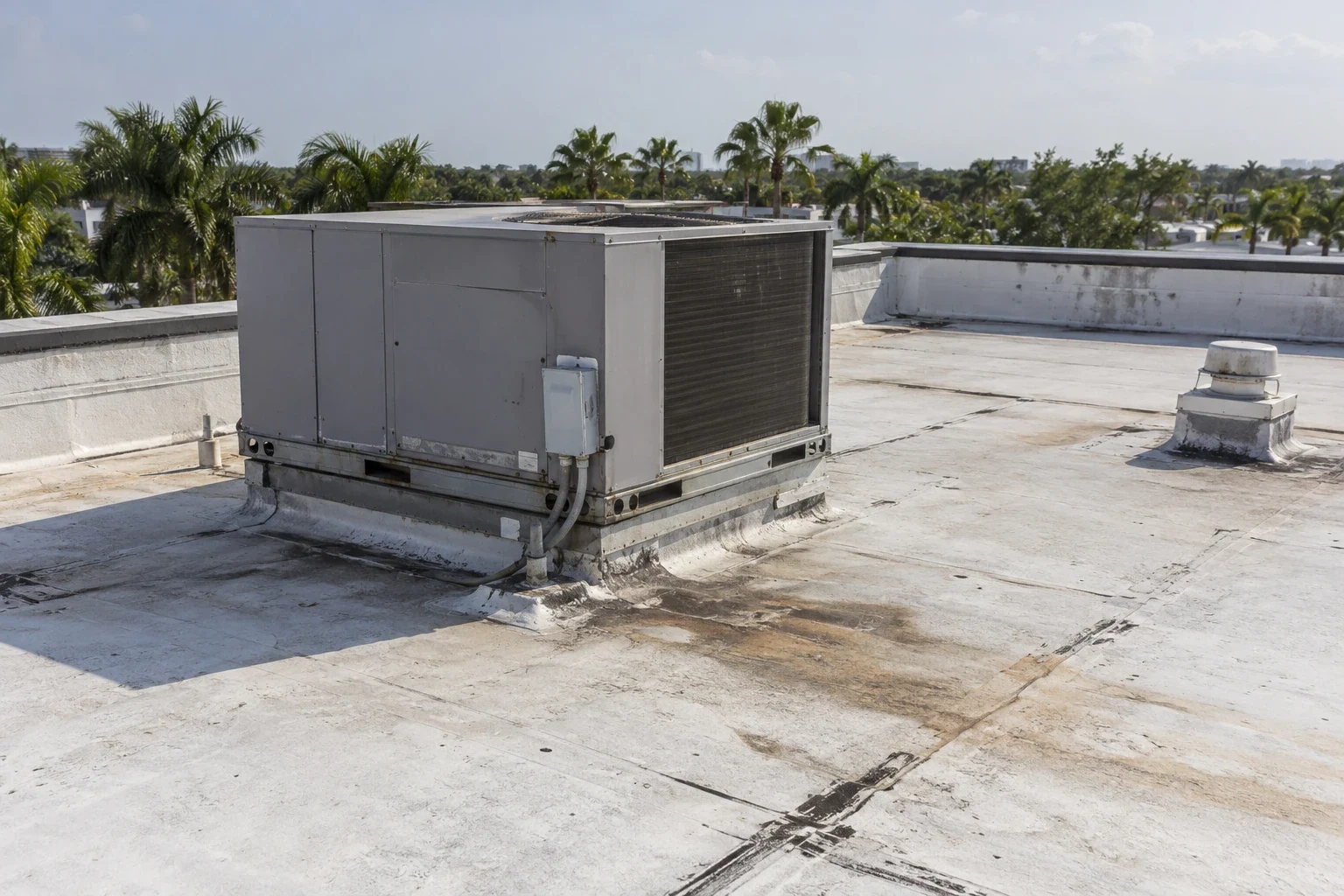
We compare the room report with the roof area above it and the likely paths water can take. The inspection checks membrane seams, metal transitions, penetrations, skylights, drains and scuppers. A ceiling mark may appear away from the opening. We note the reported timing, nearby roof features and any moisture that is visible, then separate those observations from concealed material that would require testing or removal.
School roofs often serve classrooms, gyms, kitchens, libraries and mechanical spaces with different schedules. We identify rooftop equipment, service routes and access restrictions before selecting a work boundary. If a test opening could clarify wet insulation or deck condition, the report identifies its location and asks the owner to approve it. A commercial roof inspection can provide tagged photographs, roof-area references and a list of next actions for maintenance staff.
Brownsville records about 140 days each year when the high reaches at least 90 degrees. On a school roof, hot conditions affect safe work windows and staging during the academic calendar. We plan around heat exposure, surface conditions and the school's actual schedule. The climate count informs planning; the roof inspection determines which materials and details need attention.
Coordinate: Set safe campus routes
Before work, the school contact marks student entrances, bus paths, drop-off areas, service drives and outdoor activities that cannot be interrupted. We confirm roof access, ladder or lift positions, fencing, debris handling and delivery windows. Noise near instruction or testing may require a different sequence. If a building remains occupied, the plan identifies which doors stay usable and who receives an update if weather changes the work period.
The former Fort Brown site now sits within the UTRGV and Texas Southmost College setting, giving school owners a local example of institutional reuse. We ask the district or property contact to identify actual check-in requirements, restricted areas, staff escorts and after-hours access. A Fort Brown and UTRGV area project still requires its own building contact and approved work limits. A college and university roof has a different day-to-day operating calendar, though it needs the same building-specific access record.
An occupied reroof is divided into work zones that can be protected and closed within the agreed sequence. We identify temporary protection at the end of each shift and record the area to be checked. Classroom equipment, food service, fire alarms and interior cleanup require coordination with school staff or assigned trades. A phased occupied-building reroof can sequence roof sections around school use, planned breaks and the verified campus calendar.
Repair: Define the opening and the tie-in
A small leak can need more than a surface patch when water has moved below the membrane or reached an insulation joint. We identify the suspected entry point, prepare the surrounding material and expose only the authorized area. Photographs show the layer removed and the transition to retained roofing. If damage extends beyond the approved quantity, work pauses until the district reviews the added area and repair detail.
During Hanna, the NWS reported damaging wind and a small tornado near Brownsville; a school inspection documents conditions at the campus itself. School roof records make post-storm review more specific: note which building was inspected, which edges and penetrations were checked, and whether temporary protection remains. A regional storm history does not assign damage to a particular school. The next action comes from the actual roof evidence and the facility's report.
When a classroom or office is taking water, the response plan identifies the affected space, roof access and temporary cover contact even outside the school day. We can install temporary protection and return when conditions allow a permanent repair. The report records the temporary material, the roof location and any open concern that remains. If water reached ceilings or equipment, interior drying, electrical review and contents protection belong to the facility or assigned specialist unless included in the approved scope. A storm-damage roof review can distinguish urgent stabilization from planned repair.
Compare: Local repair and planned capital work
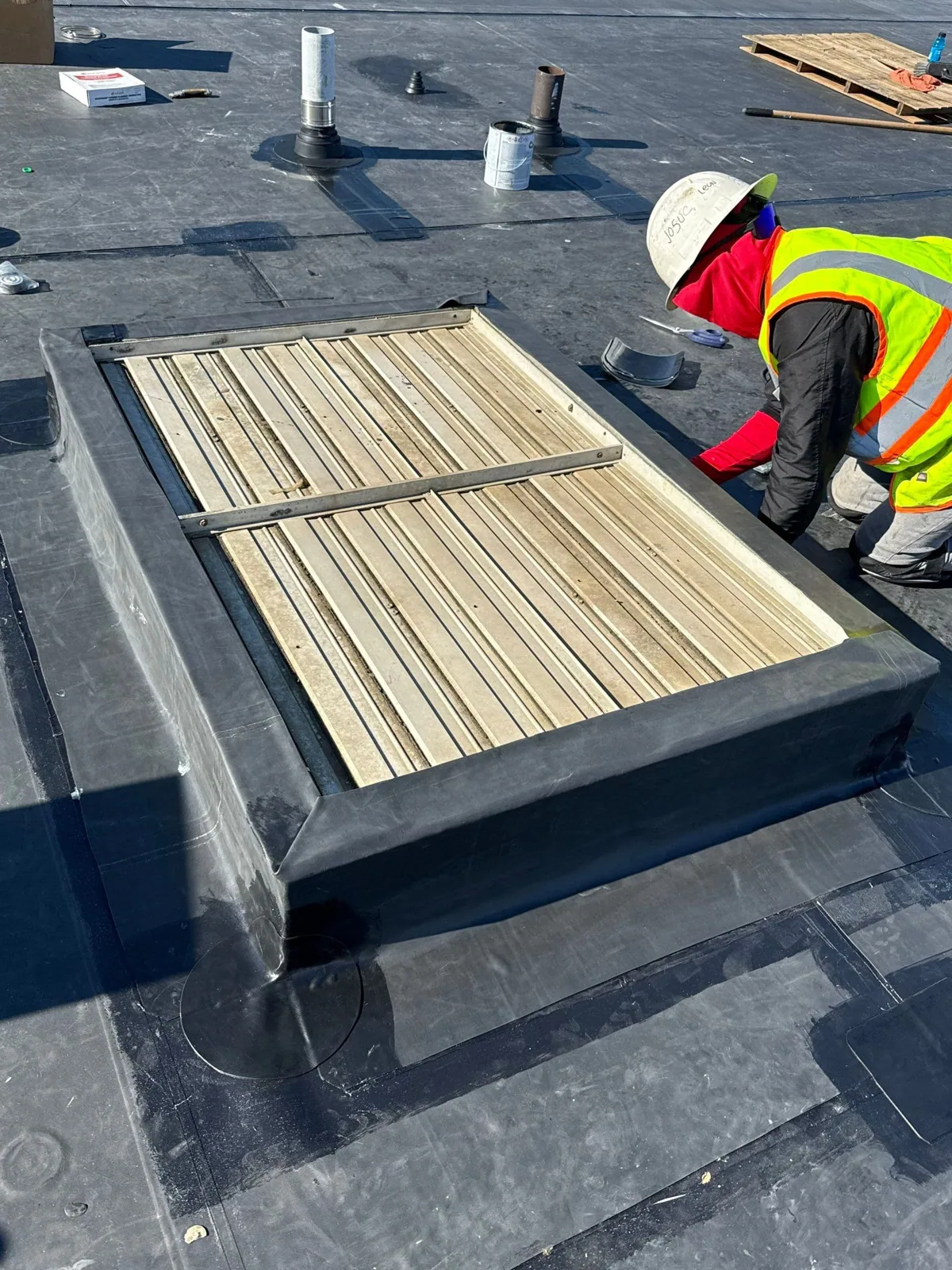
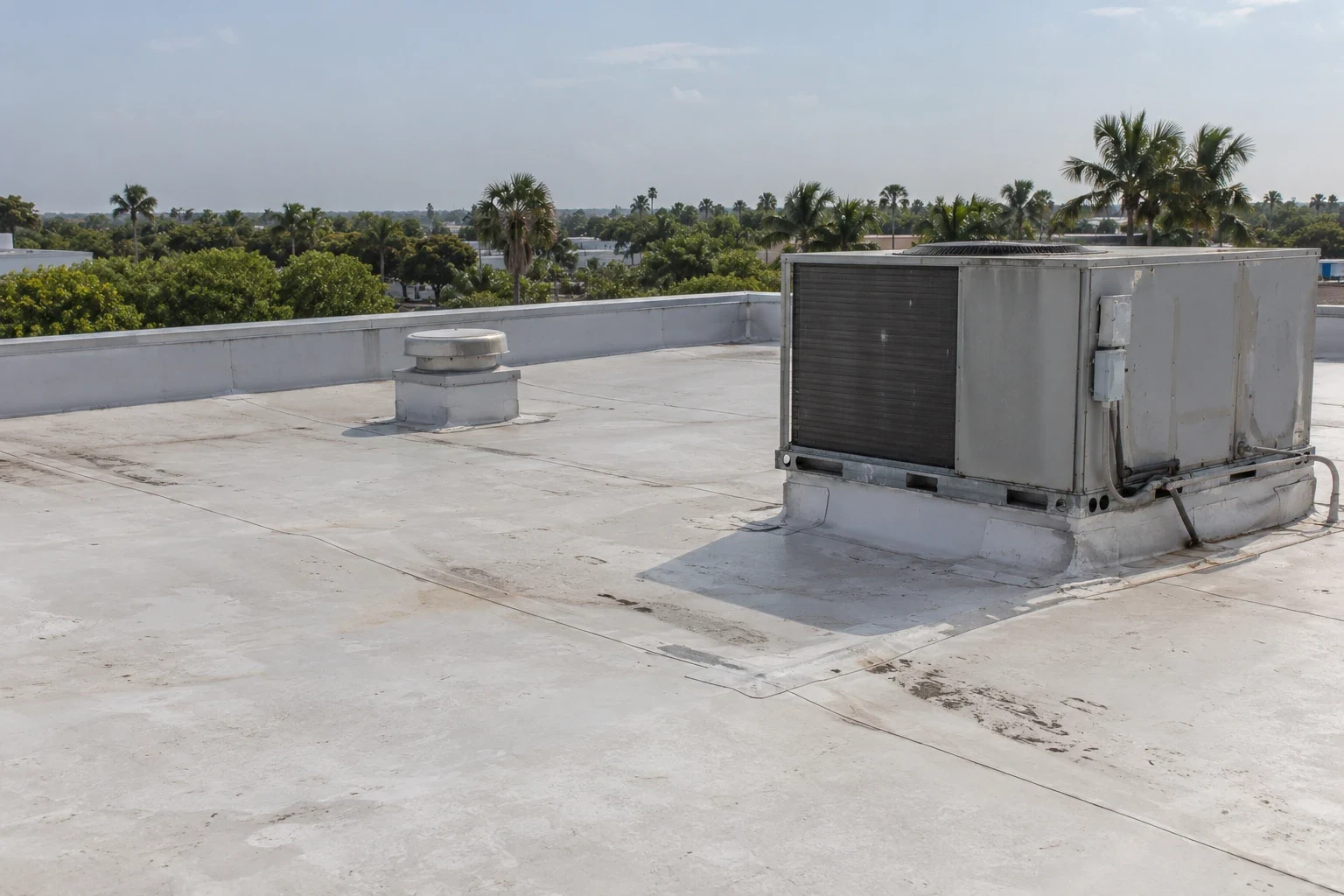
A single failed penetration may support a localized repair. Multiple leak areas, saturated insulation, failed attachment or aging membrane may support a broader project. We compare roof layers, drainage, repair history and the school's upcoming capital schedule before recommending a recover assessment or replacement. A recover must account for existing layers and moisture; it cannot be selected from a surface view alone. Staff offices can involve similar access questions to office-building roofing, but school calendars and student routes need their own plan.
Brownsville adopted the 2018 International Building Code, and the City's permit division reviews commercial project plans. The project designer confirms requirements for the specific school address, roof assembly, wind design and permits. The written roofing scope states what will be removed, installed and inspected. Electrical, fire protection, HVAC and interior restoration remain separate unless they are specifically assigned and priced as part of the work.
Cost and timing depend on roof access, building height, staging, student use, lift placement, concealed moisture, material availability and the approved work window. A summer schedule may allow different phasing than a school term, but the district must confirm dates and access. We list assumptions and exclusions so the owner can compare the near-term repair with the cost and disruption of wider work. Any added area requires a documented approval before the crew continues.
Closeout: Leave a building-level record
Closeout shows repaired areas, completed details, photographs, materials and any remaining temporary protection. The report identifies roof sections not accessed and concealed areas that were not opened. School maintenance staff can attach the record to the building file and connect it to the original classroom or office report. That keeps a later leak comparison tied to an actual roof location.
Send the Brownsville address, building name, room or area affected, timing, roof plans, campus hours and approval contact. Include bus and student routes, roof access procedures, test or event dates and equipment that cannot be interrupted. We will define the inspection boundary and show where added testing or another trade is needed. Each approval remains linked to the building and the roof area under review.
After work, routine observations can check the repaired seam, drain or transition without reopening the original scope. When a future condition appears, compare its position with the photo record and note whether it follows rain, cleaning or equipment service. We can return to inspect the relevant section and document what is visible that day.
Related Roofing Work
Other roofing services and buildings we handle across Brownsville.
Questions About School Roofing
Can roof work happen while classes are in session?
The campus contact sets the dates, student routes, testing periods and restricted areas. We can phase work and coordinate noise or deliveries with that calendar. The approved plan identifies roof zones, access points and any entrances that must remain clear.
How do you inspect a leak above a classroom?
We record the room and timing, then check roof details above and around the reported area. Water can travel through the assembly before it reaches a ceiling. The inspection distinguishes visible evidence from a test opening that needs separate approval.
What does the school need to arrange before roof access?
The district or property contact identifies check-in, keys, escorts, restricted spaces, lift limits and student traffic. We use those instructions to plan staging and safe routes. Access to one campus does not establish permission at another.
Will you replace wet insulation during a repair?
We document exposed material and compare the actual condition with the approved removal boundary. The owner reviews added quantity and the proposed tie-in before work expands. Concealed damage is not included until its extent and repair are authorized.
What should be in the school roof closeout file?
Keep roof-area photographs, completed work, materials, open items, inspection limits and approvals with the building record. Add the room report and date so maintenance staff can compare future conditions with the same location.