
College and University Roofing in Brownsville, TX
Coordinate campus roofing by building
Classrooms, residences and support buildings each need a roof scope tied to their use and access schedule. We identify the building, affected room, access contact and roof section before defining the next action. Brownsville's higher-education community includes UTRGV and Texas Southmost College near Fort Brown. Their buildings serve distinct academic and operational uses. Each work order needs a campus-specific record and approval path.
Send the Brownsville campus address, building name, roof plans, reported condition, academic constraints and facility contact. We will document access, findings and approvals by roof area. Call 555-555-5555 or use the form.
Record: Separate observations from assumptions
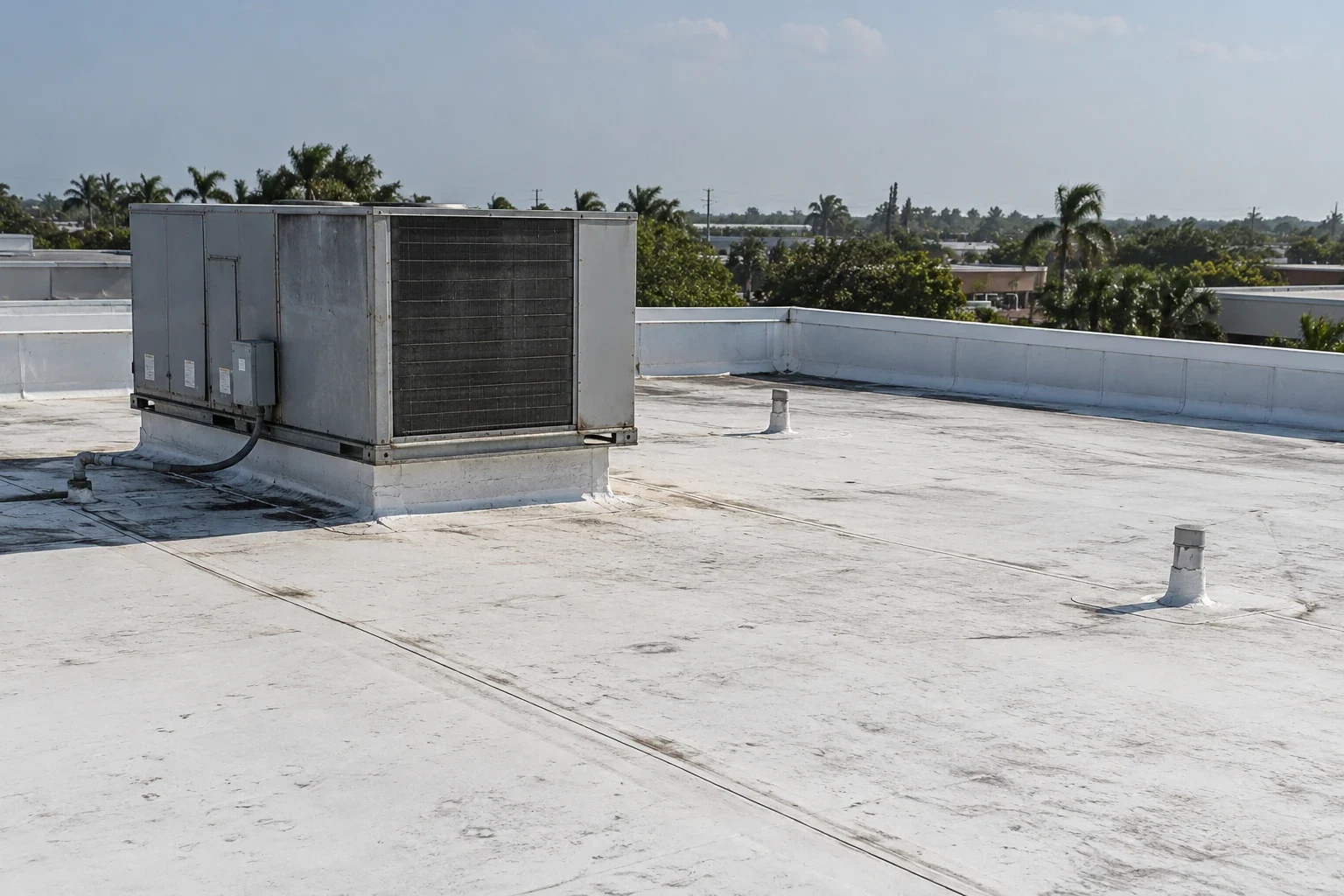
We begin with the reported room, date, weather and interior conditions. A roof walk then checks seams, penetrations, skylights, drains, parapets and rooftop equipment in the relevant area. The stain may sit below a different roof detail because water can travel along a deck or insulation joint. We document where moisture appears and which roof surfaces were accessible rather than assigning a cause from the room report alone.
University buildings can include teaching, research, administration, dining, recreation and student housing. Each function has different equipment, access and occupancy. We ask the campus contact to identify labs, data rooms, restricted suites and scheduled events that affect inspection or repair. If an opening is needed to confirm a concealed layer, the record locates it and the owner approves the test before removal. A moisture survey can help select areas for follow-up when surface patterns need confirmation.
Brownsville's annual mean temperature is 76.2 degrees, with 7,843 cooling degree days. Long cooling demand puts recurring strain on equipment curbs and insulation details, so these interfaces belong in periodic campus review. We inspect the actual assembly and note visible conditions. A climate measure does not establish the performance or age of a particular campus roof.
Compare: Plan around the academic calendar
Class schedules, research access, graduation events and summer occupancy can change when roof work is practical. The campus project lead identifies dates when a building or route must stay available. We map the roof section to that schedule and separate areas that can be closed from those that need a return visit. Lift placement, material delivery, noise and debris removal are included in the sequence before a crew is assigned.
The city asset map places UTRGV and Texas Southmost College together in Brownsville's central campus area. A Fort Brown campus-area project still needs building-level access and an authorized contact; a location reference cannot replace those arrangements. Bus and student movement can shape access at a K-12 campus; a school roof scope records those routes. At a clinic, the medical-office work plan may also have patient access requirements.
For occupied work, we divide the roof into sections that can be protected and closed during the approved shift. The field record identifies the work zone and any temporary cover left in place. If mechanical, electrical, research or interior work needs another trade, we note the handoff and contact. A phased reroof can move through confirmed zones while maintaining agreed access below.
Repair: Make the roof finding actionable
A localized repair starts with the failing seam, curb, drain or transition and the material needed to restore a sound tie-in. We describe surface preparation, removal limits, flashing work and conditions that remain outside the proposal. A patch applied over loose or wet layers can leave the underlying condition unresolved. If opening the assembly finds more damage, the crew photographs it and requests direction at the documented boundary.
The region's 2020 Hurricane Hanna history includes damaging wind, heavy rain and flooding; campus scope should remain tied to the roof conditions found on that campus. A campus roof file can record which building was checked after severe weather, where wind-sensitive edges were inspected and what protection remains. A regional event is a reason to verify the roof, not a substitute for the inspection. We tie any repair recommendation to observed conditions and the institution's reported needs.
Emergency response is available overnight, on weekends and holidays when water is entering a building. Temporary cover can protect an opening until permanent work is practical. We state who will monitor the cover, what access is required and which equipment or interior spaces need attention. A commercial roof repair proposal separates immediate stabilization from later removal or replacement so campus staff can approve each task.
Scope: Review recovery, replacement and permits
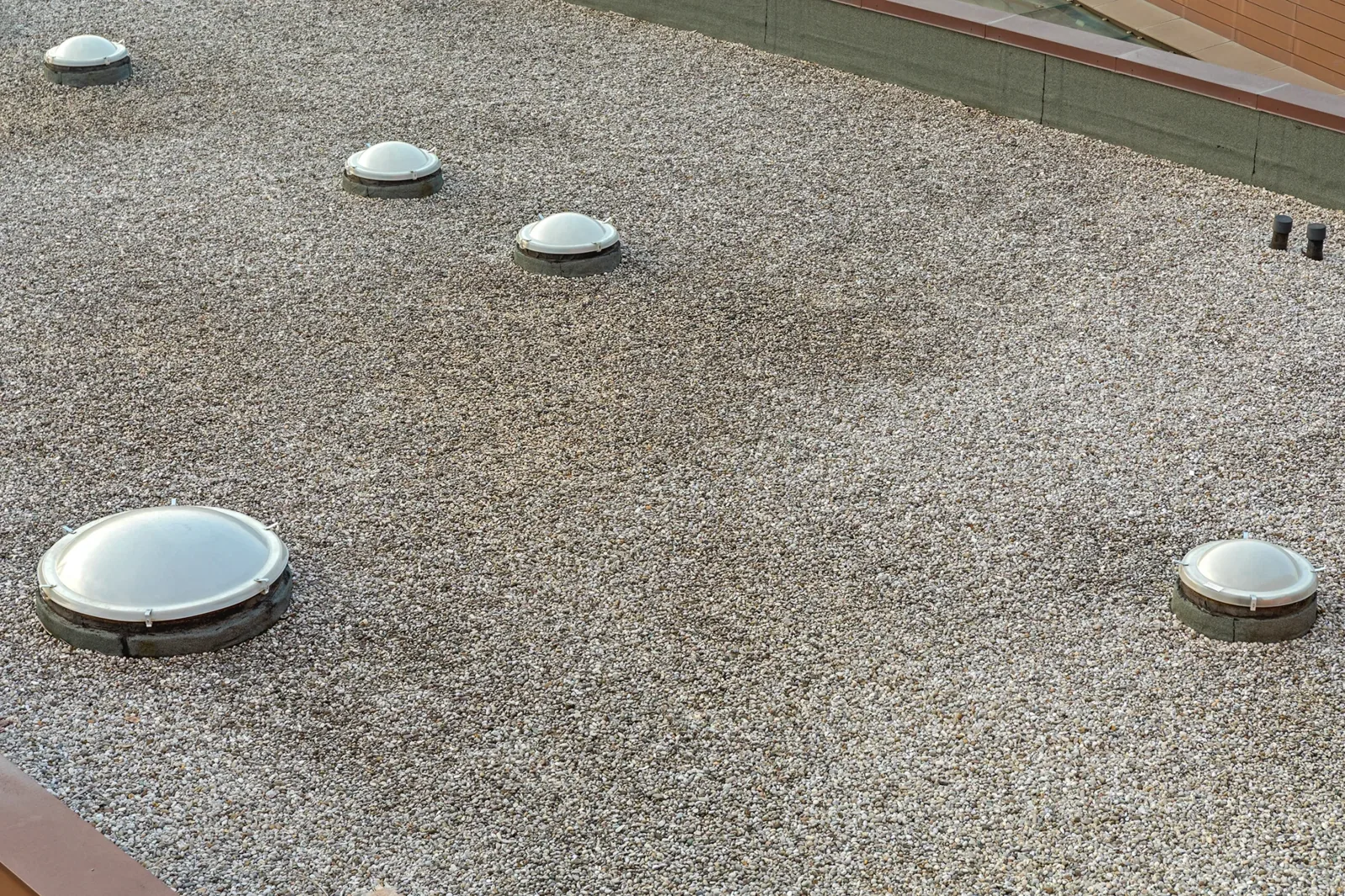
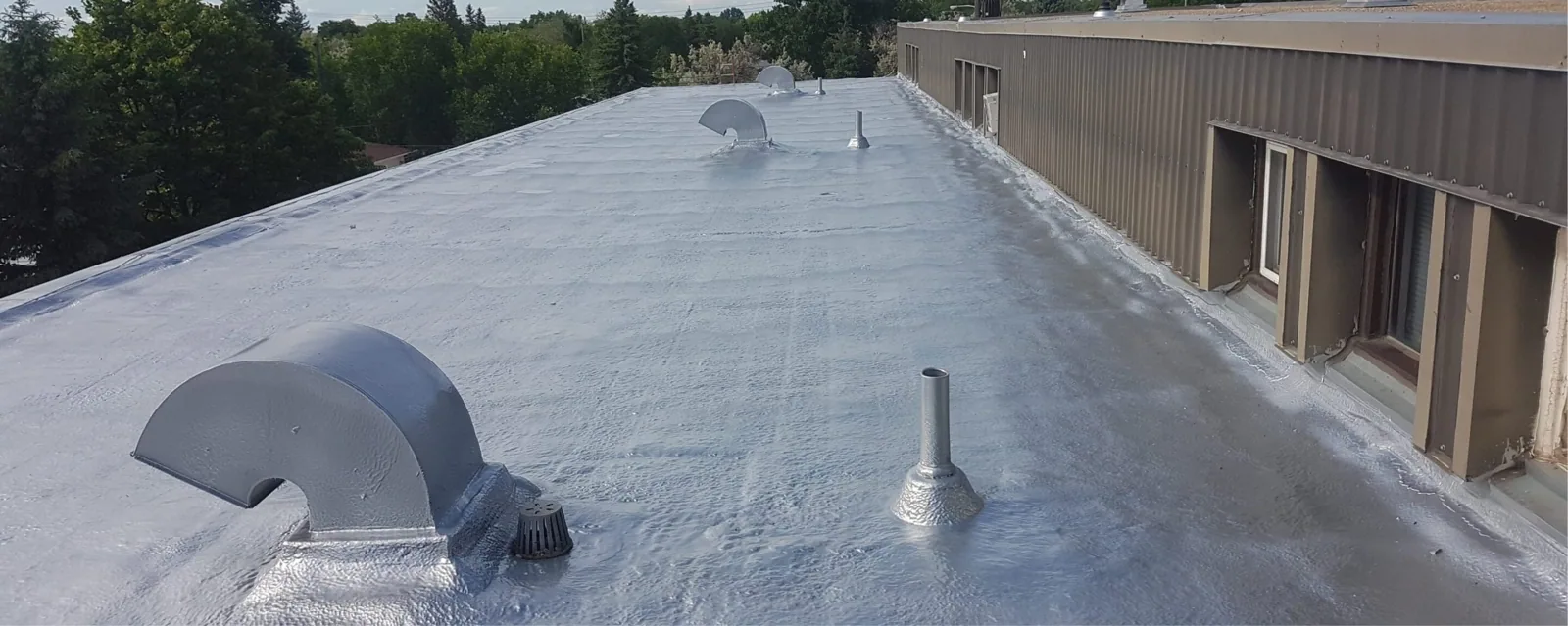
Repair may be sufficient for one isolated detail. Widespread moisture, recurring leaks, loose attachment or deterioration across several areas can change the comparison. We review test findings, drainage and roof layers before presenting a recover option or replacement work. The project design must account for retained materials, added load and the condition of the substrate. The proposal shows the basis for the recommended boundary.
Brownsville's commercial permit review follows its adopted 2018 International Building Code, a consideration for campus reroofing and structural changes. Campus designers determine how that code and current wind and energy requirements apply to a specific building. Roofing scope does not cover laboratory exhaust, fire alarm changes, HVAC shutdowns or building-envelope testing unless those tasks are assigned. Each interface is named so the owner can coordinate the responsible professional.
Budget and duration depend on access hours, height, setup space, roof layers, equipment, testing, sequencing and material supply. Research spaces may have additional entry controls or monitoring needs. We list the assumptions, campus coordination duties and exclusions in the estimate. If hidden material changes the quantity, the field record supports a written change request before work continues outside the approved amount.
Closeout: Keep one record per roof area
At closeout, we provide completed-area photographs, detail descriptions, materials installed, remaining items and any area that could not be accessed. The record identifies temporary measures removed or left for monitoring. Campus facilities staff can file that information by building and roof section, then compare a later leak report with the same location.
Send the Brownsville campus address, building name, affected room, academic calendar constraints, access rules, roof plans and approval contact. List mechanical or research equipment that affects the work zone. We will set the inspection area, state whether testing is needed and return a scope with identified interfaces. The work record keeps approvals and follow-up linked to the responsible campus contact.
Inspection after a repair can check the detail and nearby drainage without assuming the entire building has been renewed. We record the visible condition and any remaining recommendation. A capital plan can then distinguish a completed repair from an area that needs design or further testing. That separation helps preserve a clear roof history across separate campus projects.
Related Roofing Work
Other roofing services and buildings we handle across Brownsville.
Questions About College and University Roofing
Can roof work fit between classes or campus events?
The university identifies teaching schedules, event dates, restricted routes and building access hours. We use those constraints to phase inspection and installation. The written sequence states where staging occurs and which areas need a separate work window.
What does a roof inspection establish if the leak is inside a lab?
We record the reported room and inspect accessible roof details that could relate to it. If equipment, exhaust or a controlled space limits access, the report names that boundary. Testing or opening the assembly requires campus approval and any required specialist coordination.
Will you plan separate work for research buildings?
Research buildings can have restricted entry, sensitive equipment and operating requirements set by the institution. The campus contact identifies those conditions before the roofing scope is finalized. Mechanical, electrical and research-system work remains with the assigned qualified trade.
How do you decide between a recover and replacement?
We compare roof layers, moisture findings, attachment, drainage and the design requirements for the building. Testing may be needed before retained material can be evaluated. The proposal shows the conditions supporting each option and the limits of the available inspection.
What should be recorded after a campus roof repair?
Keep the building and roof-area reference, photographs, materials, approved quantity, open items and inspection date together. Include any temporary cover and the contact responsible for checking it. These details make later comparisons more precise.