
Commercial Heat and UV Roof Damage Repair in Brownsville, TX
Assess Brownsville heat-aged roofing
A membrane that has lost flexibility at a curb needs more than a quick surface patch. We inspect the aged area, check nearby laps and record which parts remain firm before choosing the repair limit. Brownsville averages about 140 days annually at or above 90 degrees, and August normal highs reach 96.3 degrees. The repeated heat load makes condition records and timely maintenance useful for commercial roof planning.
Send the address, roof plan, known roof system and repair history. We will map surface aging, identify open details and define supported restoration options. Call 555-555-5555 or use the form.
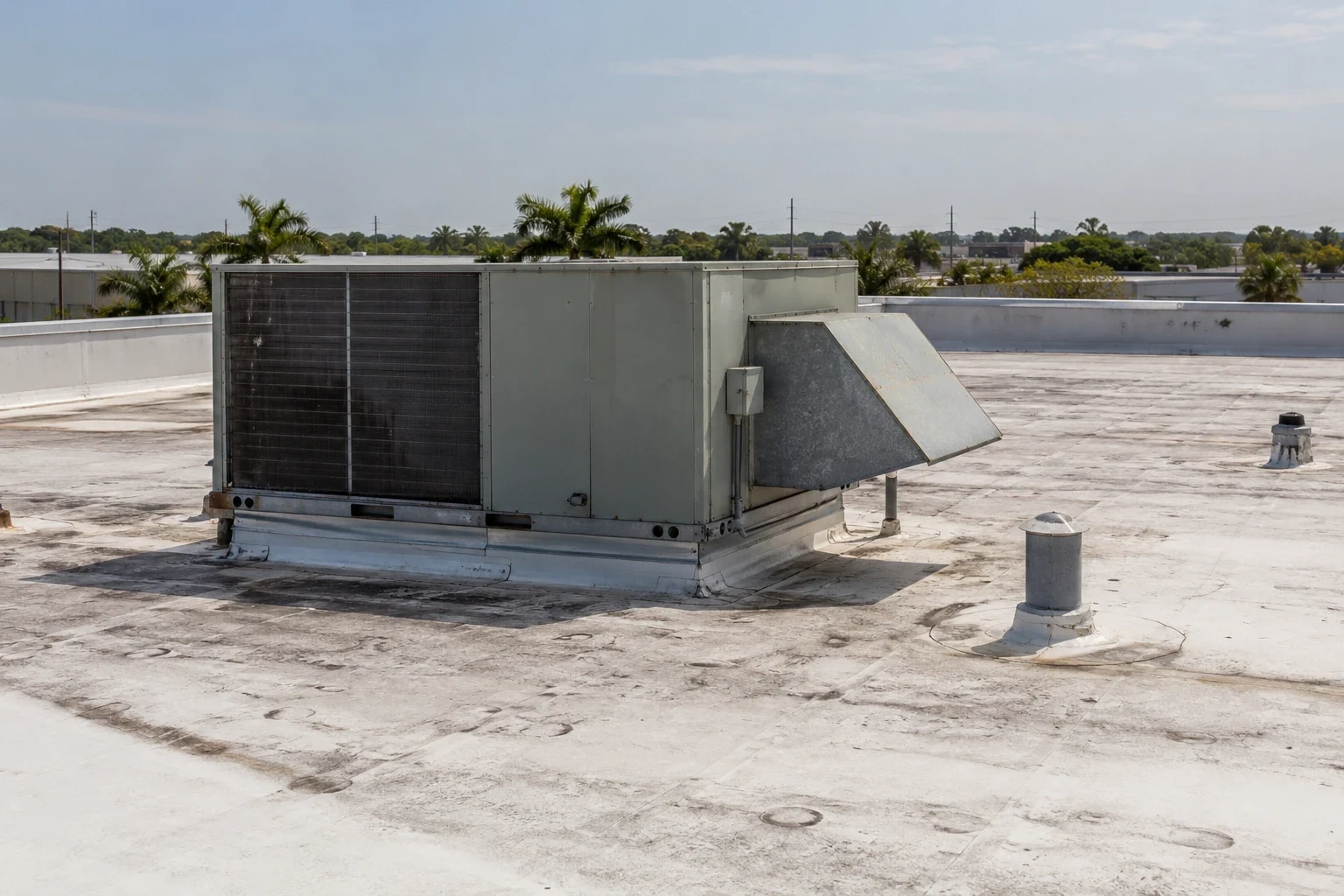
Inspect: Separate surface aging from a roof opening
We look for chalking, cracking, shrinkage, brittle flashing, loose terminations, exposed reinforcement and areas where a membrane has lost adhesion. A roof surface can look unchanged while seams and flashings show heat-related wear, so we inspect those details directly. We check seams, edges, penetrations and drains to see whether aging has progressed into an opening or water-entry path. A commercial roof inspection maps those conditions, while a moisture survey can help prioritize follow-up where concealed wet insulation is suspected.
Brownsville's normal daily highs reach 94 degrees in June and 96.3 in August. A yearly mean of 76.2 degrees and 7,843 cooling degree days give Brownsville's heat-related roof decisions a measurable local context. Those climate measures inform roof-system planning, but the building's assembly, exposure and upkeep determine what the inspection finds. We describe the actual membrane condition and identify any test needed before estimating removal or replacement.
The North Brownsville Industrial Park includes utility-served sites connected to I-69E and the port. Industrial use may bring rooftop equipment and repeated service access, which can create wear separate from broad heat aging. The facility contact identifies equipment routes, shutdowns and lift access; the inspection records wear visible along those paths without assigning an unconfirmed cause.
Record: Track aging by roof zone
We mark each observation on a roof plan or area sketch and include close and wide photographs. The record notes whether a crack reaches the membrane, a seam opens under review, flashing remains bonded or a previous patch has hardened. It also lists conditions not visible from the surface, such as insulation moisture or deck attachment. A roof condition report lets a facility compare one section over time without reducing the whole roof to a single age label.
Heat-aged material can behave differently around a curb than across an open field. We examine direction changes, terminations, equipment supports and metal transitions, then note where a repair must tie into sound material. If there are several conditions, the report separates surface weathering from puncture, seam separation or flashing failure. The owner receives an evidence-based order of work with any testing need stated before authorization.
At the 802 Industrial Park, the location fronts FM 802 between Old Port Isabel Road and Highway 48 and is listed for light industrial and logistics uses. For active operations, roof access and work hours can affect how sections are inspected. We confirm the route and staging plan with the site contact, then label any section left unseen for a return visit.
Compare: Maintain, coat or replace
If the membrane remains sound and compatible, localized restoration or a coating may extend the service path for that assembly. Coating is not a remedy for wet insulation, open seams, weak attachment or failed flashing. We inspect and test as needed, then state whether surface preparation, reinforcement or replacement is part of the proposal. The owner's choice should compare the observed condition, work area, expected maintenance needs and budget timing.
A roof coating restoration can be considered after the substrate and detail conditions are confirmed. Where deterioration includes open seams, seam failure repair identifies a separate correction. Where material is torn or punctured, a membrane puncture repair follows the observed opening. Distinct conditions receive distinct quantities so a coating proposal does not conceal repair work required underneath.
For reroofing or insulation changes, confirm the City of Brownsville's commercial review requirements under its 2018 International Building Code adoption. The designer confirms applicable wind, energy and assembly requirements at the specific property. We identify roof conditions and install the accepted system detail. Any broader design change, drainage correction or structural work needs direction through the project team before it is included in roofing installation.
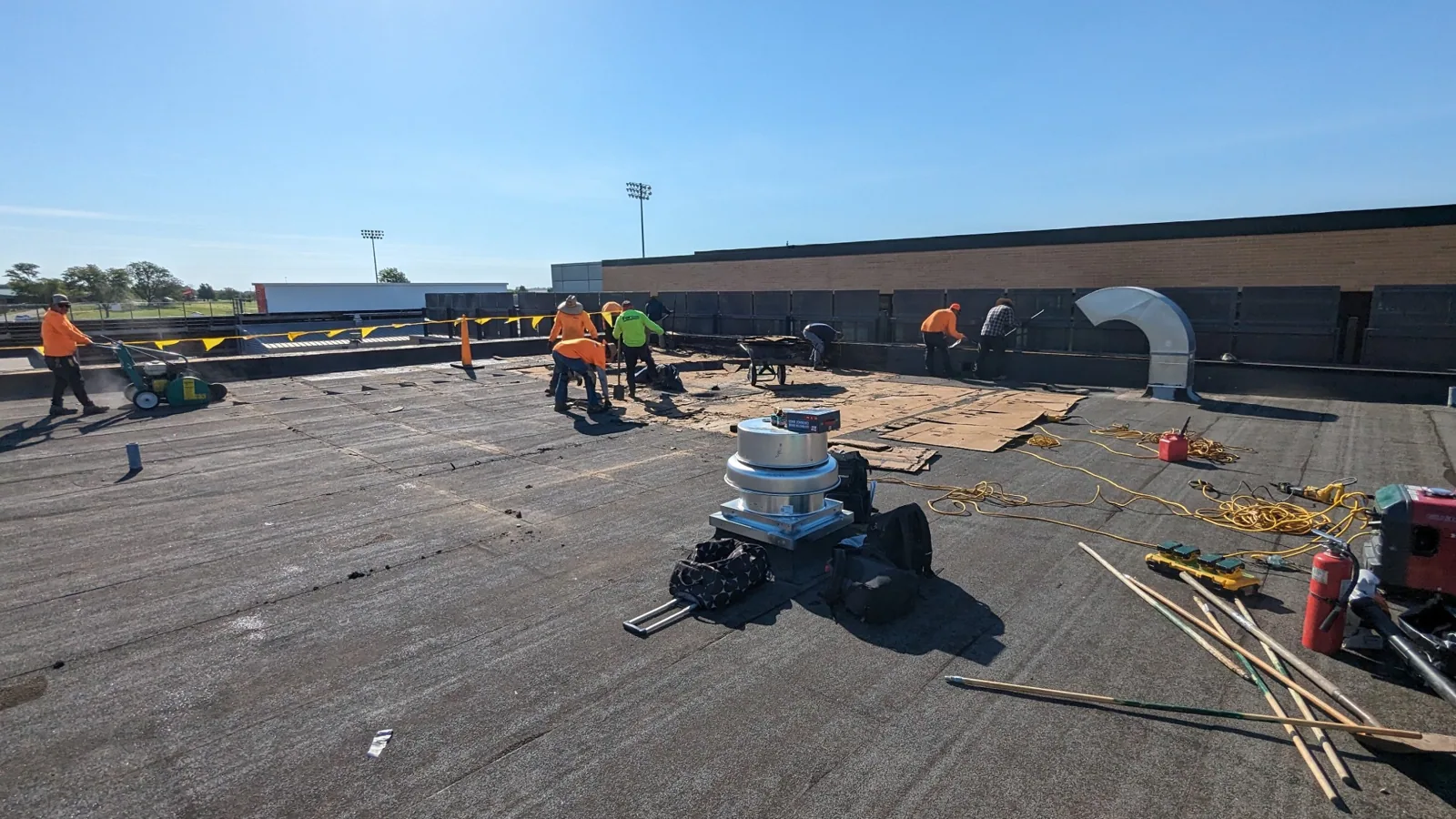
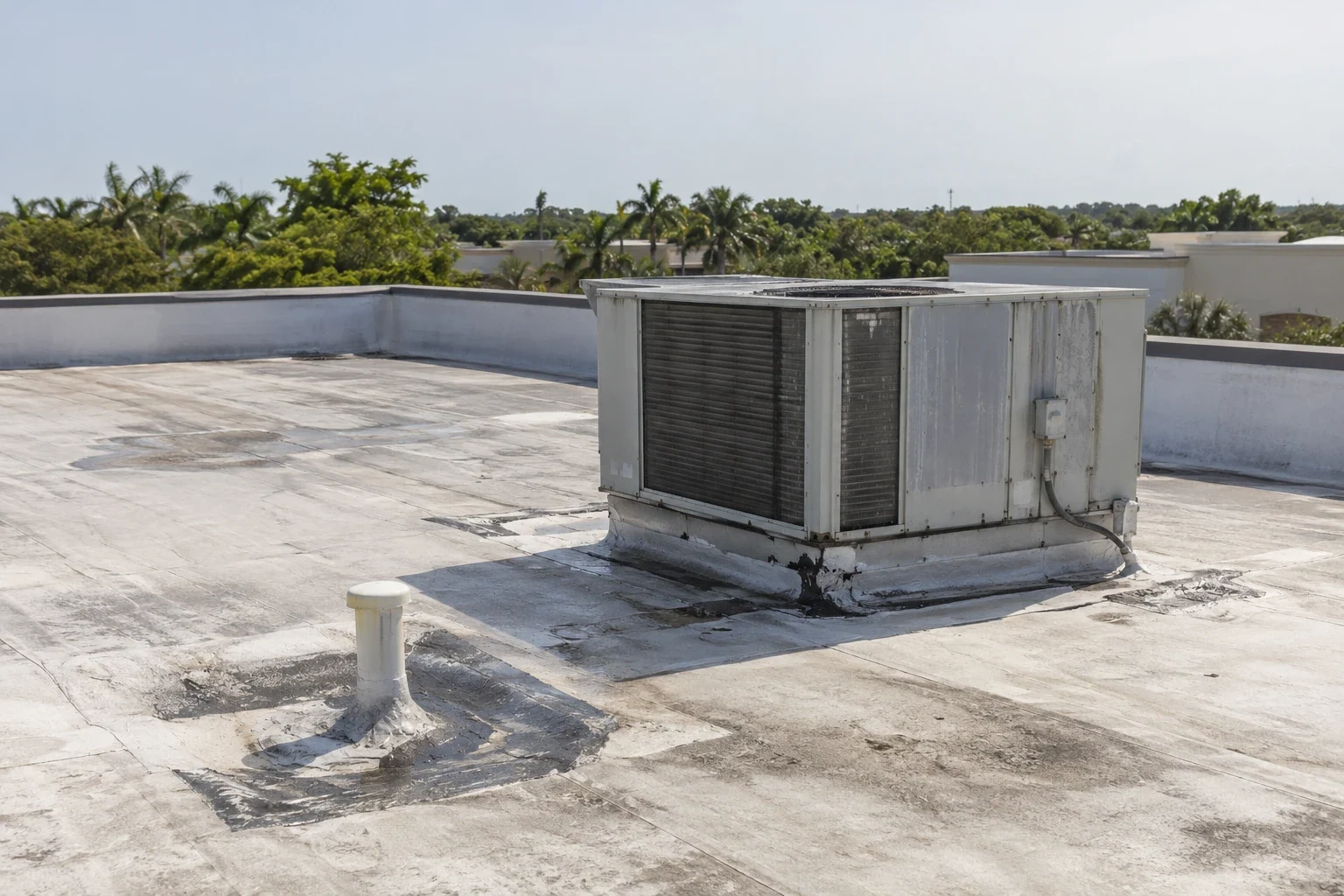
Repair: Prepare the surface and close each detail
Repair starts with removal of loose material and preparation to a substrate suitable for the selected system. Work may include compatible membrane, reinforced flashing, seam repair, metal replacement or coating over an approved surface. The proposal states preparation, coverage, tie-in and excluded areas. If removal exposes wet insulation or a different roof layer, we stop at the approved boundary, photograph the exposed condition and request direction before expanding.
Brownsville's hot work periods affect crew safety and the time available for preparation. We coordinate work hours with the facility, check that materials can be installed under the conditions required for the system, and close the section before leaving. If active water entry cannot wait, emergency response runs around the clock, weekends and holidays included. Temporary protection is documented separately and followed by a permanent repair scope.
Where deterioration is widespread, the owner may compare localized repairs with a larger replacement. A wind damage check can also identify attachment concerns after a storm, but aging and storm impact are recorded separately. We state the findings and assumptions so the final selection follows the building's needs and accepted project documents.
Closeout: Set a dated maintenance baseline
Closeout returns the inspected zones, photographs, installed materials, approved changes and remaining items. We note whether coating or patch work left any adjacent aging outside the project boundary. A future inspection can compare the same details and show which conditions changed. The record includes a return visit when needed to check a cured coating, completed lap or section that was inaccessible during the first visit.
Send the Brownsville address, roof plans, known system, previous coating or repair information, leak reports and equipment access constraints. Include the facility contact and any capital review date. We will document current surface condition, explain any test that could change the recommendation and define a repair or restoration area the owner can evaluate.
Related Roofing Work
Other roofing services and buildings we handle across Brownsville.
Questions About Commercial Heat and UV Roof Damage Repair
Does faded membrane mean the roof needs replacement?
No. Color change alone does not confirm failure. We inspect flexibility, seams, flashing, attachment and any wet layers, then identify whether maintenance, localized repair, coating or replacement is supported.
Can a coating correct brittle flashing or open seams?
A coating does not replace failed flashing or close an unprepared seam. We inspect and repair those details first, then determine whether the remaining substrate is suitable for a coating system.
How does Brownsville heat affect roof repair planning?
Normal summer highs and frequent days above 90 degrees affect safe work periods and material handling. We coordinate hours and installation conditions with the facility and document weather-related schedule changes.
Who authorizes removal if a puncture repair reaches wet insulation?
We pause at the authorized limit, photograph the exposed layer and report its roof-area location. The owner or designated contact reviews the additional quantity and approves any expanded removal.
What should I provide for a heat-aging inspection?
Send the address, roof plan, known assembly, prior coating or repair records, reported leaks and equipment access rules. We can then map aged details and identify testing needed before a scope is selected.