
Solar-Ready Commercial Roofing in Brownsville, TX
Resolve roof interfaces before the array is set
A solar layout should not cover a roof whose replacement or repair is already due. We inspect the existing assembly, map drains and penetrations, and record the condition before the array is designed around it. In Brownsville, TX, high cooling demand and industrial development make solar projects a practical consideration, but structural capacity and array design require project-specific engineering. A site in the Port of Brownsville Business Park and an industrial building on Paredes Line need separate roof and access reviews.
Send the Brownsville address, roof records, solar layout and structural details. We will identify roofing work, access needs and approvals required before installation. Call 555-555-5555 or use the form.
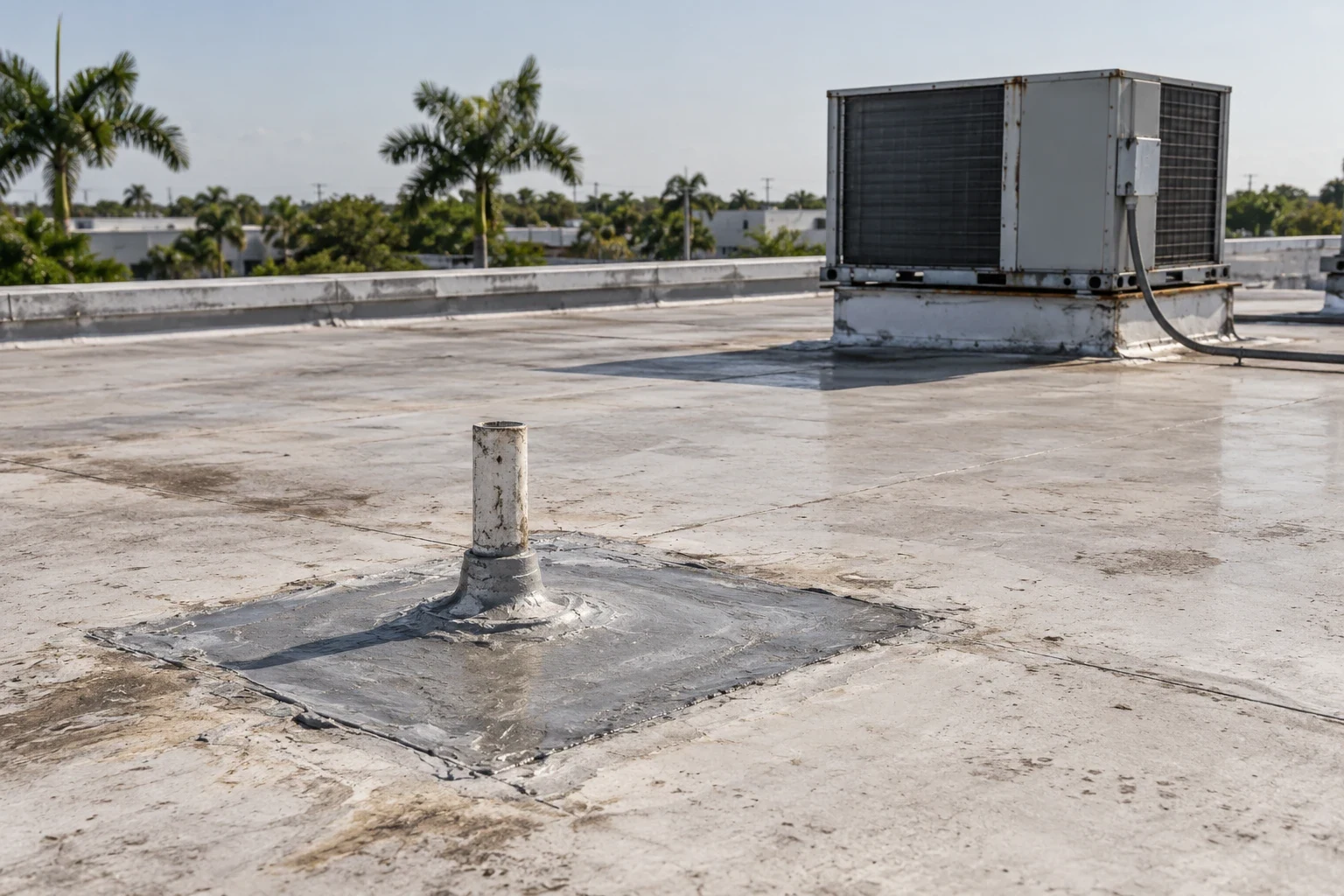
Record the roof before equipment is added
We identify the membrane or metal system, visible repairs, seams, flashings, edge details, roof access, drainage and reported leaks. If moisture, attachment or deck condition could change the decision, we identify testing needs. The record names sections inspected and locations hidden or inaccessible. An existing roof near replacement condition may be better renewed before an array limits access and future repair options.
A visual roof review does not establish structural capacity. The solar designer and structural engineer must evaluate the building, array loading, attachment method, ballast if used, wind design and load path. We review their drawings for roof penetrations, attachment locations, pathways and interfaces that affect waterproofing. The owner should resolve design assumptions before materials are ordered. If the array footprint or supports change after approval, roofing details and scope may need revision.
For new roofing, a replacement project can coordinate membrane selection, insulation, attachments and access paths before solar installation. If the existing roof remains serviceable, inspection can document condition and outstanding repairs. A coating restoration is only considered when substrate, moisture and product requirements support the system.
Assign each waterproofing detail
Each penetrating attachment or support creates an interface that must be detailed and accepted. We map proposed points against seams, curbs, drains, scuppers and roof edges. The contract should identify which trade supplies the attachment, who makes the roof opening, which party flashes the assembly, and who inspects and corrects a failed detail. We perform roofing work within our approved scope and coordinate with the solar contractor; electrical connections and array operation belong to that contractor.
Service access after installation also needs a drawing. We preserve routes to drains, mechanical equipment, edges and repair areas where the layout allows. Panels that block an overflow path or hide a recurring seam can complicate maintenance. We identify locations that will be difficult to inspect and clarify how the owner can reach them later. If module removal is needed for roof repair, the solar contractor's scope should address shutdown, disconnection, storage and reinstallation.
The Port of Brownsville Business Park has serviced lots and connections to freight corridors and rail. The Brownsville Aerospace Industrial Park offers runway and tarmac access for aviation and advanced-industry use. These facts describe local industrial settings, not the construction or solar plans of a specific property. For a site near the Port business park or Brownsville Aerospace Industrial Park, the actual facility contact supplies access and staging rules.
Schedule roof work before panel installation
Cost and schedule depend on roof access, repairs, moisture testing, number of penetrations, staging and whether an existing array must be moved. We identify those items separately from module supply, electrical work and structural design. The owner can then compare the roofing portion with the solar proposal without assigning one trade responsibility for another's deliverable. If test openings or temporary cover are required, the field record notes location and approval status.
Replacing an unsuitable roof before solar installation gives the owner a known waterproofing base and avoids coordinating module removal for near-term reroofing. We can complete roofing, record installed details and hand over the roof condition before the array is set. Where solar equipment already exists, no module or support should be moved until the responsible contractor confirms the sequence and safety plan.
If a repair occurs after the array is installed, access can affect timing and cost. The proposal identifies expected work areas, inaccessible roof surfaces, lift or module coordination and limits of observation. We do not describe surfaces concealed under panels as inspected. For phased work, we mark the boundary, preserve drainage and record the temporary condition if the roof cannot be closed permanently that day.
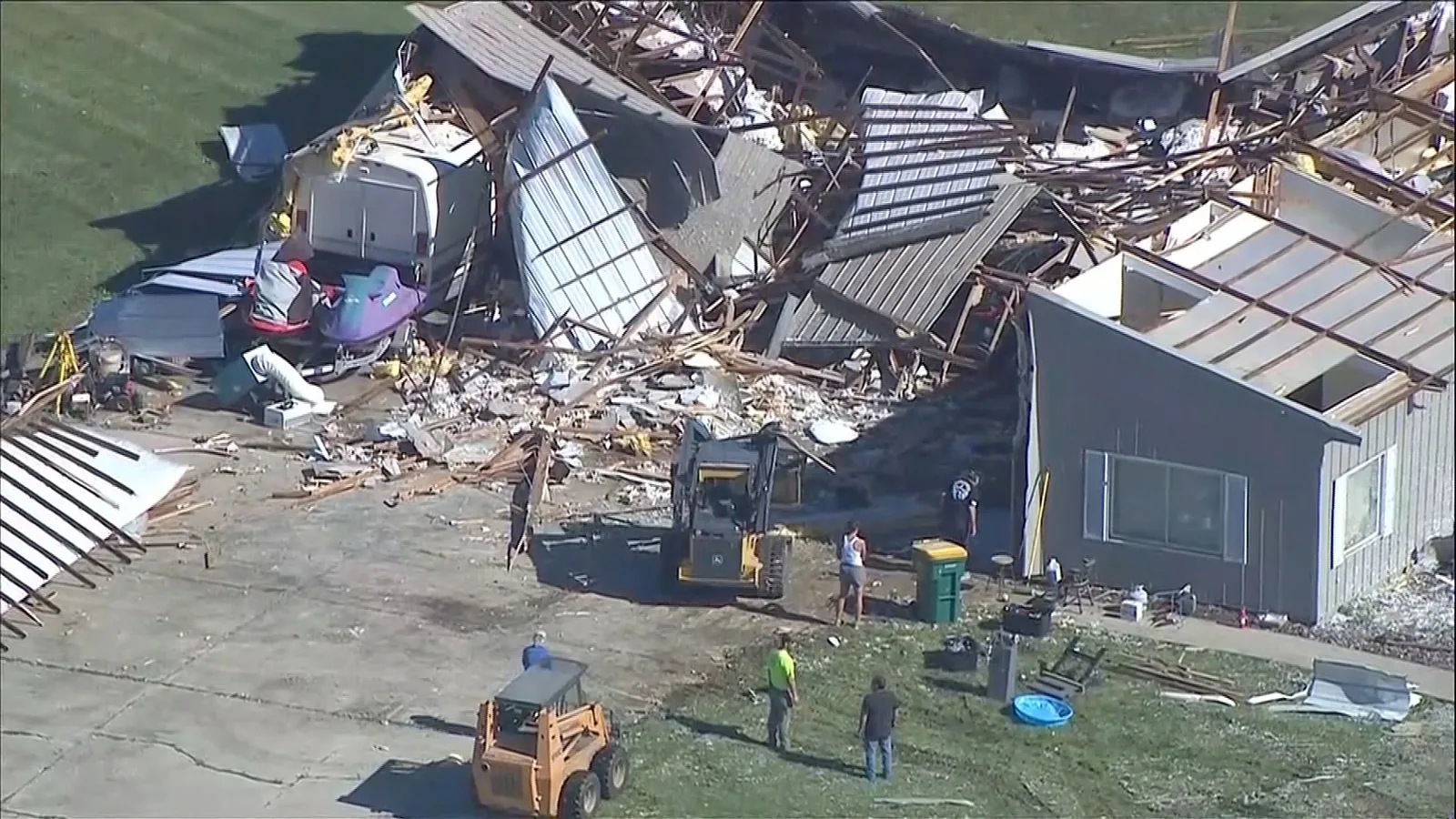
The long-term Brownsville temperature average is 76.2°F, and cooling degree days total 7,843. Heat affects material handling and safe work periods. Hurricane Hanna caused regional wind and rain damage in the Rio Grande Valley, so a current solar installation should include a plan for temporary protection and weather changes. The project record states which areas are complete and what remains exposed if conditions interrupt the sequence. A forecast or past storm does not establish damage at a particular address.
Keep engineering and roof records together
The owner should retain solar plans, structural calculations, roof drawings, product information, warranty documents and service contacts with the roofing closeout. Brownsville's adopted building code is the 2018 International Building Code. The City's Building Permits and Inspections Division reviews permits and plans for commercial remodeling and new construction. Project-specific code review and approvals belong with the design and permitting team. We can provide the roofing submittals and details assigned to our scope.
A condition report documents the pre-installation baseline. A warranty record keeps submitted documents and maintenance obligations available for later review. We review the actual terms supplied and do not assume solar installation preserves or changes coverage. Closeout photos identify penetrations, pathways and roof sections completed.
Send the address, roof history, solar layout, structural details, access rules and proposed schedule. We will review the roof interfaces, identify open questions and state what must be resolved before work. The facility contact receives a record that distinguishes roof construction from array work and identifies who owns the next approval.
Related Roofing Work
Other roofing services and buildings we handle across Brownsville.
Questions About Solar-Ready Commercial Roofing
Do you determine whether our roof can carry solar panels?
No. A structural engineer and solar designer evaluate the building, loading, attachment and wind design. We inspect the roof assembly, document condition and identify the waterproofing details and repair needs to coordinate with their design.
Should roof repairs happen before panels are installed?
The condition and expected service period of the existing assembly guide that choice. We document visible wear, leaks, moisture testing and repair history. If replacement is likely soon, completing it first may reduce later module coordination, but the owner should compare project timing and design requirements.
Who flashes the solar attachments?
The contract should assign each interface and inspection step. We install roofing details included in our approved scope and coordinate the attachment sequence with the solar installer. The owner should confirm who opens, flashes, tests and corrects each penetration.
Can roof repairs be completed after panels are installed?
Yes, when safe access and trade coordination are available. The array may restrict inspection or require an approved removal plan. We identify concealed areas, repair boundaries and any solar-contractor work needed before the roof scope is approved.
What documents should be available before roof work starts?
Provide roof drawings, leak records, solar layout, structural details, access rules, permit status and the project contact. The approved plans should identify attachments, pathways, responsible trades and closeout records.