
Commercial Roofing on FM 802 and Ruben M. Torres Boulevard, Brownsville, TX
Schedule a roof review along FM 802
On FM 802, a roof repair estimate needs a building address before it needs a material number. The 802 Industrial Park fronts Ruben M. Torres Boulevard between Old Port Isabel Road and Highway 48, near I-69E and the port. Its stated uses include distribution, warehousing and light manufacturing. We inspect the roof at the property being considered, identify the work section and coordinate the route for labor, lift and materials with the operator.
Send the property address, access route, operating schedule and roof concern. We will return a measured scope with work zones and approvals identified. Call 555-555-5555 or use the form.
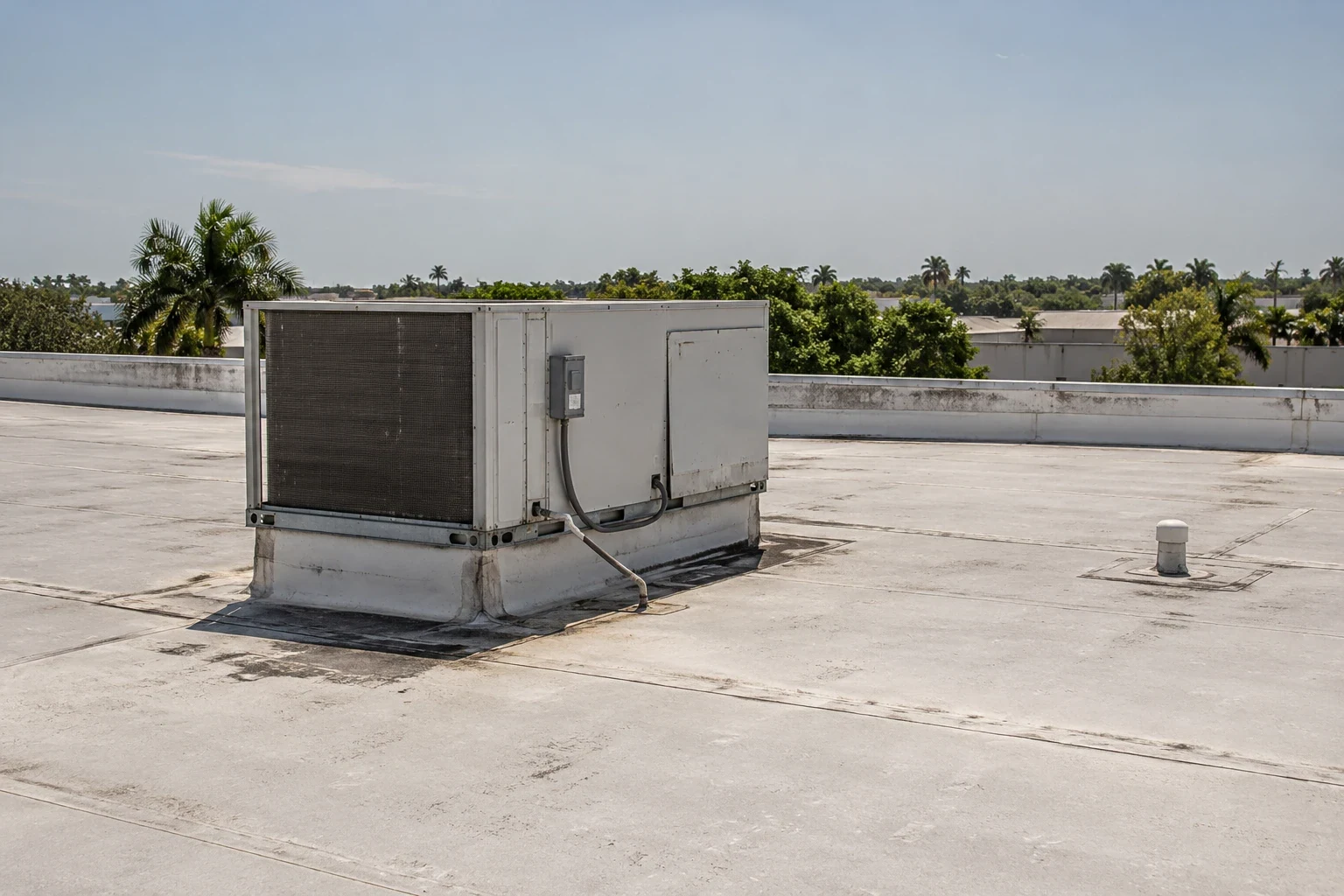
Coordinate: Set the property route before mobilization
Street frontage does not establish how a crew enters the parcel or reaches the roof. The facility contact identifies the gate, receiving window, truck turnaround, lift setup, electrical clearances and area for removed material. We put those requirements in the schedule. If one work zone sits beyond an active delivery lane, we select a smaller daily section or move the lift after the operator approves the route.
The corridor connects Old Port Isabel Road, Highway 48, I-69E and port access. A roof assessment at the 802 Industrial Park needs the lot address and its own work rules. Coffee Port Industrial Park lies along a separate road and has distinct highway access. We can coordinate nearby visit dates, but each building receives its own entry plan and roof measurements.
Brownsville experiences persistent summer heat, with about 140 days each year at or above 90 degrees. We choose inspection hours and daily installation limits with those conditions in mind. Materials are staged close to the work area only when the operator allows it. Before leaving, the crew secures exposed roofing and records the surface condition that governs the next application step.
Inspect: Confirm the roof condition at each address
We inspect accessible seams, edges, flashings, drains, curbs, penetrations and past repair patches. A commercial roof inspection identifies visible defects and notes details blocked by equipment or limited access. Industrial zoning does not establish whether a particular building has membrane, metal or another assembly. Plans and field observations are the basis for a compatible repair detail and a measured quantity.
Warehousing, distribution and light manufacturing can involve different indoor schedules and equipment needs. The site manager tells us whether inventory, loading or a production line limits roof access. We identify rooftop units or vents that need another trade and specify the handoff before flashing removal. If a curb dimension is still changing, the roof scope can set an interim protection step and return once the mechanical layout is fixed.
A June roof visit along FM 802 should account for hot surfaces and the time needed to secure each exposed section. That heat affects worker exposure, sealant handling and coating cure. We verify substrate moisture and temperature before application and reduce the area opened if it cannot be made weather-tight within the work period. This keeps quantity, sequence and protection decisions linked to observed conditions rather than a generic corridor schedule.
Record: Preserve a roof map for industrial maintenance
A field record starts with the building outline and labels every inspected zone. Close photographs capture a split seam, puncture or loose edge; wider images show where the condition sits relative to drains, equipment and transitions. Interior reports are included with room and date, but we keep a suspected path separate until a roof detail confirms it. A roof condition report lists repair priorities, inaccessible areas and follow-up tests.
If moisture is concealed, an infrared moisture survey can help target test cuts under appropriate conditions. We define the surveyed area, explain how results inform the repair quantity and include patch-back requirements. The owner can approve that step before a larger tear-off or replacement scope is priced.
A severe weather report calls for a property walk, not a district-wide damage assumption. We inspect edges, seams and penetrations on the individual building and photograph any visible movement or water entry. After a weather event, a building along FM 802 receives a separate condition record showing its own roof damage and protection needs. Its history informs the checklist for a local roof review; the present facility record supports the actual repair decision.
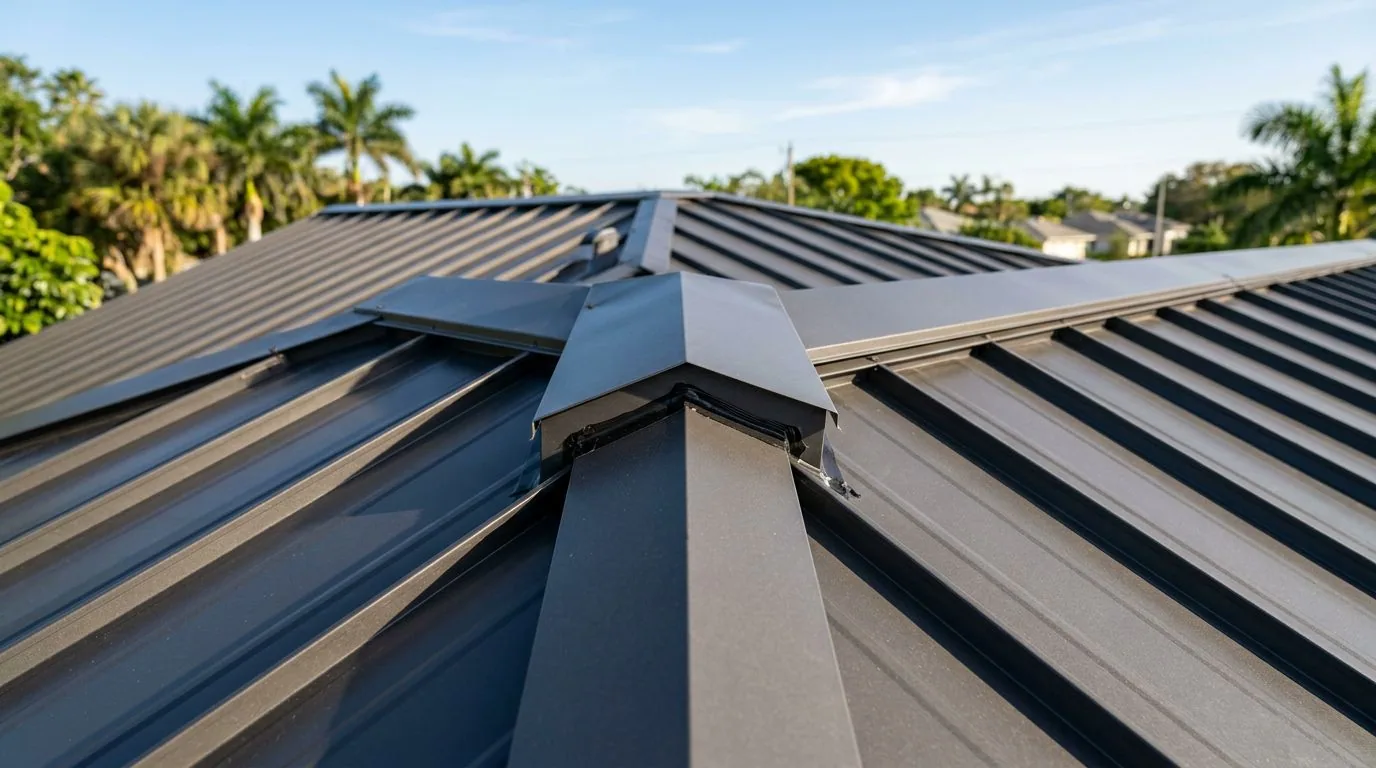
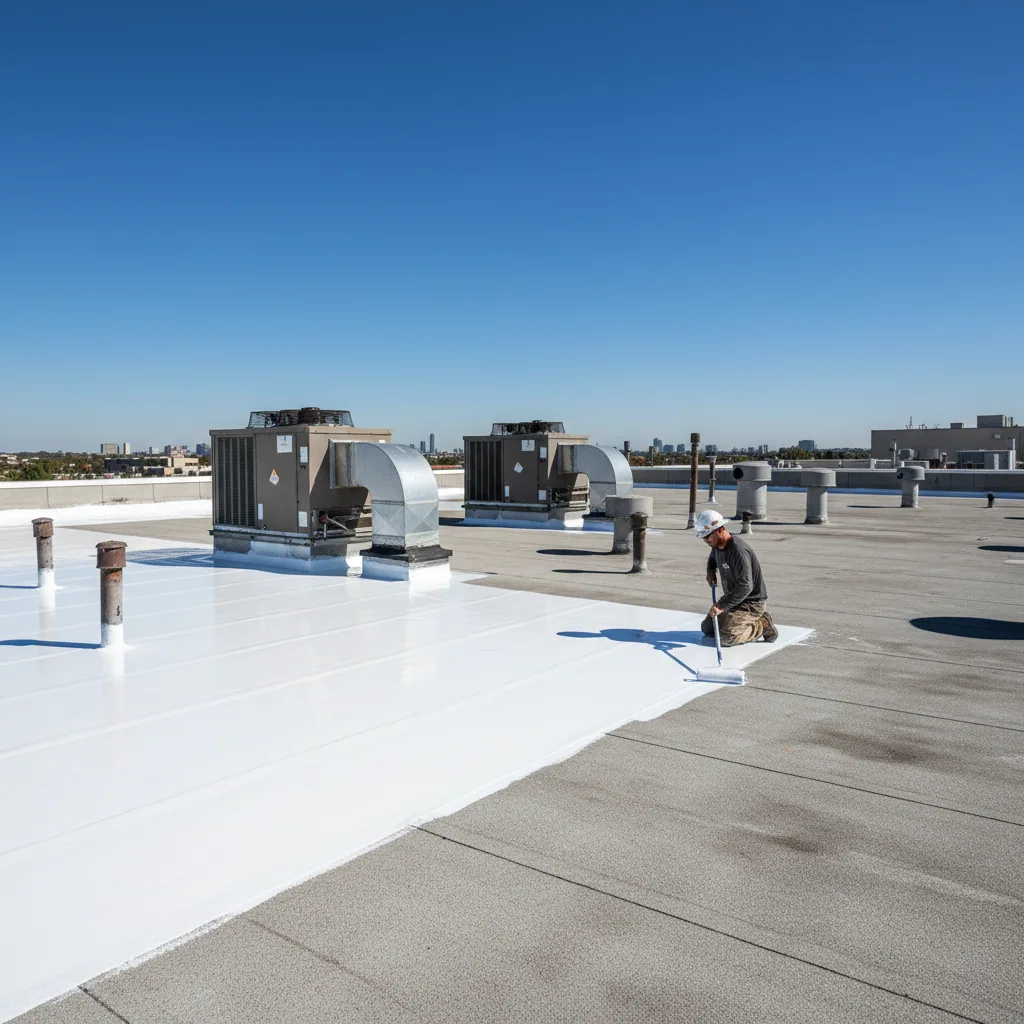
Options: Compare repair, recover and replacement
A localized failure may be repaired if surrounding material and substrate accept the tie-in. Recurring leaks, wet insulation, loose attachment or deteriorated deck can call for more testing or broader work. The proposal identifies measured removal, the replacement material, flashing details and any condition that could change quantity. If an additional layer or deck damage appears during removal, we stop at the authorized boundary and request direction.
A recover review checks moisture, attachment and system compatibility before a new assembly is placed over an existing roof. Replacement needs a different work plan for removal, deck assessment, insulation, drainage and dry-in. For a production or distribution property, timing also reflects shift changes, material delivery, lift availability, trade coordination and the time needed to clear debris from active routes.
Brownsville adopted the 2018 International Building Code. City staff review commercial permit applications and plans, while the design professional determines project-specific requirements. Our estimate separates roof labor and materials from permit or design decisions and identifies any approved detail needed before the work proceeds.
Protect: Close the work section before the next route change
Emergency response is available any hour of the week, including holidays. For water entering an active building, we identify the opening, document what is exposed and set temporary cover where safe. Permanent repair follows after we confirm the system and tie-in. If a delivery route or operating shift blocks the planned work area, the superintendent records a protected stop and schedules a return when the site clears.
During a replacement, we limit daily tear-off to the area that can be secured before departure. The work log records completed sections, open edges, protection installed and the next trade expected. The owner has a clear point to review any added scope if removal uncovers wet insulation, a damaged deck or a different roof layer.
Owners with multiple properties along regional freight routes can use a multi-site roof program to schedule inspections and track repairs. Roof findings remain assigned to their addresses even when mobilization is grouped. That gives a facilities manager a portfolio view without collapsing distinct access plans or conditions into one corridor-level record.
Closeout: Hand back a measured service history
We provide completed roof areas, materials and details installed, approved additions, tagged photographs and any remaining tests. The closeout notes temporary cover removal, system checks and trade work not yet complete. Those records help the next facility manager understand which section was repaired and what remains a separate project.
Send the FM 802 address, roof plan if available, reported issue, facility contact, work hours and routing limits. Include the planned delivery or production schedule. We will inspect accessible surfaces, confirm dimensions and return a sequence that ties each task and approval to the specific facility.
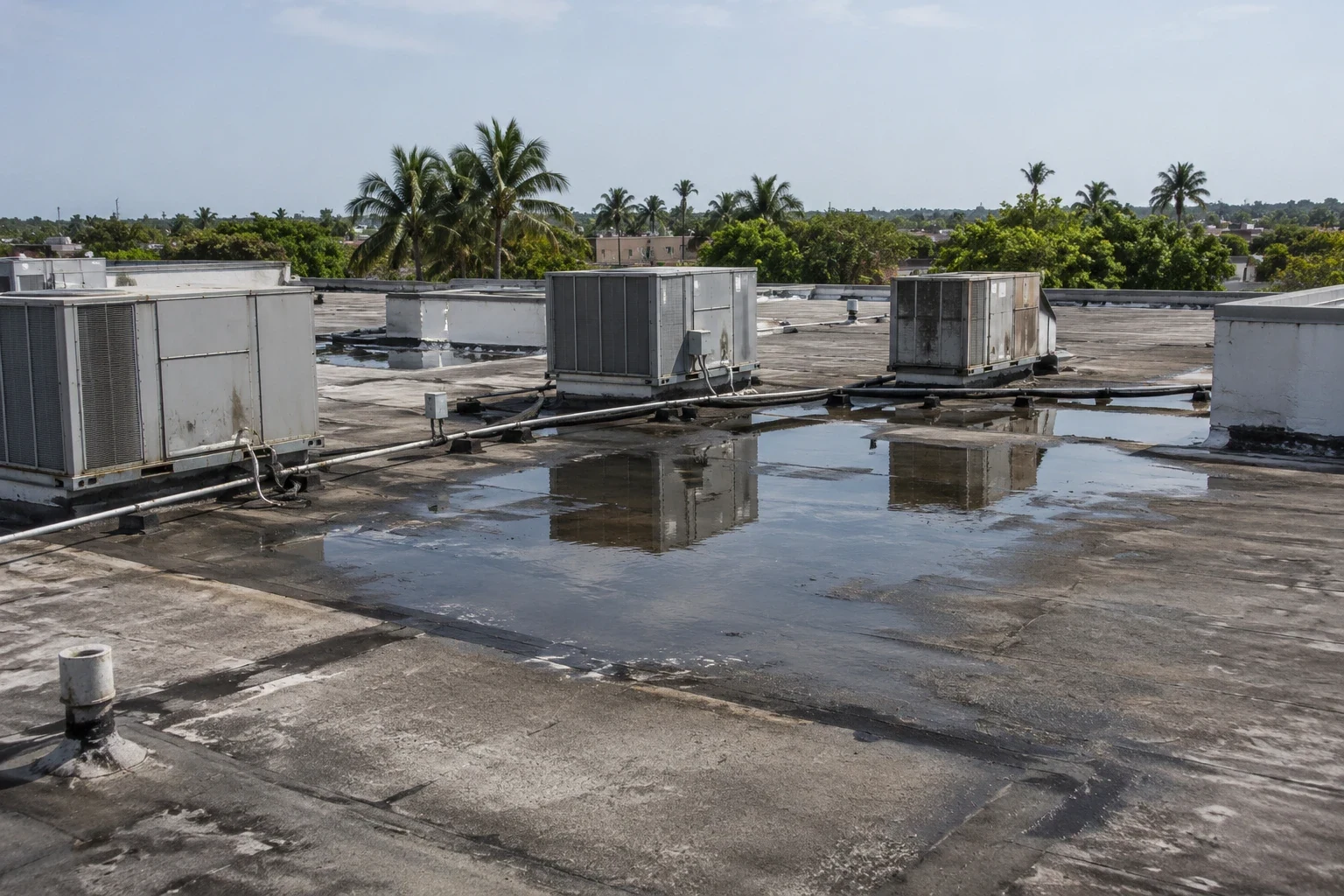
Related Roofing Work
Other roofing services and buildings we handle across Brownsville.
Questions About FM 802 and Ruben M. Torres Boulevard
Do highway and port connections determine how a roofing crew enters a site?
They describe regional access. The operator confirms the gate, lot route, staging point and working hours for the actual building. We use those instructions to set material deliveries and lift placement.
Can one roof inspection cover several FM 802 properties?
We can coordinate visits, but each property needs its own measurements, roof assembly record and repair decision. We label images and open conditions by address so the files remain usable after ownership or tenant changes.
How do you schedule a repair around warehouse shipments?
The facility provides receiving windows and lanes that must remain open. We set a work section, arrange debris movement and revise the sequence if shipment timing changes roof access.
What if rooftop equipment must move before a repair?
We identify the equipment, flashing interface and responsible trade in the scope. Roofing resumes after the unit position is confirmed and the authorized contact approves the tie-in detail.
What should be documented after a storm along the corridor?
We inspect the building's accessible edges, seams, penetrations and interior reports. Tagged photographs identify current findings, temporary protection and any area that needs a closer test before permanent work is approved.