
Commercial Roofing at Brownsville Healthcare Campuses, TX
Request a Brownsville healthcare roof assessment
A leak above an occupied care area needs a work boundary that accounts for clinical access and the roof detail above it. Valley Regional, Valley Baptist and DHR Health Brownsville Hospital are among the healthcare providers and employers in Brownsville. City transit mapping places Valley Regional Medical Center along a route linking city destinations. We inspect the facility identified by its contact, record the roof condition and plan protection and access before repair work begins.
Provide the facility address, room report, access contact and approved work windows. We will return a building-specific condition record and next steps. Call 555-555-5555 or use the form.
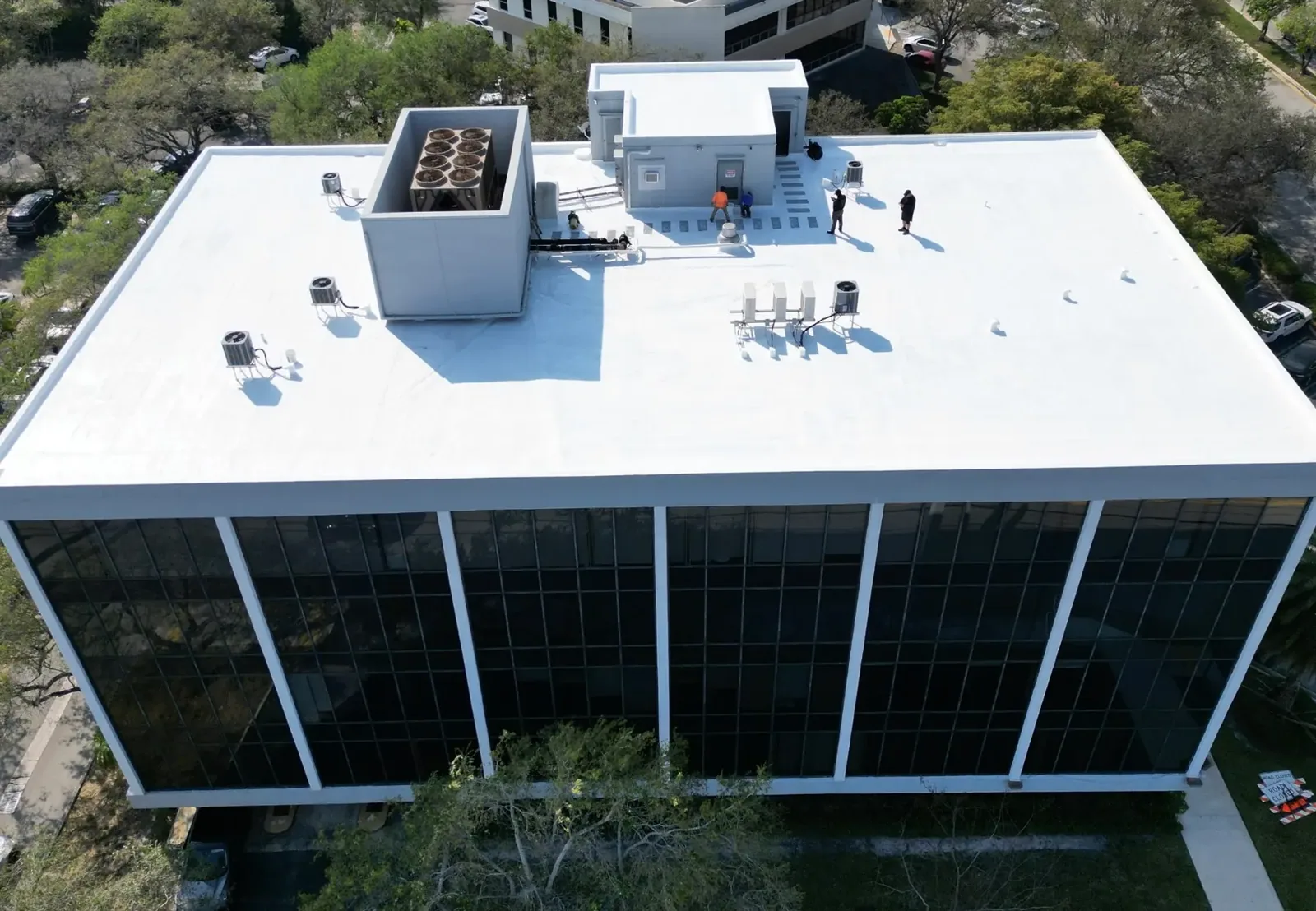
Inspect: Identify the roof area above the reported room
We walk accessible roof zones and examine seams, penetrations, curbs, drains, edge metal and prior repairs. A commercial roof inspection records tagged photographs with a roof-plan location and notes equipment or areas we could not reach. We confirm the roof assembly from plans and direct inspection at the hospital or clinic address. Plans and field evidence identify the membrane, metal, deck and flashing details that shape the repair.
The facility contact tells us which areas require restricted access, isolation or interior protection. If a reported leak appears near imaging, patient care, pharmacy, lab or electrical equipment, the building team identifies the room and its control procedure. We do not enter controlled areas without authorization. A roof walk and interior review follow the facility's instructions, with any missing access recorded before the estimate assumes a confirmed water path.
Brownsville's normal highs reach 96.3 degrees in August, and roughly 140 days each year reach at least 90. Heat affects roof access, material handling and product application. We limit daily removal to the section that can be secured, check substrate readiness and schedule noisy work within the window the facility approves. If a coating or adhesive cannot be installed in the conditions present, the report states the hold and the next check needed.
Coordinate: Protect care operations and equipment
Before mobilization, we confirm staff check-in, approved entry, lift and delivery routes, work hours, patient or visitor paths and emergency contacts. The facility identifies equipment that must stay active and any unit that needs mechanical isolation. If access is restricted to certain hours, the estimate includes the return visit or phased setup rather than assuming the crew can remain on the roof indefinitely.
Valley Regional Medical Center's location in the transit network offers a local route reference; the clinic or hospital contact still controls property access. A roof visit at a property in East Brownsville or near North Expressway requires its own roof-entry route and work-hour approval from that facility's contact. We coordinate every healthcare property separately and keep patient-area restrictions tied to the facility being assessed.
Emergency response is available around the clock, weekends and holidays included. At an occupied healthcare property, the crew confirms a safe roof route, logs the leak location and protects the opening under the approved access plan. The facility contact receives the affected roof zone and any interior protection concern. Permanent repair follows after the assembly and tie-in are verified and the care team approves the work window.
Record: Keep observed damage distinct from a suspected path
A room report identifies a time and location, but water can travel along a deck or insulation before it appears inside. We photograph the roof detail above and around the likely area, then mark the location relative to curbs, seams, drains and joints. If the route remains uncertain, an infrared moisture survey or test opening can be proposed with scope, method limits and restoration requirements written before the facility approves it.
A roof condition report separates direct observations, suspected concealed moisture, areas not accessed and temporary protection. It also identifies which contact received the findings and what must happen before a second visit. For a multi-building healthcare owner, each roof receives separate measurements and approvals so a defect at one facility does not become a presumed condition at another.
National Weather Service records show damaging hurricane winds and roof impacts in the Lower Rio Grande Valley. After a storm report, we inspect the named facility for current edge movement, open seams, punctures, flashing damage and interior water. A storm damage assessment organizes present conditions and repair priorities; clinical operations and the facility's documentation needs guide timing and access.
Options: Separate immediate protection from capital work
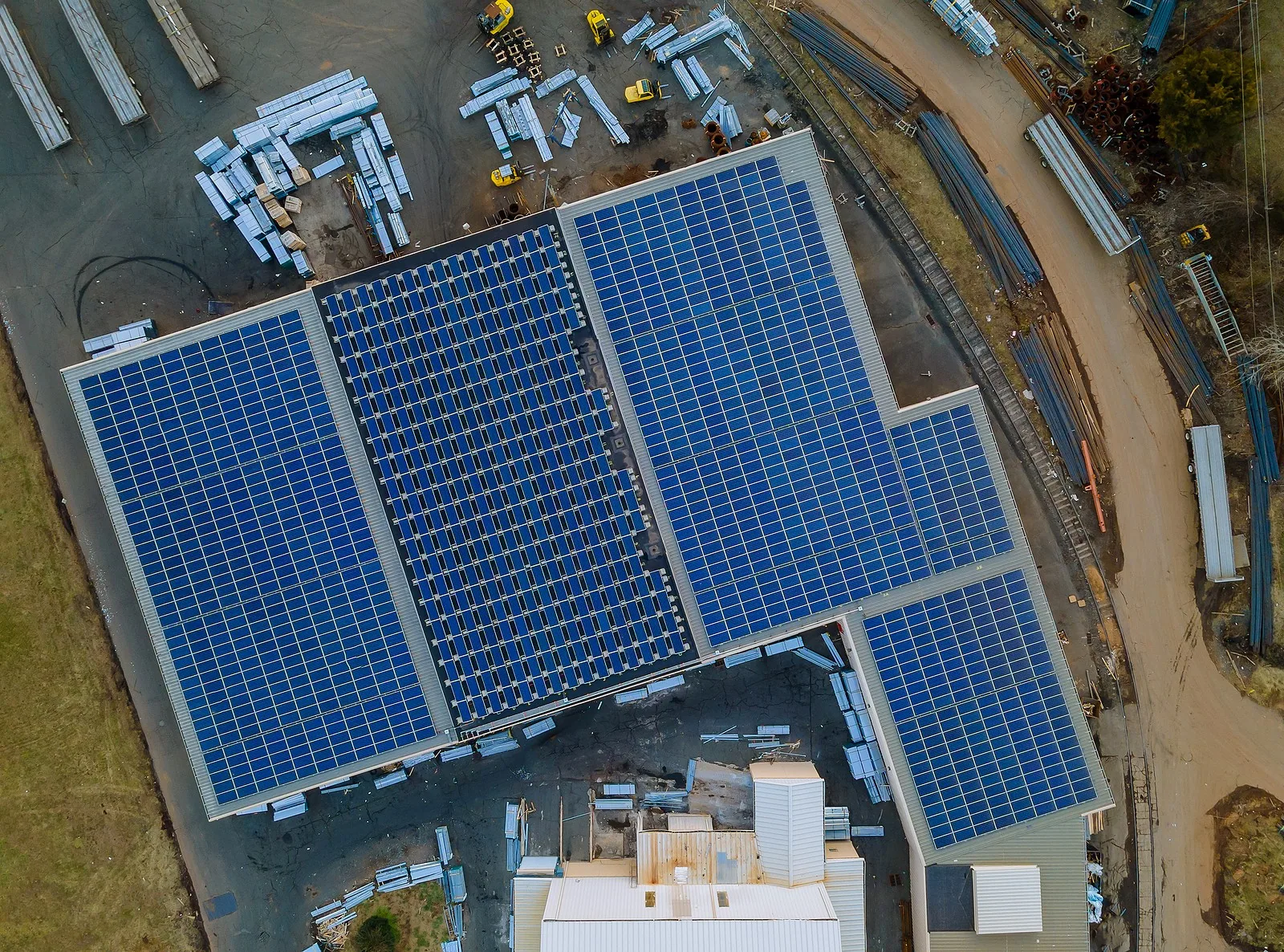
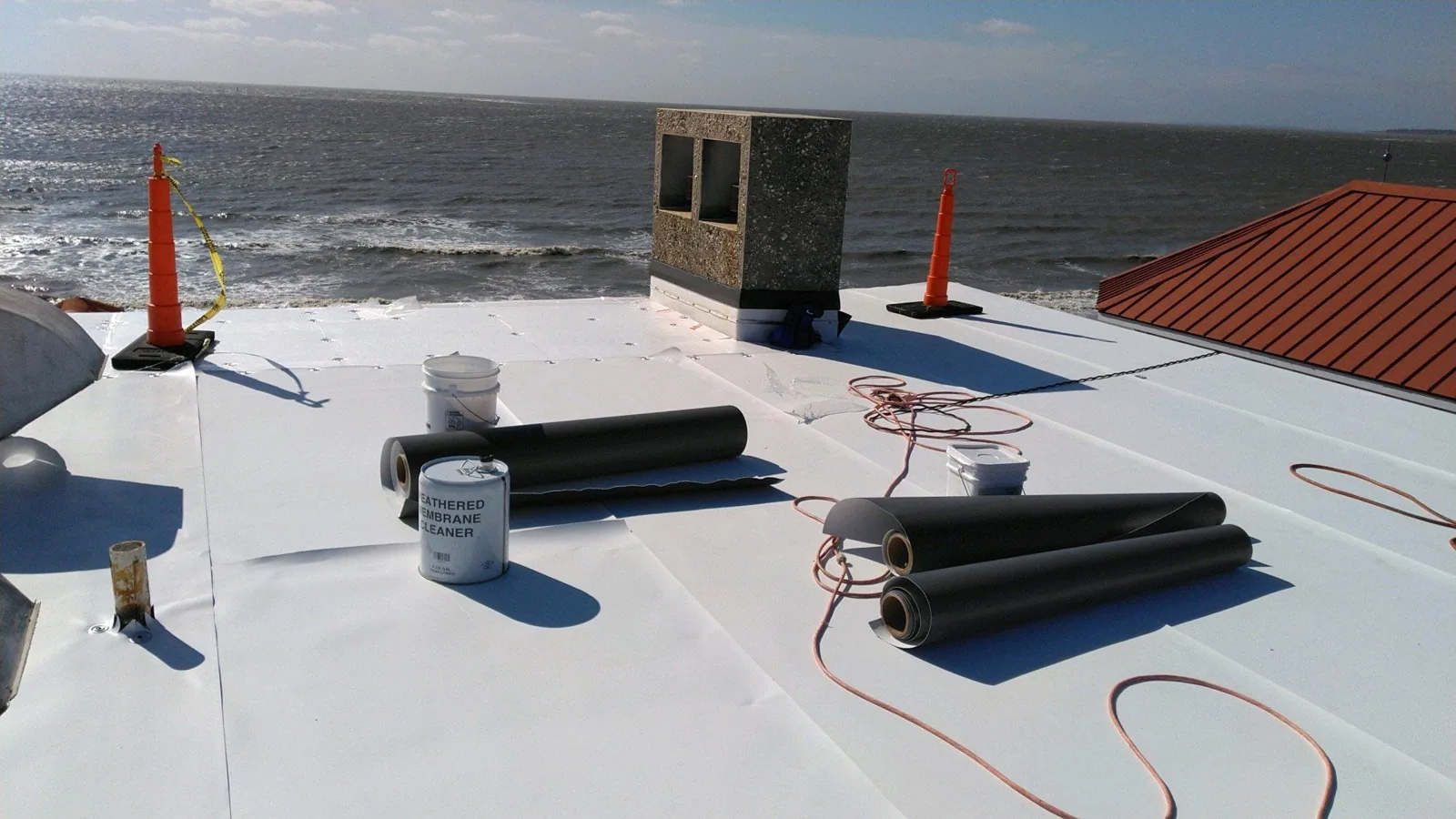
A localized seam or penetration failure can allow a limited repair. Repeated leaks, moisture in several areas, loose attachment or deteriorated deck may warrant more testing or replacement planning. We measure visible work limits and state the tie-in and material. Concealed damage remains an allowance or separate investigation. If removal reveals wet insulation or a damaged deck, we pause at the approved boundary and return images and quantities before expanding the scope.
A recover evaluation checks the current system, moisture, attachment and project constraints. Replacement planning includes tear-off, deck inspection, insulation transitions, drainage and daily dry-in. The proposal also reflects patient-area protection, rooftop equipment, access hour restrictions and material lead time. Those factors can affect sequence and cost even when the roof repair itself is localized.
If the repair becomes an alteration, the facility contact can confirm Brownsville review needs with the project designer. The designer confirms the requirements for an alteration at the specific facility. We identify roof details, measurements and any new penetrations for review, then install the approved scope and document the completed interface.
Protect: Keep each visit ready for a care handoff
Before leaving, the superintendent records completed roof sections, exposed material, temporary cover and the next task. The designated facility contact receives a status that can be shared with facilities and clinical staff. If a room needs monitoring or a rooftop unit must be restored, the responsible person and return condition are stated in the work record.
Where replacement involves several workdays, removal stays within a section that can be secured and made weather-tight. A changed schedule, late delivery or restricted access is recorded with the affected roof zone. That gives the facility a clear point to rebook the crew without reopening a roof area that lacks a documented protection detail.
For owners comparing services across Brownsville, the central campus area has education and research uses, while Mitte Cultural District has cultural venues. Each building's occupied schedule and roof condition establish its own plan.
Closeout: Return a facility-ready roof record
Closeout lists inspected zones, repairs completed, material installed, tagged photographs, approved changes and remaining conditions. It identifies tests still open, a trade that must return and whether temporary cover came off. Facility staff can use these details when routing a new leak report or planning work around patient care and equipment access.
Send the facility address, room report, available roof plans, site contact and approved hours for interior or roof access. Include equipment and patient-service restrictions. We will inspect reachable areas and return a measured repair path with testing, protection and permanent work separated for facility review.
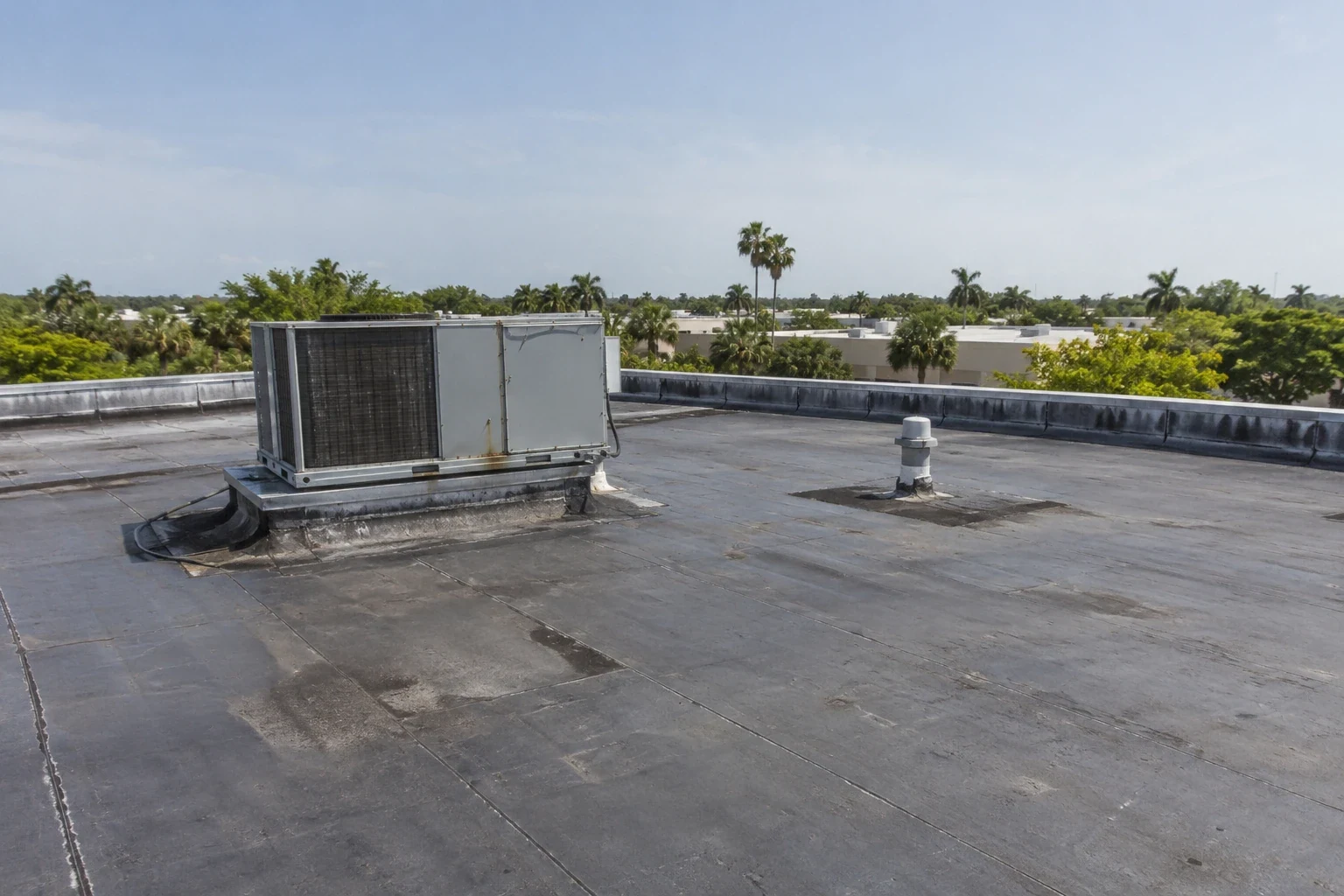
Related Roofing Work
Other roofing services and buildings we handle across Brownsville.
Questions About Brownsville Healthcare Campuses
Can you inspect the roof without entering patient areas?
Often, the roof walk and plan review can proceed separately. If interior access is needed to trace a report, the facility contact authorizes the room, staff escort and protection procedure before we schedule that step.
How do you handle an active leak over clinical equipment?
We document the roof opening, coordinate immediate interior protection with the facility and install temporary cover where conditions allow. Permanent work follows after the assembly and access requirements are confirmed.
Can roof work continue during normal hospital operations?
The facility determines which hours, routes and equipment can be affected. We set phased work, noise and delivery windows around those operating rules and document any shutdown or trade handoff before the roof is opened.
What is included in a healthcare roof condition report?
It identifies roof zones, tagged images, visible findings, areas not accessed, temporary protection and recommended tests or repairs. Each facility receives its own measurements and approval record.
When might replacement be more appropriate than repair?
Recurring failures, moisture, attachment or deck conditions can change the recommendation. We measure confirmed areas and describe testing or concealed quantities before comparing repair, recover and replacement options.