
Commercial Roofing in Mitte Cultural District, Brownsville, TX
Request a Mitte Cultural District roof visit
A stain beside a performance or exhibit space needs a location record before a repair window is set. Brownsville's Mitte Cultural District brings together more than twenty arts and cultural organizations, including the Mitte Cultural Center, Children's Museum, Camille Playhouse and Brownsville Historical Association. We inspect the building named by the owner, map the roof condition and coordinate access around its actual use before selecting a repair detail.
Share the property address, event calendar, room report and access contact. We will return roof findings and a work sequence suited to the facility. Call 555-555-5555 or use the form.
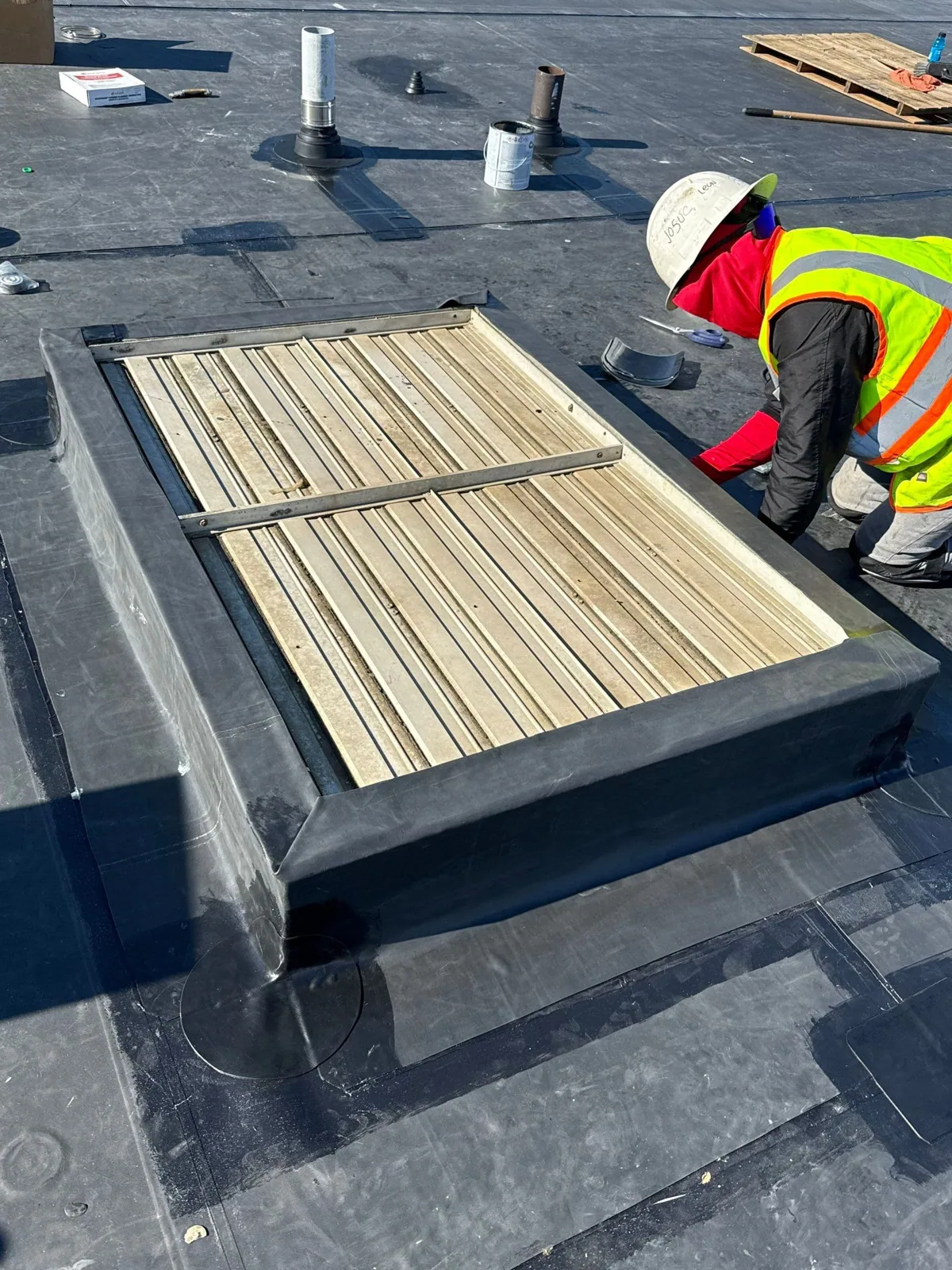
Inspect: Find the roof condition behind the room report
We check accessible seams, edges, penetrations, drains, curbs and prior repairs, then photograph each condition against a roof sketch. A commercial roof inspection records what we can see and marks any area that was blocked or unsafe to enter. The district's cultural role does not identify a building's roof system or interior schedule. The facility contact confirms the use, access point and any room that needs protection.
At the Mitte Cultural Center or Camille Playhouse, the operations contact can identify rehearsal, event or visitor hours that constrain entry. The owner confirms the actual calendar for the property. We can then schedule a quiet inspection window, plan lift staging and identify whether material may cross public paths. If the roof is only accessible through a controlled space, the estimate names that access requirement and the return visit it may create.
Brownsville normals show summer highs above 94 degrees, reaching 96.3 in August. Heat affects safe roof access, adhesive handling and coating installation. We set a daily repair area that can be protected before leaving and check that the surface meets product requirements. If the work has to pause for temperature or moisture, the field record identifies the condition and next action rather than leaving an open edge without a plan.
Record: Protect collections, equipment and room use
A reported ceiling mark, odor or active drip is an interior observation, not a confirmed roof entry point. We label its room and date, then compare it with nearby roof details. A tagged photograph shows the seam, flashing or penetration and a wider frame that locates it. If no route is visible, a moisture survey or test opening may help narrow the next inspection; the proposal identifies method limits and how the opening will be restored.
The district includes institutions with different public and program schedules. A museum exhibit, playhouse event or association meeting may require temporary relocation or protection before a ceiling is opened. The property manager decides what can move and who approves interior access. Our work plan separates roof operations from protection of exhibits, lighting, sound equipment or other contents identified by the facility.
A roof condition report keeps observations and remaining questions together. It includes roof zone, photograph, repair boundary, temporary protection and any condition that requires another trade. The Fort Brown campus area has a distinct education and workforce setting, while Downtown Brownsville centers preservation-led commercial redevelopment. Each location receives its own inspection record.
Coordinate: Fit work between public programs
Before mobilization, we confirm opening hours, event dates, staff contact, roof entry, lift location and material route. We set a work section that can be secured before departure and keep debris movement away from the public path designated by the operator. If a show, school visit or exhibit installation changes the access window, the superintendent updates the schedule and records which roof zone remains.
When a project needs a permit, its designer can confirm the current Brownsville review requirements for that alteration. A project designer confirms applicable requirements for a renovation. If roofing intersects with structural work, lighting, vents or a new penetration, we document the interface and identify the trade or approved plan detail needed before closing it. A late change to a curb or duct can alter both the flashing and the indoor schedule.
A reported opening outside regular hours can be documented and protected, with the return repair scheduled around the building calendar. For active water entry, we locate the opening, photograph the condition and install authorized temporary cover when conditions permit. The facility contact receives the roof status and any interior protection needed. Permanent work follows with a confirmed system and an agreed access window.
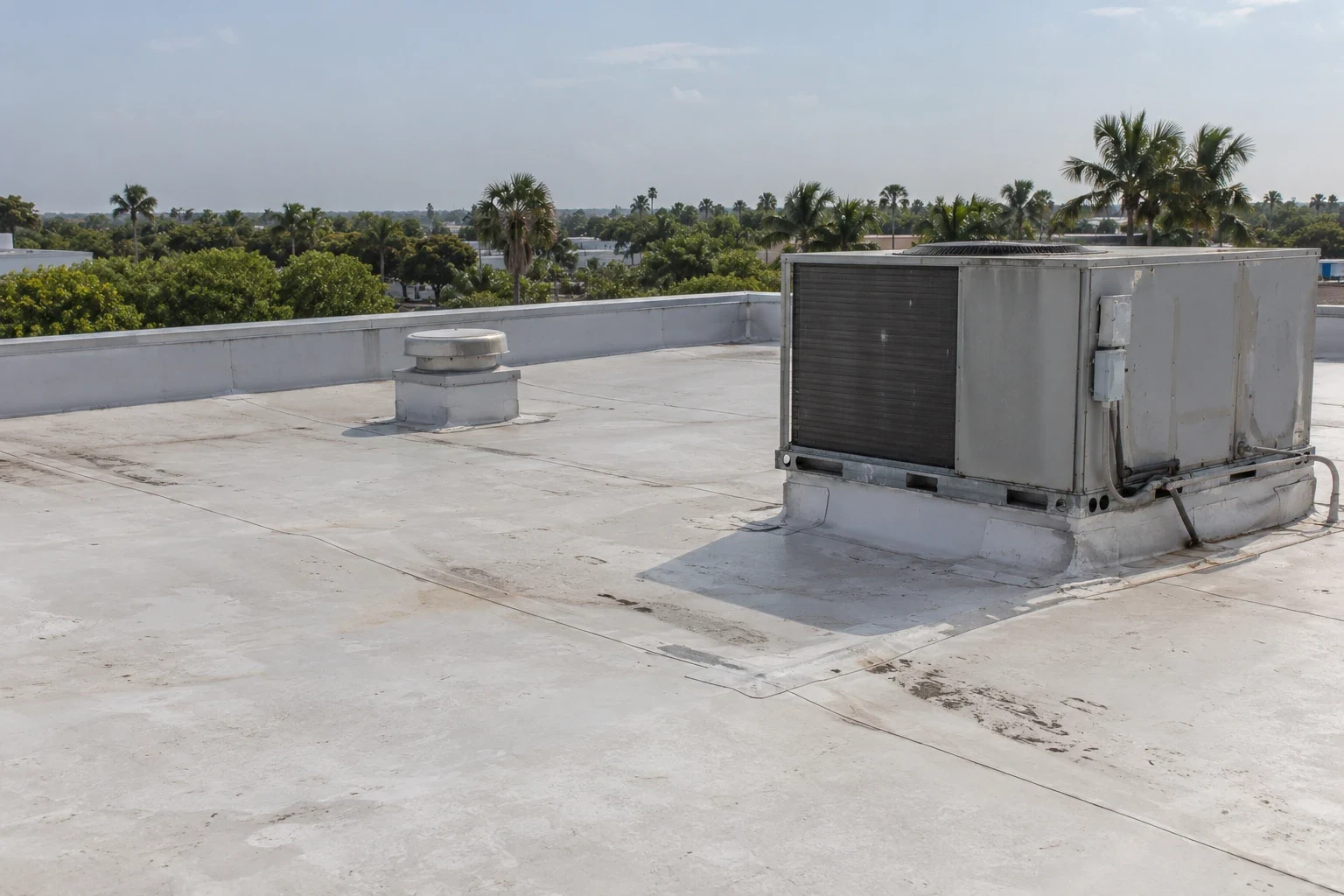
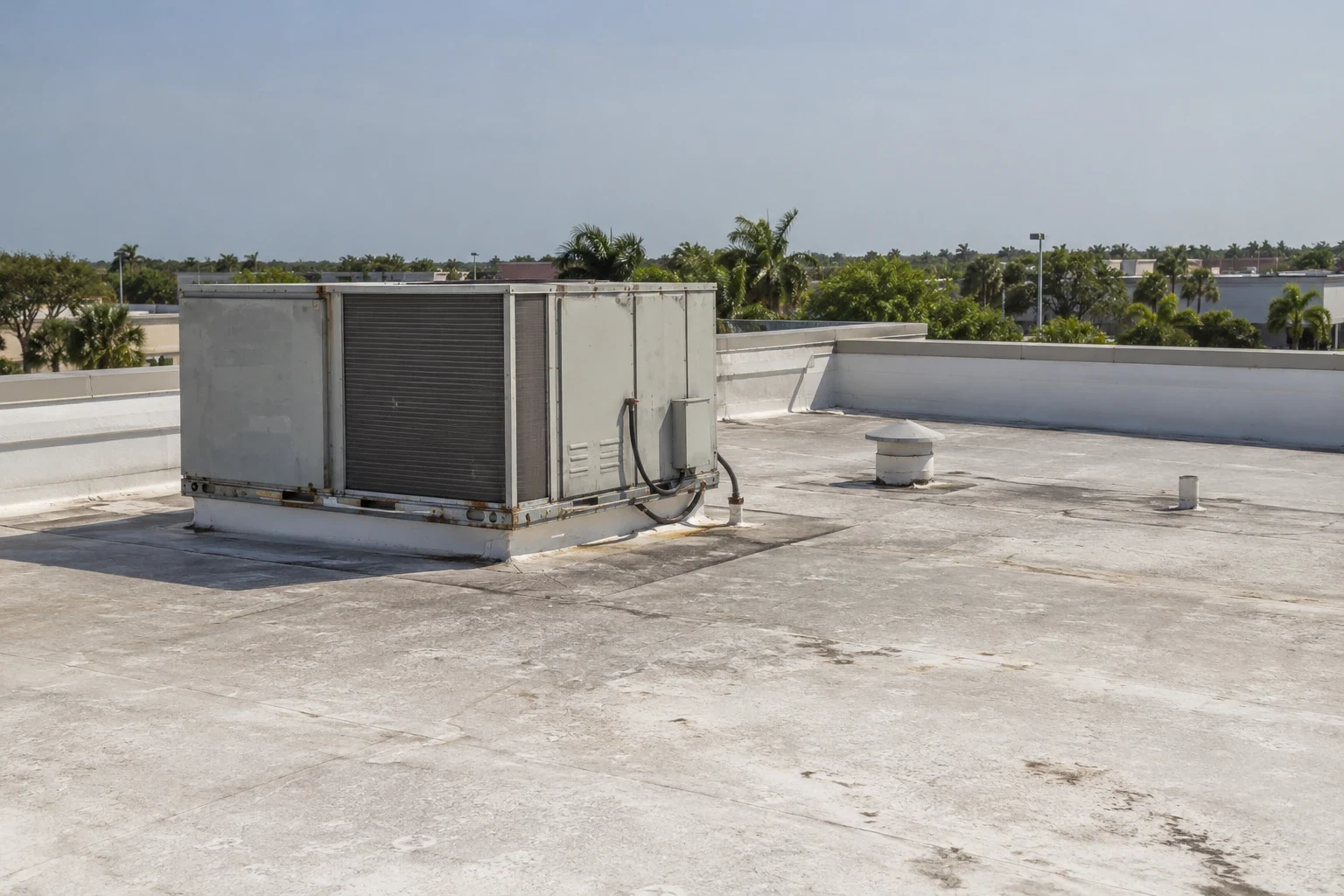
Options: Repair the failure or plan a larger renewal
A single split seam or failed penetration may allow a local repair. A recurring interior stain is logged with the roof detail above it; moisture readings or a test opening can clarify the repair limit. We measure the affected area, specify the tie-in and separate known quantities from concealed conditions. If removal exposes another layer, work stops at the approved boundary while photographs and added measurements go to the owner.
A recover review checks the existing assembly, moisture, attachment and project limits before another layer is proposed. Replacement planning states tear-off limits, insulation transitions, daily dry-in and how public or program hours affect sequence. Cost and timing depend on measured area, access equipment, occupied-space protection, material availability and the work window the institution can provide.
The district's city-adopted plan focuses on supporting and enhancing the cultural area. Roof improvements can be coordinated with that property planning, but system selection still depends on the specific roof and approved design. We return the visible condition, options and dependencies in writing so the institution can schedule an inspection, approve a repair or budget a broader project.
Closeout: Return the roof and room status
Closeout identifies completed roof zones, installed details, tagged photographs, approved changes and remaining conditions. It says whether temporary cover was removed, an interior ceiling or equipment item still needs review, and which trade must return. The facility team can connect the roof record to its room plan and upcoming program calendar.
Send the building address, facility contact, upcoming event or public schedule, roof plan and leak location. Include any collection, room or equipment protection instruction. We will inspect accessible areas and return a measured repair boundary, recommended testing and work sequence tied to the institution in review.
Related Roofing Work
Other roofing services and buildings we handle across Brownsville.
Questions About Mitte Cultural District
Can roof work happen while a museum or performance venue is open?
The facility calendar and access rules determine the work window. We coordinate lift activity, noise, material movement and interior protection with the operator, then sequence sections that can be secured around public use.
Will you move exhibit or theater equipment before opening a ceiling?
The institution identifies who controls the contents and interior access. We document the roof finding and request the required protection or equipment move before a test opening or permanent repair proceeds.
How do you locate a leak when the room below does not match a roof opening?
We map the reported room and inspect nearby penetrations, seams and transitions. If the route remains unclear, we propose a defined moisture check or test opening and state restoration before removal.
Does the cultural district plan select the roofing material?
No. The building's verified roof assembly and approved project design guide material selection. We provide measurements, visible conditions and interface details for the owner and designer to review.
Can you respond after hours for an active leak?
Yes. Emergency response runs around the clock, including weekends and holidays. We document active exposure and install temporary protection where conditions allow, then return with a permanent repair scope tied to the confirmed assembly.