
Self-Storage Roofing in Brownsville, TX
Document the storage roof by building
A damp ceiling tile in a storage corridor needs a building, unit row and inspection date. We mark the area, check the roof drains and seams above it, and identify who can approve opening the assembly. Brownsville's port-region property network includes the Port of Brownsville Business Park and ZIWA North Brownsville Industrial Park. Their transport access differs from an individual storage site, so this property's truck routes, gates and unit rows must be documented directly.
Send the Brownsville address, site map, affected building and unit rows, gate hours, roof plans and approval contact. We will define access and the inspection boundary. Call 555-555-5555 or use the form.

Inspect: Map the roof over unit rows
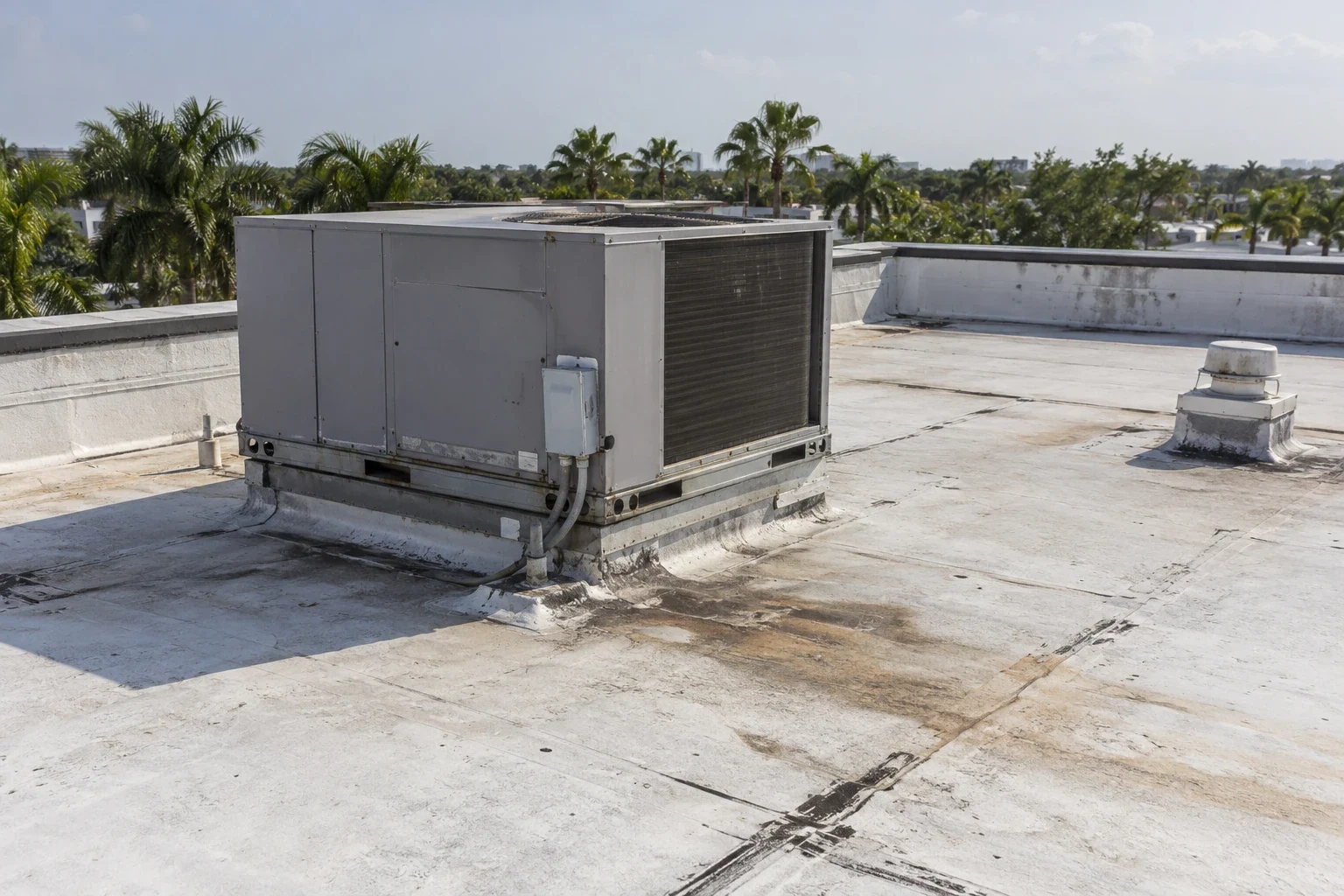
We match an interior report to roof seams, wall joints, scuppers, drains, penetrations and equipment supports. Water can travel under a roof surface before reaching one storage bay. Each report is assigned to a building and unit range so several calls do not become one assumed leak. We note visible material, roof sections reached and any area where stored property or a locked door limits inspection.
Self-storage buildings may have long runs of unit doors and common access aisles. We identify roof hatches, gate controls, camera routes and narrow service lanes before staging a lift or moving material. If a moisture survey is useful, the scan identifies patterns for follow-up; test openings establish what is wet beneath the surface. A commercial roof inspection can provide the property manager with photographs and a map tied to each structure.
Brownsville's typical summer high passes 90 degrees on about 140 days a year. Heat affects access and the handling of roofing materials over exposed storage buildings. We plan work hours and hydration access with the site's actual conditions. That regional count informs scheduling, but roof performance is based on the seams, drainage, substrate and penetrations observed at the facility.
Access: Protect tenants and stored property
Management identifies tenant hours, gate codes, vehicle paths, loading zones and units that cannot be blocked. We plan lift placement and material movement so the route to storage doors stays usable. If an aisle must close, the affected units and duration are named before work begins. Tenants receive access notices from management, while the roofing lead tracks the active area and return route.
The Port of Brownsville Business Park has rail and trade-corridor connections, and ZIWA North Brownsville Industrial Park is a separate listed industrial property. These logistics references show the variety of truck and service access in Brownsville. They do not describe a storage facility's site plan. We inspect the actual gates, clearances and loading lanes before selecting a crew setup. A Port of Brownsville area property still needs facility-specific entry instructions.
Water protection matters when units contain tenant goods. The storage operator decides whether to move contents or restrict access; we identify roof work and any temporary cover. A phased occupied-building reroof can separate building areas when the property layout allows units to remain accessible elsewhere. If a storage unit must be opened for inspection, management coordinates tenant authorization.
Repair: Keep each opening within the approved scope
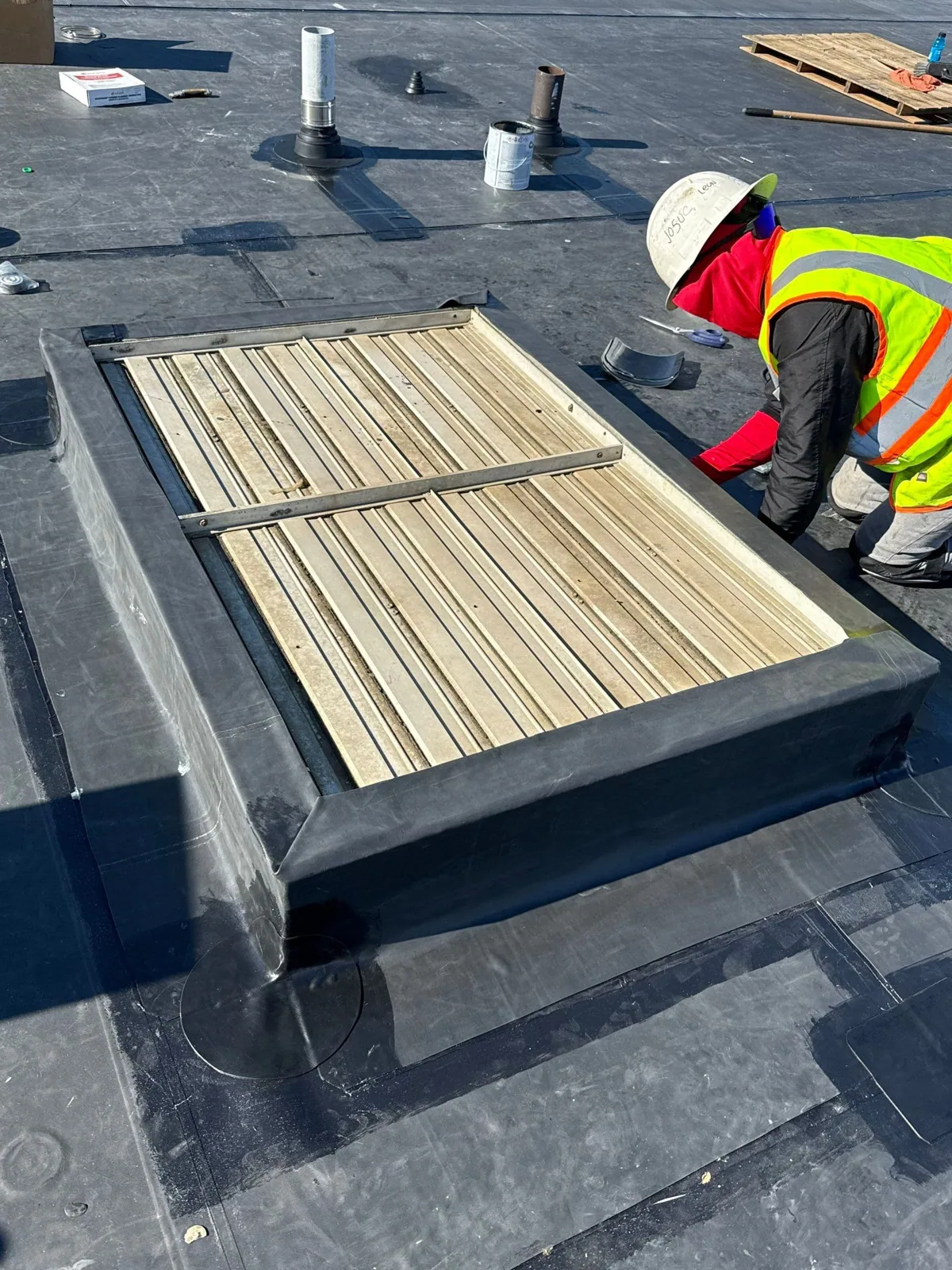
A local repair may address a puncture, open seam, failed wall transition, drain or roof penetration. The proposal states the preparation and tie-in method. If removal finds wet insulation or a damaged deck, we photograph the layer and pause at the authorization limit. The owner reviews the added quantity and affected unit rows before repair expands into another roof area.
The local storm record includes Hanna's 2020 wind and rain impacts in the Valley plus a tornado near Brownsville; it does not locate damage at a storage facility. After severe weather, a storage operator can compare the roof map with observed edge, seam and drainage conditions at each building. We identify temporary protection and note exposed areas. A regional storm is a reason to inspect; it does not establish which units or roofs were affected at a specific site.
Emergency response is available at night, on weekends and holidays for active water entry. Temporary cover may be installed before a permanent repair can be prepared. We record the covered section, any remaining opening and the person responsible for checking it. Tenant contents, claims, unit cleanup and interior restoration stay outside the roof scope unless the written agreement includes them. A leak repair proposal identifies the boundary and follow-up.
Options: Review one building or the portfolio
One failed drain or seam may support a localized repair. Repeated leaks across buildings, widespread wet insulation or failing attachment may call for a broader review. We compare each roof's condition, drainage and layer history before discussing a recover assessment or replacement. Findings from one structure do not establish conditions on another. The proposal lists the included buildings and roof sections.
Roof alterations in Brownsville use the adopted 2018 IBC baseline, with project documents confirmed through the city's building review process. The designer confirms which requirements apply to the address and assembly. Self-storage units may contain individual tenant property, but that does not change the roof repair scope. The facility assigns any electrical, access-control or interior work to the responsible trade and determines how tenants receive notice.
Cost and schedule depend on roof height, gate access, unit occupancy, lift placement, drainage condition, concealed layers and supply. A multi-building estimate should list each roof and the assumptions used for access. If a test opening changes the measured area, the owner receives photographs and an approval request before additional material is removed. A phased sequence may keep a separate row open while roofing moves to another section.
A warehouse roof review can share loading access concerns, while a flex-industrial property may combine office and work areas. Self-storage needs its own unit-by-unit access plan and tenant notice process.
Closeout: Return a map management can reuse
Closeout names each building and roof section, the repair detail, photographs, material and unresolved item. It identifies areas not accessed and any temporary cover left for monitoring. Management can match a later report to the storage row and compare it with the prior roof record without assuming every unit shares one condition.
Send the Brownsville address, site map, building and unit row, gate hours, access rules, leak timing, roof plans and approval contact. Identify tenant areas that cannot close and any vehicle route needed for deliveries. We will define the inspection boundary, setup area and approvals before scheduling. Where testing is needed, the location and restoration detail are documented first.
A return check can review the repaired roof section and its drainage path. The record states the visit date, area viewed and visible change. If another building reports water, staff can start a separate assessment using its own unit map. Each repair and authorization remains connected to one structure and an identified work order.
Related Roofing Work
Other roofing services and buildings we handle across Brownsville.
Questions About Self-Storage Roofing
Can tenants still reach their units during roof work?
Management provides gate hours, unit rows, vehicle routes and any areas that must stay open. We phase staging and roof access around those constraints. The plan identifies any temporary aisle closure so tenants can receive an accurate notice.
How do you locate a leak over a specific storage row?
We record the building and unit range, then check roof details and drainage above that area. A stain inside a storage unit may sit below a seam or penetration reached by a longer water path. The report maps accessible conditions and identifies any test opening needing owner approval.
Are tenant belongings included in the roofing estimate?
The roofing scope covers listed roof work and protection. Management determines whether tenants should move or cover stored property. Unit cleanup, contents handling or claims assistance is included only when the agreement assigns those tasks.
What if one building has more damage than the others?
At each structure, we record conditions and stop at the approved quantity for that roof. Added removal is documented with photographs and a change request. Findings at one building do not automatically extend the scope to the rest of the property.
What should an owner provide for a multi-building review?
Provide a site map, roof plans, building labels, unit rows, gate rules, leak reports, tenant access constraints and an approval contact. This lets the proposal identify which structures and setup areas are included.