
Commercial Roof Asset Management in Brownsville, TX
Set up Brownsville roof records by asset
A roof list becomes useful when every condition points to a building, section and next decision. We inspect accessible areas, tag photographs and record whether each item needs repair, testing, monitoring or no action now. For Brownsville portfolios, the record should account for frequent high-temperature days and the different access needs of port, healthcare, retail and industrial properties. The manager gets an asset file that can be updated after each visit.
Send the property list, addresses, roof plans and access contacts. We will inspect each facility and return findings tied to roof areas, actions and approvals. Call 555-555-5555 or use the form.

Inspect: Give each roof a repeatable record
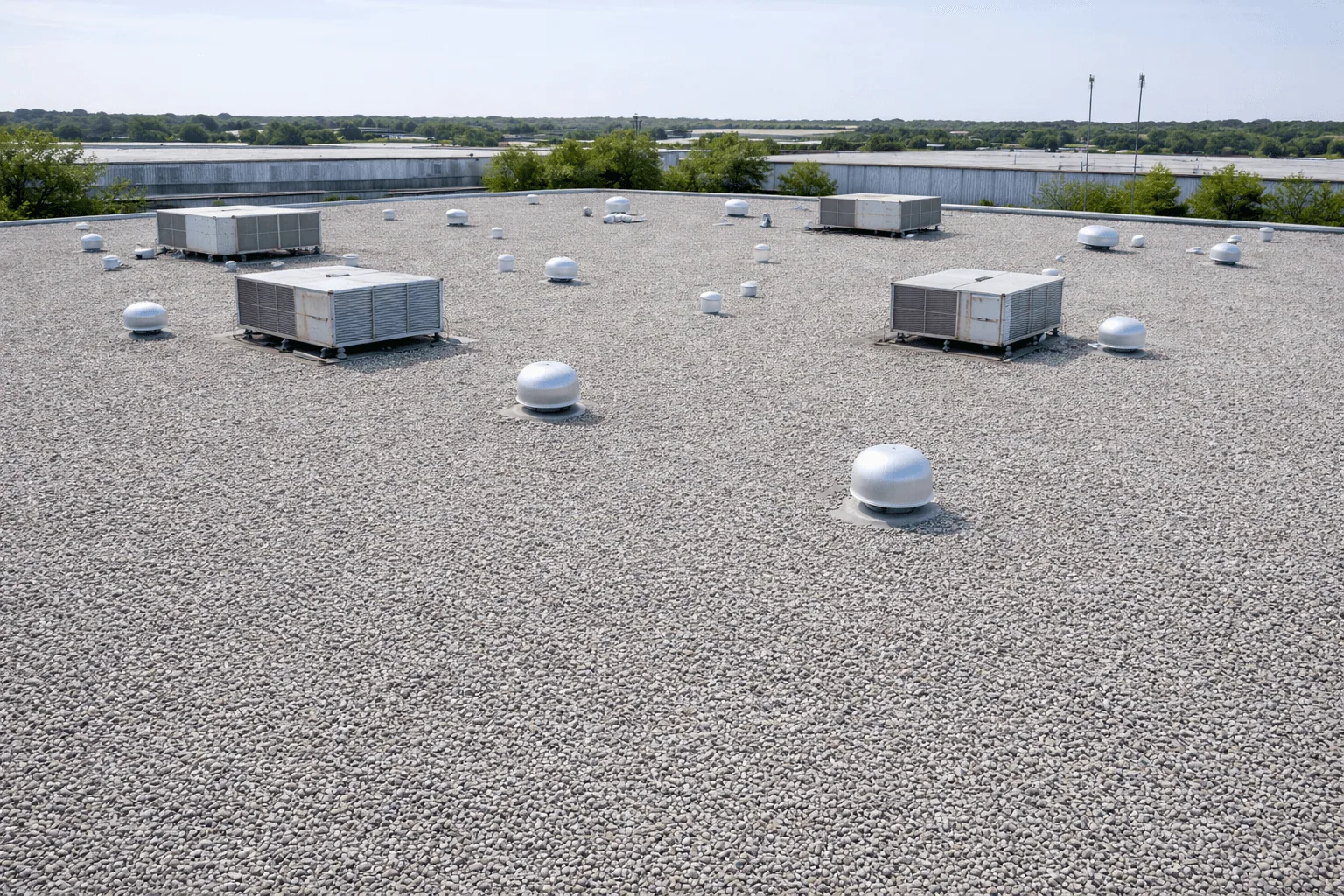
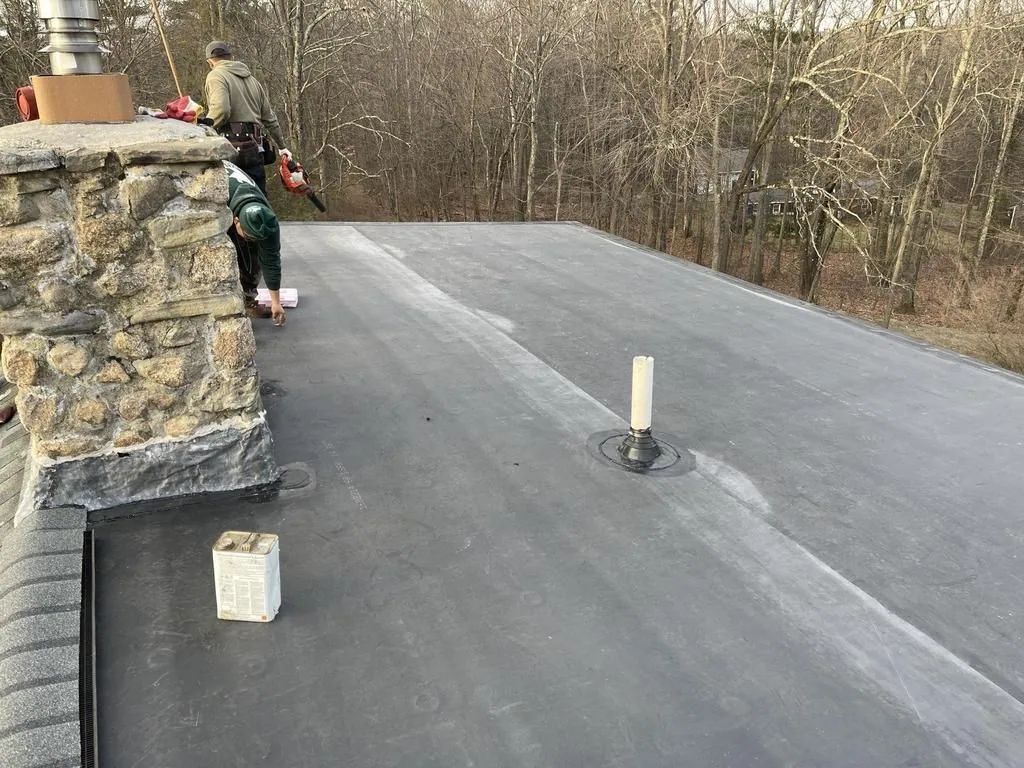
We start with the address, building identifier, roof access contact, assembly where known, drainage features and existing service history. The roof walk maps seams, edges, penetrations, equipment, drains and visible moisture or wear. A commercial roof inspection creates an asset-level baseline. If a broad section needs more review, an infrared moisture survey can help prioritize testing, with the report keeping scan results separate from confirmed conditions.
Portfolio access in Brownsville spans the Port business park's rail links and the Tech District's SH 550 frontage near I-69E; track those as separate operating contexts. Different locations can carry different gate, staging and operating constraints. The Port business park address still needs its own access plan; the manager supplies the facility contact and operating window for each visit.
A portfolio file records more than a condition label. It shows the roof section, date, image, recommended action, approval status and return date. When an owner changes management firms, those identifiers help transfer the roof history without treating unrelated buildings as one asset. We note an inaccessible area as open rather than implying the inspection covered it.
Record: Connect findings to a responsible action
Each observation receives a practical status: active entry, repair proposed, test needed, maintenance item, monitor or closed after work. The status is paired with a location, evidence and a next action. Managers can also track warranty documents, inspection due dates and vendor access notes beside each facility, so the next reviewer sees the building context before scheduling. A roof condition report can carry tagged photos and repair boundaries into the asset record. When work is completed, closeout references the same roof zone so the manager can compare the before and after condition.
Brownsville averages about 140 days each year at or above 90 degrees, with normal highs reaching 96.3 in August. Frequent heat should be reflected in maintenance timing and safe access planning, while each roof's exposure and system remain specific. A site-by-site record can track coating condition, open laps, drain maintenance or attachment checks without treating a climate statistic as a roof diagnosis.
For an industrial property with equipment service routes, the manager can note access paths and recurring work windows. For a medical or public building, entry controls and occupied-area notices may matter more. We include the constraint that affects inspection or repair and identify who supplied it, keeping the property file usable for scheduling rather than just storage.
Prioritize: Rank work by condition and consequence
Portfolio priorities follow observed urgency, not just roof age. Active water entry, loose material or a failed drain gets attention before a surface condition that remains serviceable. We identify the repair boundary and any test that could change the recommendation. The owner can compare immediate stabilization with planned corrective work and assign each item to an approval path.
The 2020 Hurricane Hanna event affected the Rio Grande Valley with wind, rain and flooding; portfolio records should separate that history from verified findings on each roof. A multi-building roof program benefits from keeping storm inspections, temporary cover and permanent repairs attached to the affected address and date. A wind damage review can record perimeter findings, while a multi-site program can organize follow-up across separate properties. The record does not assume that one event created identical damage at every site.
For capital review, each asset file can show unresolved testing, approved scope and work completed. Costs depend on assembly, access, removal, staging, materials and conditions found during authorized work. We state these drivers with each proposal so the portfolio manager can compare defined scopes instead of relying on a generalized cost per building.
Coordinate: Keep access and approvals current
Inspection dates need a named contact, roof access rules and advance notice for tenants, production or clinical operations. A manager can maintain gate instructions, escort needs, lift restrictions, delivery route and after-hours contact in the asset record. We use those details to schedule the correct building and record any change that left an area out of reach.
Emergency response is available around the clock, including weekends and holidays, when water is entering. The portfolio protocol identifies who can authorize temporary protection and how to reach them after hours. Permanent work still follows a defined scope and written approval. This separation helps the manager see which roofs are stabilized, which repairs are authorized and which items still await a decision.
A capital schedule for Brownsville should account for the City's commercial plan review under the locally adopted 2018 International Building Code when roof work changes the assembly. The designer and project contact confirm requirements for each property. We attach the accepted detail or relevant approval to the asset file and flag field conditions that need direction before roofing continues.
Closeout: Maintain one history for each facility
After each visit, the manager receives dated findings, tagged images, completed tasks, remaining items and the next recommended action. The same roof-area labels carry across inspection, proposal and closeout. That allows a new manager or capital reviewer to see whether a condition changed, was repaired or remains pending without reconstructing the sequence from email attachments.
Send the Brownsville property list, addresses, roof plans, access contacts, known systems and current leak or maintenance concerns. Identify the person who approves testing and repair, plus any tenant or operations limits. We will establish an asset record for each building and organize the next inspection around verified conditions and practical scheduling.
Related Roofing Work
Other roofing services and buildings we handle across Brownsville.
Questions About Commercial Roof Asset Management
Which identifiers make a multi-roof asset file usable at renewal time?
It ties each property to roof-area findings, photographs, inspection dates, system information where known, approved work and unresolved items. We also record access and approval contacts so the file supports the next visit.
Can one program cover buildings with different roof types?
Yes. We maintain separate assembly and condition details for each address, then use common status fields to compare priority. Recommendations still follow the inspected roof and its specific access constraints.
How should emergency calls fit a portfolio program?
The owner designates an after-hours contact and person who can authorize temporary protection. We record stabilization separately from permanent work and update the affected asset after each visit.
Can managers use the same record for capital planning?
The file can show condition, recommended action, testing needs and approval status by roof area. We provide scope assumptions and cost drivers for each property so the manager can prepare a review grounded in inspected conditions.
What should be ready before the first inspection?
Send property addresses, roof plans, system details if known, access procedures, leak history and building contacts. Include tenant or operating limits and the approval route for testing or added work.