
Multi-Site Commercial Roofing Programs in Brownsville, TX
Coordinate Brownsville roof work by site
Several addresses can share a work calendar, but every roof needs its own condition record. We plan visits by site, capture findings with common labels and return separate scopes for each building. In Brownsville, a portfolio may span the port, medical providers, education, retail and industrial corridors. The program coordinates timing and status while preserving the property-specific details that govern access, assembly and repair.
Send the property list, access contacts, operating windows and current roof records. We will plan visits and return building-level findings, approvals and work status. The summary also identifies access barriers and dates for unresolved decisions. Call 555-555-5555 or use the form.
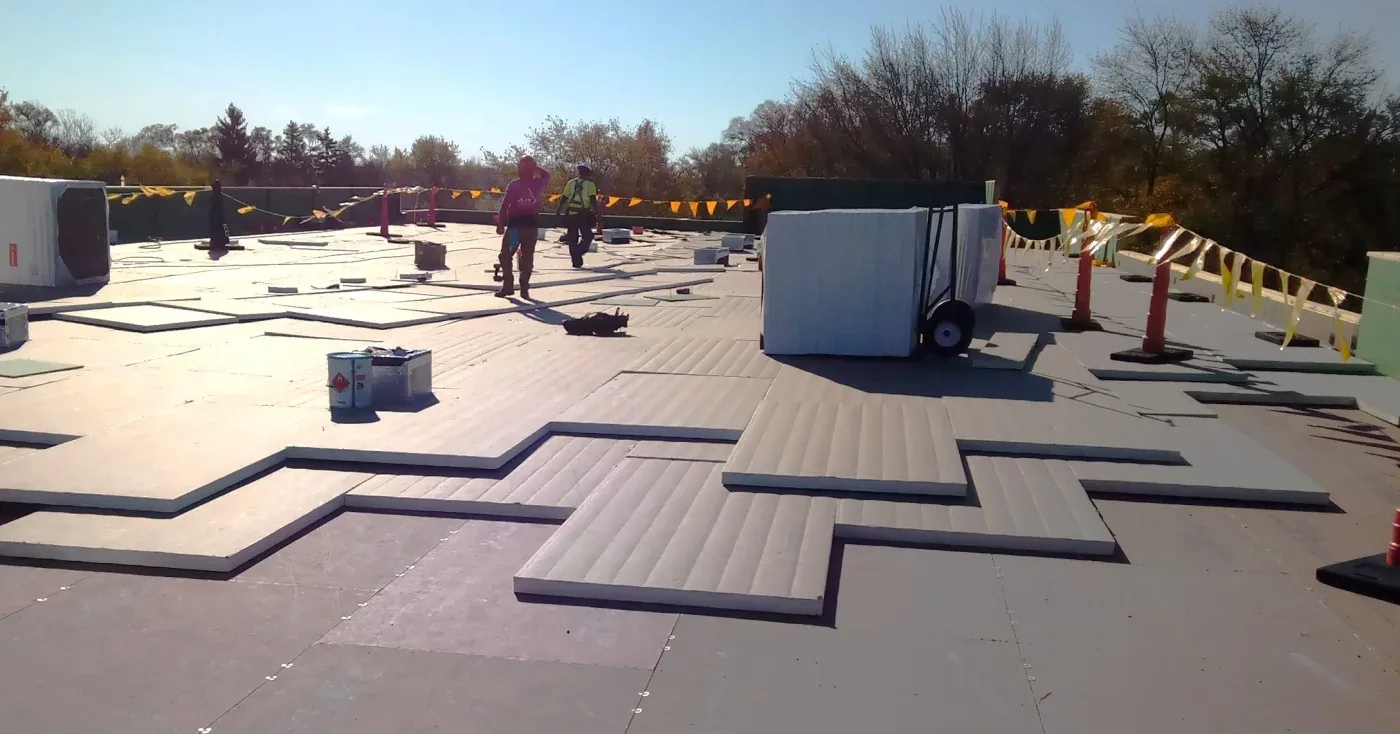
Coordinate: Set one calendar for multiple sites
We begin with a property list, addresses, roof plans, access contacts, operating hours and approval route. Sites can be grouped by geography or availability, with lift, escort and tenant requirements noted for each one. A commercial roof inspection can establish a baseline at each building. A maintenance visit can be scheduled separately where the owner needs recurring service.
The port-region economy includes heavy manufacturing, shipbuilding, steel fabrication, food processing and energy. At an operating industrial site, staging, security and production windows may constrain roof work. The Port of Brownsville Business Park has rail and trade connections, while sites at the FM 802 corridor have their own road and facility access plans. We confirm address-level arrangements rather than carrying one gate instruction across a portfolio.
Each calendar entry lists building, roof areas, assigned contact, inspection window and any operation notice. If a facility cannot provide access, we reschedule that property without marking it complete. The site contact receives the revised date and requested access preparation before the next visit. The program dashboard or summary can show visit status, but signed findings and repair quantities stay connected to their respective addresses.
Inspect: Use shared fields and distinct observations
Common fields help compare findings: roof type where known, area inspected, open defects, drainage, equipment, photos, access limits and next action. The actual narrative remains specific to the roof. A roof condition report can show observations and testing needs, while a roof asset file preserves repair history and due dates for that building.
Brownsville's hot season includes normal highs of 94 degrees in June and 96.3 in August, with about 140 days each year at or above 90. A coordinated schedule can account for safe work windows, but the visit time and roof exposure differ by site. Reports state when a section was reached, which details were observed and whether a return visit is needed.
The 2020 Hurricane Hanna record includes regional wind, rain and flooding impacts, useful context for comparing inspection findings across Brownsville properties. If several properties request post-event review, each building receives a separate finding set and date. A regional event can trigger inspections; it cannot define condition or damage quantity at every address. The program records whether temporary protection was installed and which repairs still need approval.
Prioritize: Route urgent roof items first
Active water entry, loose material and blocked drainage receive earlier response than stable surface wear. We identify urgency, affected building, temporary action and required approval. The owner can group urgent work for a return route when access and materials allow. Separate building scopes prevent one property's opening or test result from altering quantities at another property.
Repair timing depends on access, assembly, staging, material lead time and conditions exposed during authorized removal. We list those factors for each site and identify dependencies with mechanical, electrical or tenant operations. If a test could change quantity, its location and restoration method are recorded before it is scheduled. A portfolio sequence can then adjust without obscuring the decision pending at the individual building.
Brownsville's adopted 2018 International Building Code informs City review of commercial construction and remodeling, so portfolio scopes should flag work needing plan approval. Each site's designer or owner confirms applicable project requirements. We keep any local permit or design hold with the affected address, so a requirement at one project does not delay unrelated maintenance elsewhere in the portfolio.

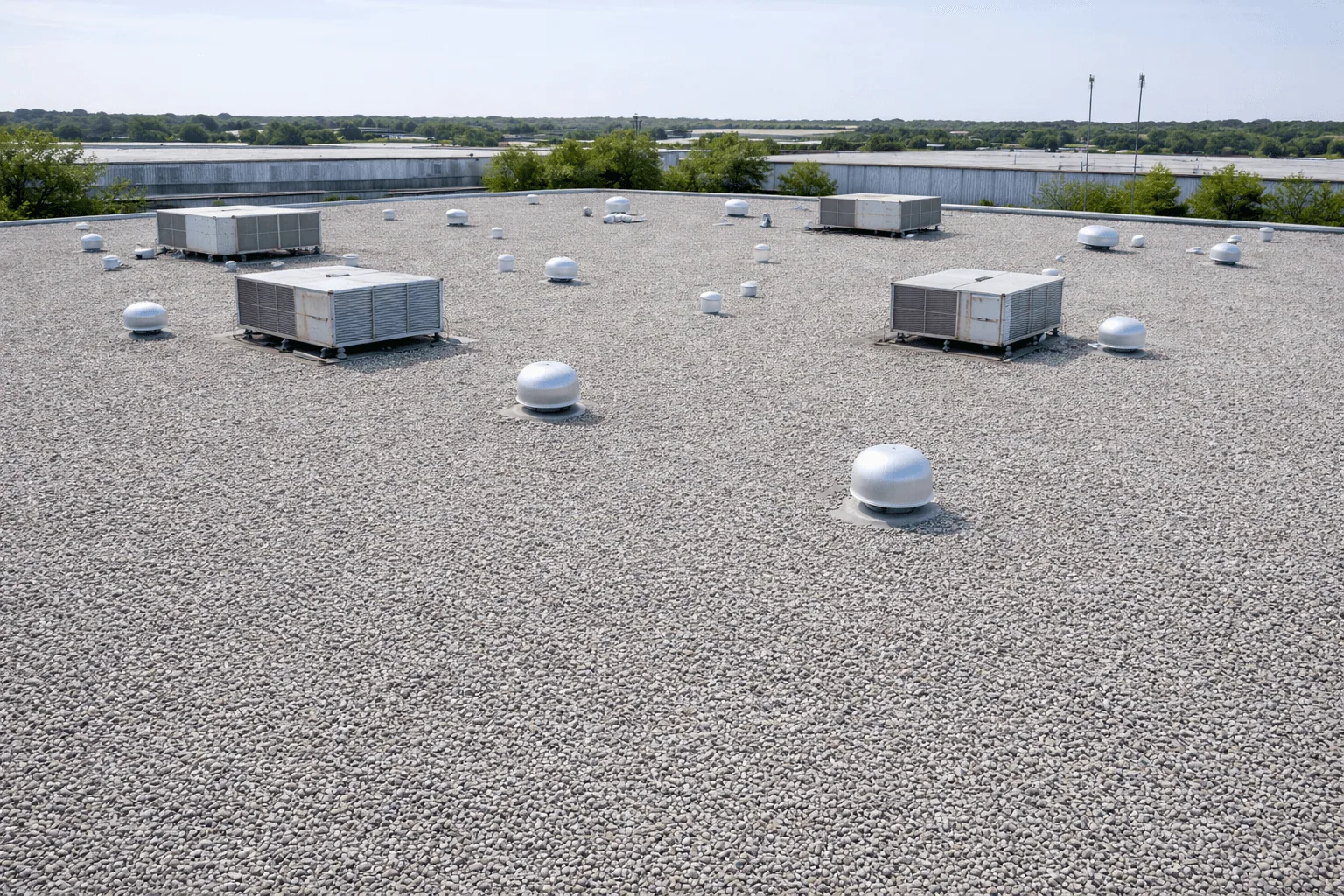
Record: Keep approvals attached to each property
The program tracks proposed, approved, scheduled, completed and pending work. Each status points to a roof zone, proposal version, decision contact and date. We return photographs and closeout files with consistent labels, then identify remaining issues or inaccessible sections. Managers can see the overall work queue without confusing an inspection finding with authorized construction.
Emergency response remains available around the clock, including holidays and weekends, for active water entry. The portfolio contact names who can approve temporary protection after hours. We log the affected address, cover location and next approval step before scheduling permanent work. The sequence keeps emergency stabilization visible while each property's repair continues through its own scope.
For facilities with recurring vendor access, the site file can hold gate procedures, roof keys, escort requirements and safe staging notes. The manager confirms those details before the visit. If a contact or route changes, the updated instruction is attached to that site and date rather than applied automatically to other buildings. A monthly review can reconcile which visits are complete, which proposals await a decision and which repairs need a return check. The property manager receives the open-item list with an assigned contact and due date. Where a tenant or operator controls access, the record shows who must arrange the next visit before the crew is dispatched.
Closeout: Report status across the Brownsville portfolio
At the end of a work cycle, the manager receives a site summary listing inspections, urgent items, approved repairs, completed work and pending decisions. Each property retains its inspection notes, tagged images, proposal and closeout. The summary can show sequence and responsibility, while individual roof records remain available to answer a building-specific question.
Send the Brownsville address list, facility contacts, site hours, roof plans, current maintenance schedule and approval names. Identify emergency contacts and any near-term capital dates. We will propose a site sequence, record each roof separately and return an update that names what happened at every address.
Related Roofing Work
Other roofing services and buildings we handle across Brownsville.
Questions About Multi-Site Commercial Roofing Programs
Can you inspect multiple buildings during one visit cycle?
We can group sites by availability, geography and access requirements. The owner provides a contact and operating window per property, and we return distinct records for every building inspected.
How do you compare roofs with different assemblies?
The program uses consistent status fields but keeps each system, condition and repair scope separate. We identify assembly where known and note when testing is required before comparing alternatives.
Can one approval contact manage repairs across the portfolio?
The owner can designate a central approver and local site contacts. We record who authorizes work at each address and keep approvals attached to the specific roof area and proposal.
What happens when one site cannot provide roof access?
We mark that visit incomplete, record the access barrier and reschedule with the facility. The rest of the program can proceed without representing the unavailable roof as inspected.
How are storm response and planned maintenance combined?
Urgent entry receives a separate response and status. Routine maintenance keeps its own schedule and findings, while each storm-related inspection is tied to the address and date.