
Cool Roof Installation in Brownsville, TX
Set the coating scope from roof evidence
A reflective roof changes how the surface absorbs solar energy; it does not correct a wet assembly or failed seam. We inspect the existing layers, note drainage and identify what preparation the surface needs before a coating or replacement is considered. Brownsville averages about 140 days annually at 90 degrees or warmer. For industrial property near the Port of Brownsville or Paredes Line Road, the roof decision still depends on the actual building and its field record.
Send the Brownsville address, roof history, prior coating records and energy objective. We will inspect the assembly and identify the work required before a reflective finish is applied. Call 555-555-5555 or use the form.
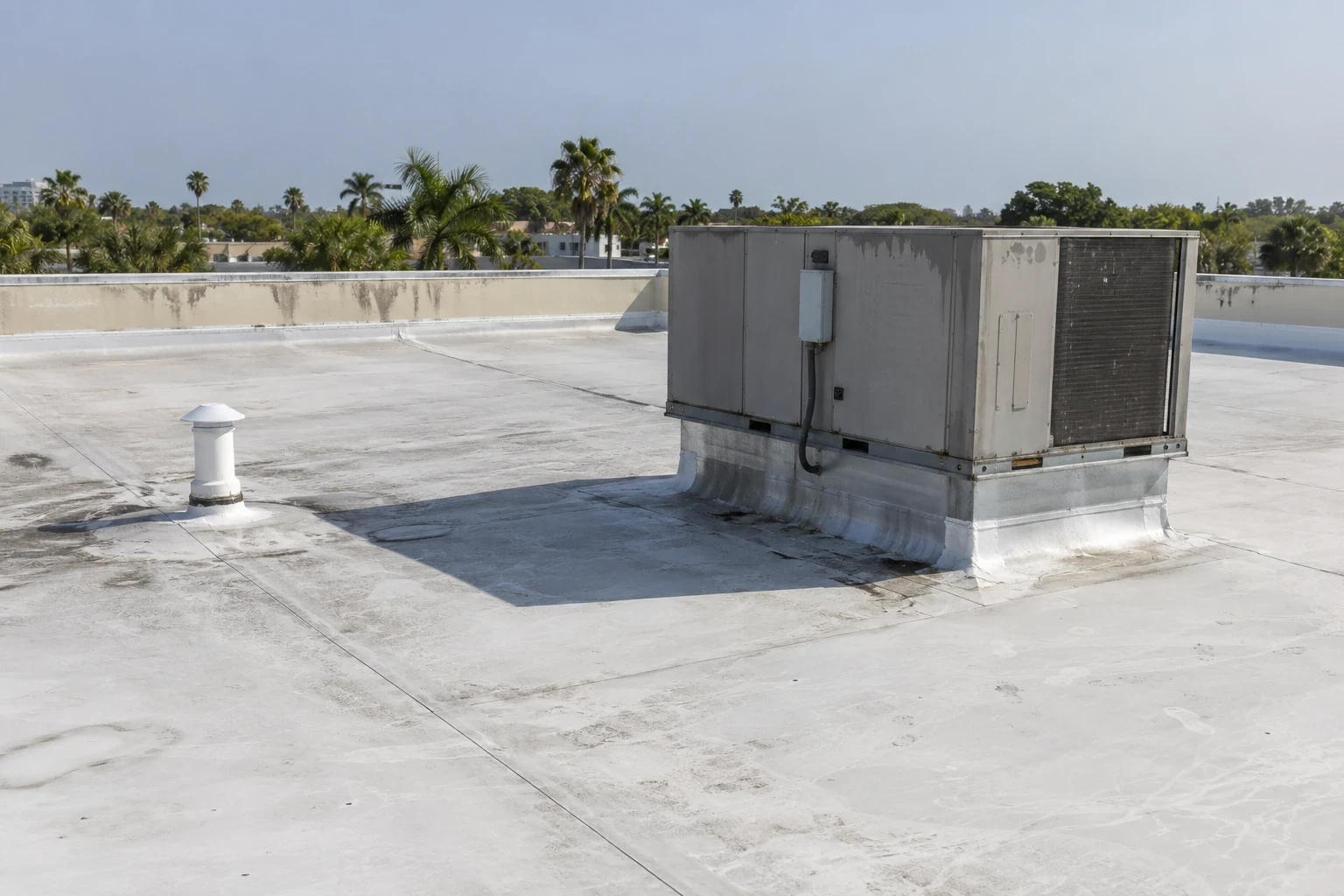
Inspect the surface before selecting a cool roof
We identify the existing membrane or metal, seams, prior coatings, attachment, penetrations, edges and drains. A reflective coating requires a surface that can be cleaned and prepared for the selected product. Loose layers, blisters, contamination, open seams, wet insulation or unstable attachment may require repair or removal first. We record the observed area and recommend testing when concealed moisture could change the scope. A coating proposal that skips the substrate question leaves the owner with an incomplete approval basis.
A cool-roof system can be part of replacement or a restoration coating where conditions support it. We compare coating restoration with replacement and evaluate silicone or acrylic systems only when their application requirements fit the roof. The estimate identifies cleaning, surface preparation, repairs, primers if specified, application area and detail work at penetrations and edges. If testing finds wet materials, the plan must say how those layers will be removed or isolated before a new finish is installed.
Roof drainage remains visible in the scope. We check outlets, scuppers, overflow paths and low spots. A coating must not cover an opening or reduce a designed discharge route. Where water stands after rain, we document the location and distinguish debris removal from a slope, structural or outlet question. A reflective system is not a ponding correction.
Set a measurable project objective
Brownsville's 1991 to 2020 normals show an annual mean temperature of 76.2 degrees and 7,843 cooling degree days. That makes cooling demand a regular facility consideration, but a roof surface alone does not determine energy use. Insulation, HVAC condition, schedules, process loads, ventilation, internal equipment and utility rates also matter. We do not promise a savings percentage from color or coating. If the owner needs a payback estimate, building energy data and mechanical assumptions should be reviewed by a qualified energy professional.
Our roofing scope can establish the physical work: roof type, area, substrate repairs, coating layers or replacement assembly, and access limitations. We can document the finished system for the owner's analysis. A condition report may compare visible defects and test results with the selected scope. If replacement is under review, a roof inspection can identify moisture and attachment questions before the reflective specification is chosen.
Cost depends on the size and condition of the roof, cleaning needs, repair quantities, penetrations, staging, surface preparation and application conditions. An industrial building with service paths and curbs may require more detail work than a clear field. We list assumptions and concealed-condition limits so an owner can compare a coating with removal and replacement using the same roof boundaries.
Protect the application through heat and storms
Normal daily highs reach the mid-90s in June through August, and Brownsville records about 140 days each year at or above 90 degrees. Those conditions affect crew exposure, surface temperature and material handling. We follow product instructions for application and cure, and we schedule work periods around safe conditions. A hot roof may need a different work window than the building's regular receiving hours.
Hurricane Hanna brought damaging wind, heavy rain and flooding to the Rio Grande Valley in 2020, with roof damage documented regionally. That event is a reason to include protection planning in a current project, not evidence that any named facility was damaged. Before work, we identify how an opened detail will be covered, where water can discharge and who receives a weather-related schedule update. If storm conditions interrupt the work, the field record notes the installed and remaining areas.
At the Port of Brownsville Business Park, port-related freight and industrial activity can influence delivery routes and laydown planning. A large industrial site near Paredes Line Road also needs its own staging and access review. We confirm the site conditions with the owner rather than infer traffic or roof layout from the district label.
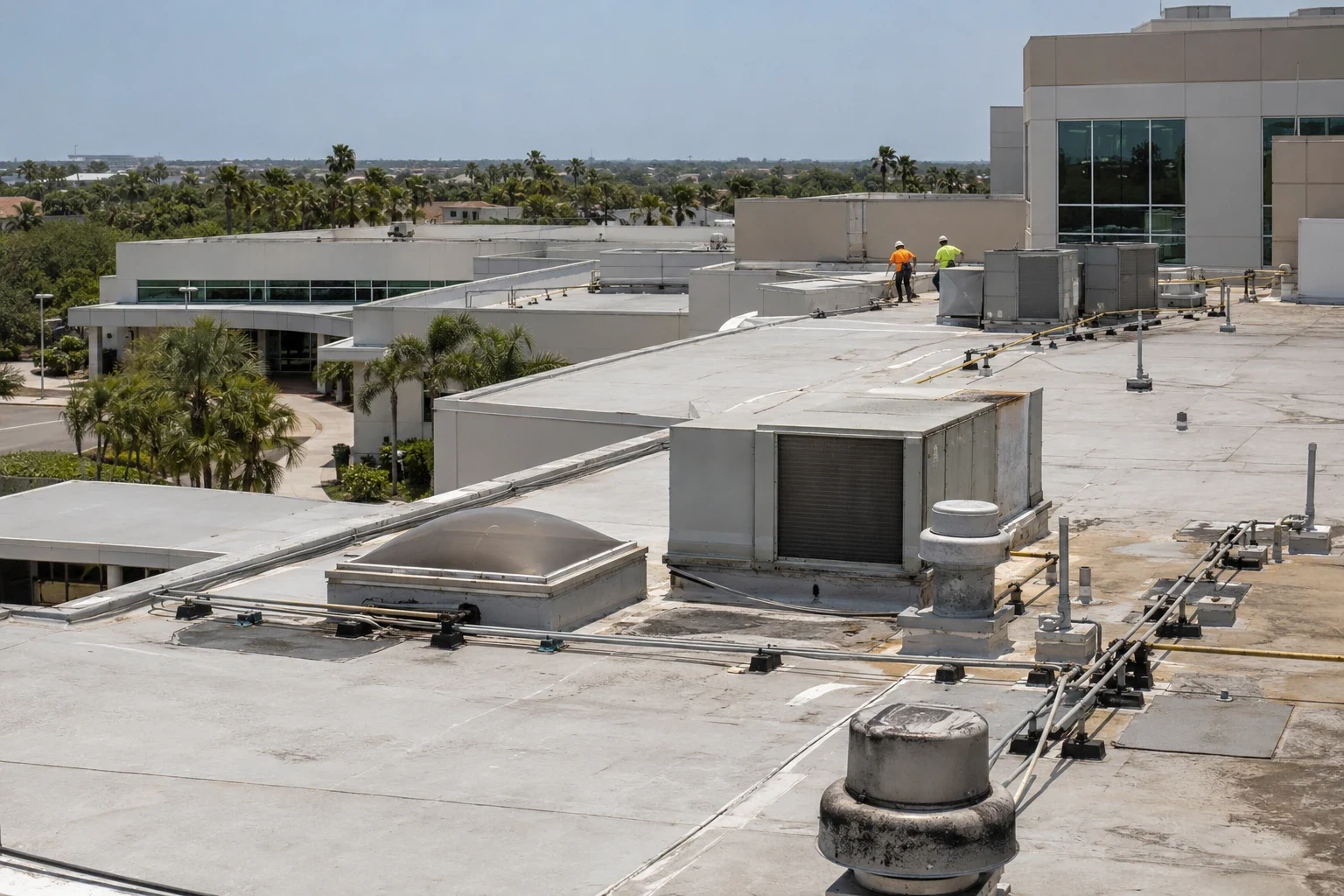
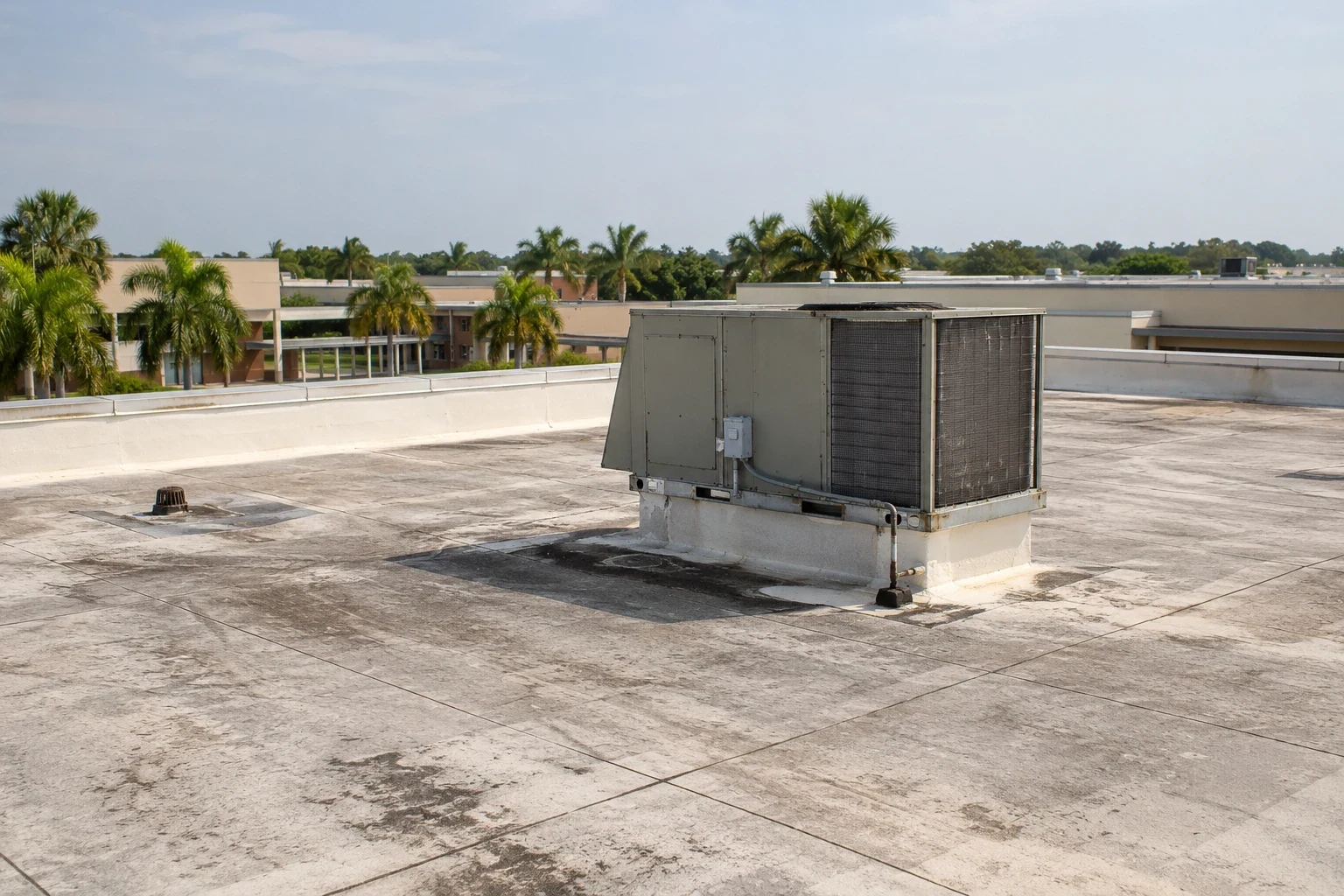
Complete preparation and record the finish
Reflective surfaces still need inspection after installation. We check for reopened seams, damaged penetrations, blocked outlets and coating wear during maintenance. If rooftop equipment changes or another contractor crosses the roof, the owner should record the affected area and request a review where the surface may have been damaged. Those checks preserve a useful baseline and help the next repair remain tied to the installed system.
Before application, we remove unsound material and prepare the substrate specified for the product. We repair existing defects, check representative areas and confirm that the roof is ready to receive the coating. The work plan names how edges, drains, curbs and penetrations will be treated. If a field condition is outside the approved scope, we pause and return photographs for direction. That keeps a concealed defect from being covered without review.
We record completed areas, weather and surface conditions when required by the project, material information, tagged detail photos and limitations. The owner receives a return list if another inspection or repair remains. A coating does not make the roof maintenance-free; drainage, flashings, seams and penetrations still need review. Send the address, roof history, available plans, prior coating records and the energy objective. We will define whether restoration is supportable and what the approved scope covers.
Related Roofing Work
Other roofing services and buildings we handle across Brownsville.
Questions About Cool Roof Installation
Will a reflective roof lower our cooling bill by a fixed amount?
The roof finish is one factor among insulation, HVAC, operating hours, equipment and utility rates. We do not assign a savings percentage from surface color. We can document the roofing work while an energy professional evaluates consumption and project assumptions.
Can you coat over the roof that is there now?
That depends on surface condition, attachment, moisture, compatibility and product requirements. We inspect and identify preparation or testing needed. A wet or unstable assembly may require removal or repair instead of a reflective layer.
Does a cool roof fix standing water?
No. We inspect drains, scuppers and low areas and identify whether cleaning or further drainage evaluation is needed. The selected coating must preserve the designed water route and overflow openings.
How does Brownsville heat affect coating work?
High surface temperatures can affect safe work periods and product application. We follow the selected system's instructions, check conditions and schedule the area so preparation and cure are completed within the allowed window.
What documents help compare restoration with replacement?
Provide the address, roof plan, leak and repair history, past coating records, available moisture testing and approval contact. Those items help us define the current assembly and the area that each option covers.