
Commercial Roofing at Veterans International Trade Center, Brownsville, TX
Request a trade-center roof assessment
A roof opening above a trade or distribution facility can affect a loading plan before it affects a repair estimate. Veterans International Trade Center has direct access to US 77/83 and Veterans International Bridge. Its permitted uses include industrial and commercial activity, with build-to-suit options and target uses in international trade, warehousing and distribution. We record the building's actual roof condition and the site's operating limits before setting a work zone or pricing a repair.
Provide the property address, freight schedule, roof plans and contact authorized to approve work. We will return findings tied to the inspected building. Call 555-555-5555 or use the form.
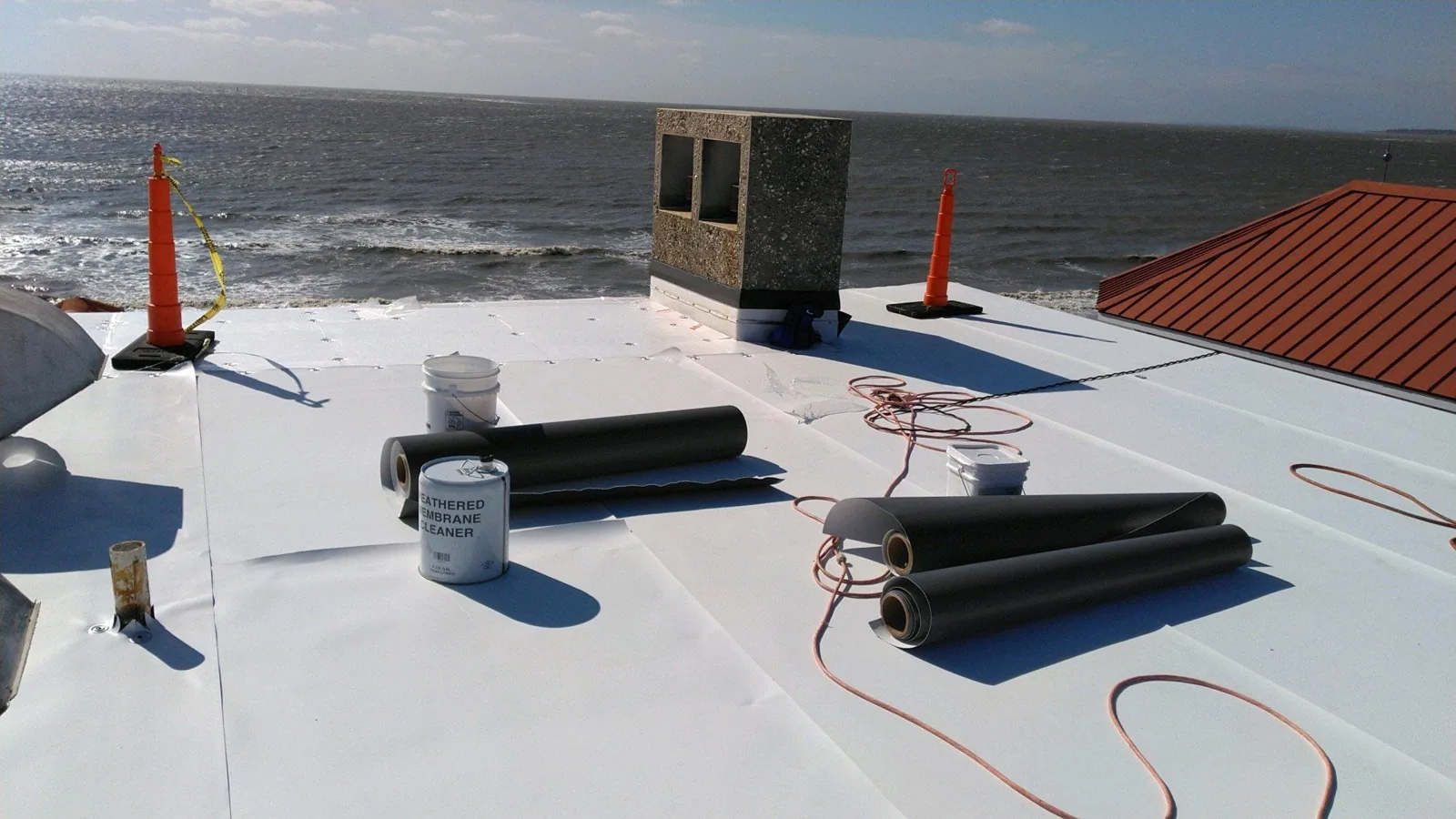
Record: Link the roof finding to an operating area
We locate the reported leak or damage on a roof sketch, then photograph the visible seam, penetration, edge or drain condition. The location matters: a loading bay, storage area, office or equipment zone can have different access and shutdown needs. The site use alone does not establish what activity occurs at a particular building. We confirm the affected area and decision contact with the operator before removing material or scheduling a lift.
A roof condition report ties observations, measurements and tagged photographs to the building address. It names the roof area inspected, the parts blocked from view and any test needed to assess insulation or deck. Where water appears indoors but the surface entry point remains uncertain, we keep that distinction in the record and propose a limited test rather than assigning a broad repair without evidence.
Brownsville has recorded hurricane wind, heavy rain and regional roof damage, including impacts during Hurricane Hanna in 2020. After a weather event, we inspect the subject property for current conditions: edge movement, open laps, punctures, damaged flashing and blocked drainage. A hurricane roof assessment records what is visible and what requires follow-up, giving the owner a basis to prioritize temporary protection and permanent work.
Inspect: Trace the roof assembly and access route
The first walk checks membrane seams or metal laps, perimeter securement, curbs, penetrations, drains and prior repair areas. A drone roof inspection may help review a large or restricted roof surface when conditions permit, but close examination remains necessary for details that need touch, measurement or testing. We identify the existing system before selecting compatible repair material and note any area inaccessible from the approved route.
US 77/83 and Veterans International Bridge support access to the trade center. For roof work, the facility contact still confirms the building-specific route, gate, delivery appointment, lift staging, debris removal and time windows. If inbound or outbound freight must retain a lane, we design the daily work section to avoid a blocked route where practical. Those constraints enter the schedule and estimate as stated assumptions, not as an unpriced promise.
Brownsville's normal highs reach 94 degrees in June and 96.3 in August. Heat affects crew hours, material handling and the conditions required for some adhesives or coatings. We stage only the area planned for that shift and check the substrate before application. If the surface temperature or moisture condition is unsuitable, the daily record identifies the delay, protective measure and next condition needed to proceed.
Options: Compare a repair with replacement planning
A single failed lap or penetration can have a narrow repair boundary. Repeated leaks, widespread membrane separation, wet insulation or deteriorated deck can require further testing or a larger scope. We measure the affected area, state removal and tie-in limits, and list any concealed condition that could change quantity. When the roof reveals a different layer during removal, work pauses at the approved limit until the owner reviews photographs and the proposed change.
Build-to-suit can mean a facility is being planned for a specific operation. The roof design, system, insulation and drainage still come from the approved plans and field conditions, not from the property label. For a proposed alteration, Brownsville's adopted 2018 International Building Code and commercial plan review are part of the local permitting context. The project designer confirms requirements; our scope identifies roof details, material transitions and work quantities for coordination.
A roof recover review considers the condition of the existing assembly and whether it can remain beneath a new system. Replacement estimates account for tear-off, deck review, insulation replacement, drainage corrections and dry-in sequencing. A claim documentation visit can organize roof photographs and observed damage for the owner's file. Coverage decisions remain with the insurer, while the roofing record describes the work and evidence gathered.
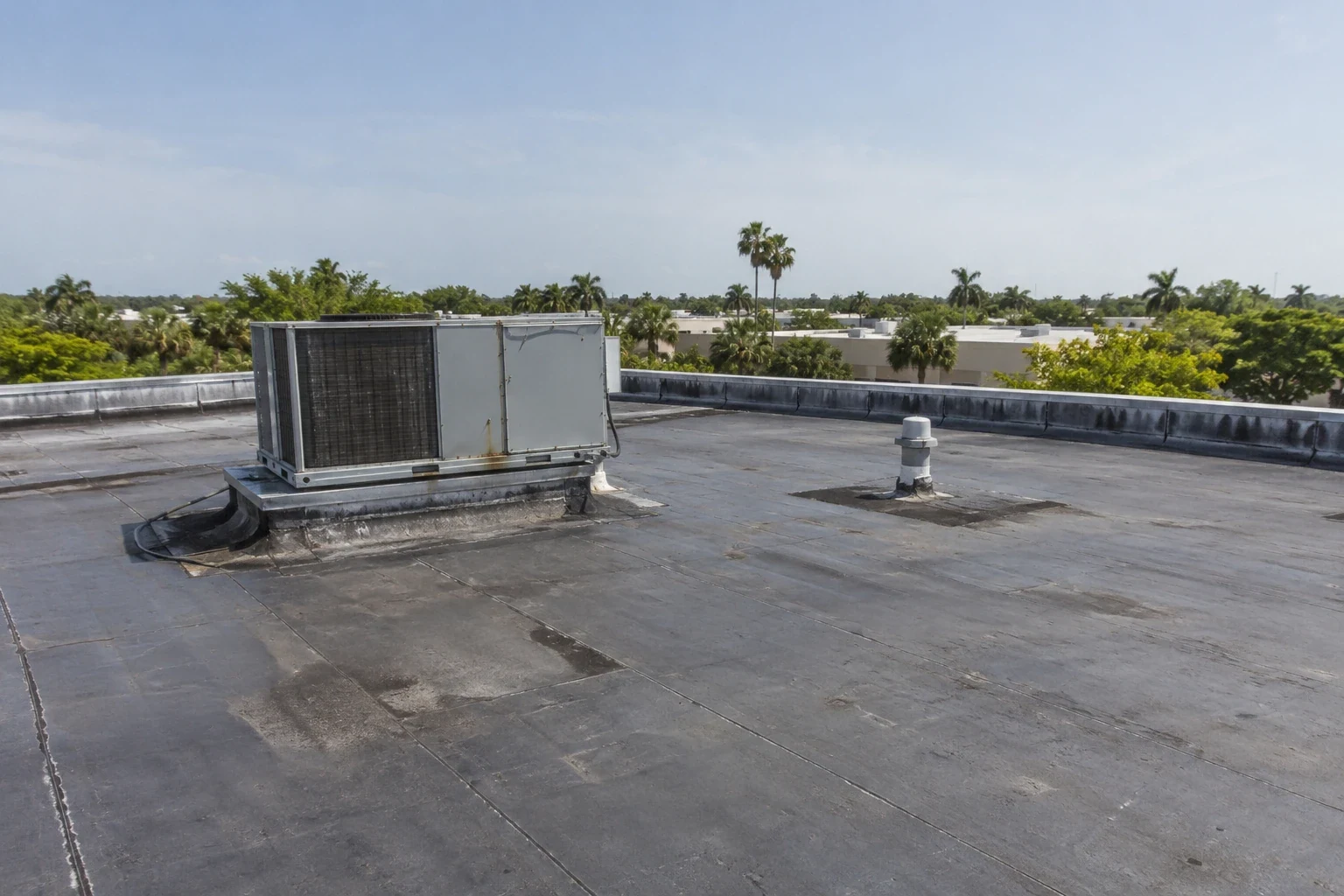
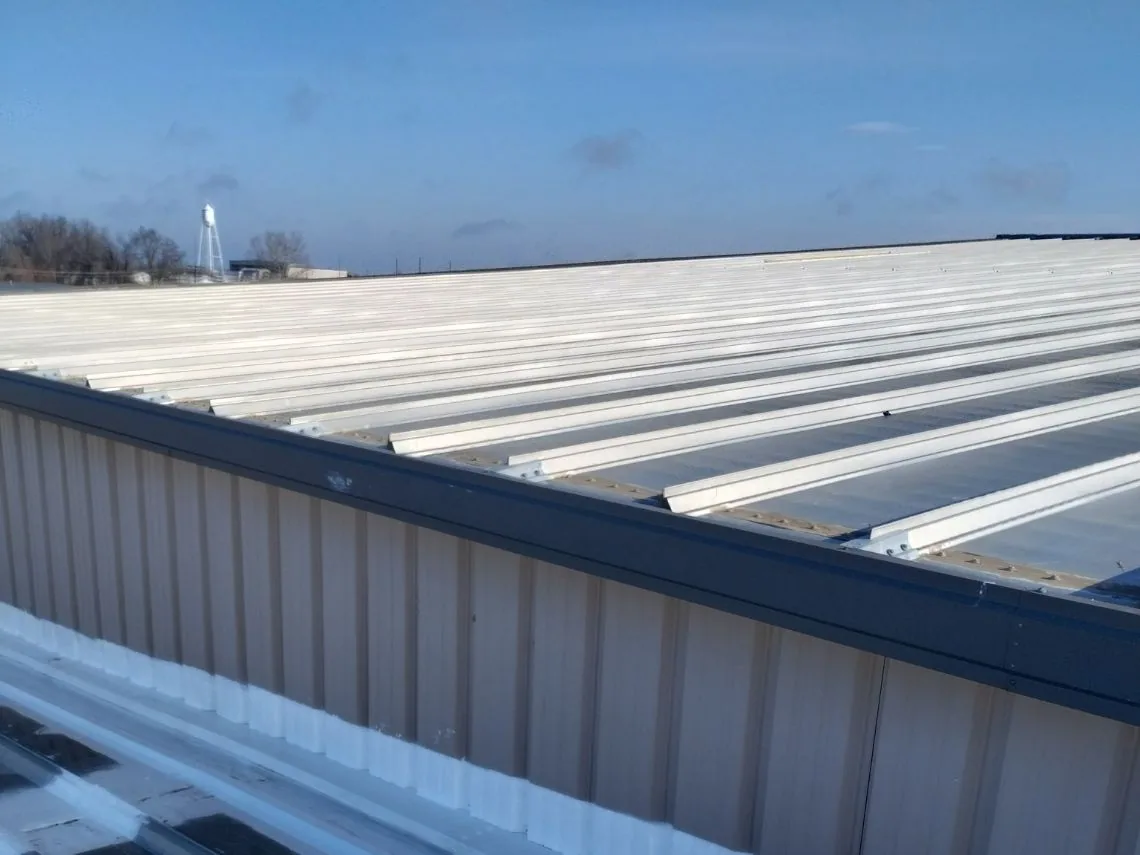
Coordinate: Keep freight and roofing work in sequence
Before mobilization, the operator confirms work hours, freight peaks, restricted areas, roof access and emergency contacts. We schedule material arrival and debris removal around those windows and mark the zone that will be closed. A trade-center project may involve tenant, owner and general-contractor decisions. The estimate identifies who approves an added repair, who can authorize temporary cover and which trade must finish before flashing can be reset.
Active leaks receive emergency response at any hour, weekends and holidays included. The crew locates the opening, documents the exposure and installs an authorized temporary cover where safe. Permanent repair follows after the assembly and connection detail are confirmed. If the route to the roof changes or an operation occupies the planned area, we revise the sequence with the site contact and record the remaining task.
At the Port of Brownsville, rail and the overweight corridor support industrial movement; Coffee Port Industrial Park has highway access for industrial lots. These locations have separate access conditions. An owner coordinating more than one property can align visits, while each building keeps its own inspection notes, measured quantities and approval history.
Closeout: Return a scope the operator can schedule
The closeout record lists roof zones completed, material and details installed, approved changes and unresolved findings. It notes whether temporary cover was removed, whether a trade must return and which areas were not inspected. For work near active freight, we also document the staging and access assumptions used so later service does not depend on memory or a broad site designation.
Send the Veterans International Trade Center building address, facility contact, reported issue, roof plans, loading schedule and any route restrictions. We will inspect accessible areas, confirm the proposed repair boundary and return a sequence that separates urgent protection, permanent repair and testing that needs its own approval.
Related Roofing Work
Other roofing services and buildings we handle across Brownsville.
Questions About Veterans International Trade Center
How can roof repairs avoid interrupting bridge-related freight activity?
The operator provides truck routes, delivery windows and any lane that must stay open. We plan staging, lift access and debris removal around those conditions, then keep a record of any schedule change that affects the roof sequence.
Does build-to-suit status tell you which roof system is installed?
No. We review approved plans and inspect accessible roof details to identify the actual assembly. System choice and repair compatibility depend on those records and field conditions at the building.
What should happen after wind damage is reported?
We inspect accessible edges, seams, penetrations and flashing, then tag photographs by roof zone. Temporary cover can address an active opening while the owner reviews a measured permanent repair scope and any test needed for concealed damage.
Can you coordinate roof work with a tenant or general contractor?
Yes. We identify the person who controls access, the person who approves scope changes and any trade responsible for equipment or electrical work. The schedule records those handoffs before an opening is made.
What changes the price after a roof walk?
Wet insulation, damaged deck, hidden layers, additional transitions or restricted access can change labor and material quantities. We document those findings and return the added scope for approval before expanding the repair boundary.