
Commercial Roofing in Laguna Vista, TX
Request a Laguna Vista roof inspection
A roof report in Laguna Vista needs the property address, actual roof dimensions and an access contact before a repair quantity can be set. Laguna Vista is a Cameron County community in the county's economic-development coverage. The county's general-aviation airport lies just north of town and has an 8,001-foot runway; county mapping places Laguna Vista on roads serving the lower Laguna Madre area. Those facts describe local connections, while the building inspection defines the roofing work.
Share the property address, access route, facility contact and reported condition. We will return a building-specific assessment and next steps. Call 555-555-5555 or use the form.
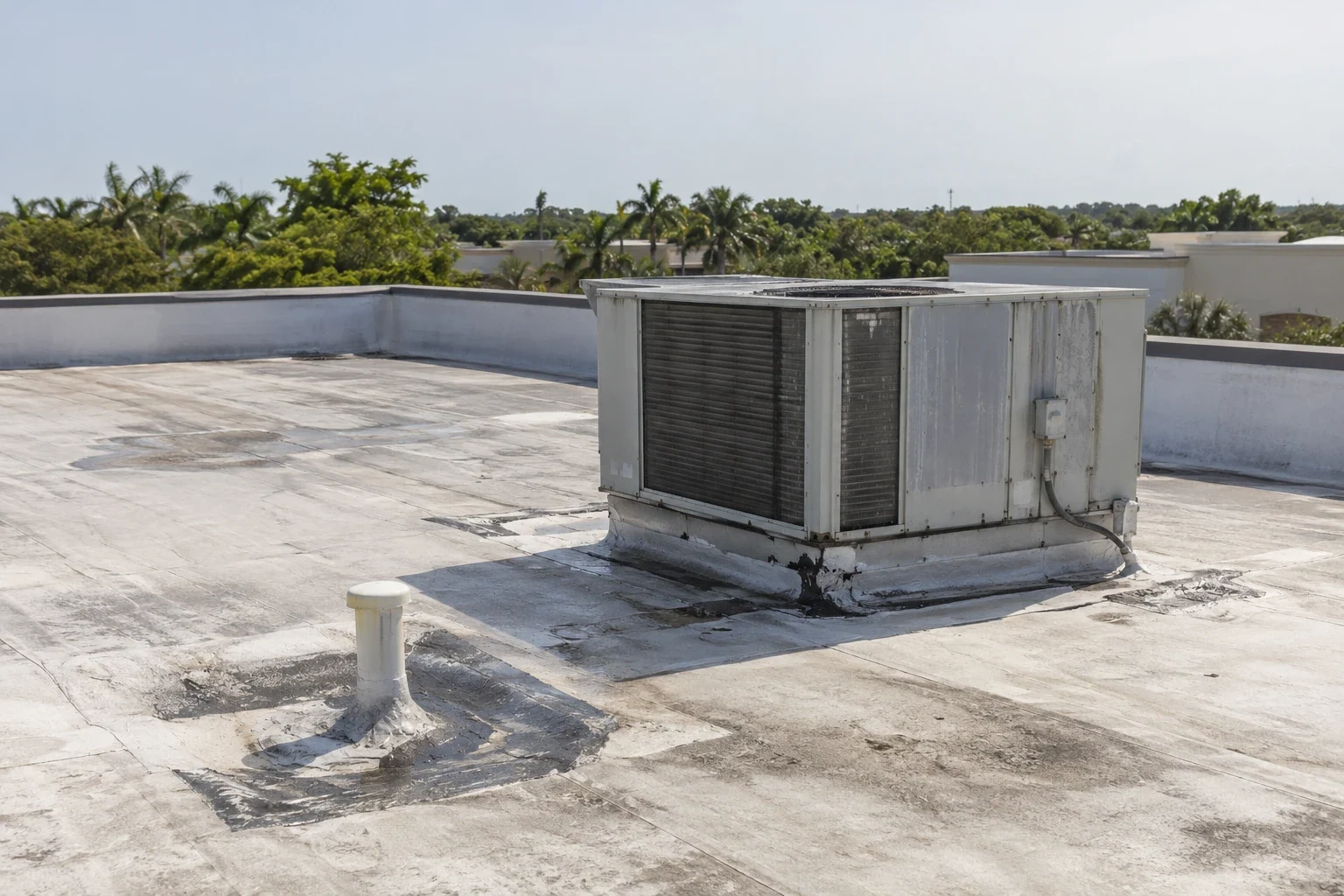
Inspect: Verify dimensions at the building
We inspect accessible seams, flashing, edge details, drains, penetrations, rooftop equipment and previous repairs. A commercial roof inspection records roof zones with tagged photographs and notes any area not reached. An airport runway length does not establish a neighboring property's roof size or assembly. We use field measurements and available plans to identify membrane, metal, deck, insulation and transitions before selecting material.
The lower Laguna Madre road network gives a route reference for the area, but the property manager defines how the crew enters the site. We confirm the gate, work hours, delivery path, lift location, staging space and debris removal before mobilization. If a tenant or public route must remain open, those limits shape the daily section and labor plan.
Brownsville's NOAA normals count 7,843 cooling degree days across the year. At Laguna Vista, we record the temperature and moisture present on the roof during inspection; those readings, product limits and the available work window determine when the section can be installed.
Record: Preserve the reason behind the repair
The field record connects the reported room or roof condition with an image, measurement and next action. We photograph open seams, loose metal, punctures or flashing separation and locate each on the plan. If an interior stain does not trace to a visible defect, we identify the uncertainty and propose a moisture survey or controlled opening only where it can answer a question about concealed material.
A roof condition report states which sections were inspected, what is confirmed, what remains hidden and what temporary protection is in place. It can support routine maintenance or a repair decision without substituting a runway, road map or community profile for roof evidence. The owner has a dated file for later inspection and a clear list of actions that remain.
Nearby regional communities include Port Isabel, where the Port Isabel-San Benito district operates an intracoastal canal port, and Rio Hondo, where Cameron County operates a tax-assessor branch. Harlingen has Valley International Airport and the VA system's main location. Each property and route receives a separate condition record.
Coordinate: Plan around the approved site route
Before the crew arrives, the facility contact confirms check-in, lift position, delivery timing, access hours, any occupied space and the contact who can approve added work. We stage equipment only where the property allows it. If airport-area traffic, a public event or tenant activity affects the scheduled route, the superintendent updates the sequence and limits the roof area opened that shift.
Calls for active water entry receive emergency response throughout the week and on holidays. We identify the opening, document its location and apply authorized temporary protection when roof and weather conditions allow. Permanent repair follows after the roof system and tie-in are confirmed. If access or weather blocks the final repair, the report shows what has been protected and which condition is required before the next visit.
For work in Laguna Vista, the designer and authority having jurisdiction identify permit conditions and applicable code provisions. We return roof dimensions and transition details for their review, then use the accepted project documents to guide installation and inspection.
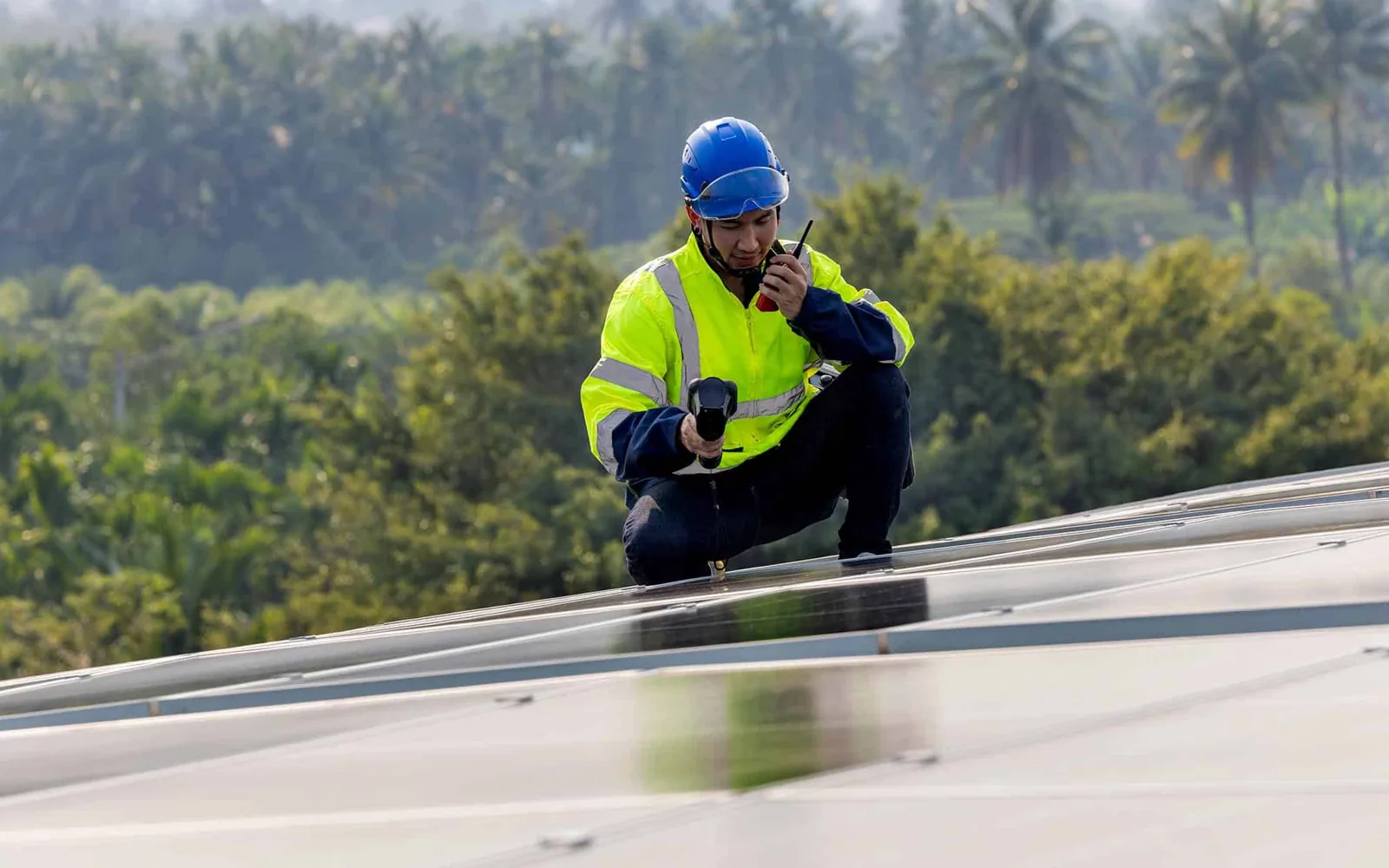
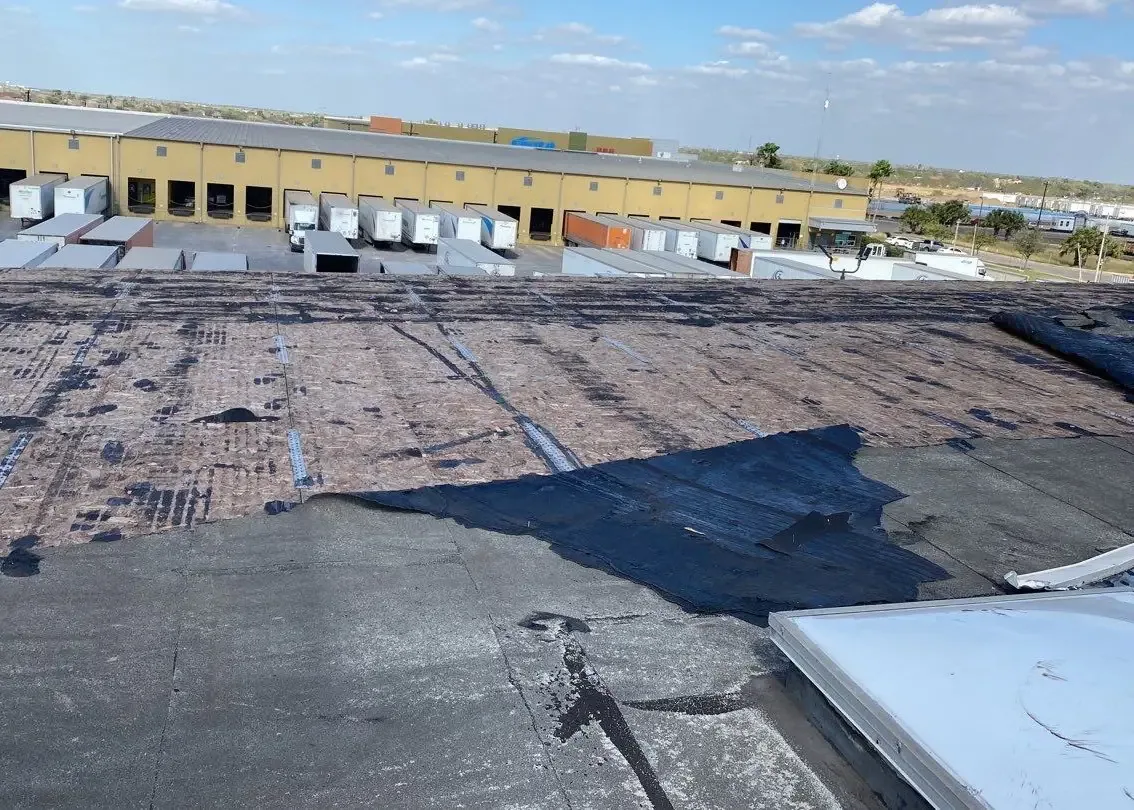
Options: Compare a bounded repair with replacement
A single seam opening or failed penetration may fit a limited repair. Recurring leaks, broad moisture, loose attachment or deck damage can require testing and a broader project. We measure the visible area, define material removal, tie-in and exclusions, and separate any hidden quantity. If tear-off uncovers a different layer or damaged substrate, the crew stops and returns photographs and measurements before the owner authorizes more work.
A recover evaluation checks existing material, attachment, moisture and design limits before a new roof layer is considered. If removal is selected, the sequence accounts for deck review, insulation changes, drainage details and a secure close between shifts. Cost and timing reflect roof dimensions, access equipment, material lead time, facility hours and the work window needed to keep occupied areas protected.
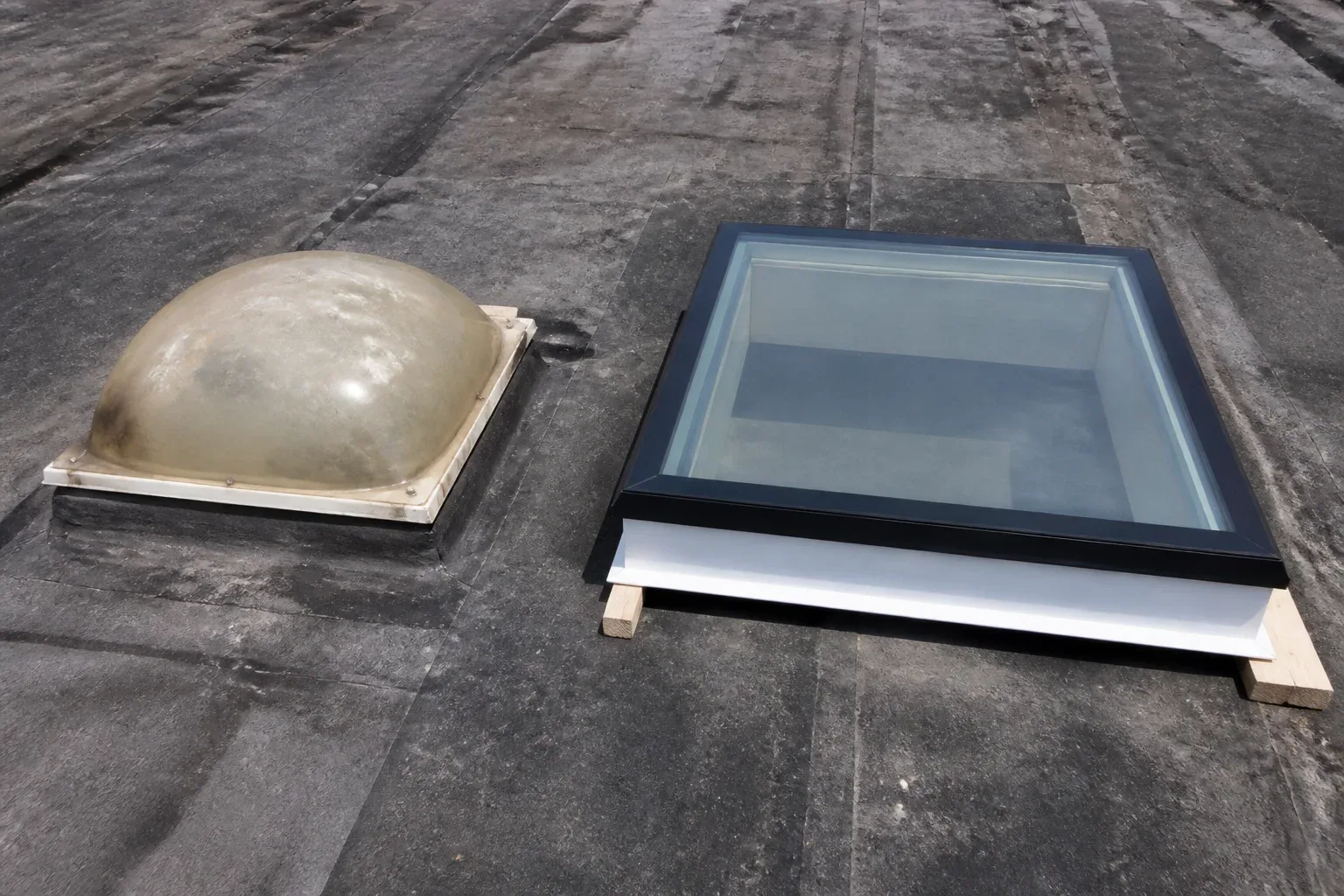
If a new curb, vent or electrical penetration is part of the project, its final dimension and approved location must be clear before flashing is installed. We name the mechanical or electrical handoff and the roof step that follows. This keeps an incomplete design interface from being priced as a finished detail.
Protect: Keep the roof closed between work periods
Daily notes identify the roof zone completed, any exposed surface, temporary cover and next action. We limit removal to an area the crew can secure before departure. If a material delivery or trade visit shifts the work window, the owner receives a revised date and the protection status before additional removal begins.
For an active facility, we coordinate interior protection with the person responsible for the affected area. If equipment needs to shut down or move, that work remains with its assigned trade until the operator confirms it is ready. The roofer then returns to close the approved flashing or membrane detail and documents the tie-in.
A multi-site roof program can coordinate maintenance visits across Laguna Vista, Port Isabel and San Benito. It can rank open exposure and plan future renewal without joining the roof histories. Each facility retains its own plan, measurements and decisions.
Closeout: Return a roof record tied to the address
Closeout lists the roof zones inspected, material installed, repairs completed, photographs, approved changes and remaining tests. It records temporary cover removal, unresolved leaks or inaccessible details and any trade still due. The owner receives a practical record that can be used when a new condition appears or a maintenance budget is prepared.
Send the Laguna Vista address, roof plans if available, reported leak or damage, access contact and operating restrictions. Include any lift, delivery or equipment limit. We will inspect reachable areas and return measured options for repair, testing or replacement with each approval point identified.
Related Roofing Work
Other roofing services and buildings we handle across Brownsville.
Questions About Laguna Vista
Does the 8,001-foot airport runway tell you anything about a commercial roof?
It identifies a nearby aviation facility, not a roof measurement. We inspect the building, review its plans and record assembly details before calculating work quantities.
How do you confirm access on a Laguna Vista property?
The facility contact provides the authorized entrance, work hours, lift location and delivery route. We include those instructions in the schedule and verify them before the crew mobilizes.
What if a leak report does not line up with a visible roof defect?
We document the room and roof observations separately, then identify a survey or test opening if it could clarify the water path. The proposal states limits and how the opening will be restored.
Can one visit cover Laguna Vista and Port Isabel?
The owner can coordinate dates, but each property needs separate access permission, roof measurements, findings and approvals. We retain distinct files for the facilities and their maintenance history.
When can you recommend a recover instead of replacement?
We first assess the current assembly, moisture, attachment and design requirements. A recover is considered only if those conditions support it; testing is recommended when concealed layers could change the decision.