
Coast Guard Station Roofing in Brownsville, TX
Coordinate a station roof scope
Coast Guard Station South Padre Island roof planning starts with the duty contact and authorized work window. We document the reported condition and inspect accessible seams, edges and penetrations. U.S. Coast Guard Station South Padre Island's documented facility program includes duty-crew berthing and mission-support space at its Wallace Reed Road location. The station has duty-crew berthing, so roof work must fit the facility's actual operations and access controls.
Send the South Padre Island station address, building identifiers, roof plans, reported condition, access procedure and authorized contact. We will document the proposed work boundary. Call 555-555-5555 or use the form.
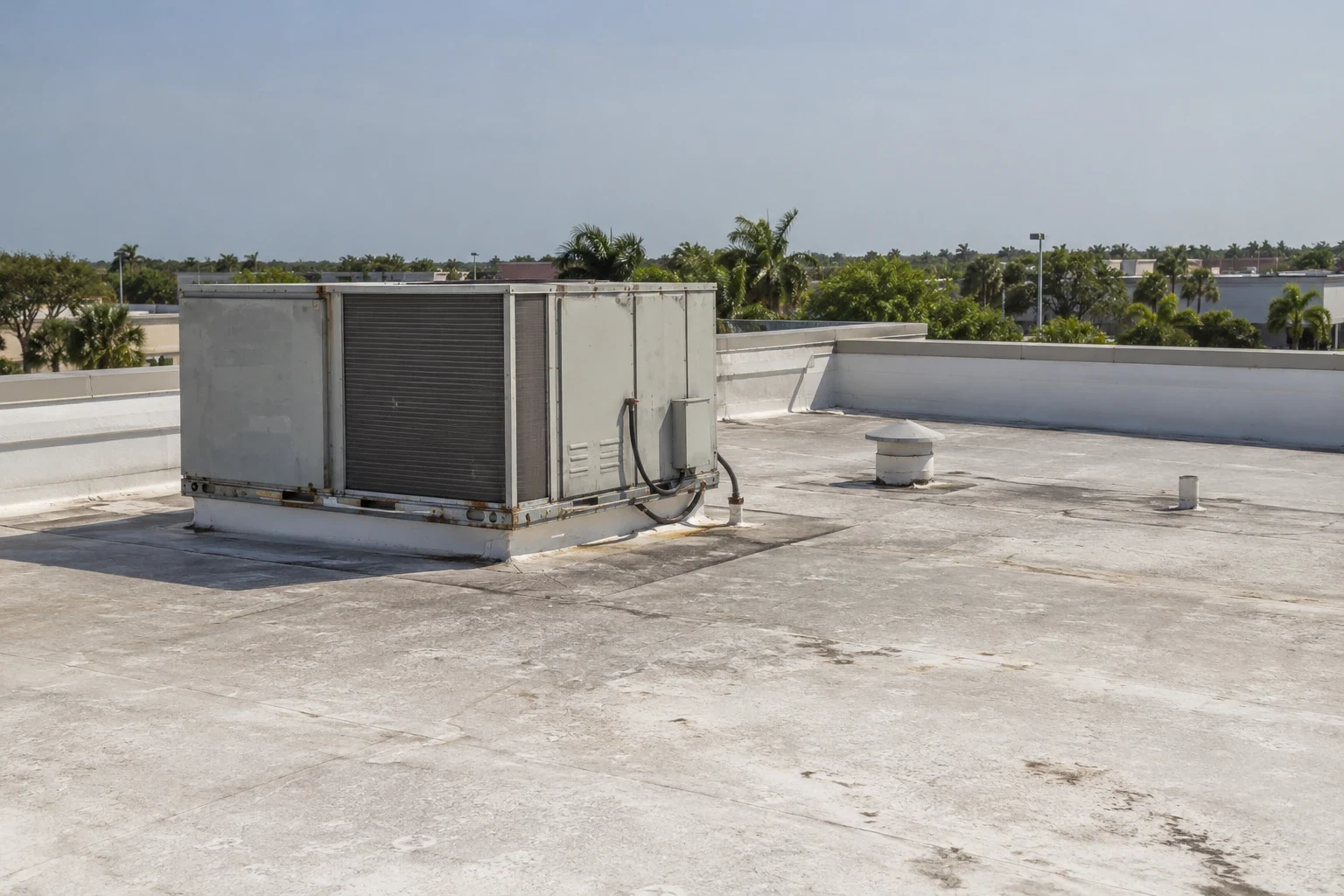
Coordinate: Confirm the station's access protocol
Installation roofing can require badging, escort, vehicle inspection, tool inventories, gate approval and coordination with mission schedules. The authorized station contact supplies current procedures before mobilization. We plan arrival, staging, material deliveries and debris routes inside those limits. A roof work order does not itself grant site entry. The assignment record identifies who authorizes access and receives any schedule change.
Station South Padre Island supports maritime law enforcement and search and rescue. Its duty-crew berthing and mission-support facilities have different operational needs from the Port of Brownsville, a deepwater seaport and industrial/logistics hub. A Port of Brownsville-area roof project still uses its own site and access instructions. At the Coast Guard station, work hours must be confirmed with the responsible station representative.
Coast Guard Station South Padre Island is part of a local maritime setting where duty-crew berthing and mission-support facilities are documented alongside its operating mission. Airport proximity does not replace station authorization. We coordinate route, staging and arrival with the project contact for the actual assignment. If a waterfront or berthing building remains occupied, the representative identifies rooms and circulation paths that must remain available.
Inspect: Map berthing and support buildings
We identify the structure, room or roof zone named in the report and inspect the visible membrane or metal assembly. The field record can cover seams, fasteners, edge metal, drains, curbs and transitions. If water appears below a roof joint, we note the point of entry separately from the interior stain. Any concealed insulation or deck condition requires an approved test or opening before quantities are assigned.
Station South Padre Island's facilities include duty-crew berthing, and its recapitalization program includes station, housing, waterfront and mission-support facilities. The work plan must identify which building and roof section the request covers. We coordinate roof access around crew occupancy and maritime activity. A commercial roof inspection can record observed conditions by roof area and identify follow-up testing or repair approvals.
Metal fasteners, coatings and flashing interfaces require close review on exposed roof assemblies. We examine the installed material and note visible corrosion, coating wear or loose attachment. A surface check does not establish the condition of concealed connections. The report identifies what was examined and which details need a closer review.
Repair: Keep mission areas protected
A repair scope names the roof detail, approved quantity, materials and tie-in to retained roofing. We identify the route to the work area and what must stay clear below. If an opening reveals wet insulation or damaged deck, the crew photographs the layer and stops at the authorized boundary. Added removal or structural review proceeds only after the station contact approves the change.
Wind-driven rain can test edges, penetrations and roof-to-wall transitions. We inspect actual conditions at the station and distinguish temporary cover from a permanent repair. For active water entry, emergency response is available around the clock, including weekends and holidays, subject to the station's access procedure. The log states what the temporary protection covers, who checks it and when a return visit is required.
Electrical, communications, fire-protection, waterfront and vessel-support work may involve specialized trades. We identify those interfaces before roofing begins. A military installation roof scope can set out access controls, designated work limits and required closeout records. Equipment shutdown or movement remains with the qualified trade named by the station unless explicitly included.
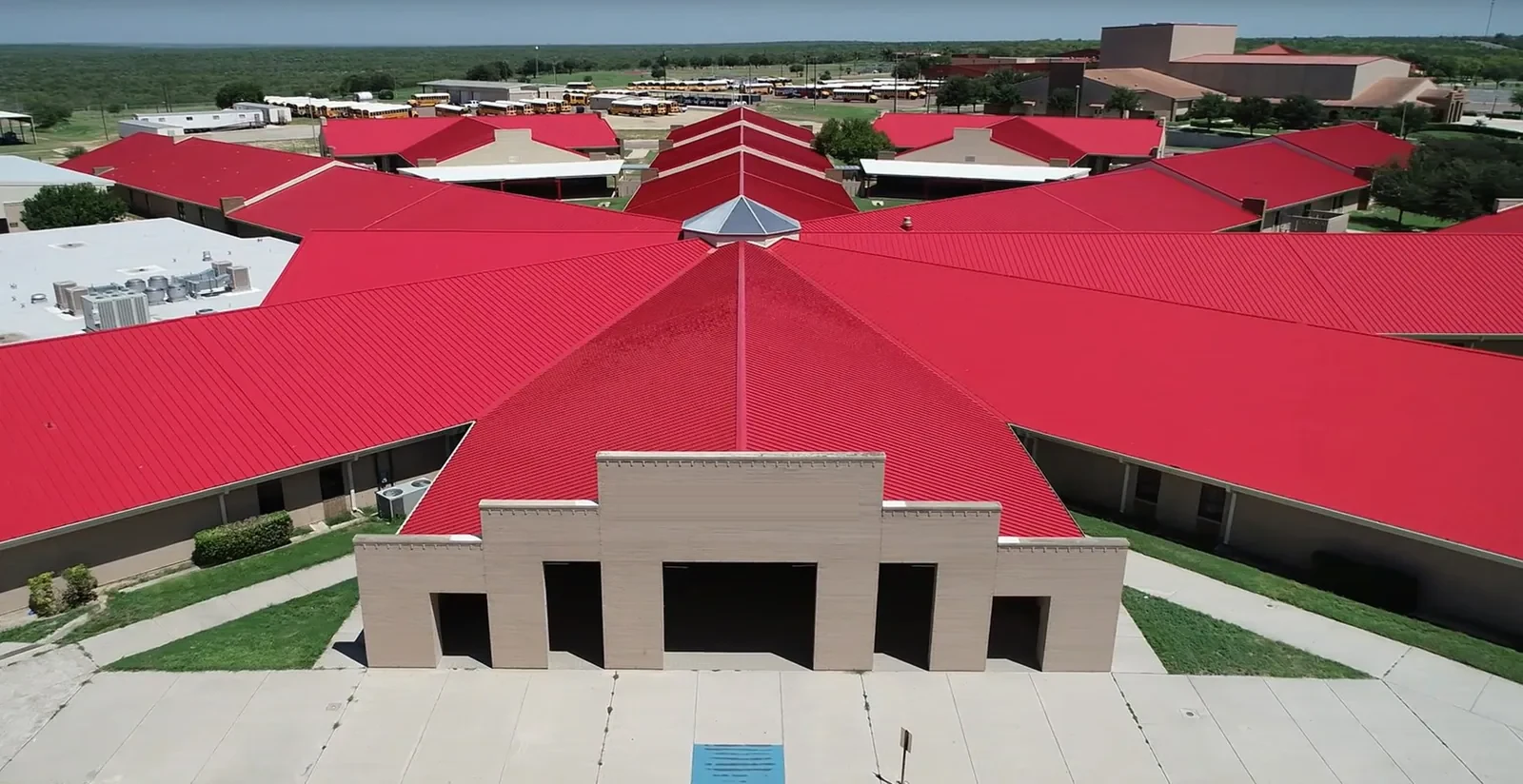
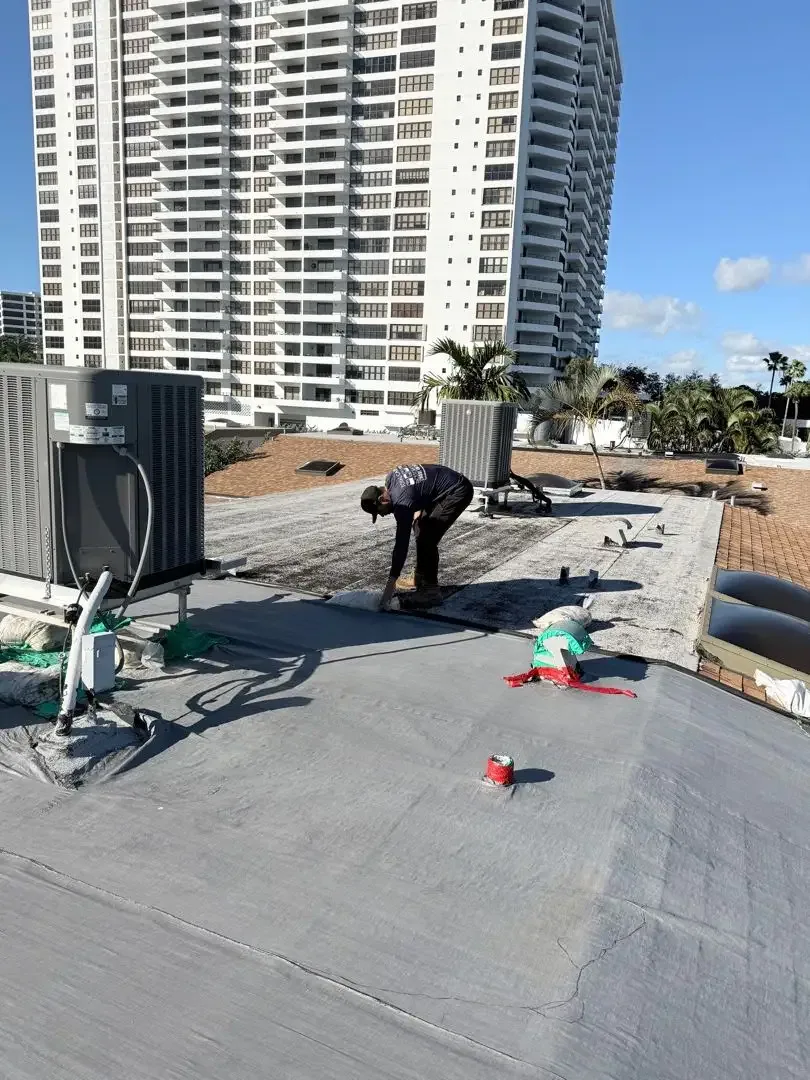
Scope: Work from the approved criteria
A localized flashing or seam failure may need a repair. Repeated leaks, broad moisture, loose attachment or deteriorated roof layers may support a recover or replacement project. We compare roof condition, drainage and approved test results before recommending a recover assessment or replacement. The proposal identifies the roof sections inspected and the conditions that support the selected boundary.
Military construction documents may use Unified Facilities Criteria for roofing. The designer and contracting documents determine applicable details, assembly requirements, submittals and inspection points for the actual job. The roofing scope follows those documents and identifies its materials and tie-ins. Structural design, mechanical work, electrical service and waterfront systems remain with the assigned specialists unless specifically included.
Cost and timing depend on approved roof area, access windows, escort schedules, staging, work-hour restrictions, material lead times and concealed conditions. Berthing operations may limit when a roof section can be opened. We list assumptions and exclusions in the proposal. If the surface hides a condition that changes quantity, work pauses for station review and written direction before the opening expands.
A Brownsville Army Reserve Center assignment also needs controlled access, but its facility and mission requirements differ from a Coast Guard station. A barracks roofing scope has its own resident occupancy and facility contacts.
Closeout: Return the roof record to the station
Closeout identifies station building, roof section, completed work, materials, tagged photographs and unresolved items. It lists inaccessible areas, temporary covers and separate trade tasks. The record moves through the approved station contact and follows the required project documentation path. Each finding remains tied to a structure and approved scope.
Send the facility address, building identifier, reported condition, drawings, access protocol, mission window and authorized contact. Include escort and vehicle rules, berthing restrictions, staging limits and any waterfront coordination. We will define inspection limits and any test opening before work is scheduled. The station representative confirms entry and approval requirements for each visit.
A return inspection can check the repaired detail after weather exposure. We state date, roof area and visible condition. If a separate building needs review, it receives its own task and approval. That distinction keeps station operations and roofing records attached to the correct facility.
Related Roofing Work
Other roofing services and buildings we handle across Brownsville.
Questions About Coast Guard Station Roofing
What buildings are included at Station South Padre Island?
Station South Padre Island includes duty-crew berthing, and its recapitalization program covers station, housing, waterfront and mission-support facilities. The authorized contact identifies the specific building and roof areas included in the roofing request.
How do you schedule roof access at an active Coast Guard station?
The station contact provides current badging, escort, gate and operating-window requirements. We plan arrival and staging around those instructions. Access is confirmed by the authorized representative before personnel or materials are sent.
Can roofing follow Unified Facilities Criteria?
The designer and contracting documents identify which UFC criteria and roof details apply. We use those requirements to define materials, transitions, submittals and inspections. The project team confirms the current documents for the assigned facility.
Who handles equipment or waterfront systems near a roof?
Mechanical, electrical, communications and waterfront specialists are assigned by the station. We coordinate roof flashing or membrane work at the identified interface and state what trade action is required before the detail can be closed.
What should the station provide for an estimate?
Provide building identifiers, roof drawings, observed condition, access and escort rules, mission schedule, staging limits and approval contact. Include project criteria and any separate trade coordination needed for the work area.