Versico Commercial Roofing in Brownsville, TX
Review Versico for a Brownsville commercial roof
VersiWeld, VersiGard and VersiFlex identify distinct membrane choices, so the roof assembly must be confirmed before selecting a repair or reroof. Versico offers TPO, EPDM, PVC and fleece-backed systems with related components. We inspect the existing roof and compare the observed substrate, attachment and transitions with the proposed detail. Brownsville heat and operating conditions shape work planning, while the system follows the building's approved requirements.
Send the address, roof plans, current membrane and project specification. We will record conditions and scope a Versico assembly matched to the building. Call 555-555-5555 or use the form.
Inspect: Confirm membrane and attachment
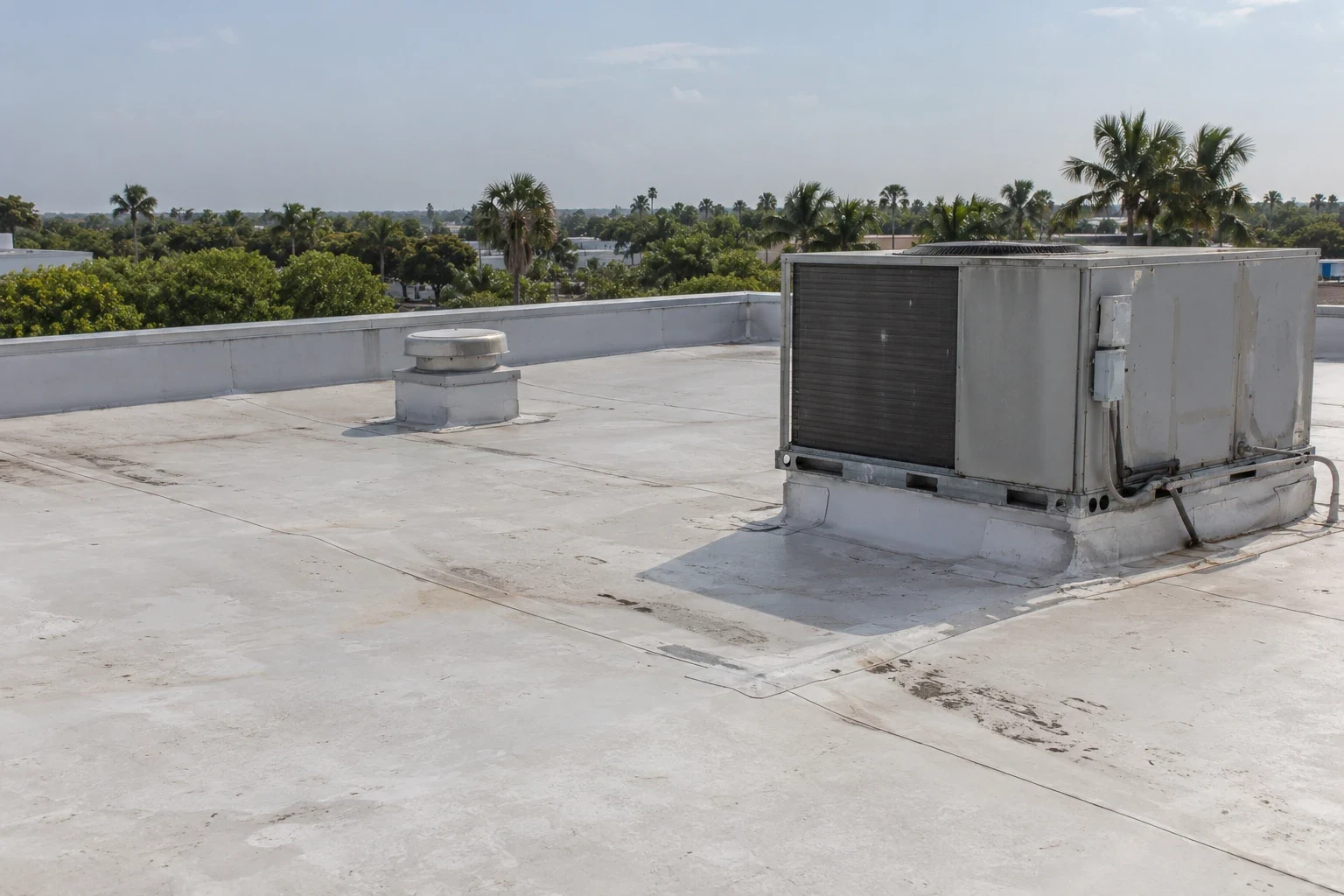
We record visible sheet type, seam, flashing, edge, drain, rooftop equipment and prior repair. If membrane identity is uncertain, we list a product record or approved test opening to confirm the system. A commercial roof inspection can set that baseline. Existing moisture, attachment and deck conditions affect whether a repair, recover or replacement scope can be proposed.
Versico lists VersiWeld TPO, VersiGard EPDM, VersiFlex PVC and VersiFleece membrane systems. Product details and available assemblies vary. TPO and PVC use heat-welded seams; EPDM has a different seam method. VersiFleece is a fleece-backed membrane option. We name the exact product and installation configuration from current submittals, not a general label that leaves the assembly open to interpretation.
The FM 802 / Ruben M. Torres corridor is near I-69E and includes distribution, warehousing and light manufacturing uses. A facility along the route may have delivery and access windows tied to operations. The site contact confirms roof entry, staging and equipment restrictions; the inspection report identifies which roof areas were reached.
Compare: Match membrane to project requirements
System selection depends on roof use, substrate, drainage, attachment design and transition details. Versico's product resources describe mechanically attached, adhered, induction-welded and vent-secured options for some single-ply configurations. We do not assume every method applies to every membrane or site. The proposal identifies the selected option and checks it against approved details and project documents. A mechanical attachment pattern, adhered field or induction-welded plate arrangement changes the material layout and perimeter treatment. We identify the design basis and note which components must arrive as a coordinated package. The owner can compare the specified assembly with the existing deck and access plan before authorizing removal. If the documents leave a transition undefined, it becomes a design question before installation rather than a field substitution made during the shift.
We check a Versico roof in Brownsville for heat-related surface wear, seam separation and flashing condition before selecting repair materials. The work plan accounts for safe shifts, seam preparation and material handling. A warm climate fact alone does not choose the membrane. The project designer confirms assembly performance and any wind or code criteria; our inspection records the roof and coordinates the accepted detail.
If a property near Boca Chica Boulevard reports wind or water entry, its own roof inspection sets the scope and photo record. After an event, we inspect perimeters, seams and penetrations and record findings by area. A TPO roofing system and an EPDM roofing system require different repair materials. Compatibility should be confirmed before a patch or tie-in is selected.
Scope: Include insulation and roof accessories
The scope states membrane, attachment, insulation, cover board, flashing, edge metal, fasteners and accessories where specified. It includes substrate preparation, removal assumptions and roof areas. A curb or drain must be coordinated with its final dimensions and accepted detail. If a hidden layer differs from the plan, the crew stops at the approved limit and requests direction before increasing quantity.
Versico's product documentation includes technical details and specifications that help define the selected assembly. We compare those documents with the project's deck, wind design, drainage and operating needs. Any substitution requires review by the authorized designer and owner. The proposed system should not combine materials from different manufacturers' system details without a defined approved assembly.
For a separate comparison, Carlisle SynTec lists EPDM, TPO and PVC membranes, and Holcim Elevate includes multiple single-ply families. Each product specification is independent. We use the documents associated with the system selected for this project and identify accessory interfaces before installation.
Install: Check welds, edges and field transitions
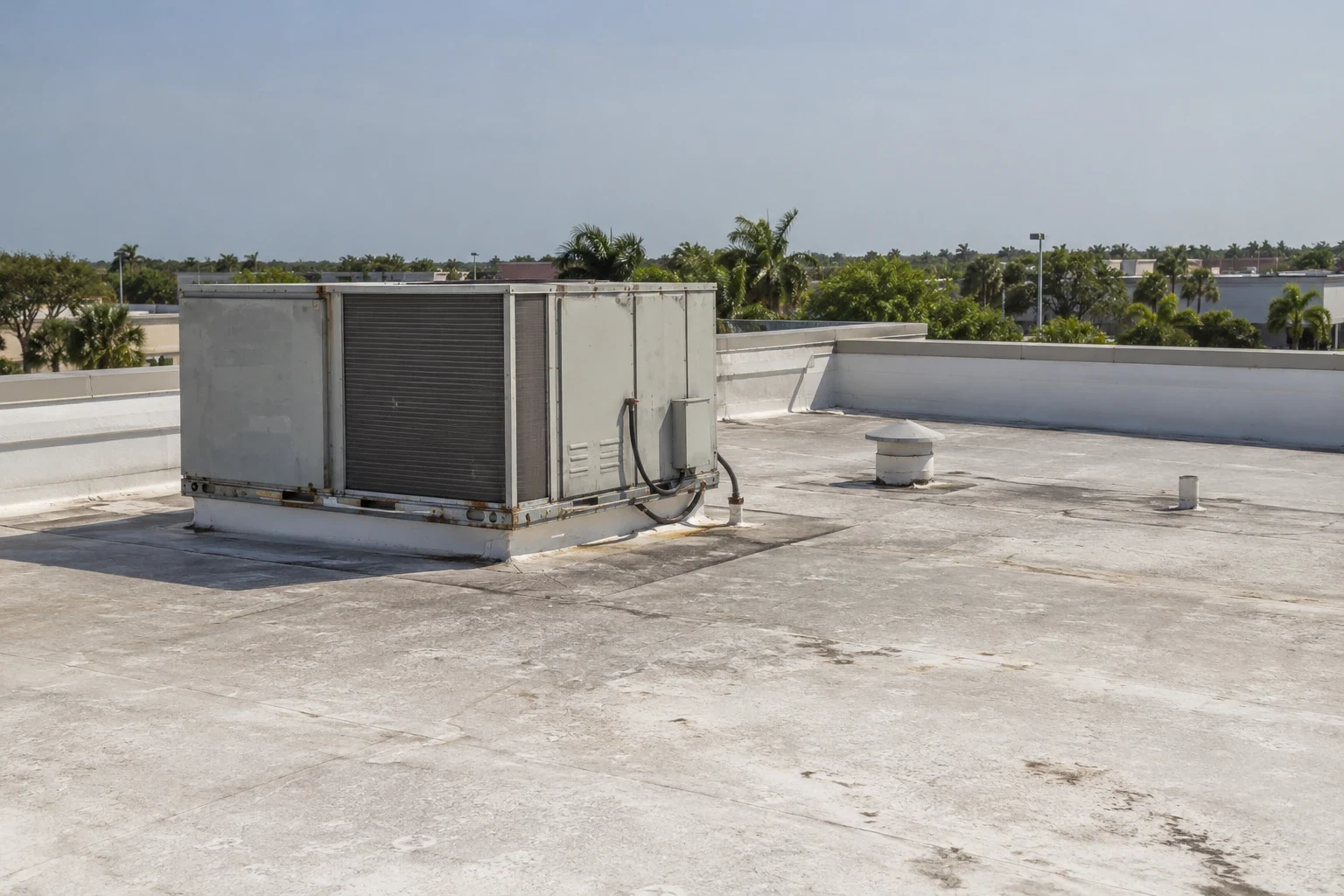
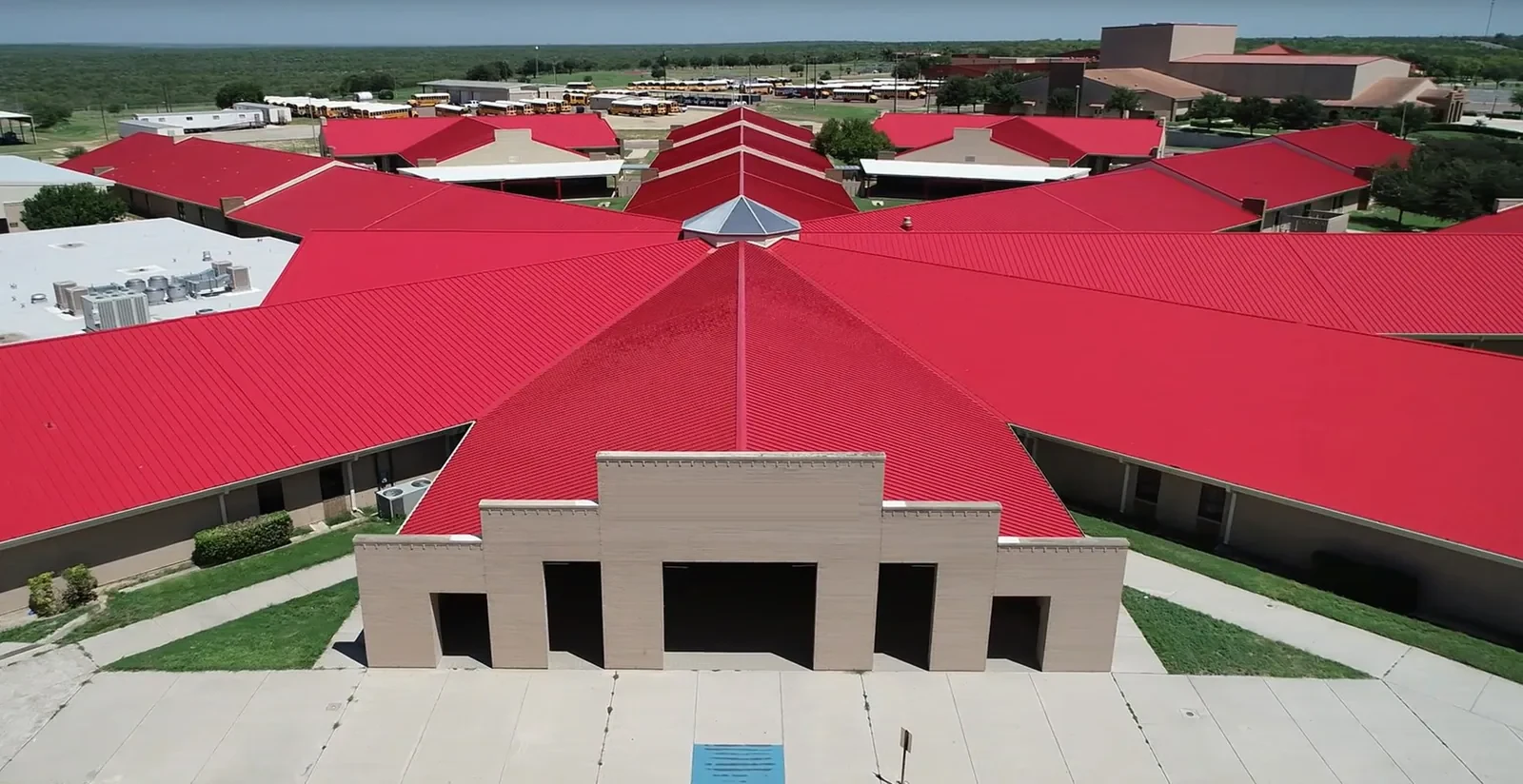
Work starts with a prepared substrate and confirmed attachment materials. Thermoplastic seams need the specified heat-weld method and inspection; EPDM details use their specified accessories and seam preparation. Fleece-backed membranes require their selected attachment and compatible substrate. We follow the accepted project documents and record the roof zones closed each shift.
Brownsville's hot season influences the safe duration of roof work. We coordinate staging, lifts, deliveries and occupied-area restrictions with the facility. The crew exposes only what can be protected before leaving. The daily record notes completed seams, pending transitions, delivery restrictions and the protection installed at the end of the shift. That makes a phased installation reviewable between visits and keeps open items attached to the correct roof zone. If rain or a wet substrate prevents installation, we document the hold and cover the approved opening rather than close over a condition that could affect the system.
We offer emergency response all hours, including weekends and holidays, for active water entry. Temporary protection is logged as a separate task and permanent system work follows when the surface and approvals are ready. If removal uncovers wet insulation or deck damage, photographs and area labels go to the designated decision-maker before work expands.
Closeout: Preserve the Versico installation detail
The project file names membrane, attachment configuration, insulation and accessories installed, with photographs, inspection notes and approved changes. It records remaining conditions and areas not reached. The owner can later compare seams, terminations and repairs with the documented roof zone rather than relying on the product name alone.
Send the Brownsville address, roof plan, known assembly, specification, leak history and access rules. Include the selected Versico product or system if the designer has identified one. We will inspect the roof, confirm interfaces and return an installation scope that names materials and work limits for the building.
Related Roofing Work
Other roofing services and buildings we handle across Brownsville.
Questions About Versico Commercial Roofing
Which Versico membranes can be used on commercial roofs?
Versico lists TPO, EPDM, PVC and VersiFleece systems. We confirm product details, attachment and accessories from current technical documents and the accepted project specification.
Can a Versico membrane be installed over my existing roof?
A recover requires review of moisture, substrate, attachment, existing layers and project design. We identify what testing or removal is needed before recommending an overlay.
How are Versico TPO and EPDM seams repaired?
The seam methods differ because TPO is thermoplastic and EPDM is a thermoset membrane. We identify the installed product and specify compatible preparation, materials and tie-in details.
Does Versico offer different attachment methods?
Versico materials describe several single-ply attachment configurations, including mechanical attachment, adhesion and induction welding for some systems. The approved assembly determines which method is used.
What should I provide for a Versico proposal?
Provide the property address, roof plan, existing membrane, specification, building use, access requirements and repair history. Include the project designer and person who approves testing or changes.